
Contents
- 1. What is Coconut Shell Charcoal?
- 2. Top 5 Benefits of Using Coconut Shell Charcoal
- 3. How Is This Eco-Friendly Charcoal Made?
- 4. Common Uses for Coconut Shell Charcoal
- 5. Coconut Shell vs. Traditional Charcoal
- 6. Exploring Other Sustainable Biomass Fuels
- 7. Frequently Asked Questions (FAQ)
- 8. Conclusion: Why You Should Make the Switch
What is Coconut Shell Charcoal?
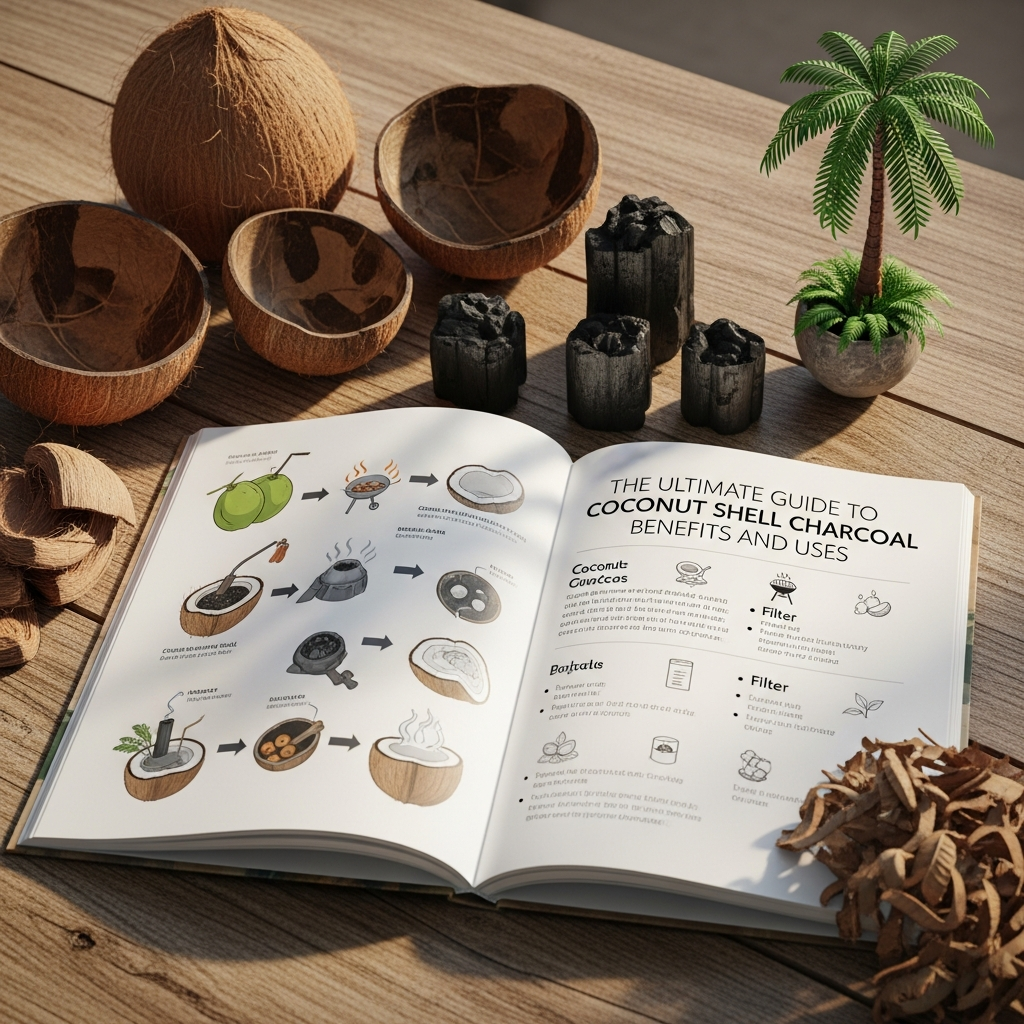
Coconut shell charcoal is an incredible, eco-friendly fuel and purifier made from the hard shells of coconuts. Unlike traditional wood charcoal, which contributes to deforestation, this sustainable alternative utilizes agricultural waste. The process of creating it transforms discarded coconut shells into a high-quality product with a wide range of impressive applications.
This type of fuel is renowned for its high carbon content and minimal impurities. This makes it a cleaner, more efficient, and environmentally responsible choice for everything from backyard barbecues to industrial filtration systems. As we become more conscious of our environmental footprint, the demand for sustainable products like this continues to grow.
Top 5 Benefits of Using Coconut Shell Charcoal
Switching to this unique charcoal offers numerous advantages over conventional options. It’s not just a trend; it’s a smarter choice for both consumers and the planet. Let’s explore the key benefits that make it stand out.
1. Eco-Friendly and Sustainable
The most significant benefit is its sustainability. Coconut shells are a byproduct of the coconut industry, meaning no trees are cut down to produce this fuel. By using these waste shells, we reduce landfill waste and create a valuable resource. According to a study in the Journal of Environmental Chemical Engineering, using biomass like coconut shells is a key step towards sustainable energy.
2. High Heat and Long Burning Time
This eco-charcoal burns hotter and longer than most traditional wood charcoals. It can reach high temperatures quickly and maintain them consistently, which is perfect for grilling and cooking. This efficiency means you’ll use less fuel over time, saving you money and reducing waste even further.

3. Low Smoke and Odorless
Nobody enjoys a grill that produces excessive, acrid smoke. One of the best features of coconut shell charcoal is that it is virtually smokeless and odorless. This ensures that your food’s natural flavors are enhanced, not overpowered by a smoky taste. It also makes for a much more pleasant cooking experience for you and your neighbors.
4. A Natural Purifier
When processed into “activated carbon,” it becomes a powerful purifying agent. Its microporous structure is extremely effective at adsorbing impurities and contaminants. This property makes it a key component in water and air filtration systems, as detailed by the Environmental Protection Agency (EPA) regarding water treatment methods.
5. Versatile Applications
The use of this amazing product goes far beyond the grill. From purifying water and air to being a key ingredient in cosmetic and health products, its versatility is astounding. Its applications span across multiple industries, highlighting its importance as a multifaceted material.
How Is This Eco-Friendly Charcoal Made?
The production process is a fascinating method called pyrolysis, which involves heating coconut shells in a low-oxygen environment. First, the mature shells are cleaned and broken into smaller pieces. They are then placed in a specialized kiln or drum.
The shells are heated to very high temperatures without allowing them to burn completely. This process removes moisture and volatile compounds, leaving behind pure carbon. The resulting product is a black, porous material, which can then be sold as is or further processed into briquettes or activated carbon.
Common Uses for Coconut Shell Charcoal
The unique properties of this fuel make it suitable for a wide variety of uses, from the kitchen to industrial settings. Here are some of its most popular applications.
Using Coconut Shell Charcoal for Grilling
As a cooking fuel, this charcoal is a top choice for grill masters. Its consistent, high heat is perfect for searing meats and vegetables, while its long burn time is ideal for slow-cooking. Many professional chefs and BBQ enthusiasts, like those featured on high-authority sites like AmazingRibs.com, prefer it for its clean burn.
As Activated Carbon for Filtration
The primary industrial use is in the creation of activated carbon. Its vast surface area and porous nature make it an exceptional material for filtering contaminants from water and air. It’s used in everything from home water pitchers to large-scale municipal water treatment plants to remove chemicals, odors, and impurities.
In Health and Beauty Products
You may have noticed charcoal appearing in toothpaste, face masks, and soaps. Activated coconut shell charcoal is often used in these products for its detoxifying properties. It is claimed to bind to dirt and oils, helping to cleanse the skin and whiten teeth. Research published by sources like Healthline explores its growing role in the beauty industry.
Coconut Shell vs. Traditional Charcoal
When compared to traditional lump wood charcoal or briquettes, coconut-based charcoal consistently comes out on top. It’s more sustainable, burns hotter and longer, and produces less ash and smoke. While the initial cost might be slightly higher, its efficiency and performance provide better value in the long run.
At a Glance: Coconut vs. Traditional Charcoal
- Source: Renewable waste product vs. Trees
- Burn Time: Longer
- Heat: Hotter and more consistent
- Smoke/Odor: Minimal to none
- Ash Content: Lower
Exploring Other Sustainable Biomass Fuels
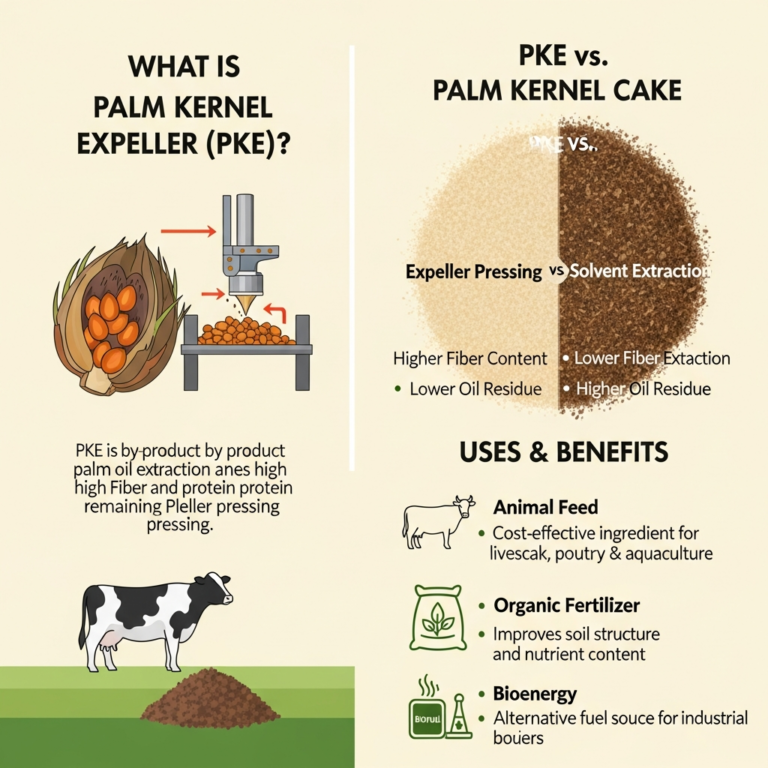
The principle of converting agricultural waste into valuable fuel extends beyond coconuts. The palm oil industry, for instance, produces several high-energy biomass products. These sustainable alternatives play a crucial role in the global shift towards renewable energy. For example, Palm Kernel Shell is another excellent biofuel for industrial boilers. Similarly, the residue from oil extraction, known as Palm Kernel Expeller, is a valuable component in animal feed. The entire process begins with the Palm Kernel, which is processed into valuable oils like Crude Palm Oil and Palm Kernel Oil. Even the leftover Oil Palm Fruit Bunch can be repurposed, showcasing a zero-waste approach.
Looking for High-Quality Palm Products?
Makmur Amanah Sejahtera provides high-quality palm products such as Palm Kernel Expeller, Palm Kernel Shell, Crude Palm Oil, Palm Kernel Oil, etc.
Kindly contact us at WhatsApp +6282140002198 or email us at admin@makmuramanah.co.id.
Frequently Asked Questions (FAQ)
Is coconut shell charcoal better for the environment?
Absolutely. It is made from a renewable byproduct of the coconut industry, which prevents deforestation and reduces waste.
Does it make my food taste like coconut?
No, it is completely odorless and does not impart any flavor to your food, allowing the natural taste of what you’re cooking to shine through.
Is it more expensive than regular charcoal?
While the upfront cost can sometimes be higher, its longer burn time and higher heat mean you use less of it per cooking session, making it more economical over time.
Conclusion: Why You Should Make the Switch
Coconut shell charcoal is more than just a fuel; it’s a smart, sustainable, and high-performing choice for a variety of needs. Whether you’re a dedicated barbecue enthusiast, concerned about the environment, or interested in natural purification, it offers clear and compelling advantages.
By choosing this eco-friendly fuel, you are opting for a cleaner burn, a better taste, and a healthier planet. Make the switch today and experience the remarkable difference for yourself. It’s a small change that has a big impact.
 English
  Indonesian
  Chinese
  Arabic