
- What Exactly is Palm Kernel Expeller (PKE)?
The Nutritional Profile of Palm Kernel Expeller (PKE)
Primary Uses and Applications of PKE in Agriculture
Key Benefits of Using Palm Kernel Expeller (PKE)
Palm Kernel Expeller (PKE) vs. Palm Kernel Meal (PKM): What’s the Difference?
Potential Limitations and Considerations When Using PKE
In the quest for sustainable and cost-effective animal nutrition, the agricultural industry is constantly seeking high-value feed ingredients. One of the most significant is Palm Kernel Expeller (PKE), a vital by-product of the palm oil industry. This powerful ingredient provides an excellent source of energy and fiber, particularly for livestock, making it a cornerstone of modern feed formulations. This guide explores its uses, benefits, and how it differs from its counterpart, Palm Kernel Meal.
What Exactly is Palm Kernel Expeller (PKE)?
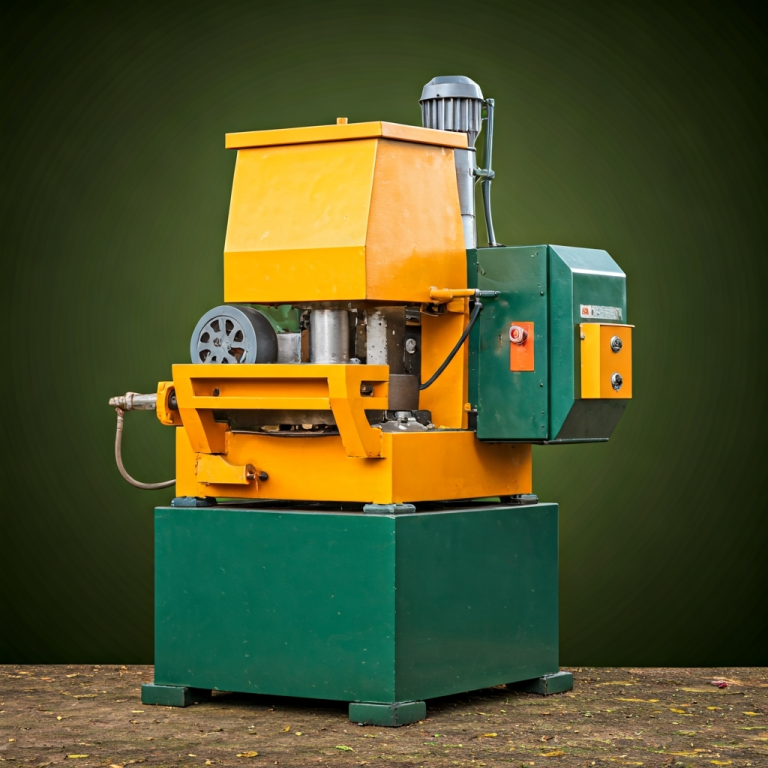
Palm Kernel Expeller (PKE), often called Palm Kernel Cake, is a by-product derived from the mechanical extraction of oil from the kernel of the Oil Palm Fruit Bunch. After the fruit is harvested and the Crude Palm Oil is extracted from its fleshy mesocarp, the inner nut is cracked to reveal the Palm Kernel. This kernel is then crushed and pressed using an expeller press to release Palm Kernel Oil.
The solid residue left behind from this mechanical process is the Palm Kernel Expeller (PKE). It is characterized by its brownish color, coarse texture, and notable residual oil content, which is a key factor in its nutritional value. This process ensures that no chemicals or solvents are used, making it a natural and valuable feed ingredient.

The Nutritional Profile of Palm Kernel Expeller (PKE)
The nutritional composition of Palm Kernel Expeller (PKE) makes it an attractive component in animal feed. While its exact values can vary based on the efficiency of the oil extraction process, it generally boasts a well-rounded profile rich in energy, fiber, and protein.
Key Nutritional Components
- High Energy Content: Because it’s produced via mechanical pressing, PKE retains a significant residual oil content, typically between 8-12%. This makes it an excellent source of energy for livestock, supporting growth and milk production.
Rich in Crude Fiber: PKE is abundant in crude fiber (around 15-18%), which is highly beneficial for ruminant animals like cattle, sheep, and goats. This fiber aids in proper rumen function and digestive health.
Moderate Protein Source: With a crude protein level of about 14-17%, Palm Kernel Expeller (PKE) serves as a valuable protein source. While not as high as soybean meal, it complements other ingredients to create a balanced diet.
Essential Minerals: PKE contains important minerals such as phosphorus, magnesium, iron, and zinc, which are crucial for bone development, metabolic functions, and overall animal well-being. According to the Food and Agriculture Organization (FAO), these minerals are vital for livestock health.
Primary Uses and Applications of PKE in Agriculture
The unique nutritional makeup of Palm Kernel Expeller (PKE) makes it versatile. However, its primary application is overwhelmingly in animal feed, tailored to the digestive systems of different animals.
Ruminant Feed (Cattle, Goats, Sheep)
PKE is an ideal feed ingredient for ruminants. Its high fiber content stimulates rumination and saliva production, helping to maintain a stable rumen pH and promoting a healthy digestive environment. The combination of energy, protein, and fiber makes Palm Kernel Expeller (PKE) an excellent supplement for both dairy and beef cattle, supporting milk yield and weight gain. Research published in journals like the Journal of Animal Feed Science and Technology frequently validates its efficacy.

Poultry and Swine Feed
For monogastric animals like poultry and pigs, the high fiber in PKE can be a limitation, as they cannot digest it as efficiently as ruminants. However, it can still be included in their diets at lower percentages (typically 5-10%) to provide a cost-effective source of protein and energy without negatively impacting performance.
Other Applications
Beyond traditional livestock, Palm Kernel Expeller (PKE) is finding use in aquaculture feeds and as a biomass fuel source. Its high energy content makes it suitable for burning in boilers to generate power, contributing to the renewable energy sector and further reducing waste from the palm oil industry.
Key Benefits of Using Palm Kernel Expeller (PKE)
- Cost-Effectiveness: PKE is often more affordable than other common feed ingredients like soybean meal or corn, helping farmers reduce production costs without compromising nutritional quality.
Sustainability: As a by-product, PKE transforms a potential waste stream into a valuable resource. Its use promotes a circular economy within the palm oil sector.
High Availability: In regions with significant palm oil production, PKE is abundantly and consistently available, ensuring a stable supply chain for feed manufacturers.
Improved Animal Health: For ruminants, the fiber in Palm Kernel Expeller (PKE) not only aids digestion but also improves satiety, leading to calmer and healthier animals.
Palm Kernel Expeller (PKE) vs. Palm Kernel Meal (PKM): What’s the Difference?
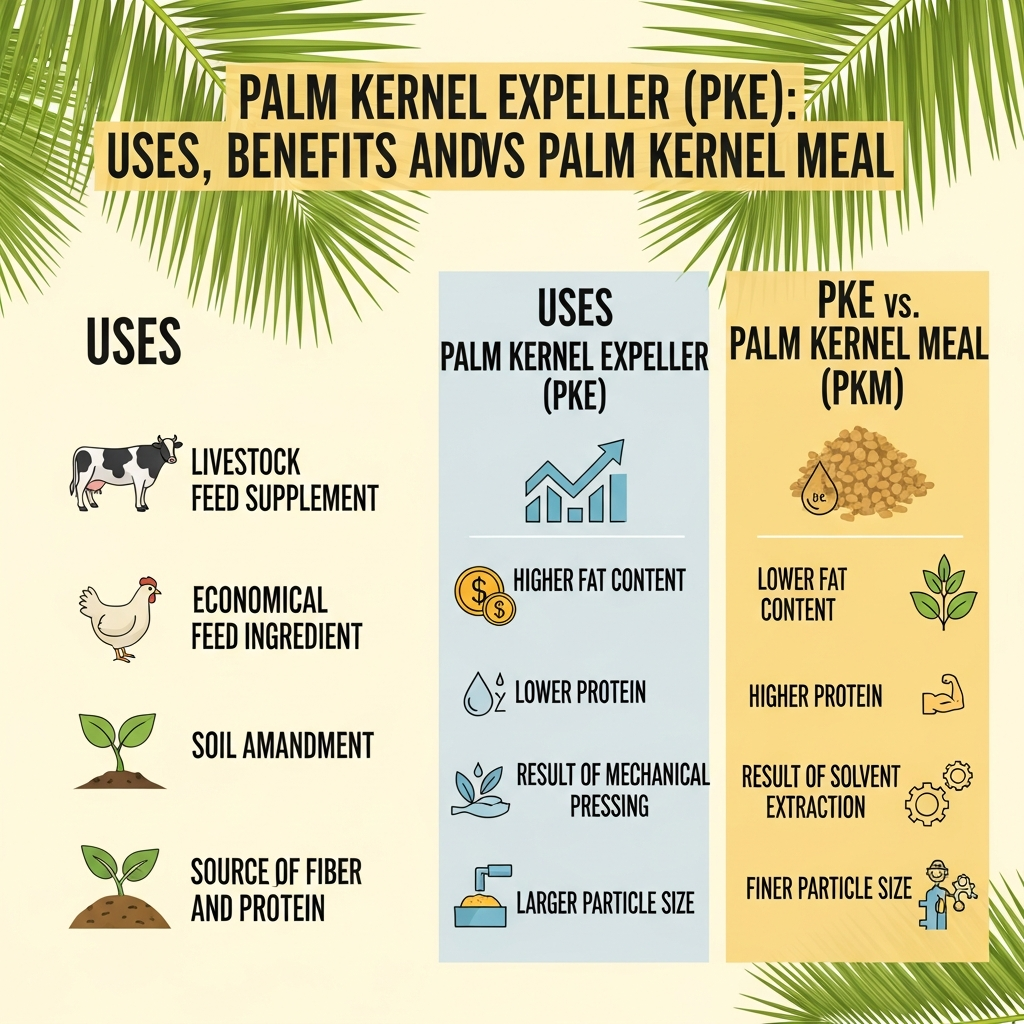
Though often used interchangeably, there is a crucial distinction between Palm Kernel Expeller (PKE) and Palm Kernel Meal (PKM). The difference lies in the oil extraction method, which directly impacts their nutritional content.

Extraction Method
PKE: Produced through mechanical pressing (expeller press), where physical force squeezes the oil out of the kernel. This method leaves a higher residual fat content.
PKM: Produced using solvent extraction, where a chemical solvent (like hexane) is used to dissolve the oil from the kernel. This process is more efficient, resulting in a lower residual fat content.
Nutritional Differences of Palm Kernel Expeller (PKE)
- Fat/Oil Content: PKE has a higher fat content (8-12%) compared to PKM (1-3%). This makes PKE a better source of energy.
Protein Content: Because more oil is removed, PKM tends to have a slightly more concentrated protein percentage than PKE.
Texture: PKE is generally coarser and more fibrous, while PKM is finer and has a more uniform consistency.
Potential Limitations and Considerations When Using PKE
While Palm Kernel Expeller (PKE) is an excellent feed resource, there are a few factors to consider. The quality can vary, so it’s essential to source it from reputable suppliers. The presence of broken shell fragments, or Palm Kernel Shell, can also be an issue, although modern processing methods have minimized this risk.
Proper storage is also crucial to prevent the growth of mold and mycotoxins, which can be harmful to animals. Organizations like the International Feed Industry Federation provide guidelines on safe feed handling and storage. Finally, the diet must be carefully balanced by a nutritionist to account for the high fiber and specific amino acid profile of PKE.
Makmur Amanah Sejahtera provides high-quality palm products such as Palm Kernel Expeller, Palm Kernel Shell, Crude Palm Oil, Palm Kernel Oil, etc. Kindly contact us at WhatsApp +6282140002198 or email us at admin@makmuramanah.co.id. Palm Kernel Expeller (PKE) stands out as a remarkably valuable and sustainable ingredient in the global feed industry. Its excellent energy and fiber profile, coupled with its cost-effectiveness, makes it an indispensable resource for livestock farmers, particularly in ruminant nutrition. By understanding its benefits and how it differs from Palm Kernel Meal, farmers and feed producers can make informed decisions to optimize animal health and productivity in 2025 and beyond.Looking for High-Quality Palm Products?
Conclusion
 English
  Indonesian
  Chinese
  Arabic