
Table of Contents
- What Is Palm Kernel Expeller (PKE)?
- The Production Process of Palm Kernel Expeller (PKE)
- Nutritional Profile: Why Palm Kernel Expeller (PKE) is a Valued Feed Ingredient
- Key Uses of Palm Kernel Expeller (PKE) in Animal Feed
- Decoding the Price of Palm Kernel Expeller (PKE)
- How to Source High-Quality Palm Kernel Expeller (PKE)
- Your Trusted PKE Supplier
- Conclusion: The Future of PKE in Global Feed
The global demand for cost-effective and nutritious animal feed is constantly rising. In this landscape, Palm Kernel Expeller (PKE) emerges as a crucial ingredient, offering a balanced blend of energy, protein, and fiber. This by-product of the palm oil industry is a cornerstone for livestock nutrition in many parts of the world.
Whether you’re a farmer, feed mill operator, or agricultural investor, understanding the dynamics of PKE is essential. This guide covers its uses, nutritional benefits, price factors, and best practices for sourcing, giving you the insights needed to leverage this valuable resource.

What Is Palm Kernel Expeller (PKE)?
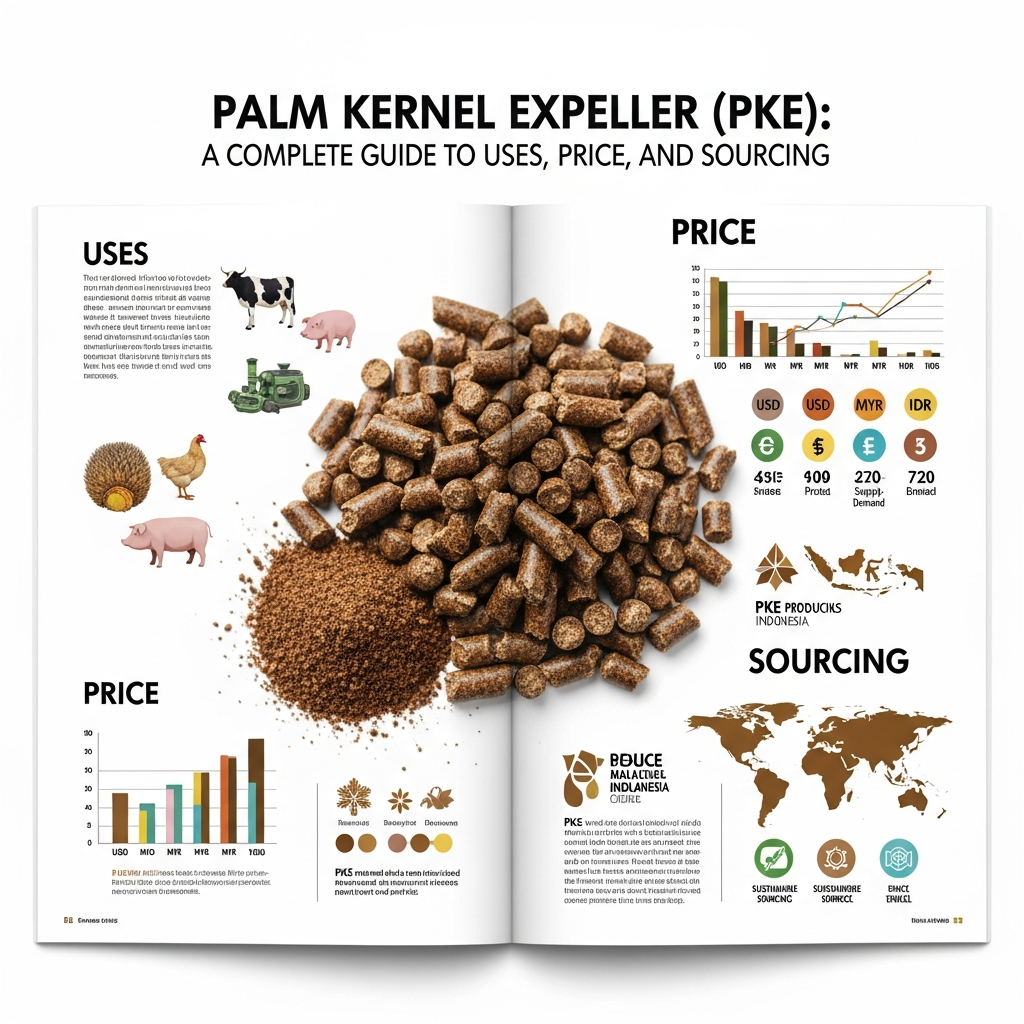
Palm Kernel Expeller (PKE), also known as Palm Kernel Cake (PKC), is a by-product from the extraction of oil from the Palm Kernel of the palm fruit (Elaeis guineensis). After the palm kernel is crushed to extract palm kernel oil, the remaining fibrous material is processed into PKE. This residue is far from waste; it’s a valuable commodity in the international animal feed market.
Primarily produced in Malaysia and Indonesia, the world’s largest palm oil producers, Palm Kernel Expeller (PKE) is valued for its moderate protein content, high fiber, and significant energy value. It serves as an excellent feed for ruminant animals like cattle and goats and is also incorporated into diets for other livestock.
The Production Process of Palm Kernel Expeller (PKE)
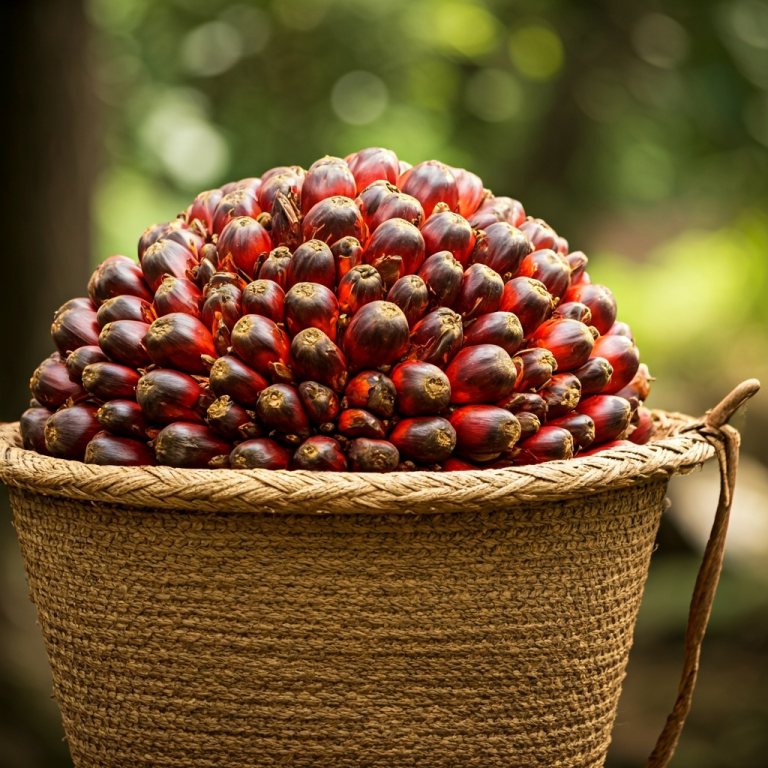
The quality of PKE is directly influenced by its production method. The process starts with the Oil Palm Fruit Bunch, where the fruit is processed to produce Crude Palm Oil. The remaining nut is then cracked. This cracking process separates the kernel from the shell, with the latter being a valuable biomass fuel known as Palm Kernel Shell. The retrieved kernel then undergoes oil extraction to produce Palm Kernel Oil.
There are two primary methods for this extraction:
- Mechanical Pressing (Expeller Press): This is the most common method. The kernels are crushed under high pressure, which expels the oil. The solid residue is the Palm Kernel Expeller (PKE). This method typically leaves a higher residual oil content (around 8-12%), which increases the energy value of the feed.
- Solvent Extraction: In this process, a solvent (like hexane) is used to extract the oil, resulting in a lower residual oil content in the final meal (around 1-3%). While it yields more oil, the resulting PKE has a lower energy density.
Nutritional Profile: Why Palm Kernel Expeller (PKE) is a Valued Feed Ingredient
The nutritional composition of Palm Kernel Expeller (PKE) makes it a staple in feed formulations. Its balanced profile provides essential nutrients for animal growth, maintenance, and production. While exact values vary based on the extraction process and source, a typical profile is as follows:
- Crude Protein: 14-18%
- Crude Fiber: 16-22%
- Crude Fat (Ether Extract): 8-12%
- Metabolizable Energy: 2,400-2,800 kcal/kg
- Minerals: Rich in phosphorus, potassium, and magnesium.
The high fiber content is particularly beneficial for ruminants, aiding in healthy digestion and rumen function. For a detailed scientific breakdown, you can explore resources like the Feedipedia entry on Palm Kernel Meal, which offers in-depth analysis. The combination of protein, energy, and fiber makes Palm Kernel Expeller (PKE) a cost-effective alternative to more expensive ingredients like soybean meal or corn.
Key Uses of Palm Kernel Expeller (PKE) in Animal Feed
The versatility of Palm Kernel Expeller (PKE) allows it to be used across various livestock categories. Its application primarily depends on the animal’s digestive system and nutritional needs.
PKE for Ruminant Feed (Cattle, Goats, Sheep)
Ruminants are the largest consumers of PKE. Its high fiber content is ideal for their digestive systems, and it provides a valuable source of protein and bypass protein. For dairy and beef cattle, PKE can constitute up to 30-50% of the feed concentrate, supporting milk production and weight gain. Its cost-effectiveness makes it a popular choice for large-scale cattle operations.
PKE in Non-Ruminant Diets (Poultry and Swine)
Using Palm Kernel Expeller (PKE) in poultry and swine diets is more challenging due to its high fiber and low palatability. The high gritty fiber can be difficult for monogastric animals to digest. However, research published in journals like Animals (MDPI) shows that treating PKE with enzymes can break down the fiber, improving its digestibility and allowing for inclusion rates of 5-10% in their diets.
Other Emerging Applications
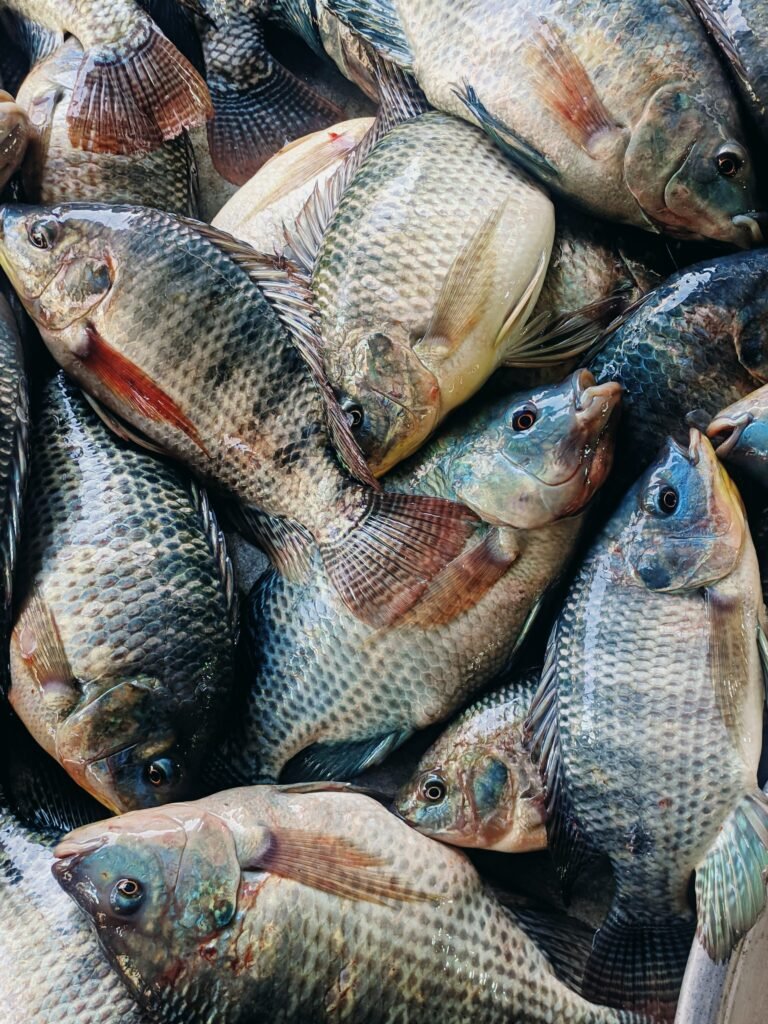
Beyond traditional livestock, PKE is finding uses in aquaculture feeds for certain fish species. It is also being explored as a biomass feedstock for producing renewable energy, showcasing its potential beyond just being an animal feed ingredient.

Decoding the Price of Palm Kernel Expeller (PKE)
The price of Palm Kernel Expeller (PKE) is dynamic and influenced by a variety of global and local factors. Understanding these can help in making strategic purchasing decisions.
Key price drivers include:
- Crude Palm Oil (CPO) Market: Since PKE is a by-product, its supply is linked to palm oil production. High CPO demand often leads to more PKE being available, which can influence prices.
- Competing Feed Ingredients: The prices of soybean meal, corn, and other feed commodities directly impact PKE demand. When these alternatives are expensive, demand for PKE rises. You can track commodity trends on platforms like IndexMundi.
- Global Demand and Supply: Major importers like New Zealand, Europe, and China heavily influence demand. Production levels in Indonesia and Malaysia determine the global supply.
- Logistics and Freight Costs: As a bulk commodity, shipping costs play a significant role in the final landed price.
How to Source High-Quality Palm Kernel Expeller (PKE)
Sourcing high-quality Palm Kernel Expeller (PKE) is critical to ensure animal health and performance. Low-quality PKE can contain contaminants like mycotoxins or have inconsistent nutritional value.
Key Quality Parameters to Verify:
- Moisture Content: Should ideally be below 12% to prevent mold growth.
- Crude Protein: Ensure it meets the specified level (e.g., >15%).
- Shell and Dirt Content: Low levels of contamination are crucial for palatability and safety.
- Aflatoxin Levels: Must be within safe limits for livestock consumption.
- Sustainability: Look for suppliers who adhere to sustainability standards. The Roundtable on Sustainable Palm Oil (RSPO) provides certifications for sustainably sourced palm products, which is an increasingly important factor for many international buyers.
When choosing a supplier, prioritize those who can provide a Certificate of Analysis (COA) for each batch, ensuring transparency and quality control.
Your Trusted PKE Supplier
Looking for High-Quality Palm Products?
Makmur Amanah Sejahtera provides high-quality palm products such as Palm Kernel Expeller, Palm Kernel Shell, Crude Palm Oil, Palm Kernel Oil, etc. Kindly contact us at WhatsApp +6282140002198 or email us at admin@makmuramanah.co.id.
Conclusion: The Future of PKE in Global Feed
Palm Kernel Expeller (PKE) is more than just a by-product; it’s an essential pillar of the global feed industry. Its ability to provide a cost-effective source of protein, fiber, and energy ensures its continued relevance in feeding a growing global population. By understanding its uses, price drivers, and quality markers, you can effectively integrate this valuable ingredient into your agricultural operations for enhanced productivity and profitability.
 English
  Indonesian
  Chinese
  Arabic