
Table of Contents
- What is Palm Olein? A Quick Overview
- Understanding the “CP” Numbers: CP6, CP8, and CP10 Explained
- Choosing the Best Palm Olein: An Ultimate CP6 vs. CP8 vs. CP10 Comparison
- Practical Applications: Which Palm Olein is Best For…?
- Health and Sustainability Considerations
- Conclusion: The Final Verdict on the Best Palm Olein
- Your Trusted Palm Olein Supplier
Navigating the world of cooking oils can be complex, especially with technical terms like CP6, CP8, and CP10. If you’re in the food industry or just a curious home cook, understanding these grades is crucial for selecting the best palm olein for your specific needs. This guide breaks down the differences to help you make an informed decision.
Palm olein is the liquid fraction obtained from the fractionation of palm oil. Its versatility, high smoke point, and cost-effectiveness make it one of the most widely used edible oils globally. But not all palm olein is created equal. The “CP” value is the key to unlocking its performance.
What is Palm Olein? A Quick Overview
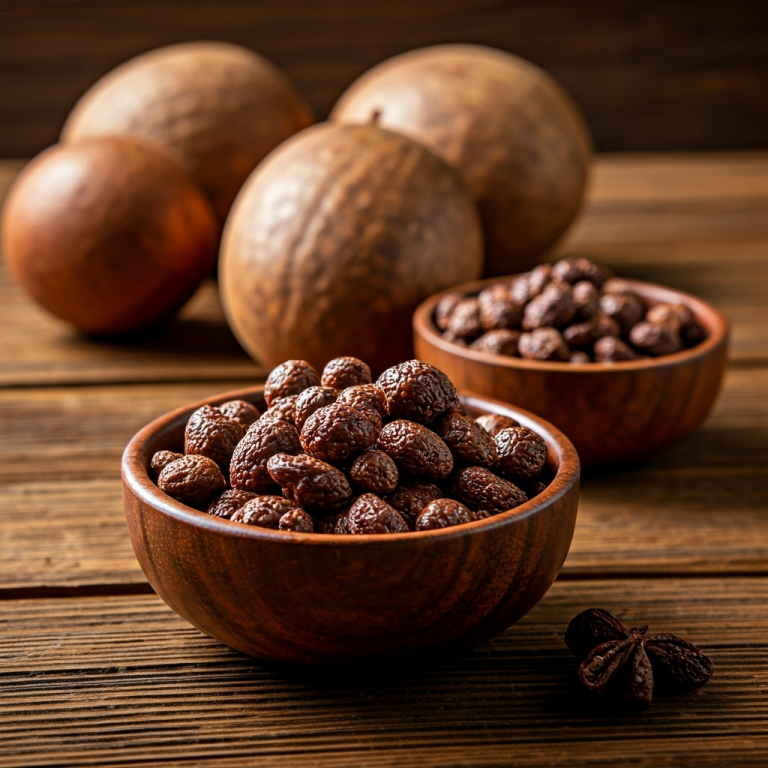
Before diving into the comparisons, let’s establish a baseline. The process begins with the Oil Palm Fruit Bunch. From its fruit, mills extract Crude Palm Oil, which is then refined and fractionated. Fractionation separates the liquid part (olein) from the solid part (stearin). This palm olein is prized for its excellent stability during frying and its neutral taste. The fruit’s seed, the Palm Kernel, is also processed to create valuable products like Palm Kernel Oil, with byproducts including Palm Kernel Expeller for animal feed and Palm Kernel Shell for biofuel.
Its balanced fatty acid composition and rich antioxidant content, including tocotrienols, contribute to its popularity. According to the Malaysian Palm Oil Council, its properties make it a staple ingredient in everything from instant noodles and baked goods to everyday cooking and frying.
[IMAGE SUGGESTION: A high-quality photo of clear, golden cooking oil being poured from a bottle into a wok or pan.]
Image Alt Text: A bottle of the best palm olein, a clear golden cooking oil, being poured.
Understanding the “CP” Numbers: CP6, CP8, and CP10 Explained
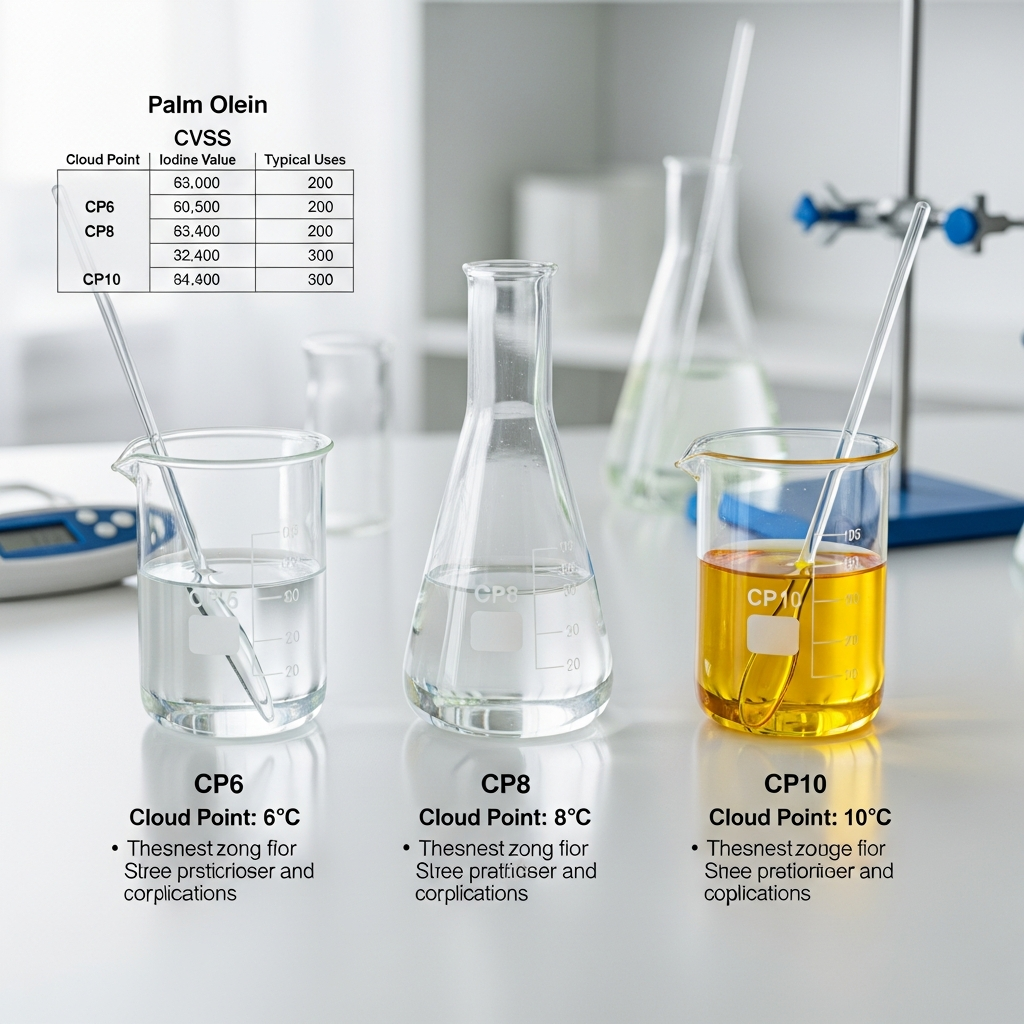
The term “CP” stands for Cloud Point. This is the single most important factor when choosing the best palm olein. The Cloud Point is the temperature at which the oil begins to turn cloudy and solidify as it cools. A lower CP number means the oil will remain liquid at colder temperatures.
What is CP6 Palm Olein?
CP6, or Super Olein, has a cloud point of 6°C (42.8°F). This is the most refined and winterized grade. Because it stays liquid even in cooler conditions, it’s considered a premium product for specific applications.
- Characteristics: Very low cloud point, highest clarity in temperate climates.
- Best For: Salad dressings, mayonnaise, high-end frying, and for use in countries with cooler climates where other oils would solidify.
What is CP8 Palm Olein?
With a cloud point of 8°C (46.4°F), CP8 palm olein offers a great balance between performance and cost. It’s more resistant to cold than CP10 but more cost-effective than CP6, making it a versatile middle ground.
- Characteristics: Good liquidity in moderate temperatures, stable for frying.
- Best For: General-purpose cooking and frying, industrial food production, and export to regions with mild winters.
What is CP10 Palm Olein?
CP10 is the most common and widely traded grade of palm olein, with a cloud point of 10°C (50°F). It is the least winterized, meaning it will cloud up faster in cool temperatures. However, its stability at high heat is excellent.
- Characteristics: Most cost-effective, highly stable for deep frying, but solidifies easily in cool environments.
- Best For: Heavy-duty industrial frying (e.g., chips, instant noodles), margarine production, and use in tropical climates.
Choosing the Best Palm Olein: An Ultimate CP6 vs. CP8 vs. CP10 Comparison
To find the best palm olein for your situation, a side-by-side comparison is essential. This table highlights the key differences at a glance.
| Feature | CP6 (Super Olein) | CP8 | CP10 |
|---|---|---|---|
| Cloud Point | 6°C | 8°C | 10°C |
| Performance in Cold | Excellent (Stays liquid) | Good | Poor (Solidifies quickly) |
| Frying Stability | Very Good | Excellent | Excellent |
| Common Applications | Salad oils, bottling | General frying, retail | Industrial frying, shortenings |
| Relative Cost | Highest | Medium | Lowest |
Practical Applications: Which Palm Olein is Best For…?
Theory is one thing, but practical application is what matters. Let’s explore which grade is the best palm olein for different scenarios.
Best Palm Olein for Home Cooking
For most households, especially those in warmer climates, CP10 is perfectly suitable and budget-friendly for deep frying and general cooking. If you live in a region with cooler seasons, CP8 is a safer bet to prevent your cooking oil from solidifying in the pantry.
Best Palm Olein for Food Manufacturing
The choice here is critical. A snack food company mass-producing potato chips will likely prefer CP10 for its high heat stability and low cost. Conversely, a company producing bottled salad dressings for a market in Europe would need CP6 to ensure the product remains clear and liquid on store shelves. The Journal of Food Science and Technology often details studies on oil stability in processed foods, highlighting the importance of this choice.
Best Palm Olein for Export and Different Climates
Exporters must match the cloud point to the destination climate. Shipping CP10 to a cold country like Canada in the winter would result in a solid, unusable product upon arrival. For such markets, CP6 is the only viable option. This logistical consideration is paramount in the global trade of palm olein.
[IMAGE SUGGESTION: An infographic comparing the key features of CP6, CP8, and CP10 side-by-side with icons for temperature, application (frying pan, salad bottle), and cost.]
Health and Sustainability Considerations
Regardless of the grade, palm olein’s nutritional profile remains similar. It is free of trans fats and provides a balanced ratio of saturated and unsaturated fats. The World Health Organization advises moderating intake of all fats, and palm oil can be part of a healthy diet when consumed appropriately.
More importantly, the environmental impact of palm oil production is a significant concern. To make a responsible choice, always look for products with RSPO (Roundtable on Sustainable Palm Oil) certification. The RSPO works to ensure that palm oil is produced without causing deforestation or harming communities. Choosing certified sustainable products is key to being an ethical consumer.
Conclusion: The Final Verdict on the Best Palm Olein
Ultimately, there is no single “best palm olein” for everyone. The right choice is entirely dependent on your specific needs—a concept known as “fit for purpose.”
If you need an oil that stays liquid in the cold for dressings or for sale in temperate climates, CP6 is your premium choice. If you’re looking for a versatile, all-around performer for general cooking and industrial use, CP8 is an excellent middle ground. And if your primary need is a cost-effective, highly stable oil for deep frying in a warm climate, CP10 is the undisputed champion.
By understanding the simple difference in Cloud Point, you can now confidently select the best palm olein for your kitchen, factory, or market, ensuring optimal performance and quality every time.
Your Trusted Palm Olein Supplier
Looking for High-Quality Palm Products?
Makmur Amanah Sejahtera provides high-quality palm products such as Palm Kernel Expeller, Palm Kernel Shell, Crude Palm Oil, Palm Kernel Oil, etc. Kindly contact us at WhatsApp +6282140002198 or email us at admin@makmuramanah.co.id.
 English
  Indonesian
  Chinese
  Arabic