
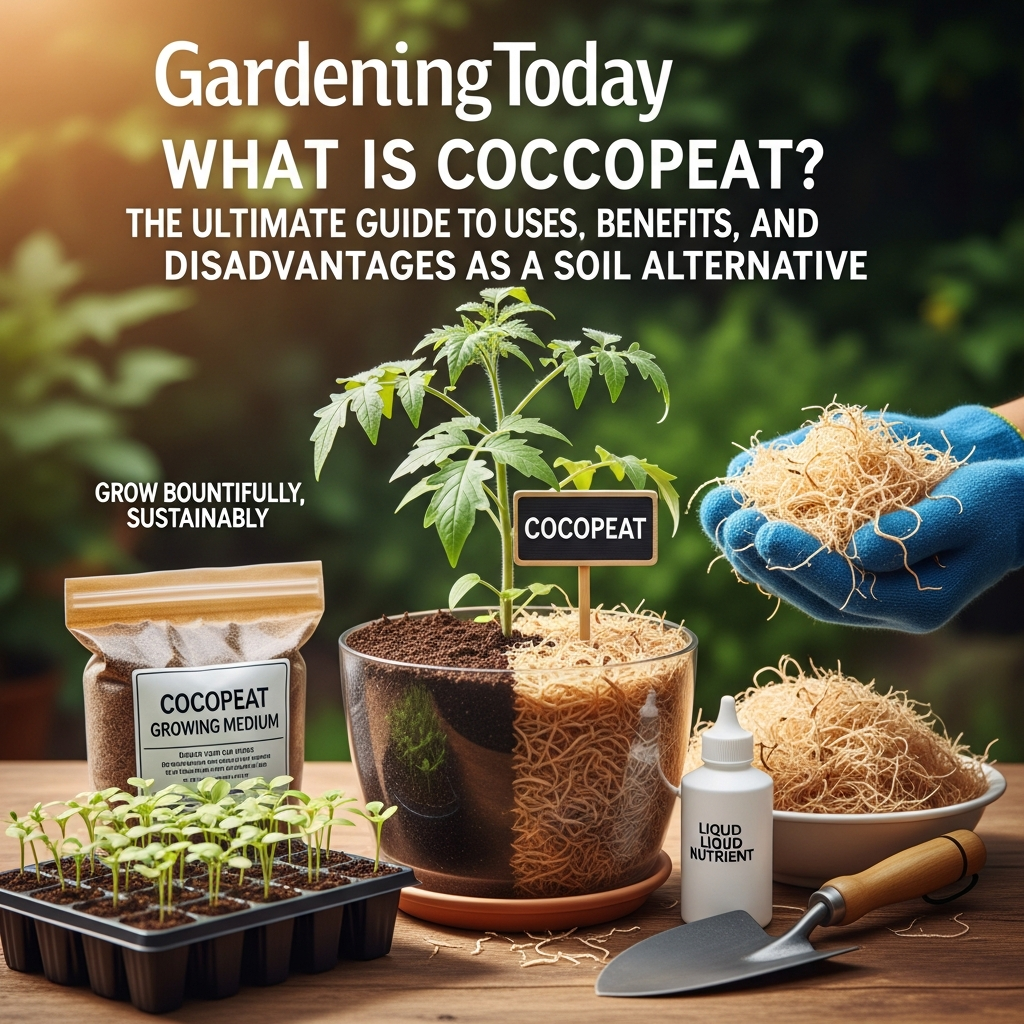
Cocopeat is the game-changing, sustainable growing medium that every modern gardener needs to understand for thriving plants in 2026. If you are struggling with poor soil aeration, water retention issues, or simply want an eco-friendly alternative to peat moss, this material is your solution.
In this comprehensive guide, we reveal why cocopeat has become the gold standard in horticulture. From its incredible water-holding capacity to its versatility in hydroponics, we cover everything you need to know to maximize your yields. Whether you are a commercial grower or a home enthusiast, mastering this substrate is key to future-proofing your garden.
What is Cocopeat?
Cocopeat, also widely known as coir pith, coir dust, or coconut fiber dust, is a natural, fibrous byproduct derived from the husks of coconuts. Once considered waste during the extraction of long coconut fibers for ropes and mats, it is now processed into one of the world’s most effective growing media.
Unlike traditional soil, premium cocopeat is a soilless substrate. It serves as a multi-purpose soil conditioner, growing medium, and sustainable alternative to mined peat moss. Its sponge-like structure allows it to absorb large amounts of water while maintaining essential porosity for root breathing.
According to a study published in the Journal of Scientia Horticulturae, coir dust exhibits superior physical properties for plant growth compared to many synthetic alternatives, making it a cornerstone of modern sustainable agriculture.
How is Cocopeat Made?
The production process is fascinating and eco-centric. Coconut husks are soaked (retted) to soften the fibers. The husks are then processed to separate the long fibers (coir) from the pithy dust (cocopeat). This dust is washed to lower salt levels, dried, and often compressed into bricks or blocks for easy transport. This process transforms a waste product into a valuable resource, similar to how Palm Kernel Shell is repurposed for biomass energy and drainage applications.
The Three Main Types of Coco Coir
Understanding the texture of coir is crucial for blending the perfect soil mix. Most commercial products are a blend of three types:
- Coco Pith (Peat): The fine, dust-like material that resembles peat moss. It holds the most water but needs aeration additives.
- Coco Fibers: Stringy strands that add structure to the medium. They allow oxygen to penetrate deep into the root zone.
- Coco Chips: Small chunks of coconut husk. These act like organic perlite, creating large air pockets and preventing compaction.
11 Ultimate Uses for Cocopeat in 2026
While most know it as a soil additive, the versatility of cocopeat extends far beyond basic gardening. Here are 11 ways to utilize this miracle material:
- Seed Starting Mix: Its fine texture and sterility make it perfect for delicate seedlings, preventing damping-off disease.
- Hydroponic Substrate: Used extensively in drip irrigation hydroponics for tomatoes, cucumbers, and peppers due to its controllable EC levels.
- Potting Soil Amendment: Mix with compost and perlite to create a light, fluffy potting mix that resists compaction.
- Worm Bedding: Vermicomposters use it as bedding because it holds moisture well and is pH neutral, keeping worms happy.
- Reptile Bedding: It maintains humidity in terrariums and is safe for reptiles to burrow in.
- Mushroom Farming: An excellent substrate for growing various mushroom species when pasteurized.
- Clay Soil Conditioner: Tilling it into heavy clay soil breaks up the earth, improving drainage and root penetration.
- Sandy Soil Retainer: Conversely, adding it to sandy soil helps retain water and nutrients that would otherwise wash away.
- Vertical Gardening: Its lightweight nature makes it ideal for wall gardens where heavy soil would strain the structure.
- Oil Absorbent: Its high absorption capacity makes it useful for cleaning up oil spills in garages or industrial settings.
- Animal Bedding: Just as Palm Kernel Expeller serves the livestock industry as feed, coir serves as superior, absorbent bedding for horses and livestock, reducing odors.
11 Proven Benefits of Using Cocopeat
Why are expert growers switching to this medium? Here are the top benefits that drive its popularity in 2026:
- Superior Water Retention: It can hold 8–9 times its weight in water, reducing irrigation frequency significantly.
- Excellent Aeration: The porous texture ensures oxygen reaches the root zone, preventing root rot even when moist.
- 100% Organic & Renewable: Unlike peat moss, which takes centuries to replenish, coconuts are an annually renewable crop.
- Neutral pH: Generally ranges between 5.8 and 6.8, ideal for most plants without needing heavy liming.
- Fungal Resistance: Naturally resistant to bacterial and fungal growth, protecting young plants.
- Slow Decomposition: It degrades slowly, providing soil structure for up to 5 years.
- Easy to Rehydrate: Compressed bricks expand quickly when warm water is added.
- Nutrient Retention: High Cation Exchange Capacity (CEC) helps hold nutrients available for roots.
- Versatility: As listed above, it adapts to dozens of agricultural and industrial uses.
- Cost-Effective: Lightweight shipping reduces carbon footprint and delivery costs.
- Eco-Friendly Disposal: Used coir can be composted or used as a soil amendment in garden beds, zero waste.
Cocopeat vs. Peat Moss: The Ultimate Comparison
Many gardeners confuse these two, but the environmental impact and performance differ significantly. Research from the Oregon State University Extension suggests coir is a more sustainable alternative. Below is a comparison to help you choose.
| Feature | Cocopeat (Coir) | Peat Moss |
|---|---|---|
| Source | Coconut husks (Renewable) | Sphagnum bogs (Non-renewable) |
| pH Level | Neutral (5.8 – 6.8) | Acidic (3.5 – 4.5) |
| Water Hydrophobicity | Absorbs water easily even when dry | Repels water when dry (hydrophobic) |
| Sustainability | High (Waste byproduct) | Low (Destroys wetlands) |
| Lifespan | Lasts up to 5 years | Decomposes faster (1–2 years) |
For environmentally conscious growers, the choice is clear. While peat moss mining releases carbon dioxide, using coir utilizes a waste product from the coconut industry, much like how Copra Meal utilizes the leftovers of coconut oil extraction for animal feed.
Disadvantages of Cocopeat (and How to Fix Them)
While powerful, cocopeat is not without challenges. Being aware of these ensures you avoid common pitfalls.
1. High Salt Content
Low-quality coir can contain high levels of sodium and potassium because coconuts often grow in saline coastal soils. This can lock out Magnesium and Calcium.
Solution: Always buy “washed” or “buffered” coir. If you have unwashed coir, flush it thoroughly with fresh water before use. High-quality suppliers ensure low Electrical Conductivity (EC) levels.
2. Nutrient Locking
Because of its cation exchange properties, untreated coir can absorb Calcium and Magnesium, making them unavailable to plants.
Solution: Use a Cal-Mag supplement or buffer the coir with calcium nitrate before planting. This is standard practice in professional hydroponics.
How to Use Cocopeat Effectively
Ready to start growing? Follow these steps for the best results.
- Rehydrate the Block: Place your compressed brick in a large container. Add warm water to speed up expansion. A 5kg block can yield up to 75 liters of fluffy medium.
- Fluff and Rinse: Break apart any clumps. If the product isn’t pre-washed, rinse it until the runoff water runs clear to remove excess salts.
- Mix for Potting Soil: A classic recipe is 40% cocopeat, 30% compost/worm castings, and 30% perlite/vermiculite. This creates a perfect balance of retention and drainage.
- Hydroponics: For hydroponic systems, you can use 100% coir or a 70/30 mix of coir and perlite.
Frequently Asked Questions
Is cocopeat good for all plants?
Yes, it is excellent for most plants, including vegetables, flowers, and ornamentals. However, succulents and cacti may require a mix with more grit (like perlite, pumice, or Palm Kernel Shell fragments) to ensure the medium doesn’t stay too moist.
Does cocopeat have nutrients?
In its raw form, it has very little nutritional value. It acts as a structural holder for water and air. You must add fertilizers or compost to provide food for your plants.
How long does cocopeat last in soil?
It is highly durable and resists compaction. It can remain effective in soil mixes for 3 to 5 years before decomposing fully, making it a long-term investment for garden beds.
Can I reuse cocopeat?
Absolutely. If the previous plants were healthy, you can wash, sterilize, and reuse the medium. Enzymes can be used to break down old root matter before replanting.
Where can I buy high-quality cocopeat?
You can purchase premium grades from specialized agricultural suppliers. Always look for low-EC (low salt) specifications to ensure plant safety.
Conclusion
In 2026, cocopeat stands as the ultimate sustainable alternative to traditional soil amendments. Its ability to retain moisture, provide aeration, and support robust root growth makes it indispensable for both hobby gardeners and commercial growers.
By choosing this eco-friendly substrate, you not only improve your garden’s health but also contribute to a greener planet. Whether you are mixing your own potting soil or setting up a high-tech hydroponic system, incorporating cocopeat is a proven strategy for success.
Makmur Amanah Sejahtera provides high-quality palm products such as Palm Kernel Expeller, Palm Kernel Shell, Crude Palm Oil, Palm Kernel Oil, etc. Kindly contact us at WhatsApp +6282140002198 or email us at admin@makmuramanah.co.id.
 English
  Indonesian
  Chinese
  Arabic