
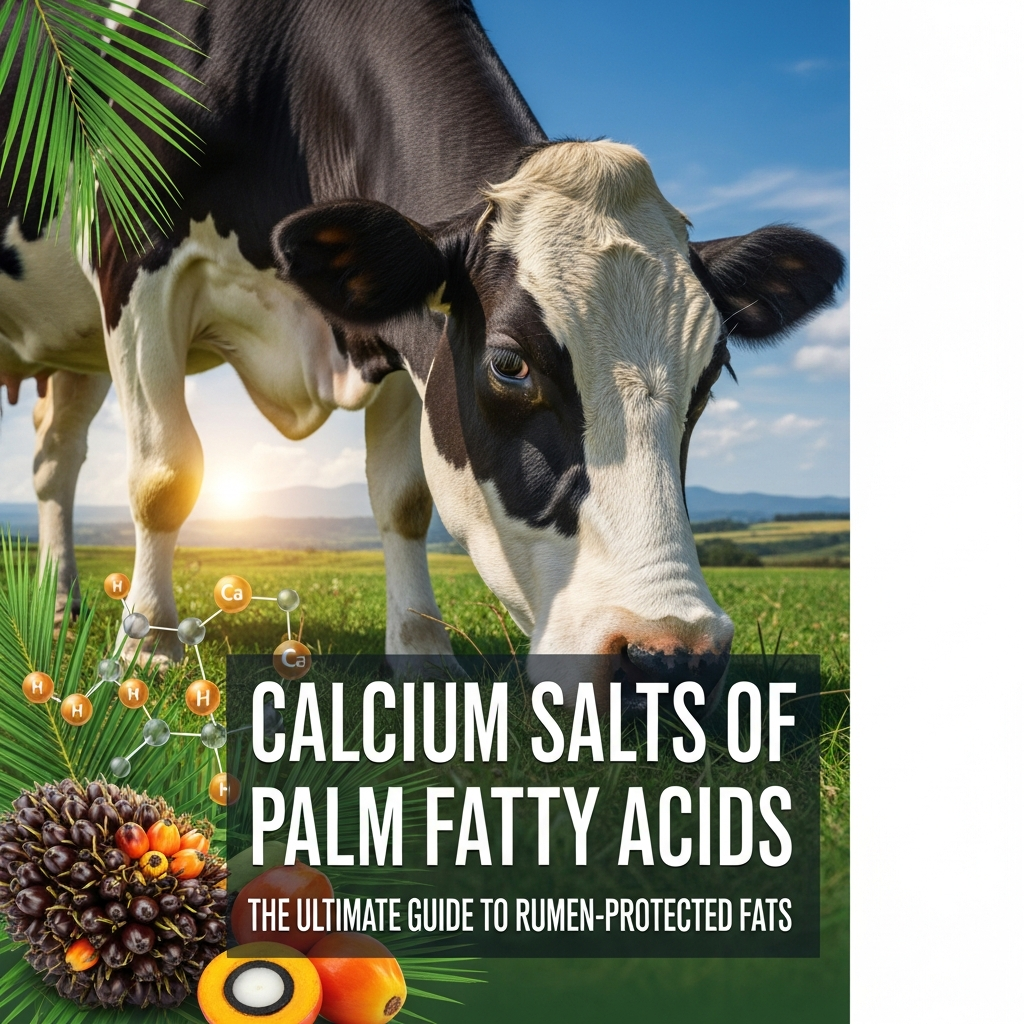
Calcium Salts of Palm Fatty Acids: 7 Expert Benefits (2026)
Using Calcium Salts of Palm Fatty Acids to maximize dairy herd performance is one of the most effective nutritional strategies available in the modern agricultural landscape. For dairy farmers, nutritionists, and feed mill managers facing the perennial challenge of negative energy balance in high-producing cows, these rumen-protected fats offer a scientifically proven solution. As we move into 2026, the pressure to increase milk yield while maintaining herd health has never been higher. This comprehensive guide will explore why this specific feed supplement is the gold standard for dairy nutrition.
In the competitive world of dairy production, energy density is king. Recent industry data indicates that nearly 60% of high-yielding cows suffer from energy deficits during early lactation, leading to reduced milk yield, compromised fertility, and metabolic disorders. By incorporating high-quality bypass fats, producers can bridge this gap significantly. This article delves deep into the mechanics, benefits, and application of Calcium Salts of Palm Fatty Acids, ensuring your herd achieves peak productivity and profitability.
What Are Calcium Salts of Palm Fatty Acids?
To understand the immense value of this supplement, we must first define its chemical nature and production process. Calcium Salts of Palm Fatty Acids are a specific form of rumen-protected fat created through a manufacturing process called saponification. In this chemical reaction, palm fatty acids—often derived from Palm Fatty Acid Distillate (PFAD)—are combined with calcium ions to form a calcium soap. This unique structure is critical because it renders the fat insoluble in the rumen’s neutral pH environment (typically 6.0–6.8).
Unlike native oils or tallow, which can coat fiber particles and inhibit the microbial fermentation necessary for digestion, these calcium salts pass through the rumen unchanged, a property known as being “rumen inert.” Once they reach the acidic environment of the abomasum (where pH drops below 3.0), the calcium bond dissociates. This allows the fatty acids to be absorbed efficiently in the small intestine. This “bypass” mechanism is what makes Calcium Salts of Palm Fatty Acids an essential tool for modern dairy nutrition, providing energy exactly where it is needed without disrupting the rumen.

The Saponification Process Explained
The production of high-quality calcium salts involves precise temperature and pressure controls to ensure a complete reaction between the fatty acids and calcium sources (usually calcium oxide or calcium hydroxide). Calcium Salts of Palm Oil Fatty Acids are typically produced as dry, free-flowing granules. This physical form is crucial for easy handling and mixing into Total Mixed Rations (TMR). The quality of the saponification determines the bioavailability of the fat; poor processing can lead to lower digestibility or unpleasant odors that reduce feed intake.
7 Expert Benefits of Calcium Salts of Palm Fatty Acids
Incorporating Calcium Salts of Palm Fatty Acids into your feeding regimen delivers measurable, economic results. While generic fats provide calories, calcium salts provide targeted nutrition. Here are the top benefits supported by extensive research and field application:
1. Significant Increase in Milk Yield
The primary driver for using bypass fats is energy density. A pivotal study published in the Journal of Dairy Science demonstrated that cows supplemented with calcium salts produced 1.5 to 2.5 kg more milk per day compared to control groups. The high energy density of fat—roughly 2.25 times that of carbohydrates—ensures that cows have the fuel required for lactation without the risk of rumen acidosis associated with high-starch diets.
2. Improved Fertility and Reproduction
Energy balance is directly linked to reproductive hormones. Cows in severe negative energy balance often experience delayed ovulation, “silent heats,” and lower conception rates. By minimizing body weight loss in early lactation, Calcium Salts of Palm Fatty Acids help maintain higher levels of progesterone and other reproductive hormones. This leads to shorter calving intervals and improved pregnancy rates, which are vital for the long-term profitability of any dairy operation.
3. Enhanced Body Condition Score (BCS)
Maintaining an optimal Body Condition Score is vital for cow longevity. Rumen-protected fats provide a dense calorie source that helps cows recover from the physiological stress of calving. This prevents excessive mobilization of body fat reserves, significantly reducing the risk of metabolic disorders like ketosis and fatty liver syndrome. A cow that maintains her weight peaks sooner and persists longer in lactation.
4. Higher Butterfat Content
While some unsaturated fats can depress milk fat by altering rumen fermentation, Calcium Salts of Palm Fatty Acids—specifically those high in palmitic acid (C16:0)—are known to boost butterfat percentages. This is particularly crucial for dairy producers who are paid on a milk solids basis. The specific fatty acid profile of palm-based salts supports de novo fatty acid synthesis in the mammary gland, directly impacting the bottom line.
5. Better Fiber Digestion
Because these fats are “rumen inert,” they do not interfere with the microbial population responsible for digesting fiber. Unlike unprotected oils (such as soybean or corn oil) that can coat hay and silage, preventing bacteria from breaking them down, calcium salts ensure that the rumen environment remains healthy and efficient. This allows farmers to feed high-energy diets without sacrificing fiber digestibility.
6. Reduced Heat Stress
Digesting fiber generates significant metabolic heat, known as the “heat increment” of feeding. The digestion of fats, however, generates very little internal heat. In hot climates or during summer months, replacing a portion of fermentable carbohydrates with bypass fats helps cows maintain their energy intake without overheating. This thermal efficiency helps maintain milk production even when ambient temperatures rise.
7. Palatability and Ease of Use
Modern manufacturing processes have vastly improved the palatability of calcium salts. Their granular form mixes exceptionally well with other feed ingredients, such as Palm Kernel Expeller or corn silage, ensuring consistent intake and preventing sorting by the animals. Consistent intake is key to stable rumen pH and predictable performance.

Nutritional Profile and Fatty Acid Composition
Not all fats are created equal. The effectiveness of Calcium Salts of Palm Fatty Acids lies in their specific fatty acid profile. Typically, high-quality calcium salts will have a profile dominated by Palmitic Acid and Oleic Acid.
- Crude Fat: Minimum 84%
- Calcium (Ca): 8.0% – 10.0%
- Moisture: Maximum 3.5%
- Palmitic Acid (C16:0): ~45-50% (Supports milk fat)
- Oleic Acid (C18:1): ~35-40% (Supports body condition and digestibility)
This balanced profile makes them superior to single-acid supplements for general herd health, as it addresses both the need for milk fat (C16:0) and body tissue maintenance (C18:1).
Comparison: Calcium Salts vs. Hydrogenated Fats
When selecting a rumen-protected fat, producers often choose between calcium salts and hydrogenated (saturated) triglycerides. Understanding the difference is key to maximizing ROI. While refining processes for oils like RBD CP8 focus on purity for human consumption, feed fats focus on digestibility and bypass capability.
| Feature | Calcium Salts of Palm Fatty Acids | Hydrogenated Fats (Triglycerides) |
|---|---|---|
| Digestibility | High (approx. 96%) | Variable (depends on saturation) |
| Source | Palm Fatty Acid Distillate (PFAD) | Palm Stearin / Tallow |
| Rumen Inertness | Excellent (pH dependent) | Good (High melting point) |
| Key Fatty Acids | Oleic (C18:1) & Palmitic (C16:0) | Mostly Palmitic & Stearic (C18:0) |
| Best Use | Early Lactation / Fertility / Volume | Late Lactation / Specific Butterfat correction |
While hydrogenated fats are effective, the unique fatty acid profile of Calcium Salts of Palm Fatty Acids—containing a blend of palmitic and oleic acids—often makes them superior for supporting both milk volume and body condition in early lactation. The digestibility of calcium salts is consistently high because the fatty acids are readily available once they dissociate in the abomasum.
Proper Dosage and Implementation Strategies
Implementing Calcium Salts of Palm Fatty Acids requires a strategic approach. Overfeeding can lead to reduced Dry Matter Intake (DMI), while underfeeding fails to provide the desired benefits. It is essential to balance the fat source with adequate fiber and protein sources, such as Copra Meal or soybean meal, to optimize the rumen environment.
Recommended Feeding Rates
- Low Production Cows: 200–300 grams per head per day.
- Medium Production Cows: 300–500 grams per head per day.
- High Yield / Early Lactation: 500–800 grams per head per day.
It is generally recommended not to exceed 1.0 kg per cow per day or 5-6% of the total ration dry matter. Always introduce new supplements gradually over 7 to 10 days to allow the rumen microbes and the cow’s palate to adjust. Consulting with a nutritionist who understands the NRC nutrient requirements is advisable to balance the ration correctly. Furthermore, ensure that the TMR mix is homogenous to prevent sorting; using fibrous byproducts like Cocopeat as bedding ensures that the cows remain comfortable and clean, which indirectly supports health and intake, although cocopeat itself is not a feed ingredient.

Sustainability and Sourcing
The global demand for palm-based products continues to grow, raising questions about sustainability. Leading manufacturers are now prioritizing RSPO (Roundtable on Sustainable Palm Oil) certified sources. By utilizing Palm Fatty Acid Distillate (PFAD), a byproduct of the oil refining process, the production of calcium salts adds value to the supply chain without requiring additional land clearing.
Furthermore, the palm industry is increasingly adopting circular economy models. For instance, utilizing byproducts like Palm Kernel Shell for renewable energy in processing plants reduces reliance on fossil fuels. This approach ensures that the dairy industry can boost productivity with Calcium Salts of Palm Fatty Acids while minimizing its environmental footprint. Sourcing from reputable suppliers who value transparency is key to maintaining a sustainable supply chain.

Makmur Amanah Sejahtera provides high-quality palm products such as Palm Kernel Expeller, Palm Kernel Shell, Crude Palm Oil, Palm Kernel Oil, etc. Kindly contact us at WhatsApp +6282140002198 or email us at admin@makmuramanah.co.id.
Frequently Asked Questions
How do Calcium Salts of Palm Fatty Acids differ from regular fats?
Regular fats can coat rumen fiber and kill beneficial bacteria, leading to digestion issues. Calcium Salts of Palm Fatty Acids are chemically modified (saponified) to remain solid and inert in the rumen, ensuring they bypass digestion until they reach the abomasum where they are safely absorbed as energy.
Are calcium salts safe for all stages of lactation?
Yes, they are safe, but they are most beneficial during early lactation (the first 100 days) when the cow’s energy demand for milk production exceeds her energy intake from feed. They help minimize body weight loss and support rapid return to estrus.
What is the typical shelf life of these calcium salts?
When stored in a cool, dry place away from direct sunlight, high-quality calcium salts typically have a shelf life of 12 to 24 months. Their dry, granular form makes them stable and resistant to oxidation compared to liquid oils.
Can I mix calcium salts with other feed supplements?
Absolutely. They are designed to be mixed into Total Mixed Rations (TMR) alongside protein sources like soybean meal, mineral premixes, and other energy sources. Refer to resources like Penn State Extension for detailed rationing advice.
Conclusion
As we look toward the future of dairy farming in 2026, efficiency remains the ultimate goal. The strategic use of Calcium Salts of Palm Fatty Acids offers a scientifically robust method to enhance milk yield, improve fertility, and maintain herd health. By providing a dense, rumen-inert energy source, you empower your cows to perform at their genetic potential.
Whether you are managing a small family farm or a large commercial operation, the inclusion of these bypass fats is an investment that pays dividends. Prioritize high-quality sources, monitor your herd’s response, and consult with nutritional experts to fine-tune your approach. The data is clear: investing in rumen-protected fats is investing in the future of your herd.

 English
  Indonesian
  Chinese
  Arabic