
Copra Cake Guide: #1 Feed for Nutrition & Growth (2026)
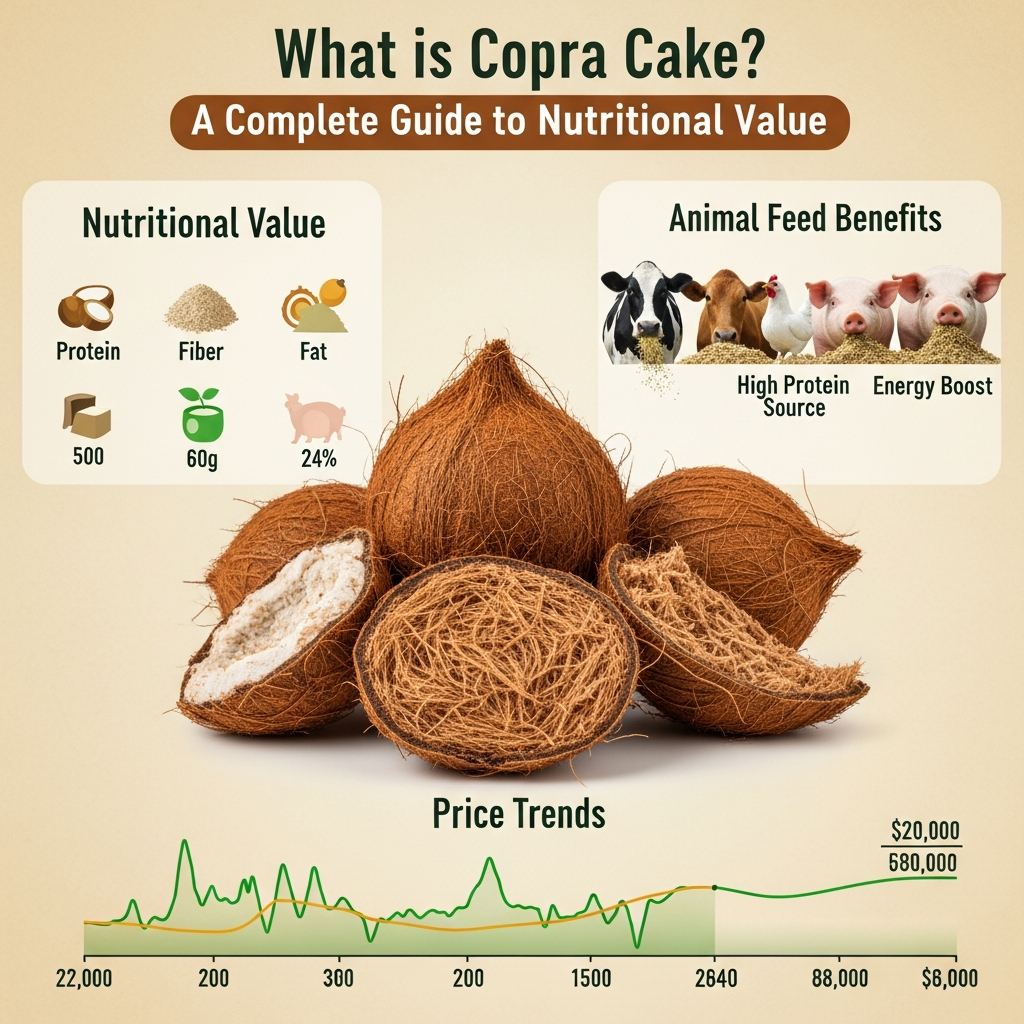
Copra cake is the high-protein, energy-rich byproduct obtained after extracting oil from dried coconut meat, serving as a cornerstone of modern livestock nutrition. In the volatile agricultural market of 2026, finding a feed ingredient that balances cost-efficiency with superior nutritional profiles is the biggest challenge for farmers and feed manufacturers.
This comprehensive guide reveals how this coconut byproduct can revolutionize your animal feed strategy, improve herd health, and optimize your operational costs. While many producers struggle with rising soybean prices, savvy nutritionists are turning to coconut-based alternatives. With a global shift towards sustainable agriculture, utilizing byproducts like copra cake not only reduces waste but also provides high-quality bypass protein for ruminants.
In fact, recent industry data suggests that incorporating just 15-20% of this ingredient into cattle rations can significantly boost milk fat production. As dairy farmers seek ways to maximize output without compromising animal welfare, understanding the full potential of coconut byproducts becomes essential.
What is Copra Cake? Understanding the Basics
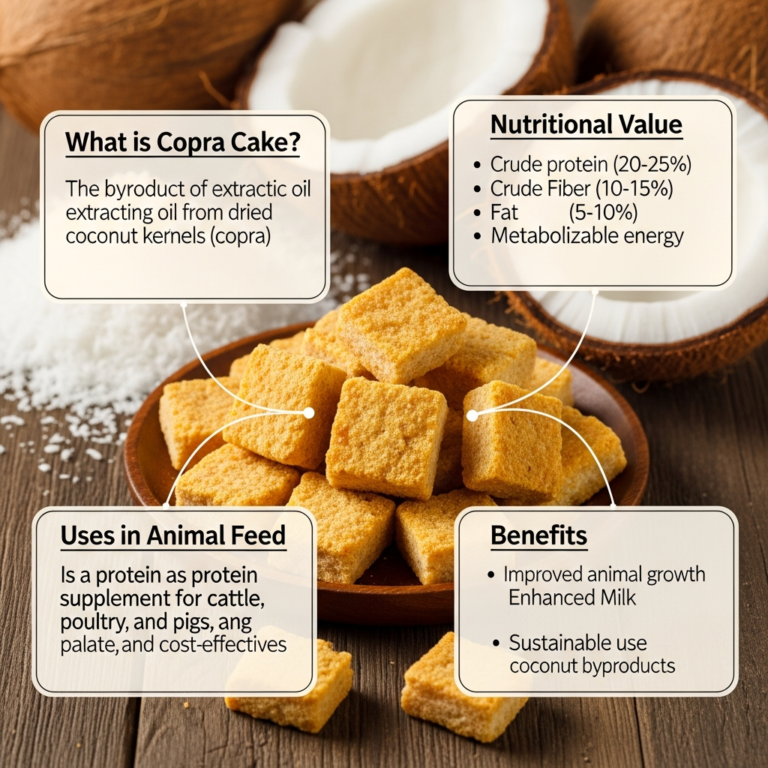
Copra cake, often referred to interchangeably as copra meal depending on the processing method, is the solid residue remaining after coconut oil is extracted from copra (dried coconut kernels). It is mechanically expelled, resulting in a product rich in fiber, protein, and residual oil.
The production process determines the final nutritional quality. Typically, the coconut meat is dried to a moisture content of roughly 6% before being pressed. The resulting cake is brown, has a sweet, nutty aroma that animals love, and is packed with nutrients essential for growth. Unlike solvent-extracted meals, mechanically expelled cakes retain a higher oil content, providing valuable energy density.
Distinction from Other Byproducts
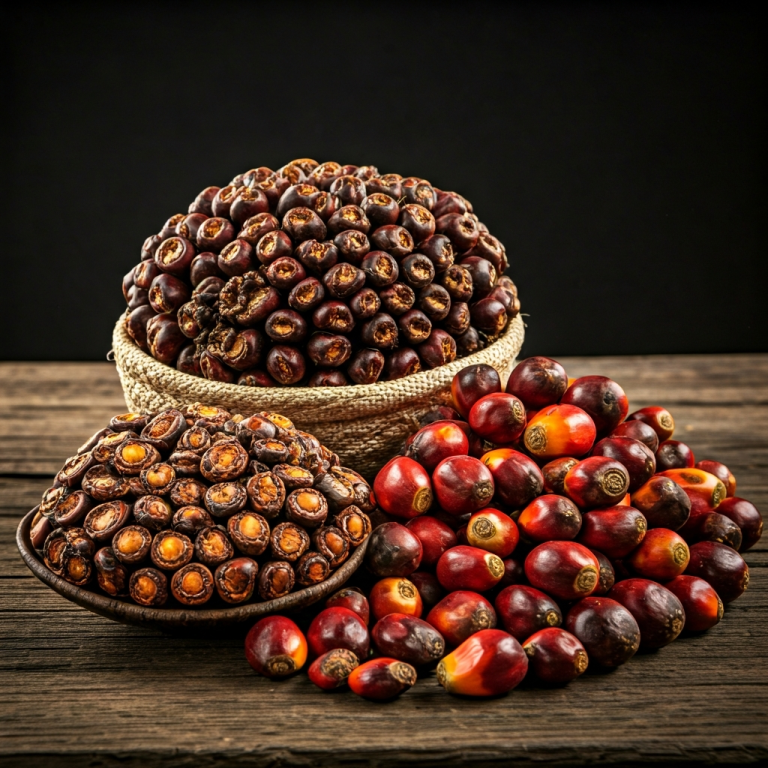
It is distinct from other palm byproducts. While Palm Kernel Expeller comes from the oil palm fruit, copra cake is derived strictly from the coconut palm (Cocos nucifera). Understanding this distinction is vital for formulating balanced diets, as their amino acid profiles and energy densities differ significantly.
Nutritional Value of Copra Cake: A 2026 Analysis
The nutritional profile of copra cake makes it a unique ingredient in animal feed formulations. It is particularly valued for its energy content derived from residual coconut oil and its high fiber levels. This combination makes it an ideal supplement for ruminants that require both protein and digestible energy.
Below is a typical nutritional breakdown for high-quality export-grade cake compared to standard industry averages:
| Parameter | Average Value | Benefit |
|---|---|---|
| Crude Protein | 20% – 22% | Supports muscle growth and tissue repair. |
| Crude Fat (Oil) | 8% – 12% | High energy source; boosts milk fat in dairy cows. |
| Crude Fiber | 12% – 14% | Promotes healthy digestion in ruminants. |
| Moisture | Max 10% | Ensures shelf stability and prevents mold. |
| Total Digestible Nutrients | ~75% | High digestibility efficiency. |
Protein Quality and Amino Acid Profile
One of the standout features is its protein quality. While it has lower lysine content compared to soybean meal, it is an excellent source of bypass protein (Rumen Undegradable Protein). This allows amino acids to be absorbed directly in the small intestine, maximizing growth efficiency in cattle. For balanced nutrition, it is often paired with lysine-rich supplements or forage.
Energy Density Benefits
The high residual oil content provides a significant caloric boost. According to research published in the Journal of Dairy Science, medium-chain fatty acids like lauric acid found in coconut oil improve rumen fermentation efficiency. This energy density is crucial for high-yielding dairy cows during early lactation when energy demands peak.
7 Proven Benefits of Copra Cake for Livestock
Integrating copra cake into your feed rations offers multifaceted benefits across different livestock categories. Here is why it remains a top choice in 2026:
1. Enhanced Milk Production in Dairy Cattle
Research has consistently shown that the medium-chain fatty acids (like lauric acid) found in coconut oil residue help increase the fat content of milk. Furthermore, the palatable nature of the cake encourages higher feed intake, which is critical for maintaining body condition scores during lactation.
2. Superior Digestibility
The fiber profile of coconut cake is highly digestible for ruminants. It swells in the stomach, providing a feeling of satiety while slowly releasing nutrients, which helps prevent acidosis compared to high-starch grains. This slow-release energy mechanism supports stable rumen pH levels.
3. Cost-Effective Alternative
With grain prices fluctuating, using copra byproducts helps stabilize feed costs. It serves as a mid-protein substitute, allowing farmers to reduce reliance on expensive soy or corn gluten meal. By diversifying protein sources, producers can insulate themselves from market volatility.
4. High Energy Density
Unlike solvent-extracted Copra Meal which might have lower oil content (1-3%), mechanically extracted cake retains enough oil (8-12%) to act as a significant energy booster without adding extra fat supplements. This makes it an efficient calorie source.
5. Use in Swine and Poultry Diets
While primarily a ruminant feed, it can be used in limited quantities for pigs and poultry. In growing pigs, it produces firm body fat, which is desirable for bacon production. However, amino acid supplementation is recommended to balance the lysine deficiency inherent in coconut protein.
6. Excellent Shelf Life
When properly dried and stored, the cake is resistant to spoilage. Its natural antioxidant properties from the coconut oil help preserve freshness longer than other moist feeds. Proper storage ensures that the feed remains palatable and safe for consumption over extended periods.
7. Sustainable Sourcing
Using agricultural byproducts reduces environmental impact. It transforms what would be waste into high-value protein, aligning with global sustainability goals. This approach is similar to utilizing Cocopeat for horticulture, maximizing every part of the coconut harvest.
Production Safety and Quality Control
Quality control is paramount when selecting a supplier. The primary concern with coconut byproducts is the risk of aflatoxin, a toxin produced by mold if the copra is not dried correctly. Ensuring safety starts at the source with rigorous drying protocols.
Top-tier manufacturers adhere to strict drying protocols to keep moisture levels below 10-12%. This prevents the growth of Aspergillus molds. Additionally, proper storage in cool, dry, and ventilated warehouses is essential to maintain the nutritional integrity of the cake. According to the Feedipedia resource by FAO, regular testing for mycotoxins is a standard industry practice to ensure animal safety. Always ask your supplier for a certificate of analysis.
Price Trends and Market Analysis 2026
In 2026, the market for copra cake has seen interesting shifts. Demand from the dairy sectors in Australia, New Zealand, and South Korea continues to drive exports from major producing nations like Indonesia and the Philippines. As global logistics stabilize, the accessibility of this feed has improved.
While prices fluctuate based on coconut oil production volumes, copra byproducts generally trade at a discount to soybean meal. Current trends indicate a slight price increase due to logistical challenges and increased domestic consumption in producing countries. However, it remains one of the most economical sources of protein and energy combined. For comprehensive market data, referencing reports from the USDA can provide deeper insights into global oilseed trends.
For those looking for specialized energy supplements, comparing the cost per unit of energy against products like Calcium Salts of Palm Oil Fatty Acids can help in fine-tuning ration costs for maximum efficiency.
How to Feed Copra Cake Effectively
To maximize benefits and avoid digestive upsets, follow these guidelines when introducing copra cake to your herd:
- Introduction: Introduce the cake gradually over 7–10 days to allow rumen bacteria to adapt. Sudden changes can cause digestive distress.
- Ration Limits: For dairy cows, limit intake to 2-3 kg per head per day. For beef cattle, it can constitute up to 20-30% of the total ration depending on other fiber sources.
- Water Access: Since the cake absorbs moisture, ensure animals have unlimited access to fresh water to prevent impaction.
- Mineral Balancing: Copra is low in calcium. Ensure your mineral mix compensates for this, or consider using balanced supplements.
Combining copra cake with other fiber sources like Palm Kernel Shell (often utilized in broader agricultural applications) or mixing with silage creates a total mixed ration (TMR) that prevents sorting and ensures consistent nutrient intake.
Makmur Amanah Sejahtera provides high-quality palm products such as Palm Kernel Expeller, Palm Kernel Shell, Crude Palm Oil, Palm Kernel Oil, etc. Kindly contact us at WhatsApp +6282140002198 or email us at admin@makmuramanah.co.id.
Frequently Asked Questions
Is copra cake good for cows?
Yes, copra cake is an excellent feed for cows. It is a potent source of energy and bypass protein, which helps improve body condition scores and increases milk fat percentage in dairy cattle. Its sweet smell also promotes high feed intake.
What is the difference between copra meal and copra cake?
The primary difference lies in the oil extraction method. Copra cake is mechanically expelled and usually contains higher residual oil (8-12%). Copra meal is often solvent-extracted, resulting in very low oil content (1-3%) and higher protein concentration.
Can I feed copra cake to horses?
Yes, it is becoming popular for horses as “cool energy” feed because it is low in starch but high in oil and fiber. It provides sustained energy without the “hot” behavior associated with grain-heavy diets. However, it must be soaked before feeding to prevent choke.
Does copra cake contain aflatoxin?
It can contain aflatoxin if the copra was not dried properly before processing. However, reputable suppliers conduct rigorous testing to ensure levels are within safe limits (usually under 20-50 ppb depending on regulations). Always buy from trusted sources.
How should copra cake be stored?
It should be stored in a cool, dry, and well-ventilated area. Pallets should be used to keep bags off the floor. Proper storage prevents moisture absorption and rancidity of the residual oil, extending its shelf life up to 6 months.
Conclusion
In summary, copra cake stands out as a superior feed ingredient that offers a perfect balance of protein, energy, and fiber. Whether you are managing a high-production dairy herd or fattening beef cattle, integrating this coconut byproduct into your nutrition strategy can lead to better animal health and improved profit margins in 2026.
By choosing high-quality sources and balancing your rations effectively, you mitigate risks and maximize growth. Do not overlook the potential of this versatile feed. Secure your supply today and ensure your livestock get the premium nutrition they deserve.
 English
  Indonesian
  Chinese
  Arabic