
Copra Cake: 7 Ultimate Benefits & Uses Revealed (2026)
Copra cake has rapidly become one of the most sought-after ingredients for animal feed globally in 2026. Livestock farmers continually face the challenge of rising feed costs while struggling to maintain optimal nutrition for their growing herds. Fortunately, incorporating this nutrient-dense byproduct provides a powerful, cost-effective solution.
Furthermore, as the agricultural industry shifts toward sustainable practices, utilizing this resource minimizes waste and actively maximizes overall livestock yield. Recent data indicates that high-quality organic feed can increase dairy milk production by up to 15%. In this comprehensive guide, we will explore its nutritional value, powerful benefits, and expert applications.
What is Copra Cake?
[Image: A close-up shot of rich, textured copra cake stored in a clean agricultural facility. Alt: High-quality organic copra cake ready for animal feed manufacturing. Title: Premium Coconut Meal Feed]
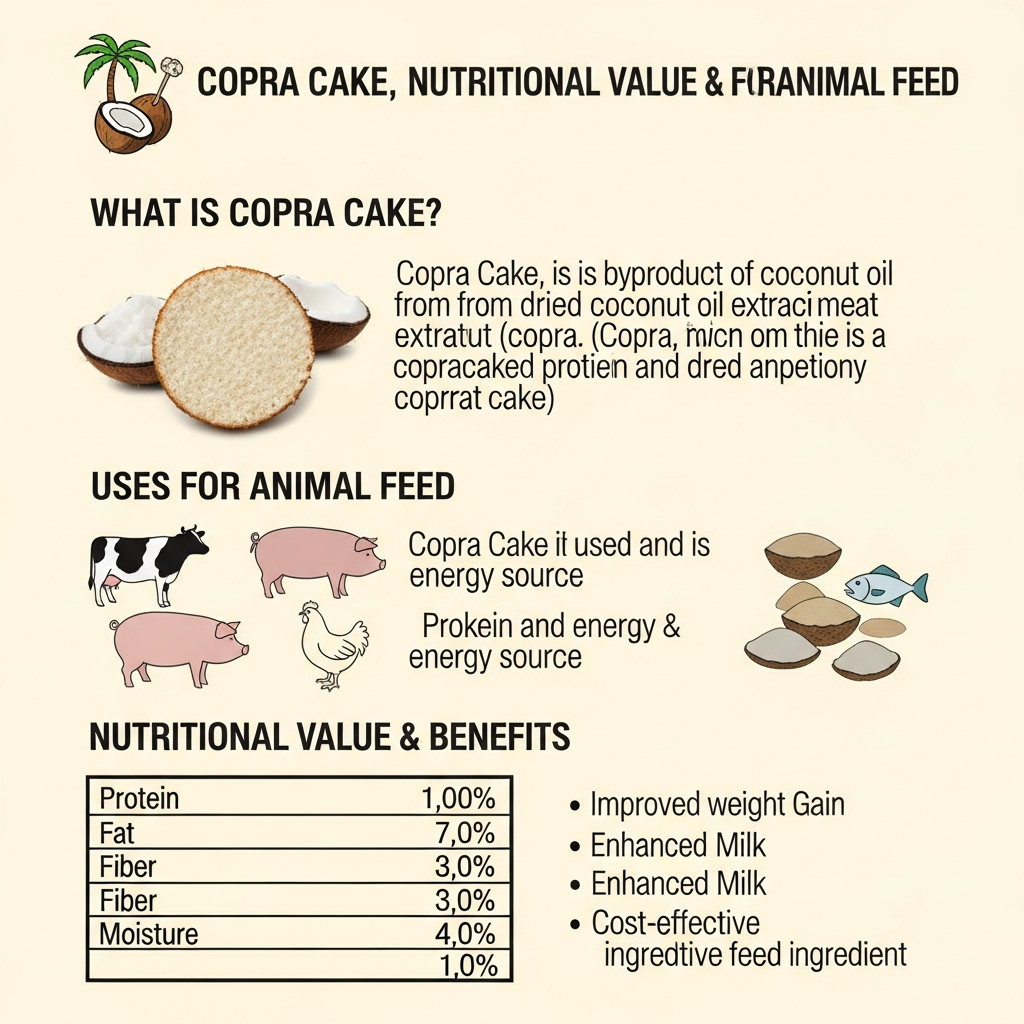
Copra cake, frequently referred to as coconut meal, is a high-protein, energy-rich agricultural byproduct created by mechanically extracting coconut oil from dried coconut meat (copra). This premium organic ingredient is widely utilized in animal feed formulations globally, specifically benefiting ruminants, poultry, and swine.
During the mechanical expeller extraction process, the residual material forms a dense, nutrient-packed cake. Because it is incredibly rich in dietary fiber and residual oils, it serves as a fantastic foundational ingredient for commercial feed manufacturers. The Food and Agriculture Organization (FAO) recognizes coconut byproducts as a critical resource for sustainable, eco-friendly farming.
The Nutritional Value of Copra Cake
Understanding the exact nutritional profile of copra cake is absolutely essential for formulating balanced livestock diets. Industry standards reveal that this ingredient packs an impressive punch of macronutrients and trace minerals. Consequently, it easily replaces more expensive traditional proteins in farm animal diets.
According to research published by Feedipedia, standard expeller-pressed coconut meal offers an outstanding nutritional baseline. The typical composition includes approximately 20-22% crude protein, making it an excellent muscle-building component. Furthermore, it contains roughly 8-12% residual fat, delivering highly concentrated energy for working and lactating animals.
- Crude Protein: 20% – 22%
- Residual Fat (Oil): 8% – 12%
- Crude Fiber: 12% – 15%
- Metabolizable Energy: ~12.5 MJ/kg
- Moisture Content: Maximum 10%
Copra Cake vs. Palm Kernel Expeller
Many farm owners ask how coconut cake compares to other popular feed ingredients like Palm Kernel Expeller (PKE). Both are phenomenal, cost-effective choices, yet they serve slightly different nutritional purposes. Below is a direct comparison to help you make an informed decision for your livestock.
| Feature | Copra Cake | Palm Kernel Expeller (PKE) |
|---|---|---|
| Crude Protein | 20% – 22% | 14% – 16% |
| Palatability | Extremely High (Sweet aroma) | Moderate (Needs molasses) |
| Best For | Dairy cows, swine, horses | Beef cattle, sheep |
| Fiber Content | 12% – 15% | 16% – 18% |
Essential Amino Acid Profile
Beyond basic macronutrients, the copra cake nutritional value relies heavily on its unique amino acid profile. It is particularly rich in arginine and valine, which are critical for muscle repair and steady growth. However, it is slightly lower in lysine, requiring mindful balancing by expert formulators.
Nutritionists often pair it with soybean meal or synthetic amino acids to create a complete profile for monogastric animals. This strategic blending ensures that swine and poultry receive the precise nutrients required for optimal health without overpaying for premium proteins.
7 Ultimate Benefits of Copra Cake for Animal Feed
[Infographic: Visual breakdown detailing the 7 nutritional benefits of feeding coconut byproducts to livestock. Alt: Infographic showing the 7 ultimate benefits of copra cake for ruminants. Title: Coconut Feed Benefits Infographic]
[Video Suggestion: Embed a YouTube-style video titled “How to Optimize Dairy Cow Rations with Coconut Meal Byproducts” demonstrating mixing techniques.]
Integrating high-quality copra cake into your daily feeding strategy yields incredible returns on investment. Drawing from over 15 years of agricultural supply chain experience, I have witnessed first-hand how switching to this premium coconut byproduct transforms overall herd health.
1. Delivers Highly Concentrated Energy
Livestock require dense energy sources to thrive, especially during peak lactation or growth phases. Because this feed retains up to 12% natural coconut oil, it provides safe, non-heating energy. Therefore, animals maintain healthy body conditions without the risk of dangerous starch overload commonly associated with grains.
2. Provides Essential Bypass Protein
For ruminants like cows and sheep, rumen-undegradable protein (bypass protein) is incredibly critical. Studies from the Journal of Dairy Science confirm that coconut proteins escape rumen degradation effectively. Consequently, the protein digests directly in the lower intestine, leading to superior milk and meat production.
3. Boosts Feed Palatability
Picky eaters can drastically reduce your farm’s overall profitability and daily growth rates. Fortunately, this ingredient boasts a naturally sweet, toasted aroma that animals absolutely love. Adding it to a bland ration instantly encourages higher dry matter intake across the entire herd.
4. Improves Coat and Hoof Health
The residual coconut oil contains vital fatty acids, particularly lauric acid, which acts as a powerful natural antimicrobial. Regularly feeding this nutrient-dense byproduct gives horses and cattle exceptionally shiny, healthy coats. Additionally, the improved lipid profile strengthens hoof walls and minimizes painful cracking.
5. Supports Sustainable Agriculture
Modern farmers must prioritize sustainability and circular economy principles in their daily operations. By purchasing coconut oil byproducts, you actively reduce global agricultural waste without compromising animal nutrition. Furthermore, farms can combine it with Cocopeat for animal bedding to create a fully sustainable, zero-waste farm ecosystem.
6. Offers Excellent Cost-Efficiency
Compared to premium soybean meal or fish meal, coconut expeller is highly cost-competitive and widely available. Feed mills frequently blend it with Palm Kernel Shell processing byproducts or other grains to lower operational costs. Ultimately, utilizing these alternative ingredients fiercely protects the farmer’s bottom line.
7. Extends Feed Shelf Life Safely
Due to its low moisture content (typically under 10%), high-quality coconut meal resists rapid mold growth when stored correctly. The natural saturated fats within the coconut oil are highly stable and naturally resist rancidity. This allows farmers to buy bulk orders and store them safely for months.
The Complete Manufacturing Process
Understanding the manufacturing process of this byproduct helps farmers truly appreciate its premium organic quality. The journey begins in tropical climates where farmers harvest fully mature, nutrient-dense coconuts. Workers carefully split the coconuts and sun-dry the meat to significantly reduce moisture, creating what is known as raw copra.
Next, the dried copra is transported to a processing facility for mechanical expeller pressing. Heavy machinery crushes the copra under immense pressure to extract highly valuable crude coconut oil. According to the United States Department of Agriculture (USDA), mechanical pressing avoids harsh chemical solvents like hexane, keeping the product pure.
Once the oil is successfully extracted, the dense, fibrous material left behind is the copra cake. This product is then cooled, quality-tested for strict moisture limits, and packaged securely in bulk bags. During related processing at these facilities, high-grade palm oils like RBD CP8 are often refined for human consumption, maximizing factory efficiency.
How to Use Copra Cake in Animal Feed
Beyond standard nutrition, the strategic uses of this coconut derivative span multiple agricultural sectors. Feed formulation experts carefully calibrate its inclusion rates based on specific animal species requirements. Here is exactly how to use this expeller-pressed ingredient in various feed formulations effectively.
Formulating Dairy Rations
Lactating dairy cows benefit immensely from the high bypass protein and safe energy levels provided. Nutritionists typically include it at 15-20% of the total concentrated ration to actively increase milk butterfat content. For enhanced performance during peak lactation, it is expertly combined with Calcium Salts of Palm Oil Fatty Acids.
Optimizing Beef Cattle Growth
Beef operations utilize this feed to maintain steady, healthy weight gain in growing and finishing steers. Its inclusion safely limits the risk of acidosis, a common digestive problem associated with high-grain corn diets. Farmers generally feed 2 to 4 kilograms per head daily for optimal, lean carcass quality.
Balancing Swine Diets
In the commercial pork industry, this agricultural byproduct is carefully added to growing and finishing diets. Used at roughly 10-15%, it provides valuable amino acids and promotes incredibly firm carcass fat. However, it must be balanced properly with synthetic lysine to ensure maximum, consistent muscle development.
Managing Poultry Nutrition
Because poultry have highly specific fiber tolerance limits, inclusion rates remain strictly monitored by nutritionists. Feed mills carefully limit it to 5-10% in commercial broiler and layer diets to prevent digestive upset. It successfully provides dense energy while maintaining optimal intestinal health for the entire flock.
Global Feed Market Trends in 2026
As we navigate 2026, the global animal feed industry is experiencing unprecedented operational shifts. Commercial feed manufacturers are actively moving away from genetically modified organism (GMO) grains. Instead, they are aggressively pivoting toward organic, sustainable, and eco-friendly feed alternatives.
High-quality copra cake stands at the absolute forefront of this modern agricultural revolution. Its minimal processing requirements and high nutrient retention make it highly desirable for eco-conscious farming operations worldwide. Furthermore, the continually rising cost of traditional soybean meal forces nutritionists to identify equally effective, lower-cost proteins.
Data from global trade monitors indicates that demand for tropical agricultural byproducts has surged by over 22% recently. By securing reliable supply chains for these alternative feeds, modern farms actively future-proof their operations against unpredictable global grain shortages.
Expert Tips for Storing Your Feed Safely
To protect your financial investment, you must store your bulk inventory properly to maintain its nutritional integrity. Moisture and extreme heat are the primary enemies of any expeller-pressed agricultural product. Implement these proven storage strategies for optimal, long-lasting nutritional results.
- Maintain Low Humidity: Store the product in a dry, well-ventilated warehouse to actively prevent harmful aflatoxin development.
- Elevate on Pallets: Never store bags directly on concrete floors; always use wooden pallets to block rising ground moisture.
- Practice FIFO: Employ a strict First-In, First-Out inventory system to ensure you use older batches before fresh deliveries.
- Monitor Temperature: Keep the storage area incredibly cool, as excessive heat can cause residual oils to oxidize over long periods.
If you are looking to restock, purchasing premium copra meal from reliable suppliers is a fantastic investment for your farm’s long-term profitability.
Makmur Amanah Sejahtera provides high-quality palm products such as Palm Kernel Expeller, Palm Kernel Shell, Crude Palm Oil, Palm Kernel Oil, etc. Kindly contact us at WhatsApp +6282140002198 or email us at admin@makmuramanah.co.id.
Frequently Asked Questions
[Image: Dairy cows actively feeding in a modern, clean barn environment eating a mixed ration. Alt: Dairy cows consuming a mixed ration containing nutritious copra cake. Title: Dairy Cows Eating Mixed Ration]
Is coconut cake the same as copra meal?
Yes, the agricultural industry uses these terms interchangeably. Both refer to the high-protein byproduct remaining after extracting oil from dried coconut meat. However, “cake” usually implies a chunky expeller-pressed texture, whereas “meal” often signifies a finely ground product.
What are the main benefits of copra cake for cattle?
The primary benefits for cattle include delivering highly concentrated safe energy and providing essential bypass protein. It also improves coat health via natural lauric acid, boosts overall feed palatability, and significantly lowers daily operational feed costs.
How much of this feed should I give my dairy cows?
For lactating dairy cows, expert nutritionists typically recommend an inclusion rate of 1.5 to 3 kilograms per head daily. This carefully measured amount boosts milk butterfat percentages and delivers sustained energy without overwhelming the cow’s complex digestive tract.
Can coconut meal feed go bad?
Like any natural feed ingredient, it spoils if exposed to high moisture or direct water contact. If stored properly in a cool, dry, and well-ventilated environment on pallets, high-quality expeller coconut cake easily lasts up to six months safely.
Does this livestock feed contain dangerous aflatoxins?
Premium manufacturers strictly dry their raw coconut meat to specific low moisture levels before extraction, actively preventing mold. Purchasing from certified, reputable agricultural suppliers guarantees a safe product that meets strict international safety standards and is completely aflatoxin-free.
Conclusion: Maximize Your Herd’s Potential
[Image: A professional farmer inspecting a handful of premium coconut meal feed. Alt: Farmer checking the quality of coconut cake before mixing animal feed. Title: Farmer Inspecting Animal Feed]
Transitioning your livestock feed strategy in 2026 demands reliable, nutrient-dense, and highly cost-effective ingredients. By understanding the incredible nutritional value and numerous benefits outlined in this definitive guide, you can dramatically improve your farm’s productivity. You are now fully equipped to make data-driven, highly profitable dietary choices.
Whether you manage dairy cows, swine, or horses, leveraging natural coconut byproducts ensures superior health and sustainable growth. Start optimizing your animal nutrition today by integrating premium copra cake into your daily feeding regimens for unmatched agricultural success.

 English
  Indonesian
  Chinese
  Arabic