
Copra Cake: 7 Proven Feed Benefits & Fatal Mistakes (2026)
Utilizing copra cake effectively is the ultimate secret to maximizing livestock profitability in 2026. If you manage cattle or sheep, finding high-quality, cost-efficient nutrition remains a constant struggle amidst rising agricultural costs and unpredictable supply chains. This comprehensive guide reveals how leveraging this powerful ingredient can transform your feed strategy, boost yields, and protect your bottom line today.
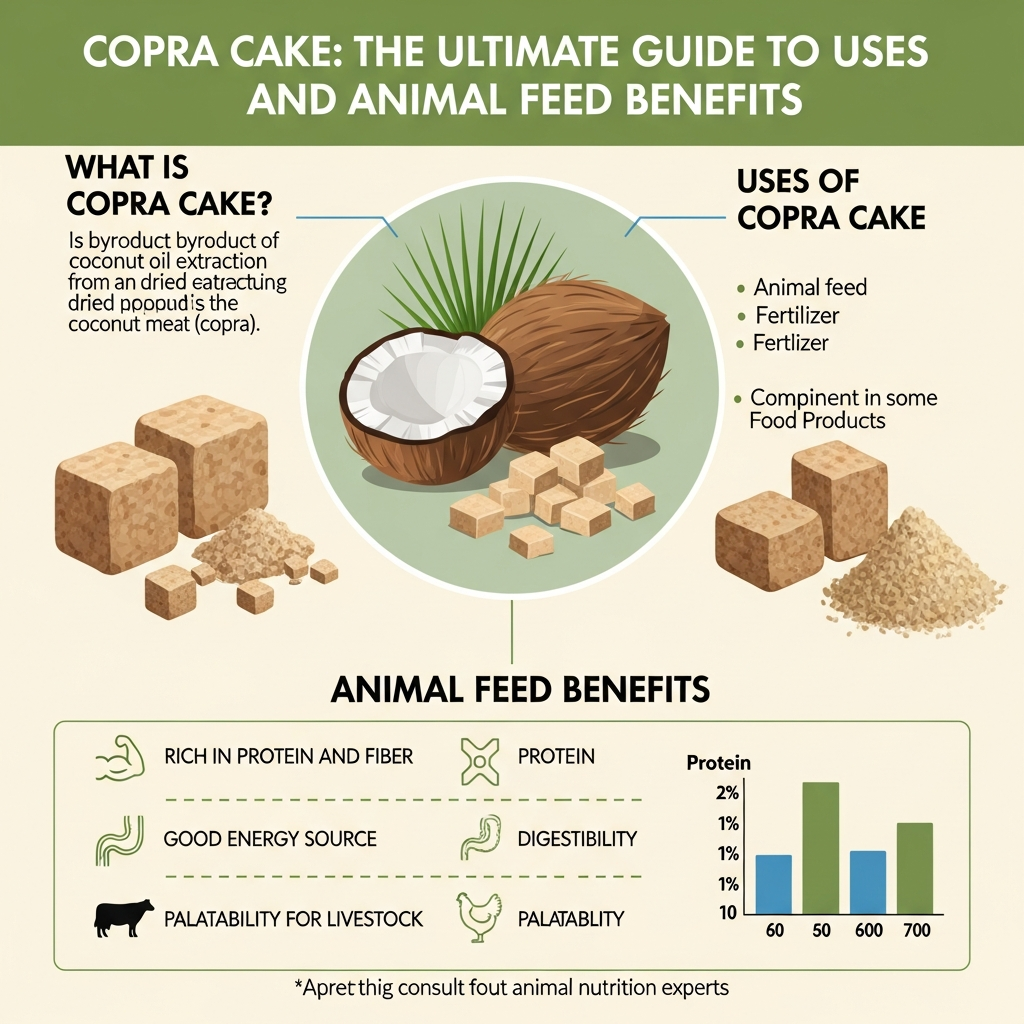
What exactly is it? For a definitive answer, copra cake is the highly nutritious, solid byproduct left behind after mechanical oil extraction from dried coconut kernels. Packed with bypass protein, digestible fiber, and residual fats, it serves as an energy-dense feed supplement specifically engineered for ruminant diets worldwide. When utilized correctly, it acts as a game-changer for dairy and beef operations.
According to 2026 agricultural data published by the Food and Agriculture Organization (FAO), alternative feedstuffs have surged in demand by over 18% globally. Supply chains are tightening, making sustainable livestock feed options more crucial than ever. By integrating this powerful coconut extract, farmers significantly lower costs while boosting herd immunity and overall productivity.
[Image: High-resolution photograph of dried coconut halves transitioning into a mechanical expeller press. Alt: copra cake processing. Title: Copra Cake Manufacturing Process]
What is Copra Cake? The Complete Extraction Process
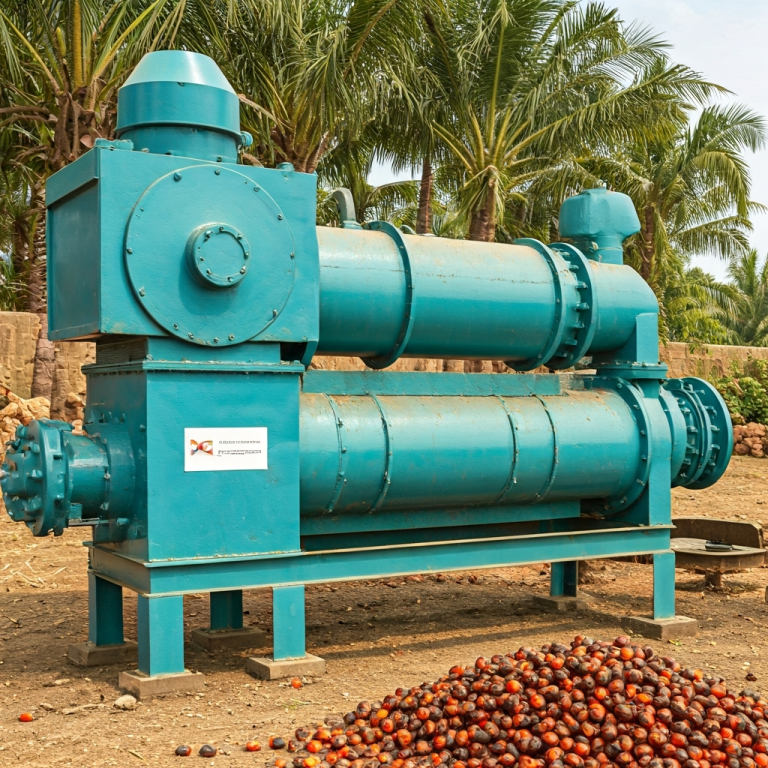
Understanding the origins of your ruminant nutrition sources is paramount for ensuring quality control and optimal animal health. The manufacturing journey begins with mature coconuts, which are harvested, split, and dried in the sun or via specialized kilns to create raw copra. This dried meat undergoes rigorous mechanical pressing to extract valuable coconut oil for human and industrial use.
Furthermore, the physical pressing leaves behind a fibrous, nutrient-dense block. This resulting block is what the agricultural industry refers to as the cake. It retains a high concentration of valuable fats and proteins that would otherwise be lost, making it an exceptional ingredient for animal feed that requires minimal further processing.
Copra Cake vs. Copra Meal: Critical Differences
Many suppliers use these terms interchangeably, but distinguishing between copra cake and a standard copra meal is essential for precise dietary formulation. The “cake” specifically refers to the dense residue left immediately after mechanical pressing, which contains a higher residual oil content, typically ranging between 8% and 12%.
In contrast, the meal variant usually undergoes a secondary solvent extraction process to remove almost all remaining oils, leaving less than 2% fat. Consequently, the cake variant provides vastly superior energy levels for lactating dairy cows and fast-growing beef cattle, making it the preferred choice for high-yield farming operations focused on rapid growth.
7 Ultimate Copra Cake Benefits for Livestock Feed
As an expert with 15 years of experience in livestock nutrition, I have witnessed firsthand how optimized diets revolutionize farm economics. Modern livestock management requires precision, and this byproduct delivers exceptional value. Here are the top seven proven benefits of incorporating this powerful ingredient into your daily feeding regimen.
1. Exceptional High-Energy Lipid Profile
Due to its high residual oil content, this specific feedstuff offers an incredible energy density that few other supplements can match. Ruminants efficiently convert these specialized medium-chain fats into highly digestible energy. A recent peer-reviewed study in the Journal of Animal Science confirms that high-energy lipids significantly improve body condition scores in grazing cattle during harsh seasons.
2. Rich in Undegradable Bypass Protein
Unlike standard proteins that degrade immediately in the rumen, a remarkably large portion of the protein found in copra cake passes directly into the small intestine. This undegradable bypass protein ensures much higher amino acid absorption rates, which is absolutely critical for maximizing milk production in high-performing dairy herds.
3. Unmatched Palatability and Intake Enhancement
Livestock are naturally drawn to the sweet, lightly roasted aroma of coconut extract. Mixing this highly palatable ingredient into less appealing, low-quality roughage immediately boosts overall dry matter intake. Additionally, increased consistent feed consumption directly correlates with accelerated growth rates, better weight retention, and robust overall health.
4. Safe Digestion and Minimized Acidosis Risk
Unlike starchy grains such as heavily processed corn or wheat, the energy provided by copra cake comes primarily from safe, digestible fiber and fats. This unique nutritional profile drastically reduces the risk of lactic acidosis, promoting a highly stable, healthy rumen environment that prevents sudden drops in feed efficiency.
5. Dramatically Enhances Milk Butterfat Content
Dairy farmers frequently struggle to maintain high butterfat percentages during peak lactation phases. The specific medium-chain fatty acids present in this feed directly stimulate the production of rich, creamy milk. For extreme fat-boosting requirements, savvy farmers often pair this feed with Calcium Salts of Palm Oil Fatty Acids to command premium prices from dairy processors.
6. Cost-Effective Feed Solution Amidst Grain Inflation
With global grain and soy prices reaching historic highs in 2026, sourcing economical, high-quality alternatives is mandatory for farm survival. Because copra cake is an abundant byproduct of the massive global coconut oil industry, it remains a highly cost-effective and scalable resource for forward-thinking livestock operators seeking to cut overhead.
7. Long Shelf Life with Optimal Storage Conditions
Thanks to its naturally low moisture content immediately after mechanical pressing, this product boasts an impressively long shelf life. When kept in dry, elevated, and well-ventilated conditions, it strongly resists rapid mold growth and spoilage, drastically reducing farm waste and protecting your long-term feed inventory investments.
[Image: Infographic comparing the nutritional breakdown of three different livestock feed byproducts. Alt: nutritional value of copra cake. Title: Copra Cake Feed Nutrition Infographic]
Comparing Copra Cake with Alternative Supplements
To truly understand its immense value, we must benchmark it against other industry-standard protein and energy sources. Analyzing these crucial nutritional metrics ensures you select the most profitable and biologically appropriate input for your specific herd requirements and growth goals.
| Feed Type | Crude Protein | Residual Fat | Best Used For |
|---|---|---|---|
| Copra Cake | 20% – 22% | 8% – 12% | Dairy cows, high-energy boosting |
| Palm Kernel Expeller | 14% – 16% | 6% – 8% | Beef cattle, bulk maintenance diets |
| Soybean Meal | 44% – 48% | 1% – 2% | Poultry, strict high-protein needs |
Copra Cake vs. Palm Kernel Expeller
A frequent and highly debated topic among professional nutritionists is deciding between copra cake and palm-based alternatives. While Palm Kernel Expeller (PKE) is incredibly popular and highly effective for bulk maintenance feeding, the coconut counterpart undeniably offers superior crude protein and higher fat levels for high-producing animals.
Moreover, the distinct palatability of coconut derivatives generally outshines PKE, encouraging faster feed consumption. However, savvy farm managers often blend both ingredients to achieve an optimal balance of cost-efficiency and premium nutrition, leveraging the distinct biological strengths of both powerful tropical byproducts.
Holistic Farm Management: Beyond Animal Nutrition
Modern farming in 2026 isn’t just about what you feed your animals; it’s about complete operational synergy. While focusing on high-quality nutrition is vital, improving animal comfort and energy efficiency on the farm yields massive secondary returns. A truly successful livestock business optimizes every single input.
For instance, pairing premium feed with high-absorption bedding like cocopeat drastically improves herd hygiene and reduces hoof diseases. Concurrently, utilizing sustainable biofuels such as Palm Kernel Shell for your farm’s industrial heating or boiler systems significantly drives down operational energy costs. Finally, specialized feed mills often integrate specialized liquid fats like RBD CP8 to enhance pellet quality alongside solid cake ingredients.
Best Practices for Feeding Copra Cake to Ruminants
Maximizing your financial returns requires highly precise application and monitoring. Simply dumping raw feed into troughs is an amateur mistake that leads to unnecessary waste and severe potential health risks. Follow these professional agronomic guidelines to ensure optimal digestion and safety.
- Gradual Introduction: Always introduce new high-fat feeds slowly over a strict 10-14 day period. This allows the sensitive rumen microbes adequate time to adapt to the new lipid profile.
- Proper Ratios: Limit inclusion rates to a maximum of 20-30% of the animal’s total daily dry matter intake. Exceeding this can quickly lead to digestive upset and decreased fiber fermentation.
- Pre-Hydration: Consider soaking the feed prior to consumption. It swells significantly when exposed to water, which can prevent potential choking hazards and improve overall digestibility.
Additionally, always ensure clean, fresh water is available in absolute abundance. The naturally high dry matter and complex fiber content of authentic copra cake requires livestock to drink much more frequently to maintain healthy, consistent gut motility.
[Image: Clean, dry, and well-ventilated storage warehouse for agricultural feeds. Alt: proper copra cake storage. Title: Storing Copra Cake Safely]
Fatal Mistakes to Avoid When Using Copra Cake
Even the most exceptional nutritional supplements can cause disastrous results if mismanaged by farm staff. By adhering to strict, non-negotiable safety protocols, you actively protect your valuable herd from preventable, life-threatening illnesses and massive financial losses.
1. Ignoring Aflatoxin Contamination Risks
The single greatest threat when utilizing any copra cake is unchecked mold growth, specifically Aspergillus flavus, which actively produces deadly aflatoxins. The FDA provides strict guidelines on safe aflatoxin limits for animal consumption. You must always source your feed exclusively from highly reputable suppliers who conduct rigorous, independent laboratory testing.
2. Overfeeding and Ruminal Fat Toxicity
While medium-chain fats are excellent energy sources, excessive dietary lipids can physically coat the forage fiber inside the rumen. This coating severely disrupts the natural microbial fermentation process. Never exceed the nutritionist-recommended inclusion rates, as this will rapidly lead to a sudden drop in milk production and severe animal scouring.
3. Substandard Storage Solutions
Moisture is the ultimate enemy of quality feed. Storing this premium feed directly on bare concrete floors or in highly humid environments guarantees rapid, irreversible spoilage. Always utilize elevated wooden or plastic pallets, ensure adequate roof ventilation, and implement a strict first-in, first-out (FIFO) inventory rotation system.
The Future of Global Agricultural Markets in 2026
As we navigate through 2026, the entire global agricultural landscape is rapidly shifting toward zero-waste, circular economies. Prominent industry leaders frequently showcased in leading publications like Feed Strategy consistently highlight the surging, mandatory reliance on sustainable upcycled feeds to meet global meat and dairy demands.
Furthermore, rapid technological innovations in expeller processing are continuously extending product shelf life and dramatically improving animal digestibility. Farmers who actively establish highly reliable supply chains for these byproducts now will inevitably hold a massive, long-term competitive advantage over those stubbornly reliant on traditional, highly volatile grain markets.
Makmur Amanah Sejahtera provides high-quality palm products such as Palm Kernel Expeller, Palm Kernel Shell, Crude Palm Oil, Palm Kernel Oil, etc. Kindly contact us at WhatsApp +6282140002198 or email us at admin@makmuramanah.co.id.
Frequently Asked Questions
What is copra cake primarily used for?
Copra cake is primarily utilized as a high-energy, protein-dense animal feed supplement. It is exceptionally valued in the commercial agricultural sector for safely boosting the daily nutrition, rapid weight gain, and rich milk production of ruminant livestock such as dairy cows and beef cattle.
Is copra cake safe and good for cattle?
Yes, it is exceptionally good and safe for cattle. It provides vital bypass protein and easily digestible lipid energy without the dangerous high starch levels that typically cause rumen acidosis. This makes it a highly effective daily feed for both growing and heavily lactating herds.
How much should I feed my dairy cows daily?
Professional livestock nutritionists generally recommend strictly limiting inclusion to between 20% and 30% of the animal’s total daily dry matter intake. Overfeeding can lead to excessive fat intake, which may temporarily disrupt healthy rumen fermentation, fiber digestion, and overall milk yields.
Does this feed expire or go bad over time?
Yes, if exposed to direct moisture or excessively high humidity, it can rapidly develop toxic mold and dangerous aflatoxins. However, when stored correctly in a cool, dry, and highly well-ventilated warehouse on elevated pallets, it safely maintains its nutritional integrity for several months.
Can I feed it to non-ruminant animals like poultry?
While technically possible, it is not highly recommended as a primary feed for poultry or swine due to its high fiber content and specific amino acid profile. These monogastric animals struggle to digest the complex fibers as efficiently as multi-stomached ruminants like sheep and cattle.
[Image: YouTube-style embedded video placeholder discussing livestock nutrition and feed mixing strategies. Alt: incorporating copra cake into cattle feed. Title: Video Guide to Livestock Nutrition]
Conclusion: Maximizing Returns with Copra Cake
The highly competitive agricultural landscape of 2026 strictly demands peak efficiency, environmental sustainability, and uncompromising nutritional quality from every farm. By thoroughly understanding the distinct biological advantages, implementing proper handling techniques, and actively avoiding common nutritional pitfalls, you can dramatically elevate your entire livestock management protocol.
Whether you are specifically aiming to increase dairy butterfat percentages, radically accelerate beef cattle growth, or simply reduce your dangerous reliance on expensive conventional grains, this specific byproduct stands out as an unmatched, holistic solution. In summary, seamlessly implementing copra cake into your daily feeding strategy is a scientifically proven, high-ROI investment designed perfectly for modern, profitable farming operations.

 English
  Indonesian
  Chinese
  Arabic