
Palm Kernel Shell: 7 Powerful Uses & Amazing Benefits (2026)
Are you utilizing Palm Kernel Shell to its maximum potential for your industrial energy needs? As global industries scramble to reduce their corporate carbon footprints in 2026, transitioning away from fossil fuels has never been more critical. New ESG (Environmental, Social, and Governance) mandates demand immediate action across every heavy sector.
Historically, heavy manufacturing facilities and massive industrial power plants relied heavily on environmentally damaging sub-bituminous coal. Today, sustainable biomass resources are completely revolutionizing the global industrial energy sector. By making the switch to renewable agricultural byproducts, modern industrial operations can drastically lower their official greenhouse gas emissions without sacrificing power output.
According to the recent global findings by the International Energy Agency (IEA), global biomass demand continues to surge as strict environmental regulations take effect worldwide. Incorporating premium biomass fuels ensures your facility remains compliant, highly efficient, and profitable while maintaining optimal baseload energy output to support heavy machinery.
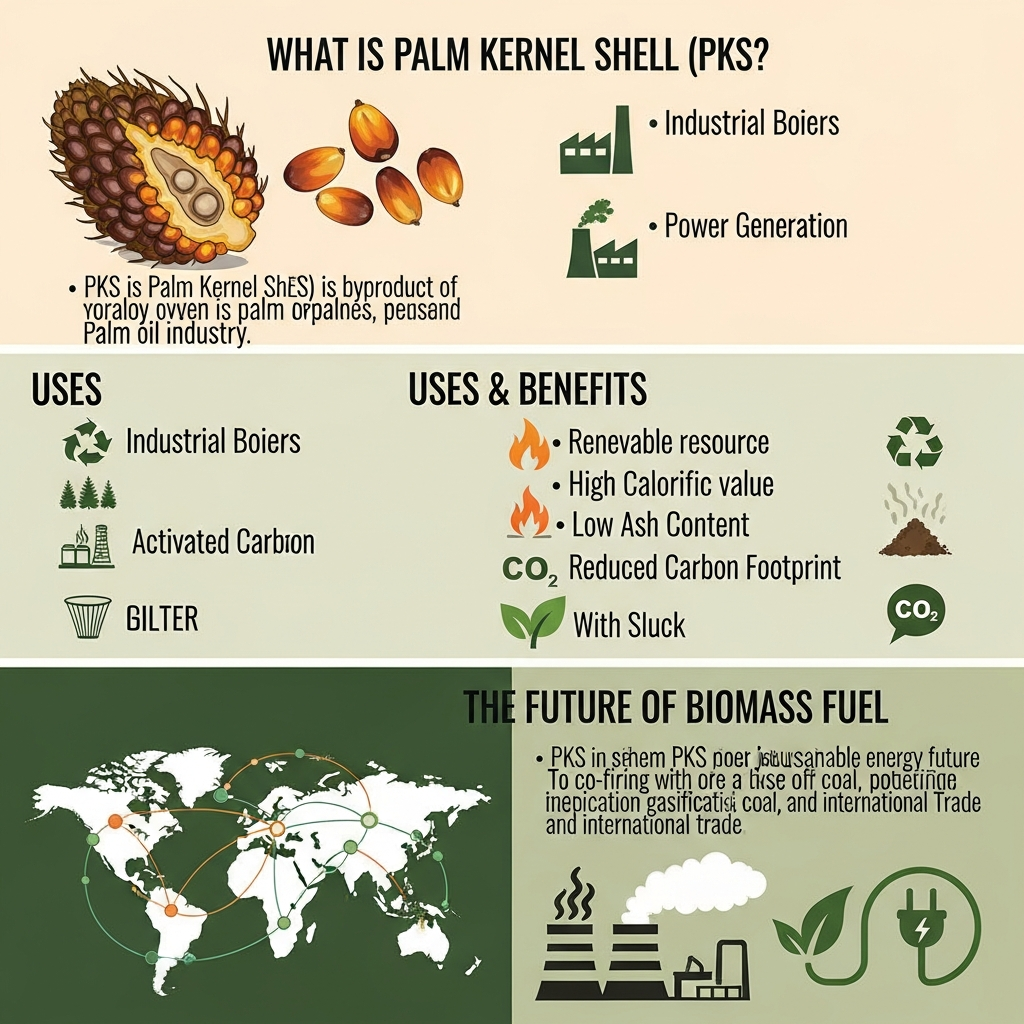
What is Palm Kernel Shell (PKS)?
Palm Kernel Shell (PKS) is a highly efficient biomass fuel and organic byproduct derived directly from the commercial palm oil extraction process. After the raw palm fruit is mechanically processed to extract palm kernel oil, the exceptionally hard, fragmented endocarp shell remains naturally intact.
This tough, woody residue boasts a remarkably high calorific value, making it an ideal renewable energy source for modern industrial applications. The organic cellular structure of this tropical byproduct contains minimal moisture and remarkably high carbon content compared to ordinary agricultural waste left to decompose in fields.
These unique physical characteristics allow it to burn much hotter and significantly longer than standard wood chips or agricultural straw. Furthermore, its high bulk density makes it incredibly easy to transport, load, and store in massive commercial quantities without rapidly degrading over time in outdoor silos.
In Southeast Asia, particularly across the massive agricultural regions of Indonesia and Malaysia, millions of metric tons of this exact material are generated annually. Instead of discarding this valuable material into local landfills, innovative green energy companies now repurpose it entirely to power massive international grids.
This closed-loop, circular economy approach prevents massive amounts of methane from being released during natural decomposition. If you are actively looking to secure a reliable, high-grade energy source for your operations, it is crucial to source your Palm Kernel Shell from certified, reputable suppliers to ensure consistent thermal performance.
[Image: Close up of premium Palm Kernel Shell biomass with high density. Alt text: Premium Palm Kernel Shell biomass ready for industrial fuel use. Title: High-Quality Palm Kernel Shell Biomass Fuel]
7 Powerful Uses of Palm Kernel Shell in 2026
Before diving deep into the comprehensive technical details, here are the top commercial applications making this robust biomass fuel an absolute industry standard in 2026:
- Fueling massive industrial biomass power plants.
- Firing extreme-heat rotary kilns in cement and steel manufacturing.
- Creating ultra-efficient, eco-friendly residential heating pellets.
- Enhancing commercial agricultural soil as carbon-rich organic biochar.
- Producing premium, high-grade activated carbon for advanced water filtration.
- Formulating specialized, high-fiber animal feed mixtures for livestock.
- Manufacturing innovative lightweight, eco-friendly construction materials.
1. Industrial Biomass Power Plants
Across the globe, industrial biomass power plants represent the largest consumers of Palm Kernel Shell. These specialized energy facilities require a highly steady, high-energy fuel to maintain baseline power generation for massive regional electrical grids day and night.
Because of its exceptional physical density and remarkably low moisture content (typically between 15% and 20%), this tropical byproduct combusts far more efficiently than competing organic materials. Heavy power generation facilities can effortlessly maintain highly consistent furnace temperatures without requiring constant fuel feed adjustments.
Furthermore, major international power generation facilities can directly substitute traditional coal with this sustainable alternative without completely overhauling their existing boiler infrastructure. This seamless operational transition saves energy companies millions of dollars in unnecessary capital expenditure while instantly modernizing their power plants.
2. Cement and Steel Manufacturing
Commercial cement and raw steel production are notoriously energy-intensive sectors, often requiring extreme rotary kiln temperatures exceeding 1,400 degrees Celsius. Achieving this immense thermal heat sustainably has been a decades-long engineering challenge for heavy industries worldwide.
By exclusively utilizing premium-grade biomass, modern manufacturers can effortlessly reach these extreme thermal thresholds on a daily basis. The dense, woody cellular structure of the palm endocarp ensures a prolonged, intense burn that standard wood waste simply cannot replicate inside industrial kilns.
Additionally, switching to this renewable resource helps heavy manufacturers easily meet incredibly stringent international emission quotas. Strategically avoiding massive corporate carbon taxation penalties remains a primary financial driver for this vital industrial transition to renewable fuels.
3. Residential and Commercial Heating Pellets
In significantly colder global climates, particularly across Northern Europe and North America, the consumer demand for sustainable winter heating solutions has completely skyrocketed. Raw agricultural shells are frequently pulverized and compressed under extreme pressure into dense, uniform heating pellets for domestic use.
These specialized, high-density biomass pellets offer an incredibly clean burn, producing significantly less smoke and residential ash than traditional chopped firewood. Eco-conscious homeowners universally appreciate the high thermal output and the drastically reduced chimney maintenance required throughout the harsh winter.
Moreover, massive commercial boiler systems located in modern hospitals and large universities are increasingly retrofitting their infrastructure to accept these compressed pellets. This intelligent shift legally guarantees a highly reliable, completely carbon-neutral heating solution that keeps massive institutions running smoothly.
4. Agricultural Soil Enhancement (Biochar)
When subjected to an extremely controlled pyrolysis process in the total absence of oxygen, the remaining carbonized material transforms into highly porous biochar. This specialized organic compound is an absolute game-changer for commercial agriculture and large-scale environmental soil remediation.
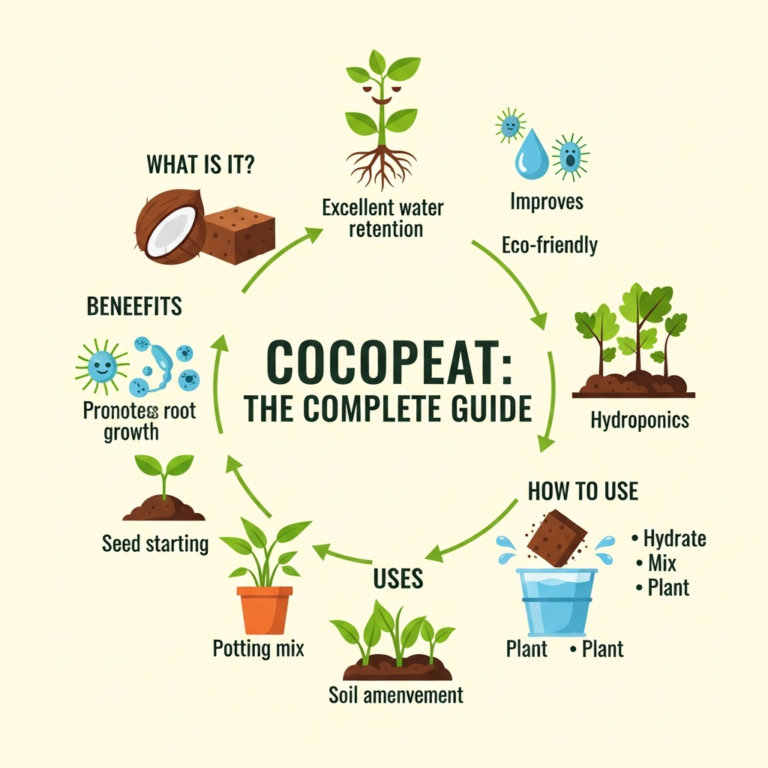
Biochar acts exactly like a microscopic organic sponge within the soil bed, dramatically improving vital water retention and essential nutrient availability for deep crop root systems. If you currently operate vast agricultural facilities, pairing Palm Kernel Shell biochar directly with Cocopeat creates the ultimate, highly optimized moisture-retaining soil amendment.
This advanced agricultural application also actively serves as a permanent environmental carbon sink. By deliberately burying the carbonized shells deep into the earth, commercial farmers actively sequester dangerous atmospheric carbon for hundreds of years, making their operations incredibly eco-positive.
[Image: Agricultural application of biochar mixed with soil. Alt text: Palm Kernel Shell biochar enhancing commercial agricultural soil. Title: Eco-Friendly Palm Kernel Shell Biochar]
5. Premium Activated Carbon Production
Due to its incredibly dense, micro-porous internal cellular structure, Palm Kernel Shell is internationally recognized as one of the finest base materials for manufacturing high-grade activated carbon. This essential filtration medium is vitally required for countless advanced industrial processes globally.
Massive municipal water treatment plants rely heavily on this specific, ultra-pure activated carbon to perfectly purify public drinking water and safely remove dangerous heavy metals. The immense microscopic surface area of the carbonized shell efficiently traps and permanently binds toxic microscopic contaminants.
Beyond municipal water filtration, the advanced medical and pharmaceutical industries actively utilize this ultra-pure activated carbon for emergency poison control and highly specialized chemical filtration. The consistent, reliable purity of the tropical shell guarantees pharmaceutical-grade filtration results every single time.
6. Specialized Animal Feed Additives
While admittedly not a primary commercial energy use, finely pulverized shell fiber is occasionally incorporated into highly specialized livestock roughage. It safely provides essential, slow-digesting dietary fiber for large ruminant animals when correctly processed, sanitized, and heavily diluted.
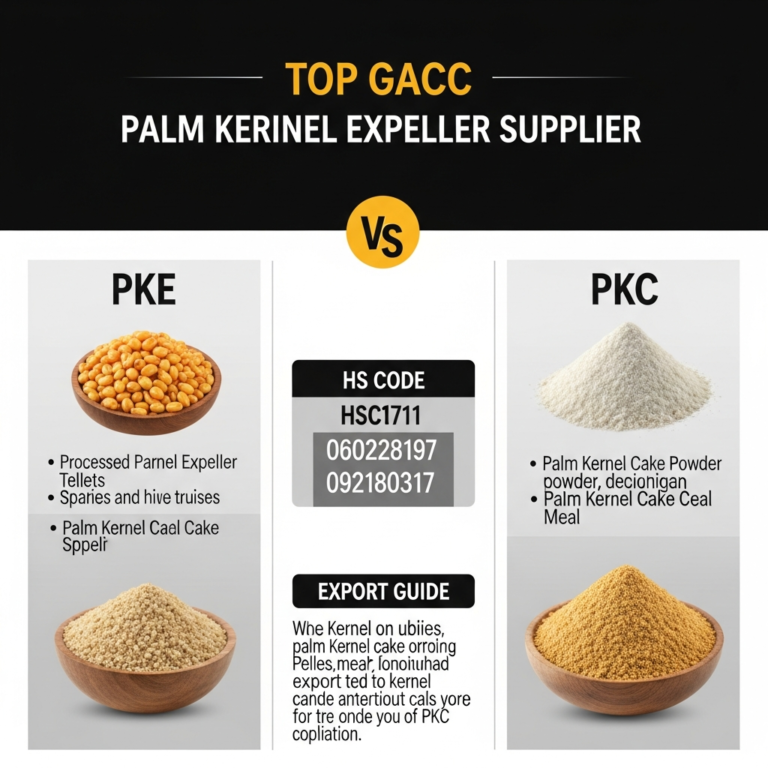
However, commercial agricultural facilities actively seeking high-protein livestock feed supplements typically look for substantially more nutritious, digestible palm byproducts. They often source premium Palm Kernel Expeller or exceptionally nutrient-rich Copra Meal alongside their bulk biomass fuel shipments to boost herd vitality.
For large-scale dairy operations aiming to boost specific fat content and overall energy density in their herds, integrating dietary Calcium Salts of Palm Oil Fatty Acids is highly recommended. Utilizing absolutely every single part of the harvested palm fruit practically ensures absolutely zero agricultural waste across the entire farming supply chain.
7. Eco-Friendly Construction Materials
Highly innovative civil engineering firms in 2026 are aggressively experimenting with successfully incorporating crushed shell fragments directly into lightweight structural concrete mixtures. This vital innovation completely reduces the global construction industry’s heavy reliance on environmentally destructive river sand mining.
The rugged, highly coarse texture of the crushed endocarp provides excellent, highly stable binding properties when mechanically mixed with standard Portland cement. The resulting structural concrete is notably lighter yet surprisingly durable for various secondary commercial building applications and roadbed fill.
Furthermore, actively using repurposed agricultural waste in building foundations significantly lowers the total embodied carbon of newly constructed commercial properties. This highly sustainable practice is rapidly gaining massive traction in premium green building certifications worldwide, boosting property valuations.
Unveiling the Amazing Benefits of Palm Kernel Shell
Strategically transitioning to this specific, high-grade biomass fuel is definitely not just about achieving positive environmental optics for public relations. It consistently delivers tangible, mathematically proven financial advantages directly to your corporate bottom line. Let us examine the exact scientific reasons why this material currently dominates the global renewable sector.
High Calorific Value Explored
The primary metric for evaluating any industrial fuel is its official gross calorific value (GCV). High-quality Palm Kernel Shell typically boasts an impressive GCV securely ranging between 3,800 to 4,200 kcal/kg, entirely depending on the specific moisture content and specialized processing method.
Recent comprehensive calorific value analysis conclusively confirms that this massive energy density perfectly rivals low-grade industrial sub-bituminous coal. This mathematical fact means heavy facilities can easily generate the exact same megawatt electrical output without burning significantly more physical material.
Because the actual thermal yield is so remarkably high, massive global logistics costs are fundamentally optimized from port to facility. You are exclusively paying to ship and transport pure, highly combustible energy rather than entirely useless water weight or non-combustible silica ash.
Eco-Friendly Carbon Neutrality
Unlike dangerously fossilized coal, which instantly releases millions of years of deeply trapped subterranean carbon directly into the modern atmosphere, burning recent agricultural biomass is inherently and scientifically carbon neutral. The carbon dioxide released perfectly equals the exact carbon safely absorbed during the palm tree’s recent agricultural growth cycle.
The Environmental Protection Agency (EPA) and countless other strict global regulatory bodies universally recognize this elegant, closed-loop carbon cycle. Transitioning your facility immediately and permanently slashes your official Scope 1 greenhouse gas emissions literally overnight.
Furthermore, actively utilizing this specific byproduct prevents it from rotting openly in massive tropical plantations under the hot sun. Open-air natural decomposition generates incredibly potent methane gas, mathematically meaning that burning the shell for industrial energy actually prevents a far worse global greenhouse effect overall.
Cost-Effectiveness and Global Availability
Because it is a natural byproduct of the incredibly massive global edible oil industry, the international supply chain for this exact material is incredibly robust and highly predictable. Advanced tropical nations efficiently produce millions of metric tons continuously throughout the entire calendar year without seasonal interruption.
This highly continuous, uninterrupted year-round harvesting cycle ensures that global market commodity prices remain remarkably stable compared to the highly volatile geopolitical fluctuations of petroleum or natural gas. Long-term corporate energy budgeting immediately becomes highly predictable, safe, and financially secure.
Additionally, the relatively low baseline cost of the raw agricultural material makes it an incredibly attractive financial proposition for corporate energy directors looking to ruthlessly cut operational overhead. The entire palm ecosystem, which also supports massive export of refined cooking oils like RBD CP8, showcases incredible agricultural supply chain efficiency.
Palm Kernel Shell vs. Coal: A Direct Comparison
To truly understand the immense operational value of this sustainable fuel, we absolutely must directly compare its unique physical and chemical properties against traditional sub-bituminous coal. The hard scientific data clearly demonstrates exactly why the global industrial shift is violently accelerating.
| Technical Feature | Palm Kernel Shell (PKS) | Sub-bituminous Coal |
|---|---|---|
| Gross Calorific Value | 3,800 – 4,200 kcal/kg | 4,000 – 4,500 kcal/kg |
| Average Moisture Content | 15% – 20% | 20% – 30% |
| Residual Ash Content | < 3% | 10% – 15% |
| Sulfur Emissions (SOx) | Negligible (< 0.1%) | High (1% – 3%) |
| Environmental Status | 100% Renewable / Carbon Neutral | Highly Polluting Fossil Fuel |
As the detailed scientific comparison table clearly illustrates, the raw thermal output between the two massive industrial fuels is incredibly similar, but the long-term environmental profiles are radically different. The drastically lower residual ash content of the natural biomass means highly expensive boiler maintenance and complex ash disposal costs are significantly reduced annually.
More importantly, the near-zero sulfur content completely prevents the dangerous formation of highly corrosive sulfuric acid directly inside expensive industrial boilers. This massive chemical advantage securely extends the operational lifespan of your critical heavy machinery by several lucrative decades.
[Infographic: A visual comparison chart showing the calorific value and emissions of Palm Kernel Shell versus traditional coal. Alt text: Palm Kernel Shell vs Coal emissions and heating value infographic. Title: Environmental Impact of Palm Kernel Shell]
The Future of Biomass Fuel and Sustainability
Looking aggressively ahead into late 2026 and far beyond, the global trajectory for sustainable biomass energy is overwhelmingly, undeniably positive. Strict international carbon taxing mechanisms are rapidly becoming increasingly aggressive, legally forcing massive corporate conglomerates to abandon traditional fossil fuels permanently before compliance deadlines hit.
Incredibly advanced thermal processing technologies are currently being rapidly developed to instantly dry and thoroughly torrefy the raw shells immediately before global oceanic export. This complex torrefaction process completely “roasts” the raw biomass, massively increasing its baseline energy density and incredibly making it totally water-resistant during long oceanic transit.
Furthermore, highly lucrative international carbon credit markets now heavily financially reward proactive corporations that permanently switch to sustainable agricultural byproducts. In many global financial jurisdictions, the highly valuable generated carbon credits practically entirely subsidize the total operational cost of the renewable fuel itself.
As advanced pyrolysis and gasification technologies aggressively mature globally, we will likely see this humble agricultural shell efficiently converted directly into high-grade synthetic diesel and premium aviation bio-jet fuel. The future biochemical and energy possibilities are truly limitless.
How to Source High-Quality Palm Kernel Shell
Rapidly transitioning your massive industrial facility to highly renewable energy is incredibly exciting, but safely securing a reliable, high-grade international supply chain is absolutely the most critical operational step. Poorly processed biomass full of wet sand, high moisture, and dangerous agricultural debris will critically damage your industrial boilers very quickly.
You strictly must directly partner with heavily established, thoroughly vetted international exporters who fiercely maintain highly strict quality control protocols at their tropical processing facilities. Always confidently demand comprehensive independent laboratory analysis reports detailing the exact moisture and residual ash content long before officially signing massive bulk corporate contracts.
Furthermore, always rigorously ensure your carefully chosen supplier strictly adheres to highly stringent international sustainability certifications. Safely procuring ethically sourced materials completely guarantees that your corporate transition to renewable energy remains securely legally compliant and entirely free from any negative environmental controversy.
Makmur Amanah Sejahtera provides high-quality palm products such as Palm Kernel Expeller, Palm Kernel Shell, Crude Palm Oil, Palm Kernel Oil, etc. Kindly contact us at WhatsApp +6282140002198 or email us at admin@makmuramanah.co.id.
[Video Embed: A 3-minute YouTube-style explainer showing how palm kernel shells are processed from the mill to the power plant. Title: The Journey of Palm Kernel Shell Biomass]
Frequently Asked Questions
What is the main industrial use of Palm Kernel Shell?
The absolute primary use of Palm Kernel Shell is serving as a highly efficient, sustainable biomass fuel for industrial power plants, heavy cement manufacturing kilns, and massive commercial heating boilers. Its high carbon density makes it a perfectly sustainable replacement for highly polluting sub-bituminous coal.
How does the calorific value of PKS compare to coal?
Premium, high-quality processed shells typically yield a massive gross calorific value precisely between 3,800 and 4,200 kcal/kg. This impressive thermal output directly rivals low-grade industrial coal, actively allowing heavy facilities to seamlessly maintain their vital baseline energy generation without burning significantly larger physical volumes of fuel.
Is burning Palm Kernel Shell bad for the environment?
Absolutely no, actively burning this specific, high-grade biomass is strictly internationally recognized as highly eco-friendly and perfectly carbon-neutral. The actual carbon dioxide safely released during its intense industrial combustion perfectly equals the exact amount of carbon the palm tree naturally absorbed during its highly recent agricultural growth cycle.
How is Palm Kernel Shell processed and transported globally?
Immediately after extraction at the palm oil mill, the raw shells are aggressively mechanically screened to totally remove excess fibers, wet dirt, and unwanted impurities. They are then naturally sun-dried to safely reduce total moisture content before being loaded directly into massive oceanic bulk carrier vessels for global export.
Where can my facility buy bulk Palm Kernel Shell?
You can safely purchase premium, high-grade industrial Palm Kernel Shell entirely directly from heavily certified Southeast Asian exporters exactly like Makmur Amanah Sejahtera. It is highly recommended to safely buy exclusively directly from reputable, vetted suppliers to entirely guarantee optimal moisture levels, exceptionally low ash content, and steady year-round availability.
Conclusion: The Ultimate Renewable Choice
As the massive global industrial landscape aggressively shifts entirely toward total, permanent decarbonization in exactly 2026, finding reliable, exceptionally high-yield renewable energy sources is absolutely paramount. The highly dangerous era of strictly relying entirely exclusively on highly polluting, extremely expensive underground fossil fuels is rapidly, permanently coming to a totally definitive end.
By highly intelligently leveraging the absolutely immense thermal power of specific agricultural byproducts, modern massive manufacturing facilities can dramatically safely slash their dangerous emissions while completely perfectly maintaining their crucial operational profitability. The highly necessary transition is practically perfectly seamless, incredibly economically logical, and absolutely environmentally vital for long-term global survival.
[Image: A massive industrial stockpile of PKS ready for international export. Alt text: Bulk Palm Kernel Shell stockpile for global biomass export. Title: Bulk Palm Kernel Shell Supply]
It is definitively time to thoroughly audit your massive industrial facility’s overall energy strategy and proactively make the highly mathematically sound switch entirely to renewable biomass. Effectively implementing high-grade Palm Kernel Shell completely into your massive global supply chain directly today legally ensures your heavy business securely remains highly financially competitive, thoroughly legally compliant, and deeply sustainable for many decades to come.

 English
  Indonesian
  Chinese
  Arabic