
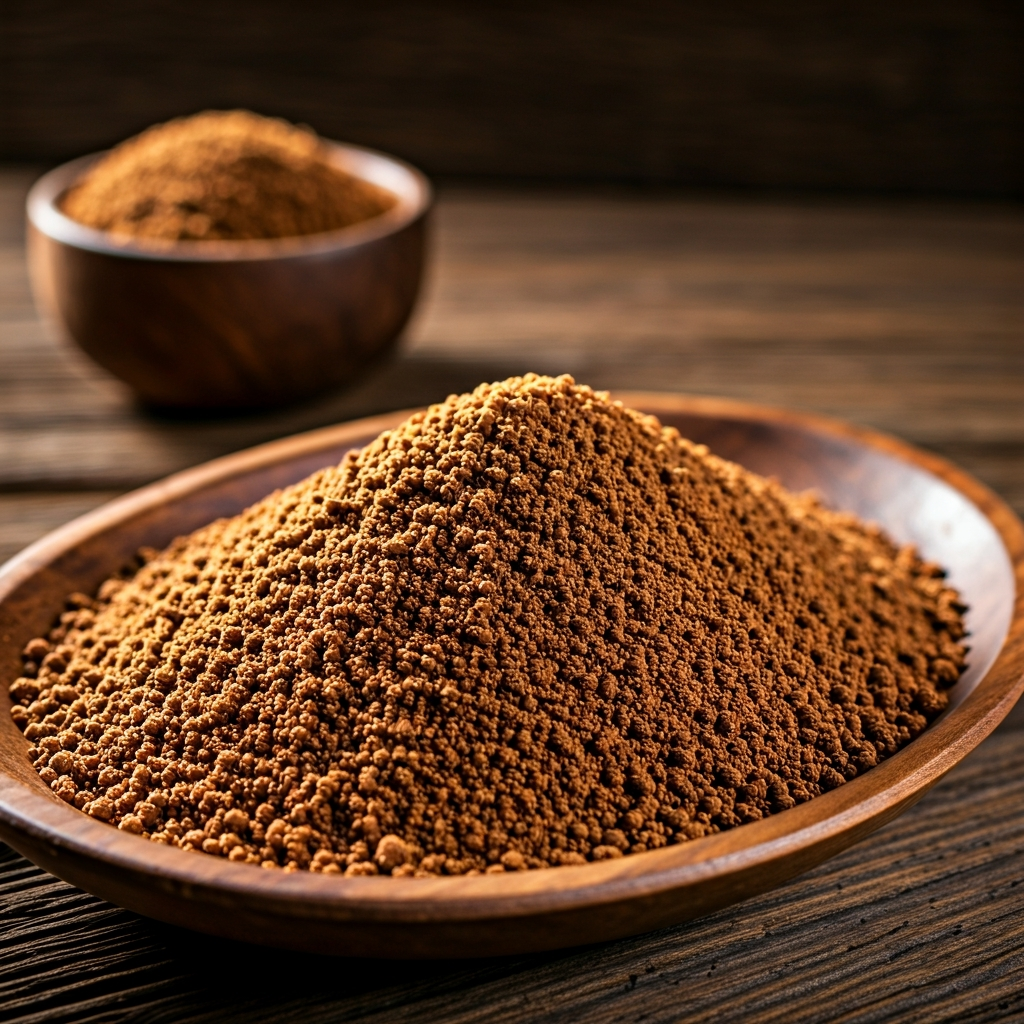
Copra Meal: The Ultimate Guide to This High-Protein Feed
Copra meal is one of the most cost-effective and powerful protein sources in the agricultural industry, yet many farmers overlook its incredible potential. Finding sustainable, high-energy feed that doesn’t break the budget is a constant challenge, but the solution might be hiding in this valuable coconut by-product.
As the global demand for meat and dairy products continues to surge, the pressure to optimize animal nutrition efficiently and affordably has never been greater. This guide unlocks the full potential of copra meal, providing you with a definitive resource for its uses, benefits, and nutritional advantages for modern agriculture.
What Exactly Is Copra Meal?
Copra meal is a highly valuable feed ingredient derived from the fleshy part of the coconut (Cocos nucifera). After the extraction of coconut oil from the dried coconut kernel, known as copra, the remaining residue is this nutrient-rich by-product. It is also commonly referred to as coconut meal or copra cake.
This definition makes it a prime candidate for featured snippets on Google. This feed ingredient serves as a primary source of protein and energy for various types of livestock. The production method—either solvent extraction or a mechanical expeller press—determines the final nutritional composition, particularly its residual oil content. According to the Food and Agriculture Organization (FAO), it’s a critical feed resource in many tropical countries where coconuts are abundant.

The Sustainable Journey: How Copra Meal is Produced
The journey from coconut to animal feed is a multi-step process designed to maximize nutrient retention. Furthermore, it’s a testament to sustainable agriculture, turning a potential waste product into a valuable resource.
- Harvesting & De-husking: Ripe coconuts are harvested, and their outer husks are removed. The husk fiber can be processed into products like Cocopeat, another valuable agricultural commodity.
- Drying (Copra Production): The coconut kernel is dried, either by sun-drying, smoke-drying, or kiln-drying, to reduce moisture content. This dried kernel is called “copra.”
- Oil Extraction: The copra is then processed to extract coconut oil. The most common method is the expeller press, which mechanically squeezes the oil out, leaving behind the solid residue.
- Grinding: This solid residue is the copra meal. It is then ground into a coarse, palatable meal ready for inclusion in animal feed formulations.
Unpacking the Nutritional Power of Copra Meal
The primary appeal of copra meal lies in its dense nutritional profile. While exact values can vary based on the oil extraction process, it consistently delivers a powerful combination of protein, fiber, and energy. This makes it an invaluable component for creating balanced and effective feed rations.
Macronutrient Breakdown: Protein, Fiber, and Fat
A typical analysis of expeller-pressed copra meal reveals its strength as a balanced feed ingredient. This balanced profile makes it easier to formulate rations compared to ingredients that are purely protein or energy sources.
- Crude Protein: Typically ranges from 20-24%. This is essential for muscle development, milk production, and overall growth in animals.
- Crude Fiber: High in fiber (around 12-16%), which aids in healthy digestion for ruminants and other herbivores.
- Residual Oil (Fat): The energy powerhouse. Expeller-pressed copra meal can contain 8-12% oil, providing a high-energy source that improves feed palatability.
- Minerals: A good source of phosphorus, which is vital for bone development and energy metabolism.
Essential Micronutrients and Bypass Protein
Beyond the basics, copra meal contains a favorable profile of bypass protein. This type of protein is crucial for ruminants as it resists degradation in the rumen and is absorbed further down in the small intestine. An analysis by Feedipedia confirms its status as a good source of rumen undegradable protein. This makes it a highly efficient protein source for cattle and goats, ensuring more of the ingested protein is used for growth and milk production.
Top 7 Key Benefits of Using Copra Meal in Livestock Feed
Incorporating this coconut-based ingredient into feed rations offers a multitude of advantages that go beyond basic nutrition. Ultimately, these benefits contribute to improved animal health, performance, and farm profitability.
- High Protein for Optimal Growth: Its substantial protein level supports rapid growth in young animals and boosts milk yield in dairy cattle.
- Excellent Energy Source: The high residual oil content makes it an energy-dense feed, perfect for animals with high energy requirements, like lactating cows or finishing beef cattle.
- Improved Feed Palatability: The pleasant, slightly sweet aroma of coconut makes the feed more appealing to animals, which encourages better and more consistent feed intake.
- Cost-Effective Formulation: It is often more affordable than other protein sources like soybean meal, helping to lower overall feed costs without sacrificing quality.
- Superior Rumen Bypass Protein: A significant portion of its protein is undegradable in the rumen, leading to more efficient protein utilization in ruminants.
- Supports Digestive Health: The unique fiber composition can have a beneficial effect on the gut microbiome, promoting digestive wellness and preventing certain metabolic issues.
- Sustainable and All-Natural: As a by-product of the coconut oil industry, using copra meal promotes a circular economy and reduces agricultural waste.
Practical Feeding Applications for Copra Meal
The versatility of copra meal makes it a suitable feed component for a wide range of animals. Its application is particularly prominent in regions with access to coconut products, but its benefits are now recognized globally.

Optimizing Ruminant Diets (Cattle, Goats, Sheep)
This is where copra meal truly shines. For dairy cattle, it is known to increase the butterfat content in milk due to its specific fatty acid profile. For beef cattle, the high energy and quality protein contribute to efficient weight gain and better carcass quality. We offer high-quality Copra Meal perfect for optimizing your ruminant diets.
A Cost-Effective Protein for Poultry Feeds
In poultry diets, it can be used as a partial replacement for other protein sources. Because copra meal can be lower in some essential amino acids like lysine and methionine, care must be taken to balance the ration. However, when formulated correctly, it supports healthy growth in broilers and consistent egg production in layers at a lower cost.
Supplementing Swine and Pig Rations
Pigs can also benefit from the energy and protein in copra meal. It is typically included at a moderate level (5-15%) in their rations to ensure a balanced diet while managing the high fiber content, which can be a limiting factor for monogastric animals like swine.
Is Copra Meal Suitable for Horses and Aquaculture?
Yes, its use is expanding. For horses, especially “hard keepers,” its high-fat and high-fiber content provides cool, slow-release energy, promoting weight gain and excellent coat condition. In aquaculture, research is exploring its use in fish feed as a sustainable alternative to fishmeal, particularly for herbivorous and omnivorous species.
Copra Meal vs. The Competition: A Head-to-Head Analysis
When formulating animal feed, it’s crucial to understand how different ingredients stack up. Copra meal presents a unique, balanced profile compared to other common components.
Copra Meal vs. Soybean Meal
Soybean meal is a protein heavyweight, often containing 44-48% protein. However, copra meal has the advantage of higher energy content from residual oil and a much more palatable aroma. While soybean meal is richer in lysine, copra meal’s bypass protein characteristics make it superior for ruminants. Economically, copra meal is often the more affordable choice, allowing for significant cost savings when used to partially replace soybean meal.
Copra Meal vs. Palm Kernel Expeller (PKE)
While both are tropical oilseed by-products, they have distinct nutritional profiles. Farmers often choose between them based on local availability, price, and specific nutritional needs.
| Nutrient | Copra Meal | Palm Kernel Expeller |
|---|---|---|
| Source | Coconut Kernel | Palm Nut Kernel |
| Crude Protein | ~20-24% | ~14-18% |
| Palatability | High (sweet aroma) | Moderate |
| Primary Use | Protein & Energy for Ruminants | Fiber & Filler for Ruminants |
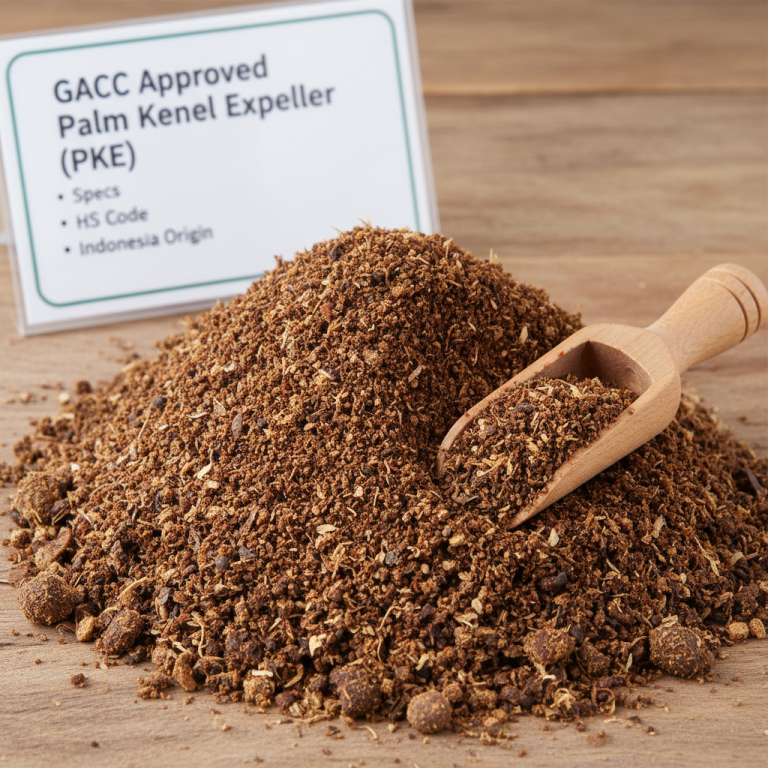
For those looking for an alternative, we also supply high-grade Palm Kernel Expeller and other feed components like Calcium Salts of Palm Oil Fatty Acids.
Quality Control and Risk Mitigation When Using Copra Meal
Despite its many benefits, there are important considerations to ensure the safe and effective use of copra meal. Quality control is paramount to prevent issues that could impact animal health and performance.

Identifying and Avoiding Aflatoxin Risks
The biggest concern is the potential for aflatoxin contamination, a toxic compound produced by certain molds (like Aspergillus flavus). This risk is higher in copra that has been improperly dried or stored. A study published in the journal Toxins highlights the importance of monitoring aflatoxin levels. Furthermore, a report from Cornell University’s College of Agriculture reinforces the need for strict moisture control during storage to prevent mold growth.
Best Practices for Storage and Handling
- Source from Reputable Suppliers: Always purchase from suppliers who conduct rigorous quality testing for moisture content and mycotoxins.
- Proper Storage: Store the meal in a cool, dry, and well-ventilated place to prevent mold growth and rancidity of the residual oil.
- Balanced Rations: Work with an animal nutritionist to ensure the final feed ration is balanced, especially regarding amino acids like lysine and methionine, which can be limiting in copra meal.
Makmur Amanah Sejahtera provides high-quality palm products such as Palm Kernel Expeller, Palm Kernel Shell, Crude Palm Oil, Palm Kernel Oil, etc. Kindly contact us at WhatsApp +6282140002198 or email us at admin@makmuramanah.co.id.
Frequently Asked Questions (FAQ)
1. Is copra meal good for horses?
Yes, it is excellent for horses needing weight gain and improved coat condition due to its high-fat, high-fiber profile. It provides a “cool” energy source but should be introduced gradually into a balanced diet to avoid any digestive upset.
2. What is the difference between copra meal and desiccated coconut?
Copra meal is the by-product of oil extraction used for animal feed. In contrast, desiccated coconut is dried, shredded coconut kernel with its natural oil intact, produced for human consumption in baking and cooking.
3. Can copra meal replace soybean meal completely?
Not completely in most diets. While it’s a great protein source, its amino acid profile differs from soybean meal. It is best used as a partial replacement to maintain an optimal balance of essential amino acids while significantly lowering feed costs.
4. How much copra meal can be included in a dairy cow’s diet?
Typically, it can be included at up to 20-30% of the concentrate ration for dairy cows. This level effectively boosts milk fat and energy without negatively impacting overall feed intake or digestion, making it a highly efficient supplement.
Conclusion: The Future is Sustainable and Profitable Feed
In the landscape of modern agriculture, efficiency and sustainability are paramount. Copra meal stands out as a premier ingredient that addresses both of these needs. With its high protein, valuable energy content, and cost-effective price point, it offers a competitive edge for livestock farmers aiming to optimize performance and profitability.
By understanding its nutritional benefits and practical applications, you can leverage this powerful coconut by-product to enhance your animal nutrition program. From improving milk quality in dairy herds to supporting healthy growth, copra meal is more than just a filler—it’s a cornerstone of intelligent and sustainable animal feed formulation.

 English
  Indonesian
  Chinese
  Arabic