
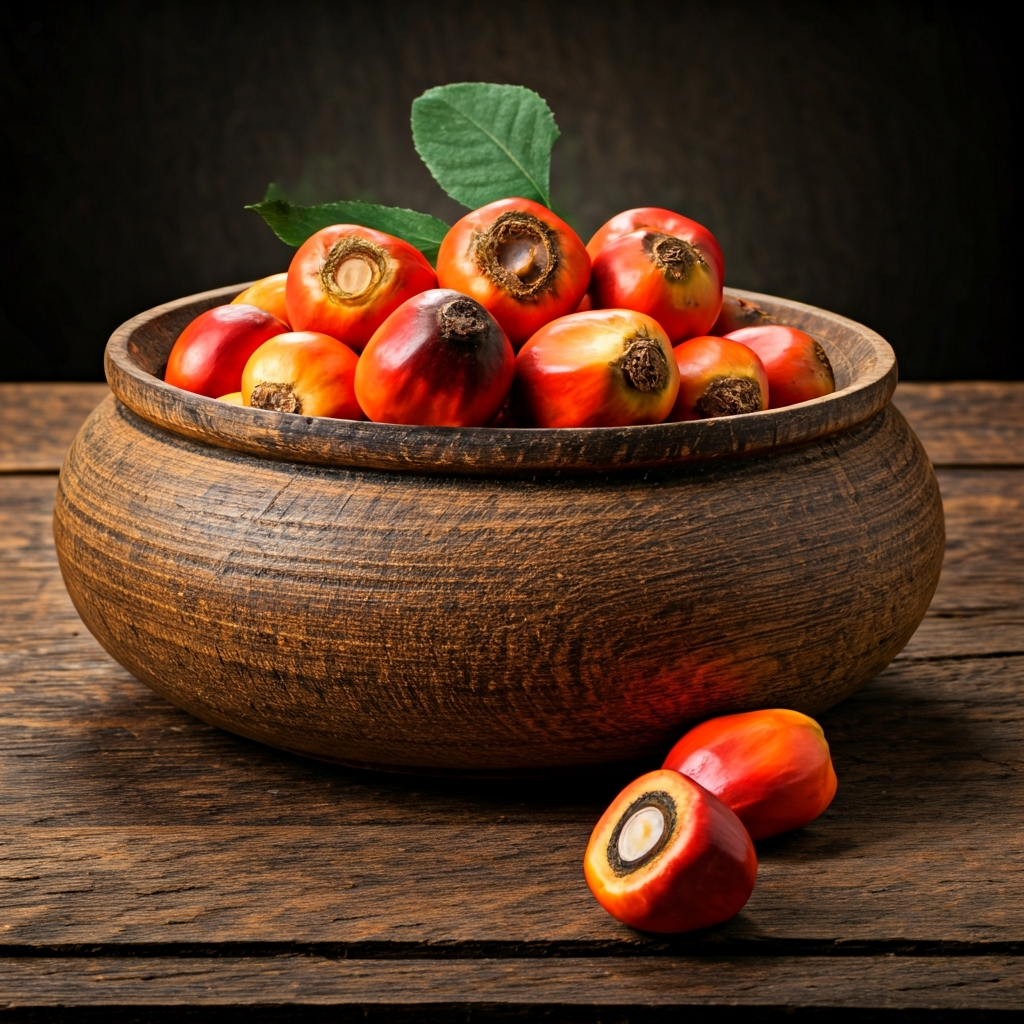
What is Palm Kernel Expeller (PKE)? A Complete Guide to Its Use in Animal Feed
The Palm Kernel Expeller is a critical, yet often misunderstood, component in the global animal feed industry. For farmers seeking cost-effective, high-energy feed, understanding PKE isn’t just optional—it’s essential for maximizing profitability and animal health in 2026.
As feed costs represent up to 70% of total production expenses, the pressure to find sustainable alternatives to grains like corn is immense. This guide offers an expert look at Palm Kernel Expeller, ensuring you can make profitable decisions for your operation.
What Exactly is Palm Kernel Expeller? A Foundational Overview
Palm Kernel Expeller (PKE) is a high-energy, mid-protein feed ingredient. It is a co-product created during the mechanical extraction of oil from the kernel (seed) of the palm fruit. It serves as an excellent source of energy, fiber, and protein for livestock, especially ruminants like cattle and goats.
Unlike palm oil, which comes from the fruit’s fleshy outer layer (the mesocarp), PKE is derived after crushing the seed. This makes it a valuable and sustainable co-product of the palm oil industry, turning a potential waste stream into a powerful resource for agriculture.
[Image: A close-up shot of coarse, brown Palm Kernel Expeller, showing its granular texture. Alt: Close-up of high-quality Palm Kernel Expeller. Title: The Texture of High-Quality Palm Kernel Expeller.]
How is Palm Kernel Expeller Made? The Production Process
The journey to create PKE begins after the palm fruit’s outer flesh is pressed for crude palm oil. The remaining nuts are then dried and cracked to release the valuable internal kernels.
- Kernel Crushing: The hard kernels are fed into a mechanical screw press, also known as an expeller.
- Oil Extraction: Intense pressure is applied, extracting the valuable Palm Kernel Oil from the kernels.
- By-Product Formation: The solid, fibrous material left behind is the Palm Kernel Expeller. It is then dried to a safe moisture level (around 10-12%) for storage and transport.
This mechanical process is vital because it ensures a higher residual oil content compared to solvent-extraction methods, directly contributing to PKE’s high energy value for animals.
Mechanical vs. Solvent Extraction: What’s the Difference?
Understanding the production method is key to its nutritional value. PKE is almost exclusively produced via mechanical pressing, which leaves a beneficial residual oil content of 5-12%.
In contrast, Palm Kernel Meal (PKM) often undergoes solvent extraction. This process uses chemicals like hexane to remove nearly all the oil, resulting in a product with lower energy but a slightly higher protein percentage. For high-energy rations, the mechanically-expelled PKE is the superior choice.
The Nutritional Profile of Palm Kernel Expeller
The nutritional composition of PKE can vary slightly based on the oil extraction efficiency, but it consistently presents a valuable profile for animal nutrition. It is highly regarded for its balance of protein, fiber, and energy.
Macronutrient Breakdown: Protein, Fiber, and Fat Content
A typical analysis of PKE reveals its strength as a balanced feed ingredient. While not as protein-rich as soybean meal, it offers a compelling package, especially for ruminants.
- Crude Protein: Ranges from 14-21%. This includes valuable “bypass protein” that is digested in the small intestine, crucial for muscle growth and milk production.
- Crude Fiber: Typically high, around 16-18%. This is highly beneficial for gut health and proper rumen function in ruminant animals.
- Crude Fat (Residual Oil): Between 5-12%. This is the primary driver of its high energy content.
- Metabolizable Energy (ME): Averages 10-12 MJ/kg, making it a potent energy source to fuel livestock performance.
Furthermore, its high phosphorus-to-calcium ratio is a key characteristic nutritionists must account for when formulating balanced rations, often supplementing with calcium sources.
[Image: Infographic titled ‘The Journey of a Palm Kernel’. It visually shows fruit harvesting -> kernel extraction -> oil pressing -> resulting Palm Kernel Expeller. Alt: Infographic showing the production process of Palm Kernel Expeller. Title: The Journey from Palm Fruit to Palm Kernel Expeller.]
Practical Applications: Using PKE in Animal Feed
The primary use of PKE is in formulating compound feeds for various livestock. Its unique nutritional makeup makes it particularly suitable for certain types of animals over others. For those managing diverse livestock, understanding its use alongside other products like Copra Meal is key to a versatile feeding strategy.
[Video Embed: A short video showing a mechanical screw press in action, with kernels going in and PKE coming out. Title: Watch How Palm Kernel Expeller is Produced.]
PKE for Ruminants (Cattle, Goats, Sheep)
This is where this feed ingredient truly shines. Ruminants can efficiently digest its high fiber content, converting it into energy. For dairy cows, inclusion rates of up to 30% of the total ration are common and support milk fat production, according to studies in the Journal of Dairy Science.
It serves as an excellent, cost-effective “filler” that is rich in energy and bypass protein. When formulating high-performance dairy rations, PKE is often used in conjunction with other supplements like Calcium Salts of Palm Oil Fatty Acids to maximize energy density and milk yield.
PKE in Poultry and Swine Diets: A Careful Balance
For monogastric animals like chickens and pigs, the high fiber content can be a limiting factor. Their digestive systems are not as equipped to handle it, which can hinder nutrient absorption. Therefore, inclusion rates must be managed carefully:
- Poultry: Generally kept below 10% in broiler and layer diets to avoid depressing growth rates or egg production.
- Swine: Used strategically in sow diets (up to 15%) where high fiber is beneficial for gut health, but limited in grower-finisher feeds to maximize energy intake.
Benefits and Drawbacks of Using Palm Kernel Expeller
No feed ingredient is perfect. A balanced assessment reveals that while the benefits of PKE are significant, there are limitations to consider. Making the right choice involves comparing it to other palm by-products, such as Palm Kernel Shell, which serves a different purpose entirely (as biofuel or animal bedding).
| Attribute | Palm Kernel Expeller (PKE) | Soybean Meal (SBM) |
|---|---|---|
| Cost | Generally more cost-effective | Higher market price |
| Crude Protein | 14-21% | 44-48% |
| Crude Fiber | High (16-18%) | Low (3-7%) |
| Best For | Ruminants (Cattle, Goats) | Monogastrics (Poultry, Swine) |
Addressing the Risks: Quality, Contaminants, and Sourcing
While PKE is a powerful tool, quality can be affected by processing, handling, and storage. When sourcing this vital feed component, it is imperative to partner with a reliable supplier who guarantees consistent quality and safety.
Key Quality Indicators to Check
A trustworthy supplier will provide transparent information about their product. Look for suppliers who offer a Certificate of Analysis (COA) for their Palm Kernel Expeller, detailing its nutritional composition. Key things to look for include:
- Moisture Content: Should be below 12% to prevent mold and mycotoxin growth.
- Shell Content: Low shell content indicates higher digestibility and energy.
- Aflatoxin Levels: Must be within safe limits for livestock, as confirmed by lab tests.
According to the Food and Agriculture Organization, strict quality control in the feed supply chain is paramount for animal health and food safety.
[Image: A healthy-looking dairy cow eating from a trough filled with a mixed ration that includes PKE. Alt: Dairy Cow enjoying a total mixed ration containing Palm Kernel Expeller. Title: Dairy Cow Enjoying Feed with Palm Kernel Expeller.]
Makmur Amanah Sejahtera provides high-quality palm products such as Palm Kernel Expeller, Palm Kernel Shell, Crude Palm Oil, Palm Kernel Oil, etc. Kindly contact us at WhatsApp +6282140002198 or email us at admin@makmuramanah.co.id.
Frequently Asked Questions (FAQ)
What is the main use of palm kernel expeller?
The primary use of Palm Kernel Expeller is as a mid-level protein and high-energy fiber source in animal feed. It is most widely used in rations for ruminant animals like dairy cattle, beef cattle, and goats due to its high fiber content and cost-effectiveness.
Is PKE good for dairy cows?
Yes, PKE is very good for dairy cows. Its high fiber content supports good rumen function and its residual oil provides the energy needed for milk production. As a result, research shows it can help increase milk fat content, a key quality parameter for farmers.
What is the protein content of palm kernel expeller?
The crude protein content of Palm Kernel Expeller typically ranges from 14% to 21%. While lower than soybean meal, it provides a valuable source of bypass protein that is particularly beneficial for ruminants, contributing to muscle growth and milk synthesis.
How does PKE compare to soybean meal?
PKE has lower protein and higher fiber than soybean meal. SBM is a premium protein source ideal for poultry and swine, while PKE is a more cost-effective energy and fiber source, best suited for cattle. They serve different primary roles in feed formulation.
What are the risks of using PKE?
The main risks are quality variability, contamination with mycotoxins if stored improperly, and high copper content, which can be toxic to sheep. Sourcing from a reputable supplier who provides a detailed analysis, like a COA, is crucial to mitigate these risks and ensure animal safety.
Conclusion: The Enduring Value of PKE in 2026
As we navigate the economic landscape of 2026, the role of efficient, sustainable, and powerful feed ingredients cannot be overstated. PKE is a by-product that has become a primary driver of profitability and health in livestock operations globally. From its energy-dense profile to its benefits for ruminant digestion, it stands out as a superior choice.
[Image: A world map highlighting the top PKE producing (Indonesia, Malaysia) and consuming countries (New Zealand, EU). Alt: A map showing global trade routes for Palm Kernel Expeller. Title: Global Hubs for Palm Kernel Expeller.]
By understanding its nutritional value, proper application, and quality indicators, you can leverage this feed ingredient to its full potential. Ensuring you source a high-quality product from a trusted partner is the final, critical step in harnessing the power of Palm Kernel Expeller for your success.
 English
  Indonesian
  Chinese
  Arabic