
Copra Meal: The Ultimate Guide to Its Powerful Uses (2024)
In the relentless quest for sustainable and cost-effective animal feed, farmers and nutritionists constantly seek high-performance ingredients. Finding a single component that ticks all these boxes can be a game-changer for any agricultural operation.
This is where Copra Meal enters the picture. As a powerful nutritional solution derived from the humble coconut, it offers a compelling blend of protein, energy, and fiber. If you need a reliable ingredient to enhance your livestock rations, this guide provides a comprehensive, science-backed look, ensuring you can make the best decisions for your farm’s success.
What Is Copra Meal?
Copra Meal is a high-value feed ingredient created as a byproduct of coconut oil production. After the oil is extracted from dried coconut kernel (copra), the remaining solids are ground into a palatable meal. This product is a powerhouse of protein, fiber, and energy.
It has become a crucial component in animal nutrition across the globe, particularly for ruminants, poultry, and swine. Often called “coconut meal,” it serves as an excellent alternative to common feedstuffs like soybean meal or Palm Kernel Expeller. Its tropical origin and byproduct status make it a sustainable choice, aligning with modern goals of a circular economy in agriculture.
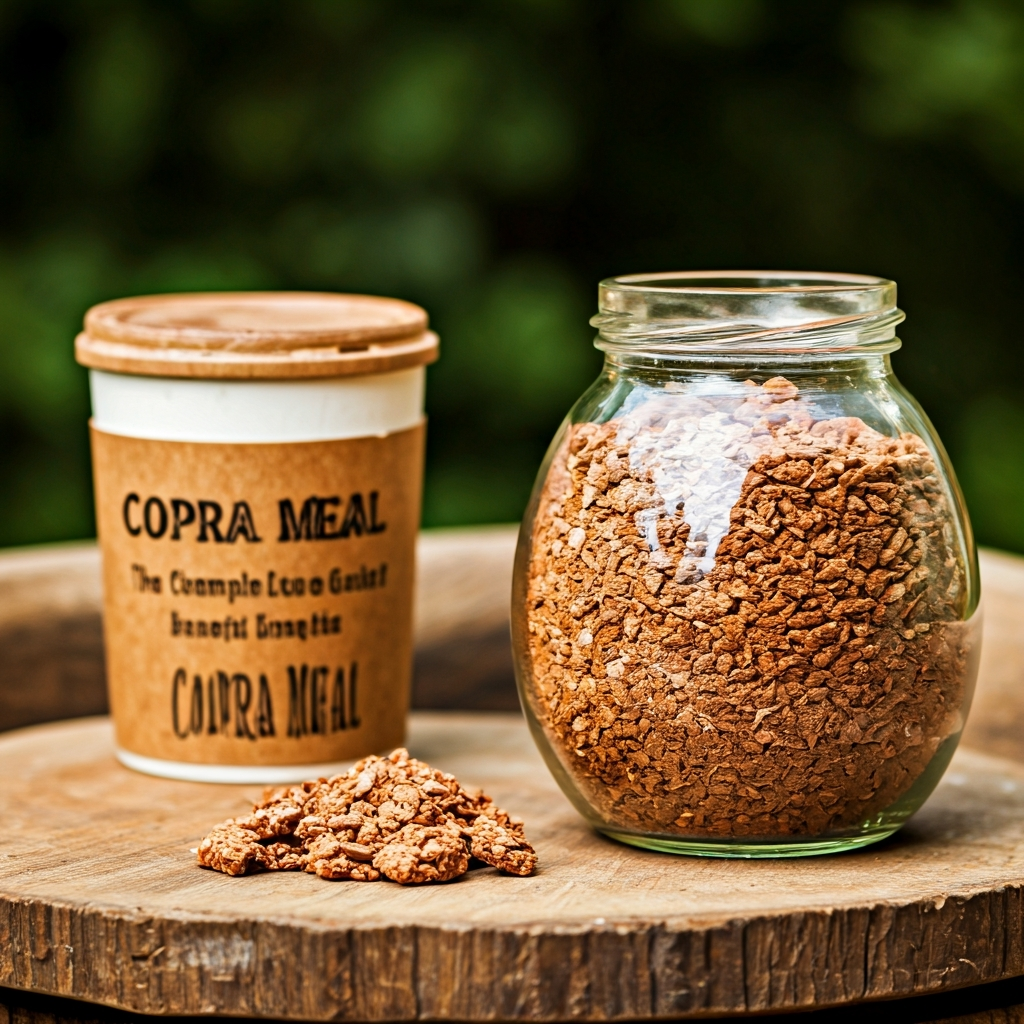
[Image: A detailed, close-up shot of light brown, granular copra meal, highlighting its texture. Image Title: The Texture of High-Quality Copra Meal. Alt Text: A macro photograph showing the granular texture of high-quality Copra Meal for animal feed.]
The Nutritional Profile of Coconut Meal: A Deep Dive
Understanding the nutritional composition of a feed ingredient is critical for accurate ration formulation. The value of this coconut byproduct lies in its balanced blend of essential nutrients that support animal growth, health, and productivity.
Macronutrient Composition (Protein, Fiber, Fat)
The primary appeal of coconut meal is its macronutrient content. While exact values can vary based on the oil extraction method (mechanical vs. solvent), a typical analysis reveals:
- Crude Protein: Generally ranging from 20-25%. The protein is rich in amino acids like arginine but is moderately low in lysine and methionine. This makes it an excellent complementary protein source to be used with other ingredients to balance the amino acid profile.
- Crude Fiber: Typically between 10-14%. This high fiber content is particularly beneficial for ruminant animals, as it supports healthy rumen function and digestion.
- Residual Oil (Fat): Depending on the extraction efficiency, it can contain 6-12% fat. This residual coconut oil is a fantastic source of highly digestible energy, primarily composed of medium-chain fatty acids (MCFAs) like lauric and capric acid, which are known for their antimicrobial properties. For alternative energy sources, formulators also explore products like Calcium Salts of Palm Oil Fatty Acids.
Micronutrients and Minerals
Beyond the primary nutrients, it also provides essential minerals. It is a good source of phosphorus, a critical element for bone development and energy metabolism. Additionally, it contains notable amounts of potassium, iron, and manganese. However, its low calcium content requires supplementation in the final feed mix to achieve a balanced calcium-to-phosphorus ratio.
7 Key Benefits of Using Copra Meal in Animal Feed
Integrating this feed ingredient into livestock diets offers a multitude of advantages that go beyond basic nutrition. These benefits contribute to improved animal performance, health, and farm profitability.
- High Energy Content: The residual coconut oil provides a concentrated and readily available energy source, supporting everything from milk production in dairy cows to growth rates in broilers.
- Excellent Palatability: Animals are naturally attracted to the sweet, nutty aroma of coconut meal. This high palatability encourages feed intake, which is especially crucial during periods of stress or for picky eaters.
- Supports Rumen Health: The highly digestible fiber is ideal for ruminants. It promotes a stable rumen environment and supports the microbial population, as noted in studies published by authoritative journals like Animal Production Science.
- Antimicrobial Properties: The MCFAs, particularly lauric acid, in the residual oil have natural antimicrobial effects. This can help suppress harmful gut pathogens and improve overall gut health, a topic frequently discussed by industry experts at FeedNavigator.
- Cost-Effective Protein Source: In many regions, this byproduct is a more affordable protein source compared to imported soybean meal, helping manage feed costs effectively.
- Improves Product Quality: In dairy cattle, feeding this ingredient has been linked to an increase in milk fat content. In poultry, it can contribute to a richer yolk color due to the natural pigments present.
- Sustainable and Natural: As a byproduct, using coconut meal promotes a zero-waste philosophy. It’s a natural ingredient, free from synthetic additives, which appeals to consumers seeking naturally-fed animal products.
Applications in Livestock Nutrition
The versatility of coconut meal allows for its inclusion in diets for a wide range of animals. However, understanding the specific application for each species is key to maximizing its benefits.
[Image: A healthy herd of dairy cows eating from a feed trough in a clean, modern barn. Image Title: Dairy Cows Benefiting from a Balanced Ration. Alt Text: A herd of dairy cows eating a total mixed ration that includes nutritious Copra Meal.]
For Ruminants (Cattle, Goats)
For ruminants, this is an exceptional ingredient. Its combination of protein and digestible fiber is a perfect fit for their digestive system. It is particularly valued in dairy rations for its positive impact on milk fat and in beef cattle diets to support steady growth.
In Poultry Diets
In poultry, Copra Meal is used more strategically. Due to its high fiber and lower levels of key amino acids, it’s typically included at rates of 5-15% of the total diet. When properly balanced, it is an effective and economical ingredient for both layer and broiler feeds.
For Swine and Aquaculture
For pigs, inclusion rates are generally kept moderate (5-10%). The sweet smell enhances feed intake, especially in starter feeds. In aquaculture, this ingredient is a sustainable plant-based protein for fish like tilapia and carp, reducing reliance on fishmeal.
[Video Embed: A YouTube video showing the process of coconut oil extraction and copra meal production. Title: From Coconut to Copra Meal: The Production Process]
How to Identify High-Quality Copra Meal
Sourcing a high-quality product is essential for achieving the best results. When evaluating a supplier, pay attention to the following indicators of quality:
- Color and Texture: Premium meal should have a uniform, light-to-golden-brown color. A dark or burnt appearance may indicate overheating during processing, which can damage proteins. The texture should be granular and consistent.
- Aroma: It should have a fresh, pleasant, and slightly sweet coconut smell. A sour or musty odor is a red flag for mold contamination or spoilage.
- Moisture Content: The ideal moisture level is below 12%. High moisture can lead to mold growth and reduce shelf life.
- Ask for a Certificate of Analysis (COA): A reliable supplier will provide a COA detailing the crude protein, fiber, fat, and moisture levels, ensuring the product meets your formulation requirements.
Coconut Meal vs. Other Feed Ingredients
Choosing the right ingredient requires a clear comparison. Here’s how this feedstuff stacks up against two other common materials: Soybean Meal and Palm Kernel Expeller.
| Attribute | Copra Meal | Soybean Meal | Palm Kernel Expeller |
|---|---|---|---|
| Crude Protein | 20-25% | 44-48% | 15-18% |
| Crude Fiber | 10-14% | 3-5% | 16-21% |
| Key Advantage | High palatability & energy | Excellent amino acid profile | High in fiber & cost-effective |
| Best For | Ruminants, improving intake | Monogastrics (Poultry/Swine) | Ruminant fiber source |
Potential Limitations and How to Mitigate Them
While an excellent ingredient, it’s crucial to be aware of its limitations. Proper formulation is key to unlocking its full potential and avoiding any negative impacts on animal performance.
[Image: Infographic titled “The Nutritional Breakdown of Copra Meal.” It should feature icons for Protein (22%), Fiber (12%), Fat (8%), and Minerals (Phosphorus, Potassium), with their corresponding percentages. Image Title: Copra Meal Nutritional Information Infographic. Alt Text: An infographic showing the nutritional composition of copra meal, including protein, fiber, and fat percentages.]
Understanding Anti-Nutritional Factors
The main consideration is its high level of non-starch polysaccharides (NSPs), which can be difficult for monogastric animals like poultry to digest. However, this is easily mitigated by using feed-grade enzymes (such as xylanase and mannanase) in the diet. These enzymes break down the complex fibers, releasing trapped nutrients and improving overall digestibility.
Recommended Inclusion Rates for Copra Meal
To ensure a balanced diet, it’s important to adhere to recommended inclusion levels. These are general guidelines that a qualified animal nutritionist can adjust:
- Dairy Cattle: Up to 25% of the total ration
- Beef Cattle: Up to 30% of the concentrate mix
- Poultry (Broilers/Layers): 5-15% of the total diet
- Swine: 5-10% of the total diet
- Goats & Sheep: Up to 20% of the ration
By respecting these levels and balancing for limiting amino acids, farmers can safely leverage the benefits of a high-quality Copra Meal.
Looking for a Reliable Supplier?
Makmur Amanah Sejahtera provides high-quality palm products such as Palm Kernel Expeller, Palm Kernel Shell, Crude Palm Oil, Palm Kernel Oil, and other derivatives like Cocopeat. For inquiries about our premium feed ingredients, kindly contact us.
WhatsApp: +6282140002198
Email: admin@makmuramanah.co.id
Frequently Asked Questions
What is copra meal used for?
It is primarily used as a protein and energy ingredient in animal feed for cattle, poultry, and pigs. It improves growth and milk production and is often a more cost-effective option than other protein sources.
Is copra meal good for pigs?
Yes, it is beneficial for pigs in moderation (5-10% of the diet). Its high palatability encourages feed intake, particularly in young animals, providing valuable energy and protein without impairing digestion.
What is the protein content of copra meal?
The crude protein content typically ranges from 20% to 25%. The exact percentage varies depending on the coconut source and the oil extraction method used (mechanical press vs. solvent extraction).
Can you feed too much coconut meal to livestock?
Yes, overfeeding can lead to imbalanced diets. Its high fiber can limit digestibility in non-ruminants if used excessively. It’s crucial to follow recommended inclusion rates and formulate rations with a nutritionist.
Where does copra meal come from?
It is a byproduct of the coconut industry. It’s sourced from the dried kernel of the coconut (copra) after the oil has been extracted, with major production in Indonesia, the Philippines, and India according to the FAO.
Conclusion: The Smart Choice for Modern Animal Nutrition
In conclusion, coconut meal stands out as a versatile, sustainable, and highly effective ingredient. Its unique combination of palatable protein, digestible fiber, and high energy offers a clear path to improving animal performance and health. From dairy farms to poultry operations, its benefits are tangible and scientifically supported.
[Image: A hand scooping up a pile of copra meal, with a backdrop of a blurred farm setting at sunset. Image Title: Sustainable Copra Meal for Animal Feed. Alt Text: A farmer’s hand holding a scoop of fresh Copra Meal at sunset, symbolizing its role in sustainable agriculture.]
By understanding its nutritional profile and incorporating it correctly, you can unlock a powerful tool to optimize your feed formulations, manage costs, and boost your bottom line. As you seek the best for your livestock, consider the proven advantages of incorporating a high-quality coconut byproduct into your feeding strategy for 2024 and beyond.

 English
  Indonesian
  Chinese
  Arabic