
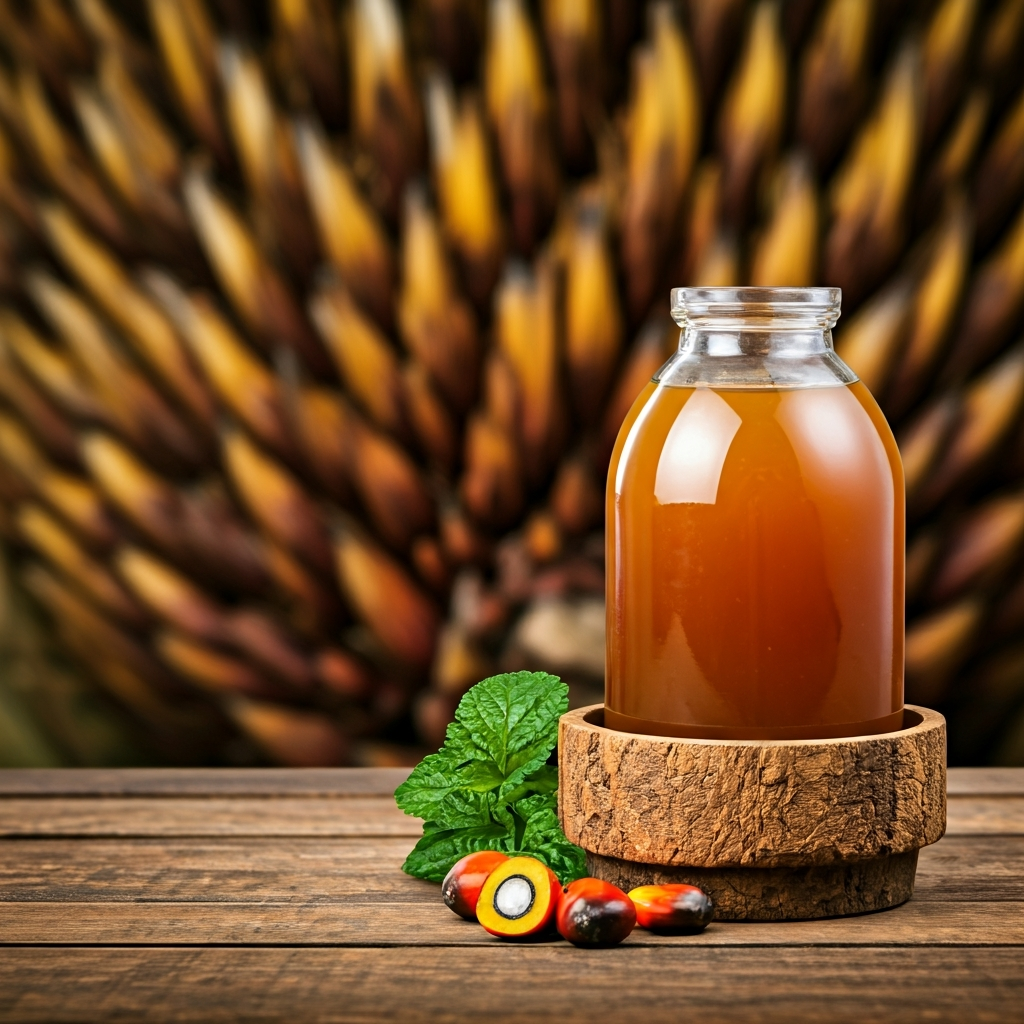
Palm Kernel Expeller (PKE): A Complete Guide to Uses, Benefits & Pricing
Palm Kernel Expeller is a powerhouse ingredient in the global animal feed industry, yet many farmers are just beginning to unlock its full potential. As traditional feed costs soar, understanding this sustainable and cost-effective alternative is no longer an option—it’s a competitive necessity for 2026.
This guide provides the single most comprehensive overview of PKE, engineered to help you make informed decisions that can significantly improve your livestock’s health and your bottom line. We will delve into its nutritional benefits, diverse applications, and the market dynamics that influence its price.
What is Palm Kernel Expeller (PKE)?
Palm Kernel Expeller (PKE) is a high-quality, protein-rich animal feed ingredient. It is a by-product derived from the mechanical extraction of oil from the kernel of the oil palm fruit (Elaeis guineensis). Often called Palm Kernel Cake, it is a crucial component in formulating rations for various livestock due to its unique nutritional composition and economic value.
Unlike other feed ingredients that are primary crops, PKE is a co-product. This makes it a more sustainable and environmentally friendly choice for feed formulators worldwide. Its production is directly linked to the palm oil industry, one of the world’s largest vegetable oil sectors.

The Journey from Palm Fruit to PKE: The Extraction Process
The creation of Palm Kernel Expeller is a multi-step process that ensures quality and nutritional integrity. It begins after the palm oil has been extracted from the fruit’s fleshy outer layer (mesocarp).
- Depericarping: The palm nuts are separated from the rest of the fruit bunch.
- Nut Cracking: The hard nuts are cracked to release the valuable palm kernel.
- Kernel Crushing: These kernels are crushed to break down their oil-rich cells.
- Mechanical Extraction: The crushed kernels are subjected to high pressure in a screw press. This “expels” the crude palm kernel oil, leaving behind the solid, fibrous residue known as Palm Kernel Expeller.
This mechanical process is crucial. It ensures PKE retains a moderate level of residual oil (typically 5-12%), which is a valuable source of energy for animals.
Suggested Video
[Embed a short video here from a provider like YouTube showing the mechanical screw press extraction of palm kernel oil, resulting in PKE.]
Title Idea: How Palm Kernel Expeller is Made
PKE vs. Palm Kernel Meal (PKM): A Critical Distinction
While the terms are often used interchangeably, there is a key difference between PKE and Palm Kernel Meal (PKM). The distinction lies in the oil extraction method. PKE comes from mechanical pressing, while PKM is what remains after a solvent-based extraction.
This difference creates a distinct nutritional profile, especially in its residual oil and fiber levels. PKE generally has higher energy content due to more residual oil, making it a preferred choice for many livestock applications.
Nutritional Profile of Palm Kernel Expeller
To leverage PKE effectively, you must understand its nutritional makeup. While it can vary based on processing and origin, high-quality PKE typically features:
- Crude Protein: 14-18%
- Crude Fat (Residual Oil): 5-12%
- Crude Fiber: 16-22%
- Metabolizable Energy: 7.5-8.5 MJ/kg for ruminants
Furthermore, PKE has a favorable amino acid profile and is a good source of minerals like phosphorus, calcium, and magnesium. These are essential for animal health, bone structure, and development.
The Core Benefits of Using Palm Kernel Expeller in Animal Feed
Incorporating PKE into animal diets offers many advantages that go beyond simple nutrition. These benefits impact animal health, farm economics, and environmental sustainability.
As a feed strategist, I have seen farms dramatically reduce costs without sacrificing performance by strategically using PKE. Its ability to improve gut health in ruminants while providing reliable, affordable energy makes it a clear winner.
1. High Fiber Content for Ruminant Health
One of the standout features of Palm Kernel Expeller is its high digestible fiber. For ruminant animals like cattle, sheep, and goats, this fiber is a functional ingredient that promotes excellent gut health.
The fiber stimulates rumination and saliva production, which acts as a natural buffer in the rumen, helping to prevent acidosis. A healthy gut is directly linked to better feed conversion and overall animal well-being, a topic highlighted in studies on ruminant nutrition in the Journal of Animal Science.
2. A Rich Source of Energy and Protein
PKE delivers a balanced combination of energy and protein. The residual palm oil makes it an excellent source of fat-based energy, which is more potent than carbohydrates. This energy is crucial for high-production animals, such as dairy cows in lactation or beef cattle in the finishing phase.
Additionally, its protein content provides the necessary building blocks for muscle growth and milk production. This makes it a valuable substitute for more expensive protein sources like soybean meal.
3. Cost-Effectiveness and Economic Advantages
Perhaps the most compelling benefit for producers is the economic advantage. On a per-unit-of-protein or per-unit-of-energy basis, Palm Kernel Expeller is consistently more affordable than traditional feedstuffs like corn and soy.
This price stability allows for formulating high-quality, least-cost rations, directly boosting a farm’s profitability. By substituting a portion of conventional grains with PKE, producers can achieve significant savings on feed bills, which often represent over 60% of total production costs.
Key Uses of Palm Kernel Expeller Across Industries
The versatility of PKE makes it a valuable commodity in several sectors. While its primary use is in animal feed, its applications are expanding as industries seek sustainable and cost-effective raw materials.

Dairy and Beef Cattle Feed Formulations
This is the largest market for Palm Kernel Expeller. In dairy rations, it’s prized for increasing milk fat content. For beef cattle, it serves as an excellent and safe feed for backgrounding and finishing, promoting steady weight gain.
Its high fiber and moderate starch make it a “safer” ingredient than high-starch grains, reducing metabolic risks. Many operations use Palm Kernel Expeller as a core component, sometimes alongside other beneficial additives like Calcium Salts of Palm Oil Fatty Acids to further enhance energy intake.
Poultry and Swine Rations
While its high fiber can be a limitation for monogastric animals like poultry and swine in large quantities, PKE is effectively used in smaller proportions (5-10% of the ration). It serves as a cost-effective source of protein and amino acids.
Research is focused on using enzymes to improve the digestibility of fiber in PKE for these animals, which could further increase its inclusion rates and value in these markets.
Aquaculture Feed
A growing application for PKE is in aquaculture. It is being used to formulate feeds for fish species like tilapia and catfish. As a plant-based protein, it helps reduce the reliance on more expensive and less sustainable fishmeal.

Emerging Use in Biofuel Production
Beyond animal feed, PKE is gaining traction as a biomass feedstock for biofuel production. Its organic nature and energy density make it a suitable material for generating heat and electricity, aligning with global efforts to embrace renewable energy, as tracked by agencies like IRENA.
This application creates a portfolio of sustainable solutions from a single crop, alongside other palm by-products like Palm Kernel Shell, a leader in the solid biofuel space.
Understanding Palm Kernel Expeller Pricing (2026 Market Analysis)
The price of PKE is not static; it is influenced by a complex interplay of global supply and demand. For any large-scale buyer, understanding these factors is key to optimizing procurement.
The market in 2026 continues to be shaped by weather patterns in Southeast Asia, global shipping logistics, and the price of competing feed ingredients.
Factors Influencing PKE Price Fluctuations
Several key variables can impact the cost of PKE on the international market:
- Price of Crude Palm Oil (CPO): A high CPO price incentivizes more processing, increasing the supply of PKE and potentially lowering its price.
- Soybean and Corn Prices: As PKE is a substitute, its price is often benchmarked against major commodities, with data available from sources like the USDA. When soy and corn are expensive, demand for PKE rises, and so does its price.
- Global Freight Costs: PKE is a bulk commodity. Shipping costs, as tracked by indices like those from Drewry, can represent a significant portion of the final landed price.
- Weather and Harvest Yields: Droughts or floods in major producing countries like Indonesia and Malaysia can impact palm fruit yields, affecting the entire supply chain.
How to Secure Competitive Pricing
To get the best price, buyers should focus on building relationships with reputable suppliers. Consider long-term contracts to hedge against market volatility and stay informed about global commodity trends. Purchasing from origin countries often provides a significant cost advantage.
| Attribute | Palm Kernel Expeller (PKE) | Copra Meal | Soybean Meal |
|---|---|---|---|
| Source | Oil Palm Kernel | Coconut | Soybean |
| Crude Protein | 14-18% | 20-26% | 44-48% |
| Crude Fiber | 16-22% | 8-12% | 3-5% |
| Primary Benefit | Balanced energy & fiber | High protein | Very high protein, low fiber |
| Cost | Low | Medium | High |
Secure Your High-Quality Palm Product Supply
Makmur Amanah Sejahtera provides high-quality palm products such as Palm Kernel Expeller, Palm Kernel Shell, Crude Palm Oil, Palm Kernel Oil, etc. Kindly contact us at WhatsApp +6282140002198 or email us at admin@makmuramanah.co.id.
Frequently Asked Questions (FAQ)
What is the main use of palm kernel expeller?
The primary use of Palm Kernel Expeller is as a key ingredient in animal feed, especially for ruminants like dairy and beef cattle. Its balanced profile of protein, energy, and high digestible fiber makes it an ideal and cost-effective component for livestock rations.
Is PKE good for dairy cows?
Yes, PKE is exceptionally good for dairy cows. Its high fiber content supports healthy rumen function, and the residual fat helps to increase the butterfat content of milk, a key quality parameter. It provides a cost-effective way to maintain energy intake for lactating cows.
How much protein is in palm kernel expeller?
High-quality Palm Kernel Expeller typically contains a crude protein level between 14% and 18%. While not as high as soybean meal, this protein is highly effective for livestock growth and milk production, especially when considering its overall economic value.
What is the difference between PKE and palm kernel shell?
PKE is the fleshy, nutritious part of the kernel left after oil extraction, used for feed. In contrast, the Palm Kernel Shell is the hard, woody outer covering of the kernel, which is separated before oil extraction. Shells are primarily used as a high-grade, solid biofuel.
Can chickens eat palm kernel expeller?
Yes, chickens can eat Palm Kernel Expeller, but typically in limited quantities (around 5-10% of their total diet). Its high fiber content is harder for monogastric animals like chickens to digest, but it serves as a good, affordable source of protein and other nutrients.
Conclusion: Your Strategic Advantage in 2026
As we navigate the economic landscape of 2026, the strategic importance of high-performance, sustainable, and cost-effective feed ingredients cannot be overstated. From its origin as a by-product to its role as a cornerstone of profitable livestock nutrition, PKE has proven its value time and again.

By integrating this ingredient into your feeding program, you can gain a significant competitive edge. The key is to demand quality, understand the market, and partner with reliable suppliers. Ultimately, a well-informed strategy involving Palm Kernel Expeller is a powerful step towards a more profitable and sustainable future for your operation.

 English
  Indonesian
  Chinese
  Arabic