
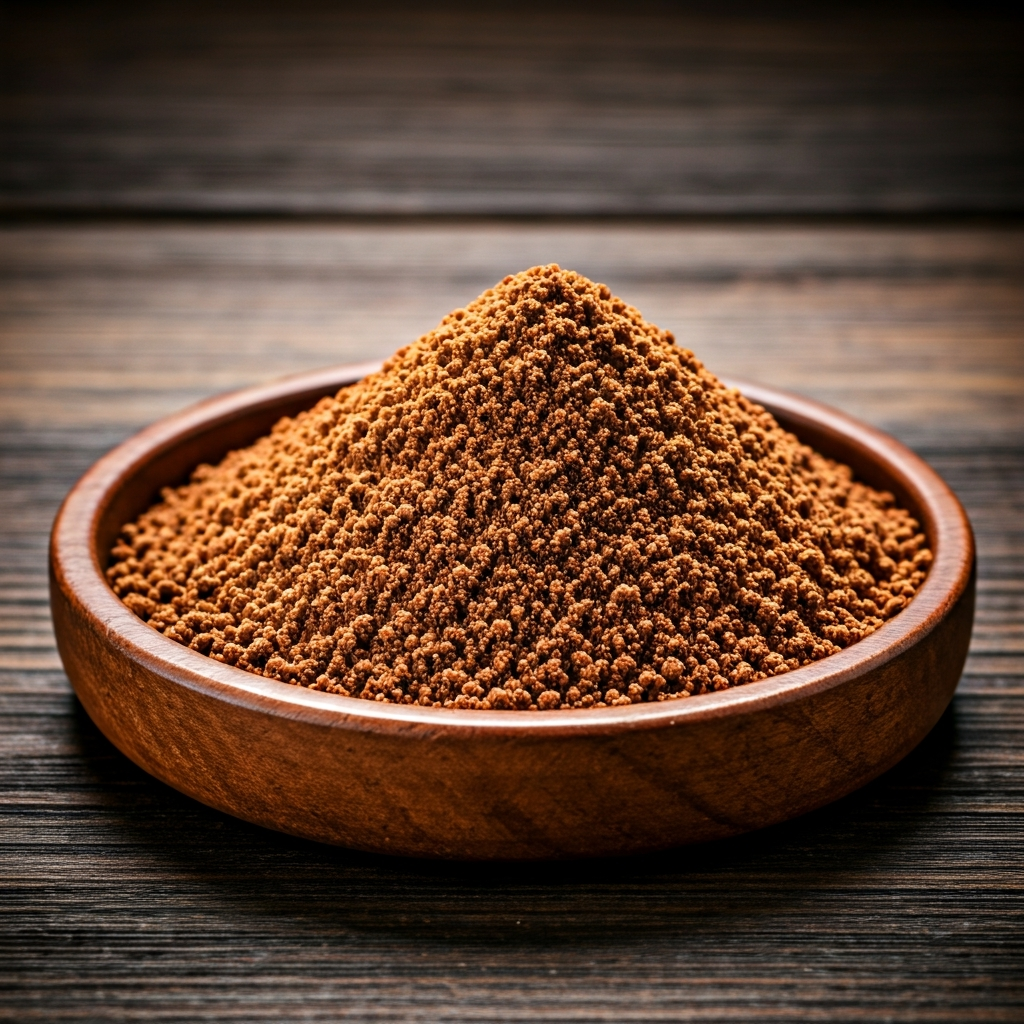
What is Copra Meal? A Complete Guide to Its Uses, Benefits, and Nutrition
What is copra meal and how can it revolutionize your approach to animal nutrition in 2026? For farmers and livestock managers seeking sustainable, cost-effective, and high-protein alternatives to combat rising feed costs, this guide offers the definitive answer. This powerful ingredient, a byproduct of coconut oil production, holds immense potential that is often underestimated.
While used in animal diets for decades, its full value as a significant protein and energy source is now being fully recognized. This article explores its nutritional composition, key benefits, and practical applications. We provide the expert knowledge you need to make informed, effective decisions for your livestock’s health and your farm’s bottom line.
What Exactly is Copra Meal?
Copra meal, also known as coconut meal or copra cake, is the residual material left after oil is extracted from dried coconut kernels (copra). It is a highly valuable protein supplement in animal feed for a wide range of livestock, including ruminants, swine, poultry, and horses. This ingredient is not just filler; it is a powerhouse of essential nutrients that can significantly enhance animal health and productivity.
Its unique composition makes it an excellent, and often more affordable, alternative to other protein sources like soybean meal. This makes it a strategic choice for optimizing feed formulations.

How is It Made? The Production Process
Understanding the production journey from coconut to feed ingredient helps in appreciating its quality. The process is straightforward but requires careful execution to preserve its nutritional value.
- Harvesting and Drying: Ripe coconuts are harvested, and the kernel is separated. This kernel is then dried, traditionally by sun-drying or more controlled kiln-drying, to create “copra.”
- Oil Extraction: The dried copra undergoes mechanical “expeller pressing,” where it is pressed under high pressure to squeeze out the valuable coconut oil.
- The Final Product: The solid residue remaining after oil extraction is the copra meal. It is then ground into a coarse, palatable meal. This mechanical method ensures a portion of the beneficial oil remains in the final feed product.
Copra Meal vs. Palm Kernel Expeller
While both are tropical byproducts used in feed, they originate from different plants. Copra meal comes from the coconut palm, whereas Palm Kernel Expeller derives from the oil palm. Both are excellent protein and fiber sources, but their nutritional profiles have key differences, which we’ll explore in the comparison table below.
Nutritional Profile: A Deep Dive
The nutritional value of coconut meal can vary based on the efficiency of the oil extraction, but it is consistently recognized for its rich protein, fiber, and energy content. According to a comprehensive analysis by the Food and Agriculture Organization (FAO), it provides a balanced array of key nutrients.
- Crude Protein: Typically ranges from 20-26%. It provides essential amino acids vital for muscle development, milk production, and growth.
- Crude Fiber: High in digestible fiber (12-18%), which is particularly beneficial for ruminant animals as it promotes healthy digestion and optimal gut function.
- Residual Oil (Fat): Contains 6-12% residual coconut oil. This fat is rich in medium-chain fatty acids (MCFAs), a source of highly digestible “cool” energy.
- Vitamins and Minerals: A good source of B vitamins, phosphorus, potassium, and other essential trace minerals that support overall animal wellness.
What is Copra Meal Used For? Key Applications
The versatility of this coconut byproduct allows for its inclusion in the diets of numerous animals. Its primary use is as a mid-level protein supplement, effectively reducing reliance on more expensive ingredients like soybean meal.
Ruminant Feed (Cattle, Goats, Sheep)
This is where the ingredient truly shines. It is an excellent feed for dairy and beef cattle. As noted by industry publications, the high fiber is ideal for rumen health, and its bypass protein quality contributes to increased milk production and better weight gain. Farmers often use it as a key component in Total Mixed Rations (TMR).
Swine and Poultry Feed
In moderation, coconut meal is an effective ingredient in pig and chicken diets. While its high fiber content can limit inclusion rates for these monogastric animals, it provides a cost-effective protein source. Formulators often blend it with other ingredients to create a balanced diet.
Equine Nutrition
The “cool” energy provided by this feed is a significant benefit for horses. The high fat and fiber content provide slow-release energy, which aids in conditioning and weight gain without the excitability (“fizz”) associated with high-starch feeds. It’s particularly popular for performance horses and those needing to improve their body condition.

The 7 Amazing Benefits of Using Copra Meal
Incorporating this sustainable ingredient into feed rations offers several compelling advantages for both farmers and their livestock.
- Cost-Effectiveness: It is often more affordable than soybean meal or fish meal, leading to significant savings in feed production costs without sacrificing quality.
- High Protein Content: Provides a substantial protein boost (20-26%) to support animal growth, milk production, and overall health.
- Rich in “Cool” Energy: The residual coconut oil offers a dense, slow-release energy source, ideal for weight gain and performance without causing excitability.
- Promotes Gut Health: The high fiber content aids digestive function, particularly in ruminants, by promoting a healthy and stable gut microbiome.
- Excellent Palatability: Most animals find the sweet, nutty aroma of copra meal highly palatable, which can help encourage consistent feed intake.
- Improved Animal Condition: The unique fats in coconut meal are known to contribute to a shinier, healthier coat and improved body condition in animals like horses and cattle.
- Sustainable and Natural: As a byproduct of the massive coconut industry, it is a sustainable resource. We offer high-quality Copra Meal as part of our commitment to natural feed ingredients.
Practical Feeding Guidelines & Inclusion Rates
While it is highly beneficial, proper inclusion rates are key to maximizing performance. Always consult with an animal nutritionist for specific ration formulations. The following are general guidelines based on research from institutions like government agricultural departments.
- Dairy and Beef Cattle: Can be included at up to 20-30% of the concentrate portion of the diet.
- Sheep and Goats: Recommended at 10-25% of the total feed ration.
- Swine: For growing and finishing pigs, rates of 5-20% are effective.
- Poultry: Due to higher fiber, limit to 5-10% for broilers and up to 15% for laying hens.
- Horses: Can be fed up to 2kg per day for an adult horse, depending on workload and condition.
Copra Meal vs. Other Ingredients: A Comparison
To make an informed choice, it’s crucial to see how this feed stacks up against other popular supplements. This table provides a clear comparison, highlighting its unique position in the market.
| Attribute | Copra Meal | Soybean Meal | Palm Kernel Expeller |
|---|---|---|---|
| Typical Protein % | 20-26% | 44-48% | 14-18% |
| Primary Energy Source | Fat & Fiber (Cool Energy) | Protein | Fiber & Fat |
| Lysine Content | Low | High | Low |
| Best For | Ruminant & Equine Energy/Protein | Monogastric High-Protein Source | Ruminant Fiber & Protein Source |
Sourcing Quality and Avoiding Risks
The quality of coconut meal can vary, so it’s vital to source it from a reliable supplier. Poor quality feed can be less effective and may pose health risks.
What to Look For
When purchasing, check for a light tan to medium brown color and a fresh, sweet, nutty smell. Avoid any product that smells musty, sour, or appears dark and clumped, as this can indicate mold. For safe storage, consider using clean, dry materials like Palm Kernel Shell as a base in storage areas to reduce ground moisture.
Potential Limitations
While an excellent feed, it has two main limitations. First, it is naturally low in the amino acid lysine, so diets for poultry and swine must be balanced accordingly. Second, like many tropical feeds, it can be susceptible to aflatoxin contamination if not dried and stored correctly. Sourcing from a trusted producer who conducts quality testing is essential. For boosting energy density without adding bulk, some formulations benefit from adding specialized fats like Calcium Salts of Palm Oil Fatty Acids.

[Video: A short documentary showing the copra meal production process from coconut harvesting to bagging the final product.]
Makmur Amanah Sejahtera provides high-quality palm products such as Palm Kernel Expeller, Palm Kernel Shell, Crude Palm Oil, Palm Kernel Oil, etc. We also supply related agricultural products like Cocopeat. Kindly contact us at WhatsApp +6282140002198 or email us at admin@makmuramanah.co.id.
Frequently Asked Questions (FAQ)
Is copra meal good for horses?
Yes, it is excellent for horses. It provides a “cool” energy source from fat and fiber, not starch, making it great for weight gain, conditioning, and performance without causing excitability. It also promotes a healthy, shiny coat.
What is the protein content of copra meal?
The crude protein content of this coconut byproduct typically ranges from 20% to 26%. This makes it a valuable medium-protein supplement for a wide variety of animal feeds, helping to support muscle growth and milk production.
Can chickens eat copra meal?
Yes, chickens can eat it, but it must be included in moderation. Due to its high fiber content, inclusion rates are typically kept below 10-15% of the total diet to ensure optimal digestion and nutrient absorption.
What is the difference between copra and coconut?
A coconut is the whole fruit from the coconut palm tree. Copra is the dried kernel, or meat, of the coconut. The copra is processed to extract coconut oil, and the leftover solid material becomes the valuable feed ingredient known as copra meal.
Is copra meal safe for all livestock?
It is safe for most livestock when sourced from a quality supplier and fed at appropriate inclusion levels. The primary concern is potential aflatoxin contamination from poor drying, so always choose a reputable source that performs quality control.

Conclusion: The Smart, Sustainable Future of Feed
In conclusion, copra meal is far more than just a byproduct; it is a strategic feed ingredient that offers a compelling blend of nutrition, affordability, and sustainability. From boosting milk yields in dairy cattle to providing safe, cool energy for performance horses, its applications are vast and proven.
By understanding what copra meal is and how to use it effectively—while being mindful of its limitations—you can unlock significant performance and economic benefits for your livestock operation in 2026 and beyond. It represents a smart choice for a more efficient and sustainable feeding strategy.
 English
  Indonesian
  Chinese
  Arabic