
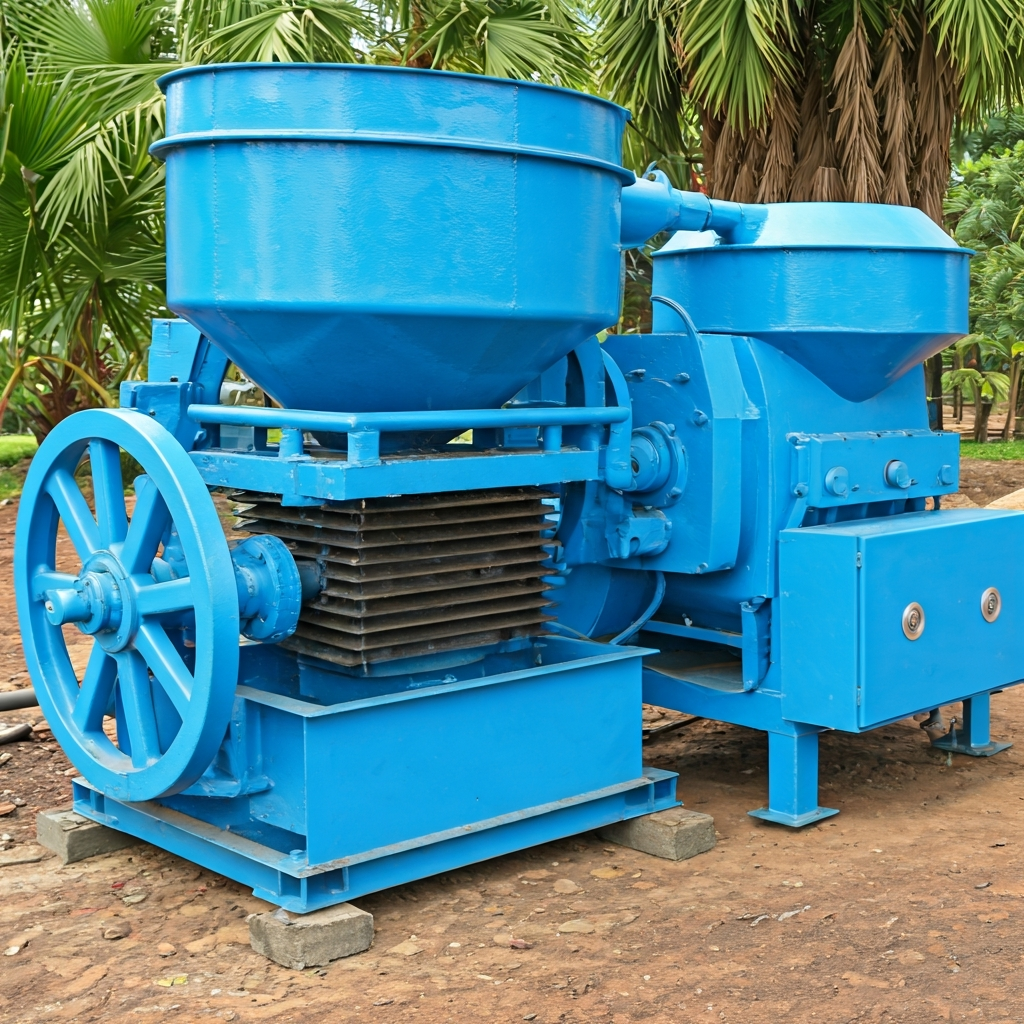
Palm Kernel Expeller (PKE): A Complete Guide on Uses, Specifications & Price
Palm Kernel Expeller (PKE) is one of the most cost-effective and valuable feed ingredients in the global agricultural industry. For livestock operators aiming to optimize feed costs without sacrificing nutritional value, understanding this potent byproduct is no longer optional—it’s essential for competitive success in 2026.
This comprehensive guide delivers everything you need to know, from detailed specifications and uses to the market factors influencing its price. If you want to unlock higher efficiency and profitability in your operation, PKE might be the missing piece of your puzzle. According to a recent industry analysis, the global market for palm kernel products is expected to grow by over 5% annually, highlighting its increasing importance.
What Exactly is Palm Kernel Expeller (PKE)?
At its core, Palm Kernel Expeller (PKE) is a high-quality feed ingredient derived as a byproduct of the palm oil extraction process. After the palm fruit is processed to extract Crude Palm Oil (CPO), the remaining nut is cracked to remove the kernel. This kernel is then crushed to extract Palm Kernel Oil (PKO).
The fibrous material left behind is the PKE. This material, also known as Palm Kernel Cake (PKC), is rich in protein, energy, and minerals, making it an exceptional component for animal rations. Its abundance as a byproduct of the world’s most consumed vegetable oil makes it a consistent and economically viable choice for farmers worldwide. It’s a true example of agricultural efficiency, turning a potential waste stream into a valuable resource.
[Image Suggestion 1]
Content: A close-up, high-resolution shot of light-brown, granular Palm Kernel Expeller in a large, clean pile.
Alt Text: A pile of high-quality Palm Kernel Expeller (PKE), a cost-effective livestock feed ingredient.
Title Attribute: High-Quality Palm Kernel Expeller (PKE)
The Mechanical Extraction Process Explained
The quality of PKE is directly related to its production method. The process begins with palm kernels being cleaned and then crushed using large mechanical screw presses. This “expeller” method physically squeezes the oil out of the kernels under immense pressure.
What remains is a solid, dense cake, which is then broken down into a coarse, granular meal—the Palm Kernel Expeller (PKE). This mechanical process is crucial because it ensures a higher residual oil content (typically 8-12%) compared to solvent extraction methods. This residual oil contributes significantly to its high energy value for livestock.
PKE vs. Palm Kernel Cake (PKC): What’s the Difference?
The terms Palm Kernel Expeller (PKE) and Palm Kernel Cake (PKC) are often used interchangeably. However, in modern industry parlance, both generally refer to the meal produced via mechanical expeller pressing, which is the dominant method.
The key differences lie in the resulting nutritional profile when compared to other feed ingredients like Copra Meal. Let’s compare them:
| Attribute | Palm Kernel Expeller (PKE) | Solvent-Extracted PKC | Copra Meal |
|---|---|---|---|
| Crude Protein | 14-17% | 15-18% | 20-24% |
| Crude Fat (Oil) | 8-12% | 1-3% | 6-10% |
| Crude Fiber | 16-18% | 17-20% | 10-12% |
| Primary Use | Energy & Protein Source | Primarily Protein Source | High Protein & Palatability |
Why PKE is a Sustainable Byproduct
In an era focused on sustainability, PKE stands out. It is not a crop grown specifically for feed; it is an unavoidable byproduct of an essential food industry. Utilizing PKE in animal feed is a prime example of upcycling within the agricultural value chain.
Furthermore, by converting what would otherwise be a waste product into a valuable feed resource, the palm oil industry enhances its overall efficiency and reduces its environmental footprint. Sourcing from suppliers who adhere to standards from organizations like the Roundtable on Sustainable Palm Oil (RSPO) ensures that the PKE contributes to a responsible and sustainable supply chain.
Nutritional Profile & Key Specifications of Palm Kernel Expeller (PKE)
The value of Palm Kernel Expeller (PKE) as a feed ingredient is rooted in its dense nutritional profile. It offers a balanced combination of energy, protein, and fiber, which are the cornerstones of any effective animal ration.
However, not all PKE is created equal. Quality can vary based on the efficiency of oil extraction and the amount of shell content. Therefore, understanding the typical analysis is crucial for proper feed formulation and for sourcing high-quality products, like the Palm Kernel Expeller offered by reputable suppliers.
Typical Analysis of Palm Kernel Expeller (PKE)
A standard specification sheet for high-quality PKE will typically show the following values on a dry matter basis:
- Crude Protein: 14-17%. Essential for muscle development, milk production, and overall growth.
- Crude Fat/Oil: 8-12%. A significant source of metabolizable energy, vital for high-production animals.
- Crude Fiber: 16-18%. Important for ruminant digestion and gut health.
- Metabolizable Energy (ME): Typically ranges from 10-12 MJ/kg, making it a powerful energy source.
- Moisture: Below 12% to ensure stability and prevent mold growth.
Understanding the Quality Grades
The primary factor determining PKE quality is the percentage of residual palm kernel shell. Less shell content means a higher nutritional value. High-quality PKE should have a low shell content, resulting in a lighter color and better digestibility.
When sourcing, always ask for a Certificate of Analysis (COA) to verify you are receiving a premium product. A comprehensive COA should specify:
- Crude Protein levels
- Crude Fat (Oil) content
- Crude Fiber percentage
- Ash and moisture levels
Conversely, lower-grade PKE with more shell fragments will have lower protein and energy content and higher fiber, making it less suitable for high-performance diets.
Primary Uses of Palm Kernel Expeller (PKE) in Animal Feed
The versatile nutritional profile of PKE makes it suitable for a wide range of livestock. Its unique combination of bypass protein and digestible fiber allows it to be a strategic component in many different types of animal rations.
From dairy cows to poultry, PKE provides a cost-effective solution to meet energy and protein requirements. As a farm manager or nutritionist, knowing how to incorporate it correctly is key to unlocking its full potential.
[Image Suggestion 2: Infographic]
Content: An infographic titled ‘The Journey of a Palm Kernel’. It should visually show a palm fruit, its processing into CPO and the kernel, the kernel being crushed (expeller press), and the two final products: Palm Kernel Oil and Palm Kernel Expeller (PKE).
Alt Text: An infographic showing the journey from palm fruit to Palm Kernel Expeller (PKE) and Palm Kernel Oil.
Title Attribute: How Palm Kernel Expeller (PKE) is Made
PKE for Ruminants: Cattle, Goats, and Sheep
PKE is most famously used in the diets of ruminant animals. For dairy cattle, it is highly valued for its ability to increase milk fat content due to its high C16:0 (palmitic acid) content. The high fiber is also beneficial for rumen function. This effect can be further enhanced by complementing the diet with other supplements like Calcium Salts of Palm Oil Fatty Acids.
In beef cattle, goats, and sheep, PKE serves as an excellent energy and protein source in backgrounding and finishing rations. It can safely make up 20-30% of the total diet, and in some systems, can be included at up to 50% when properly balanced.
PKE in Poultry and Swine Diets
While PKE is primarily a ruminant feed, it also has a place in monogastric diets. Its high fiber content limits its inclusion rate for poultry and swine. However, at lower levels (typically 5-8%), it serves as a good source of protein and essential amino acids.
Recent research in feed technology, such as the use of fiber-degrading enzymes, is opening the door for higher inclusion rates in the future. It is also an excellent bedding material in poultry farms, serving a dual purpose.
Factors Influencing Palm Kernel Expeller (PKE) Price & Market Trends (2026)
The price of Palm Kernel Expeller (PKE) is dynamic, influenced by a variety of global and local factors. As of 2026, understanding these drivers is critical for procurement managers and traders looking to make timely and cost-effective purchasing decisions.
Global Supply and Demand Dynamics
The primary driver of the PKE market is the output of the palm oil industry in major producing countries like Indonesia and Malaysia. A bumper harvest of palm fruits leads to higher CPO production and, consequently, a larger supply of PKE, which can put downward pressure on prices.
Conversely, demand is driven by the animal feed sector, particularly from major importing regions like New Zealand, Europe, and China. As highlighted by agricultural news source FeedNavigator, a drought in a key pasture region can spike demand for supplementary feeds like PKE.
Impact of Crude Palm Oil (CPO) and Energy Prices
The PKE market is intrinsically linked to the broader commodity markets. The price of Crude Palm Oil (CPO) and its derivatives like RBD CP8 has a direct impact. Higher CPO prices incentivize more production, increasing the supply of PKE.
Furthermore, global energy prices affect the market. Freight and logistics costs, a significant portion of the final delivered price, are directly tied to fuel costs. Even the cost of alternative materials like Palm Kernel Shell, used for biomass energy, can influence mill processing decisions.
[Video Suggestion]
Content: Embed a short YouTube video showing the mechanical pressing of palm kernels and the separation of oil and PKE.
Title: How Palm Kernel Expeller is Manufactured
The Benefits and Potential Drawbacks of Using PKE
Adopting PKE into a feed strategy offers significant advantages, but it also requires careful management. Understanding both sides allows for maximum benefit while mitigating any potential risks.
Top 5 Benefits for Livestock Producers
- Cost-Effectiveness: PKE is consistently one of the most competitively priced feed ingredients on a per-unit of energy and protein basis.
- High Energy Content: The residual oil provides a dense source of calories, perfect for high-production animals.
- Boosts Milk Fat: In dairy rations, PKE is proven to increase milk fat percentage, leading to higher milk payments.
- Sustainable Sourcing: It is an upcycled byproduct, which improves the sustainability credentials of a farming operation.
- Year-Round Availability: As a byproduct of the massive palm industry, supply is generally stable and consistent throughout the year.
Addressing Concerns: Mycotoxins and Palatability
Like any feed stored in a tropical environment, PKE can be susceptible to mold and mycotoxins if not handled and stored correctly. According to research published by the National Institutes of Health, proper drying and storage are critical.
Therefore, it is non-negotiable to source from suppliers who guarantee low moisture content and provide a recent analysis for contaminants. Additionally, some animals may find PKE unpalatable at first. It is often recommended to introduce it gradually into the diet, mixing it with more palatable feeds like molasses.
[Image Suggestion 3]
Content: A healthy dairy cow eating from a trough containing a visible feed mix.
Alt Text: A dairy cow enjoying a feed ration containing Palm Kernel Expeller (PKE).
Title Attribute: Palm Kernel Expeller (PKE) for Dairy Cattle
Makmur Amanah Sejahtera provides high-quality palm products such as Palm Kernel Expeller, Palm Kernel Shell, Crude Palm Oil, Palm Kernel Oil, etc. Kindly contact us at WhatsApp +6282140002198 or email us at admin@makmuramanah.co.id.
Frequently Asked Questions about Palm Kernel Expeller (PKE)
How is palm kernel expeller made?
It is made from the fibrous residue left after mechanically crushing palm kernels to extract palm kernel oil. This resulting “cake” is then broken down into a meal, which is a protein and energy-rich animal feed ingredient.
Is PKE good for dairy cattle?
Yes, it is excellent for dairy cattle. Its high fiber content supports good rumen health, and its specific fat profile is known to significantly increase the butterfat percentage in milk, which can increase profitability for farmers.
What is the average protein content of PKE?
High-quality Palm Kernel Expeller (PKE) typically contains a crude protein content ranging from 14% to 17%. The exact percentage can vary slightly based on the efficiency of the oil extraction process and residual shell content.
How does PKE compare to other feed ingredients like Copra Meal?
PKE generally has lower protein but higher fiber than Copra Meal. PKE is valued for its balance of energy and protein, while Copra Meal is often used for its higher protein content and excellent palatability, especially in starter feeds.
Where can I buy high-quality Palm Kernel Expeller (PKE)?
You can source high-quality PKE from established agricultural commodity suppliers specializing in palm products. It is crucial to choose a supplier who provides a Certificate of Analysis to guarantee nutritional content and low contaminants.
Conclusion: The Enduring Value of Palm Kernel Expeller (PKE)
In conclusion, Palm Kernel Expeller (PKE) has rightfully earned its place as a cornerstone ingredient in modern animal feed formulation. Its unbeatable cost-effectiveness, combined with a robust nutritional profile, makes it an indispensable tool for farmers striving for efficiency and profitability.
The benefits are clear and proven, from boosting milk fat in dairy cows to providing sustainable energy for a range of livestock. As we move through 2026, the strategic use of high-quality byproducts will only become more critical.
By understanding its uses, specifications, and market drivers, you can leverage this powerful ingredient to its full potential. To secure a competitive edge, ensuring a consistent supply of premium Palm Kernel Expeller (PKE) is a foundational step toward a more productive and profitable operation.
 English
  Indonesian
  Chinese
  Arabic