
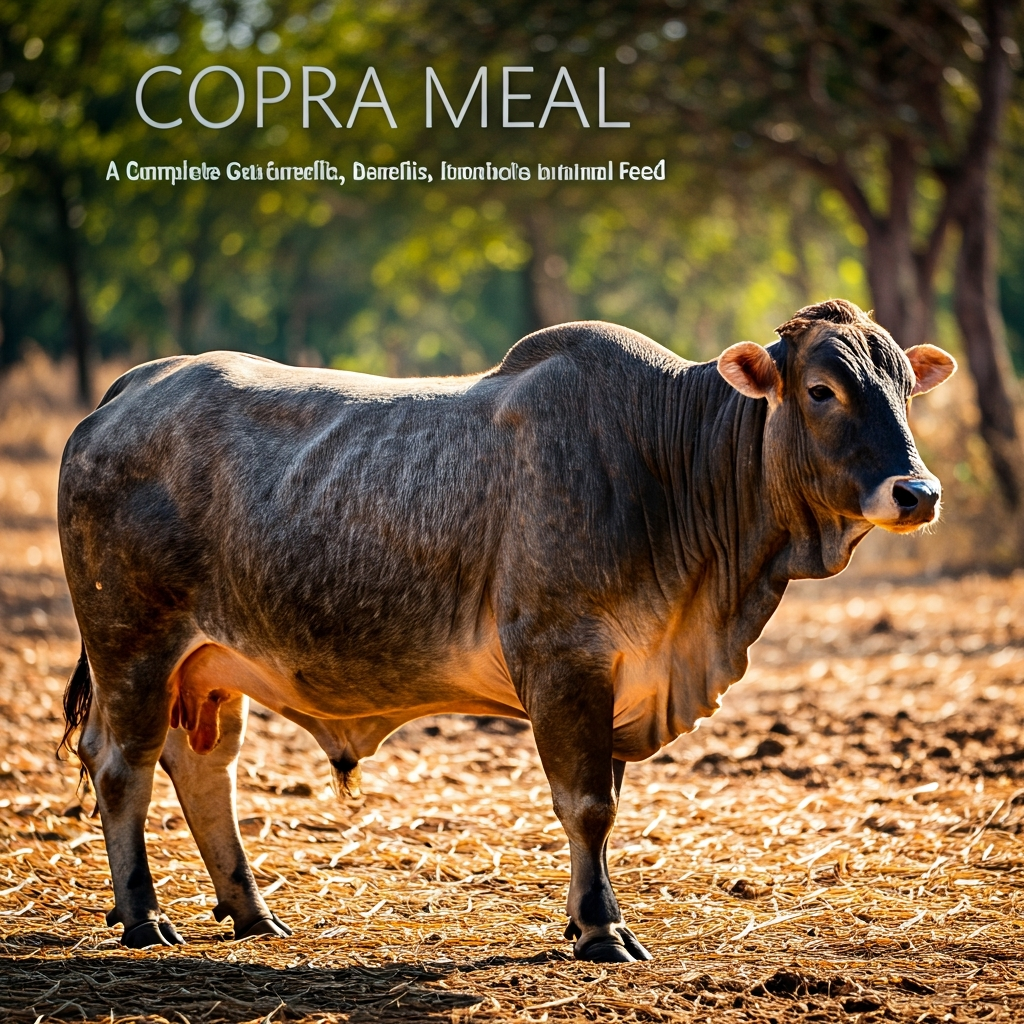
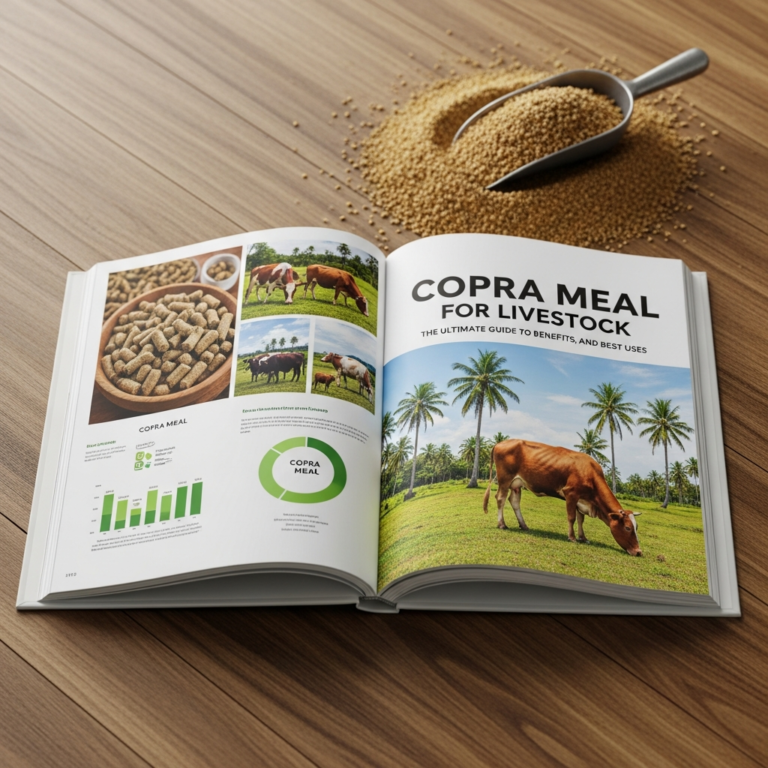
Copra Meal: The Ultimate Guide to Its 7 Key Benefits (2024)
This comprehensive guide explores Copra Meal, a powerful and cost-effective ingredient in animal feed. Are you struggling with volatile feed prices and searching for a sustainable, high-protein alternative? This article provides the definitive solution you’ve been looking for.
The global demand for high-quality animal feed is relentlessly increasing. This puts immense pressure on farmers and feed manufacturers to find economical yet nutritious ingredients.
According to a 2023 report from the International Feed Industry Federation (IFIF), feed costs can represent up to 70% of total production expenses in livestock farming. This financial strain necessitates exploring alternative feedstuffs like coconut meal to maintain profitability and sustainability.
What Exactly is Copra Meal?
Copra meal is a key feed ingredient derived from the dried kernel of the coconut (Cocos nucifera). After the extraction of coconut oil, the remaining fibrous material is processed into what is known as copra cake or coconut meal. It stands as a valuable source of protein, energy, and fiber, making it a popular choice for various livestock diets globally.
This ingredient is particularly important in regions where coconuts are abundant, providing a sustainable and locally sourced component for animal nutrition. Its unique composition offers a balanced nutritional profile that can supplement or even replace more expensive feed sources like soybean meal, depending on the specific dietary needs of the animal.

The Journey from Coconut to Copra Meal
Understanding how this feed is produced reveals the care and processes that ensure its quality. The transformation from a fresh coconut to a valuable feed ingredient involves several key stages.
Step 1: De-husking and Splitting
The process begins with mature coconuts. Workers remove the outer husk and split the hard inner shell open, typically into halves. This initial step is crucial for accessing the valuable kernel inside.
Step 2: Drying the Kernel (Copra Production)
Next, the coconut kernel is dried to significantly reduce its moisture content, a process that can be achieved through sun-drying or kiln-drying. The resulting dried kernel is called “copra” and is the direct precursor to both coconut oil and the meal itself.
Step 3: Oil Extraction and Meal Formation
The copra then undergoes an oil extraction process, usually through a mechanical press (expeller). Intense pressure squeezes the oil out, leaving behind the solid residue. This residue is the copra cake, which is then ground to create the final, usable Copra Meal. The quality of this final product is highly dependent on the efficiency of the oil extraction, with lower residual oil content often being preferred for certain applications.
Comprehensive Nutritional Profile of Coconut Meal
A quality Copra Meal is distinguished by its rich nutrient composition. While exact values can vary based on processing methods, a typical analysis provides a strong baseline for feed formulation.
As an expert in animal nutrition, I’ve seen how leveraging this profile can transform a feeding program. Here are the key nutritional components:
- Crude Protein: Typically ranges from 20-25%. It provides essential amino acids for growth and tissue repair, although it is lower in lysine and methionine compared to soybean meal.
- Crude Fiber: High in fiber, often 12-18%. This aids in digestive health for ruminants but may limit its use in high percentages for monogastric animals like poultry.
- Crude Fat/Oil: Residual oil content is usually between 6-12%. This is a significant source of concentrated energy. Products like Calcium Salts of Palm Oil Fatty Acids are another way to add energy to feed.
- Metabolizable Energy: Provides a good source of energy for most livestock, making it a cost-effective calorie source.
- Minerals: Contains a good profile of minerals like phosphorus, potassium, and magnesium.
Furthermore, referencing authoritative sources like the Animal Feed Science and Technology journal confirms the high variability but also the high potential of coconut-based products in feed systems.
7 Key Benefits of Using Copra Meal in Animal Feed
Incorporating this ingredient into livestock diets offers a multitude of advantages that go beyond simple nutrition, impacting both animal welfare and farm economics.
- Cost-Effectiveness: It is often more affordable than traditional protein sources like soybean or fish meal, significantly lowering overall feed costs.
- High Energy Source: The residual oil content makes it an excellent source of energy, promoting weight gain and productivity.
- Rich in Digestible Fiber: Especially beneficial for ruminants, the high fiber content supports healthy gut function and digestion.
- Palatability: Most livestock, particularly cattle, find the slightly sweet taste of coconut meal highly palatable, which can improve feed intake.
- Sustainable and By-product Utilization: Using it promotes a circular economy by making full use of the coconut harvest, reducing waste. It’s a key part of the coconut ecosystem, much like Cocopeat is for horticulture.
- Good Protein Source: With a protein content of up to 25%, it serves as a reliable building block for muscle development and animal growth.
- Lowers ‘Feed Anxiety’: By diversifying your feed sources with ingredients like this, you reduce reliance on a single commodity, buffering your operation from market volatility.

Practical Applications: How to Use Copra Meal for Different Livestock
The versatility of this feed ingredient allows for its inclusion in diets for a wide range of animals. However, the optimal inclusion rate varies significantly based on the species, age, and production stage.
Copra Meal for Ruminants (Cattle, Goats, Sheep)
Ruminants are exceptionally good at utilizing the high fiber content. For dairy cows, the meal can increase milk fat content due to its oil profile. Recommended inclusion is typically 15-30% of the total diet concentrate.
For Poultry (Broilers and Layers)
In poultry feed formulation, it is used more cautiously due to its high fiber and specific amino acid profile. Inclusion rates are generally kept below 10-15%. Exceeding this can impact growth rates, but at lower levels, it’s an excellent, affordable nutrient source.
For Swine (Pigs)
Is copra meal good for pigs? Yes, with proper formulation. For growing and finishing pigs, inclusion rates of 15-25% are common. The high energy content is beneficial, but it’s often balanced with other protein sources to ensure adequate lysine levels for optimal growth.
For Aquaculture (Fish and Shrimp)
It also finds a place in aquaculture feeds, particularly for herbivorous or omnivorous fish species. It acts as a binder and a source of protein and energy, though its high fiber can be a limiting factor for some carnivorous species.
Copra Meal vs. Other Feed Ingredients: A Comparative Analysis
Choosing the right ingredients is a critical decision in feed formulation. Here’s how Copra Meal stacks up against other common alternatives like Soybean Meal and Palm Kernel Expeller.
| Attribute | Copra Meal | Soybean Meal | Palm Kernel Expeller |
|---|---|---|---|
| Crude Protein | 20-25% | 44-48% | 15-18% |
| Crude Fiber | 12-18% | 3-5% | 18-23% |
| Key Advantage | High energy, palatable | High protein, balanced amino acids | Very cost-effective, high fiber |
| Best For | Ruminants, energy supplement | Monogastrics (Poultry, Swine) | Ruminant fiber source |
While soybean meal offers higher protein, Copra Meal often presents a better value proposition when considering energy and cost. It is also often compared to Palm Kernel Expeller, another tropical byproduct, but it generally has higher protein and energy density. According to the USDA, diversifying feed ingredients is a key strategy for mitigating risk in livestock operations.

Potential Limitations and Considerations
Despite its many benefits, there are factors to consider for optimal use. Awareness of these limitations is key to successful implementation.
Amino Acid Imbalance
The primary nutritional drawback is its low content of the essential amino acids lysine and methionine. Therefore, when used in high concentrations, particularly for monogastric animals, diets must be supplemented with synthetic amino acids or other protein sources to ensure balanced nutrition.
Aflatoxin Risk
Like many agricultural commodities stored in tropical climates, copra is susceptible to mold growth, which can produce mycotoxins like aflatoxin. It is absolutely essential to source your feed from a reputable supplier like Makmur Amanah Sejahtera who performs rigorous quality control and testing to guarantee a safe, clean product. Reputable sources are listed on sites like FeedNavigator, a leading industry publication.
Makmur Amanah Sejahtera provides high-quality palm products such as Palm Kernel Expeller, Palm Kernel Shell, Crude Palm Oil, Palm Kernel Oil, etc. Kindly contact us at WhatsApp +6282140002198 or email us at admin@makmuramanah.co.id.
Frequently Asked Questions (FAQ) about Copra Meal
What is the main difference between copra meal and soybean meal?
The main difference is nutritional. Soybean meal has higher crude protein (44-48%) and a more balanced amino acid profile, ideal for poultry and swine. Copra meal has lower protein (20-25%) but is higher in fiber and energy-rich fat, making it excellent for ruminants.
Can copra meal be fed to horses?
Yes, it is an increasingly popular feed for horses. As a “cool” energy source, it provides calories without the high-starch “fizz” from grains. Its high fiber and fat are beneficial for weight gain and coat condition. Always introduce new feeds slowly.
What is the ideal inclusion rate for copra meal in poultry feed?
For poultry, the ideal inclusion rate is generally between 5-15%. While cost-effective, its high fiber content can limit digestibility and growth rates if used at higher levels, especially in the diet of young birds. This makes it a balanced choice when used correctly.
How does the oil in copra meal benefit dairy cows?
The residual coconut oil is rich in medium-chain fatty acids (MCFAs). This unique fat profile can increase the butterfat percentage in milk from dairy cows, enhancing its quality and value. It also serves as a readily available energy source for the animal.
Is copra meal a sustainable feed ingredient?
Yes, it is highly sustainable. As a by-product of the coconut oil industry, it utilizes a material that might otherwise be wasted. This promotes a circular economy, reduces environmental impact, and adds value across the entire coconut supply chain.

Conclusion: The Future of Feed
In conclusion, the strategic use of Copra Meal represents a significant opportunity for the animal feed industry. Its unique combination of being a cost-effective, energy-rich, and sustainable ingredient makes it an invaluable tool for nutritionists and farm managers aiming to optimize performance and profitability in 2024 and beyond.
By understanding its nutritional profile, benefits, and practical applications, you can effectively integrate this powerful ingredient into your feeding strategies. Whether for ruminants, swine, or poultry, embracing alternative feedstuffs like a quality copra meal is not just a good choice; it’s an essential strategy for a successful and resilient agricultural future.

 English
  Indonesian
  Chinese
  Arabic