
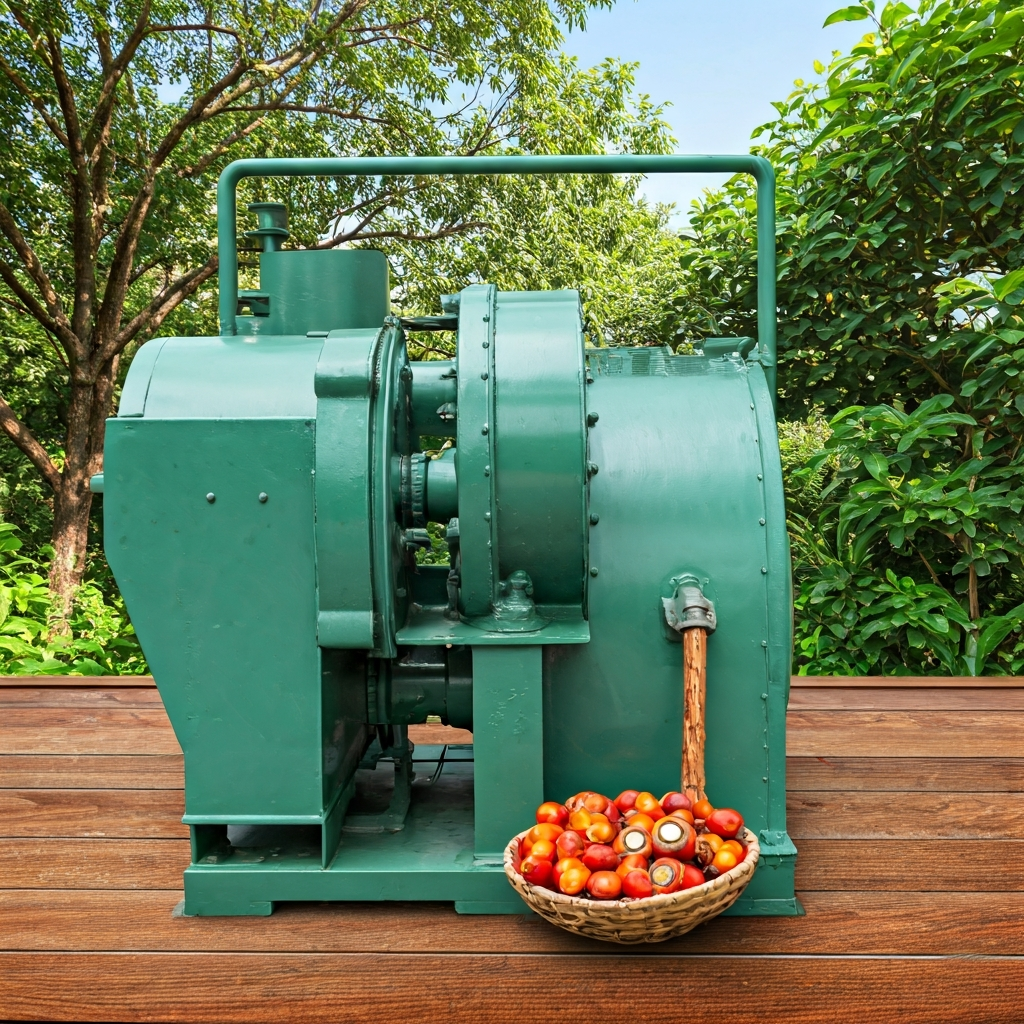
Palm Kernel Expeller: The Complete Guide to Uses & Specs (2026)
Palm Kernel Expeller is an essential, high-value animal feed ingredient that is transforming livestock nutrition and promoting agricultural sustainability. As global demand for high-protein feed ingredients intensifies and supply chains face new pressures, are you leveraging this powerful resource to its full potential? This guide unveils everything you need to know about this incredible palm oil by-product.
The relentless search for cost-effective, nutrient-rich feed ingredients is a constant challenge in the global agricultural sector. The compound feed market continues to grow year-on-year, putting immense pressure on traditional resources like soybean and corn. In this landscape, PKE emerges as a game-changing alternative, offering both economic and nutritional advantages.
What Exactly is Palm Kernel Expeller (PKE)?
Palm Kernel Expeller (often abbreviated as PKE) is a crucial co-product derived from the oil palm tree (Elaeis guineensis). It is the fibrous, proteinaceous material that remains after the mechanical extraction of oil from the palm kernel. It is one of several valuable materials from the palm industry, which also provides Palm Kernel Shell for biofuel.
This mechanical process, involving drying and screw-pressing, ensures that a significant portion of nutrients remains locked in the material, making it an excellent ingredient for animal nutrition. Unlike solvent-extracted meal, this process yields a product with a higher residual oil content, which is a valuable source of energy for livestock.
The Production Process: From Palm Kernel to Expeller
Understanding the production journey highlights the quality of PKE. The process is straightforward yet requires precision to maintain the nutritional integrity of the final product.
- Harvesting & Sterilization: Fresh fruit bunches are harvested and sterilized with steam to halt enzymatic reactions that can degrade quality.
- Threshing & Pressing: The fruit is separated from the bunch, and the pulp is pressed to extract Crude Palm Oil (CPO).
- Nut Cracking & Kernel Separation: The remaining nuts are cracked, and the valuable kernels are separated from the shells.
- Mechanical Extraction: The kernels are crushed and pressed using a screw press (expeller) to extract Palm Kernel Oil. The solid residue left behind is the Palm Kernel Expeller.
[Image: A close-up, textured shot of golden-brown Palm Kernel Expeller, highlighting its fibrous consistency. | alt: Close-up of golden-brown Palm Kernel Expeller highlighting its fibrous texture. | title: High-Quality Palm Kernel Expeller]
PKE vs. Palm Kernel Cake (PKC): A Key Distinction
While the terms are often used interchangeably, there is a technical difference. PKE specifically refers to the product from mechanical pressing. Palm Kernel Cake (PKC) is a broader term that can also include meal from solvent extraction. PKE typically has a higher fat/oil content (8-12%) compared to solvent-extracted meal (1-3%), making it more energy-dense.
The Nutritional Profile of Palm Kernel Expeller
The value of this feed ingredient is rooted in its rich nutritional composition. It provides a balanced mix of protein, energy, and fiber, making it a versatile component in feed formulation. According to research published in the Journal of Nutrition and Metabolism, this palm by-product is recognized for its significant contribution to ruminant diets.
Furthermore, its consistent availability makes it a reliable component for feed millers globally. This stability allows for predictable diet formulations throughout the year, shielding operations from the volatility of other crop markets.
Macronutrient Breakdown: Protein, Fiber, and Energy
While specifications can vary slightly based on the source and processing method, high-quality PKE generally contains:
- Crude Protein: 14-18%
- Crude Fiber: 16-20%
- Crude Fat/Oil: 8-12%
- Metabolizable Energy: 1,700-2,200 kcal/kg (for poultry)
The high fiber content is particularly beneficial for ruminant animals, as it promotes healthy digestion and rumen function.
Essential Mineral and Amino Acid Content
In addition to macronutrients, PKE is a good source of essential minerals. It contains significant levels of phosphorus, calcium, magnesium, and manganese, which are vital for bone development, metabolic functions, and overall animal health. While not as rich in lysine or methionine as soybean meal, its amino acid profile is suitable for blending with other protein sources to create a complete and cost-effective feed ration. This reduces the need for expensive synthetic mineral and amino acid supplements.
5 Key Benefits of Using Palm Kernel Expeller
Adopting PKE into your feed or energy strategy offers clear, tangible benefits. Here are five core advantages that make it a strategic choice for modern agriculture and industry.
1. Superior Cost-Effectiveness
PKE is consistently more affordable than mainstream protein sources like soybean meal. This price advantage allows feed manufacturers and farmers to significantly reduce production costs without compromising on key nutritional requirements, especially in ruminant diets. This leads to healthier margins and more affordable food products for consumers.
2. Enhanced Ruminant Digestion and Health
For ruminants like cattle, goats, and sheep, PKE is a powerhouse. Its high level of neutral detergent fiber (NDF) and gritty texture stimulates cud-chewing and saliva production. This helps maintain a stable rumen pH and prevents metabolic issues like acidosis, promoting a healthier and more productive herd.
3. Improved Dairy Production Quality
When included in the diet of dairy cows, PKE has been shown to improve milk fat content. The unique profile of its residual oil directly contributes to higher-quality milk, which is a significant value-add for dairy farmers. It provides a balanced source of energy and protein to support lactation.
4. A Sustainable, Circular Economy Component
Using PKE is a prime example of the circular economy in action. It transforms a by-product from palm oil production into a valuable resource, minimizing waste and maximizing the output from a single crop. This reduces the overall environmental footprint of both the palm oil and livestock industries, aligning with global sustainability goals.
5. Versatile Energy Source for Feed and Biofuel
Beyond animal nutrition, this material is an excellent biomass fuel. Its high calorific value and low moisture content make it a clean-burning, renewable energy source. It can be used in industrial boilers to generate steam and electricity, reducing reliance on fossil fuels and contributing to a company’s green energy targets.
Core Uses and Applications of Palm Kernel Expeller
The versatility of this palm co-product is one of its greatest strengths. While its primary application is in animal feed, its use extends into other industries, underscoring its economic importance. Its energy profile makes it a viable alternative to other feed additives like Calcium Salts of Palm Oil Fatty Acids in certain formulations.
[Image: A healthy herd of dairy cows feeding from a trough filled with a mixed ration containing Palm Kernel Expeller. | alt: Dairy cows eating a mixed ration containing Palm Kernel Expeller. | title: PKE in Dairy Cow Feed Rations]
PKE in Ruminant Diets (Cattle, Goats, Sheep)
PKE is most widely used and celebrated in feed for ruminants. Its benefits for rumen health are well-documented, making it a staple ingredient for both dairy and beef cattle farmers globally. It provides a slow-release source of energy and fiber, which is ideal for maintaining condition and productivity.
Use in Non-Ruminant Feeds (Poultry, Swine)
The use of this ingredient in non-ruminant diets is more nuanced due to its high fiber content. Historically, inclusion rates for poultry and swine were kept low to avoid digestibility issues. However, modern advancements in enzyme technology are a game-changer. Supplementing the feed with specific fiber-degrading enzymes helps break down complex carbohydrates, unlocking more nutrients and allowing for higher inclusion rates without impacting animal performance.
PKE as a Biofuel and Renewable Energy Source
[Video Embed: A short documentary showing the mechanical screw-press process of Palm Kernel Expeller production and its journey to being used as biofuel in a power plant.]
Beyond animal feed, PKE is an excellent biomass fuel, often compared to Palm Kernel Shell but with different handling properties. Its high calorific value and low moisture content make it a clean-burning, renewable energy source for industrial boilers. Utilizing PKE for power generation contributes to a company’s sustainability goals by displacing fossil fuels and creating a closed-loop energy system within the palm industry.
Key Specifications for High-Quality Palm Kernel Expeller
When sourcing PKE, quality is paramount to achieving the desired performance in animals or boilers. Buyers should look for suppliers who can guarantee specifications and provide consistent quality, a topic often stressed by leading agricultural science programs like those at Purdue University. Control over ingredient quality is essential for predictable results.
Key quality parameters to verify include:
- Moisture Content: Should be below 12% to prevent mold growth and ensure stability during transport and storage.
- Crude Protein: A minimum of 15% is the standard for high-quality pressings.
- Crude Fiber: Typically around 16-18%; excessively high levels can indicate lower quality or adulteration.
- Shell Content: This is a critical parameter. It must be less than 5%, as high shell content dilutes nutritional value and can be abrasive.
- Aflatoxin Levels: Must be within safe limits as defined by international standards, such as those from the Food and Agriculture Organization (FAO).
The following table provides a comparison between PKE and other common feed ingredients, including the versatile Copra Meal.
[Image: Infographic showing the lifecycle of Palm Kernel Expeller from palm tree to cow and power plant, with icons for ‘Sustainable’, ‘Cost-Effective’, and ‘High Energy’. | alt: Infographic demonstrating the sustainable lifecycle of Palm Kernel Expeller. | title: The Circular Economy of Palm Kernel Expeller]
Feed Ingredient Comparison Table
| Nutrient | Palm Kernel Expeller | Soybean Meal | Copra Meal |
|---|---|---|---|
| Crude Protein | 14-18% | 44-48% | 20-24% |
| Crude Fiber | 16-20% | 3-7% | 10-14% |
| Crude Fat | 8-12% | 1-2% | 6-10% |
| Primary Use | Ruminant Feed, Energy | Protein Source (All Livestock) | Ruminant & Equine Feed |
Embracing Sustainability with PKE
Choosing this feed component is not just a nutritional decision; it is also a smart economic and environmental choice. Its widespread adoption supports a more sustainable agricultural model globally. By creating value from a by-product, the palm oil industry enhances its efficiency and contributes to the circular economy—a concept supported by global bodies like the United Nations through its Sustainable Development Goals.
Makmur Amanah Sejahtera provides high-quality palm products such as Palm Kernel Expeller, Palm Kernel Shell, Crude Palm Oil, Palm Kernel Oil, etc. Kindly contact us at WhatsApp +6282140002198 or email us at admin@makmuramanah.co.id.
Frequently Asked Questions (FAQ)
Is Palm Kernel Expeller good for dairy cows?
Absolutely. It is an excellent feed ingredient for dairy cows. Its high fiber content supports healthy rumen function, and its residual oil can help increase the butterfat content in milk. It is a cost-effective way to provide both energy and protein.
What is the main difference between PKE and solvent-extracted meal?
The primary difference is the extraction method and resulting fat content. PKE comes from mechanical pressing and has a higher fat content (8-12%). Solvent-extracted palm kernel meal uses a chemical process, resulting in a much lower fat content (1-3%).
What is the ideal inclusion rate for PKE in poultry feed?
For poultry, the inclusion rate is typically limited to 5-8% of the total diet due to the high fiber content. However, using it in conjunction with fiber-degrading enzymes can allow for higher inclusion rates without negatively impacting the birds’ growth performance.
How should Palm Kernel Expeller be stored?
The material should be stored in a cool, dry, and well-ventilated area away from direct sunlight. The storage area must be protected from pests and moisture. Proper storage with a moisture level below 12% is crucial to prevent mold and preserve its quality.
[Image: Large, clean warehouse with stacked bags of Palm Kernel Expeller ready for export, showing a professional supply chain. | alt: Warehouse with neatly stacked bags of Palm Kernel Expeller for export. | title: Professional Storage and Export of PKE]
Conclusion: The Future of Palm Kernel Expeller
In conclusion, Palm Kernel Expeller has solidified its position as a vital resource for the global feed and energy sectors. Its unique combination of nutritional value, cost-effectiveness, and sustainability makes it an indispensable tool for farmers and industrial users aiming for efficiency and environmental responsibility.
As the world moves towards more sustainable practices, the importance of by-products like PKE will only continue to grow. For those in the agricultural industry, understanding and utilizing this powerful ingredient is a strategic necessity. To secure a consistent, high-quality supply, choosing a reliable supplier of Palm Kernel Expeller is the crucial final step in harnessing its incredible benefits.
 English
  Indonesian
  Chinese
  Arabic