
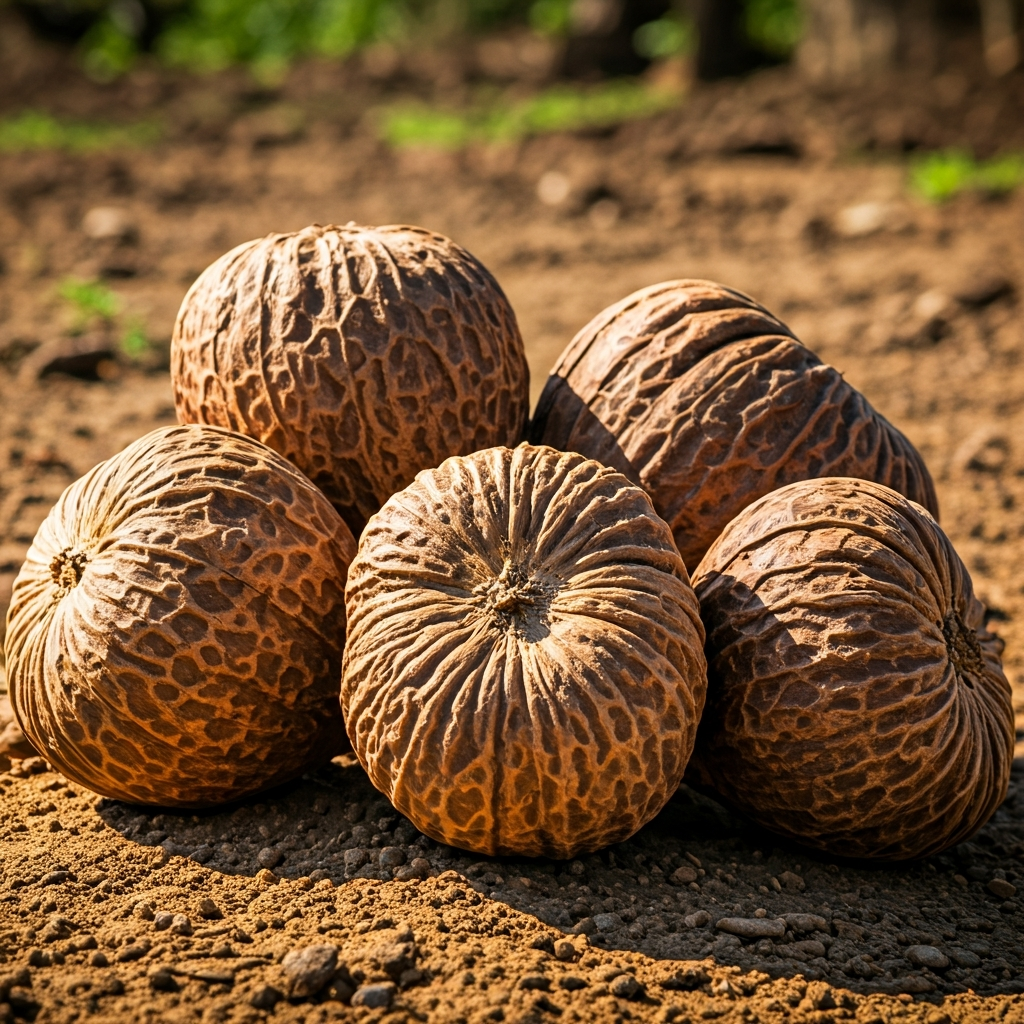
Copra Meal: The Ultimate Guide to Its Amazing Benefits
Copra meal is a revolutionary ingredient in modern animal feed, but are you using it to its full potential? This comprehensive guide unlocks the secrets to leveraging its nutritional power for healthier, more productive livestock in 2024 and beyond.
As the global demand for sustainable and cost-effective animal nutrition solutions grows, agricultural professionals are turning to powerful alternatives. According to a report by Mordor Intelligence, the global animal feed market is shifting significantly towards plant-based protein sources. This is where coconut meal emerges as a frontrunner.
What Exactly is Copra Meal?
Copra meal is a high-protein animal feed ingredient derived from the residue of dried coconut kernel (copra) after oil extraction. Valued in livestock nutrition, this byproduct is an excellent source of protein (20-26%), digestible fiber, and energy-rich fats, making it a cost-effective alternative to other protein sources like soybean meal.
It provides a sustainable alternative to more traditional feedstuffs, helping to create a circular economy within the coconut industry. Understanding its origin is key to appreciating its value.

From Coconut to Copra: The Production Process
The journey begins with mature coconuts. The flesh is separated and dried using various methods, including sun-drying or kiln-drying, to create copra. This drying process is critical as it reduces moisture, preserving the kernel and concentrating its nutrients before oil extraction.
Mechanical vs. Solvent Extraction: What’s the Difference?
Once the copra is ready, the oil is extracted. There are two primary methods:
- Mechanical Extraction (Expeller Pressed): This is the most common method, where the copra is pressed using a screw press. The resulting meal has a higher residual oil content (typically 5-12%), which means more energy for the animals.
- Solvent Extraction: This method uses a solvent to remove the oil, resulting in a feed ingredient with very low residual oil content (less than 3%). While this process extracts more oil, the resulting meal has lower energy value.
Understanding the Byproduct: Copra Cake
The terms “copra meal” and “copra cake” are often used interchangeably. Generally, “copra cake” refers to the product after mechanical extraction, which is broken into chunks, while “copra meal” is the ground-up, finer version, making it easier to incorporate into feed mixes.
The Nutritional Profile of Copra Meal: A Deep Dive
The true power of this feedstuff lies in its dense nutritional composition. While it can vary based on the extraction process and coconut quality, high-quality meal is a powerhouse of essential nutrients. It’s a key reason why it’s gaining traction over other ingredients.
Macronutrient Breakdown: Protein, Fiber, and Fat
At its core, the feed delivers a balanced energy and protein profile. On average, it contains:
- Crude Protein: 20-26%. This is vital for muscle development, milk production, and overall growth.
- Crude Fiber: 8-18%. The high fiber content aids in digestive health, particularly for ruminants.
- Crude Fat (Residual Oil): 5-12%. This provides a concentrated source of energy.
Furthermore, the fat in this coconut byproduct is rich in medium-chain fatty acids (MCFAs), which are easily digestible and provide readily available energy for the animal.
Essential Amino Acids and Their Role
While not as high in lysine and methionine as soybean meal, it provides a good level of other essential amino acids like arginine. For monogastric animals like poultry and swine, it’s often combined with other protein sources to create a complete amino acid profile for optimal performance.
Unlocking the 7 Main Benefits of Copra Meal in Animal Feed
Incorporating copra meal into livestock diets offers a multitude of advantages that go beyond basic nutrition. These benefits impact animal health, farm profitability, and sustainability, making it a smart choice for the modern farmer.

1. A Highly Cost-Effective Protein Source
In many regions, this feed is more affordable than soybean meal or fish meal. This price advantage allows farmers to lower feed costs without compromising on protein, directly improving the financial bottom line. This lets you optimize feed rations and save money.
2. Enhances Gut Health and Digestion
The high fiber content is particularly beneficial for ruminant animals like cattle, sheep, and goats. It promotes a healthy rumen environment, stimulating microbial activity and improving the digestion of other feed components. This leads to better nutrient absorption and overall well-being.
3. Improves Ruminant Performance (Cattle, Goats)
Scientific studies show that including copra meal in cattle diets can increase milk fat content and yield due to its unique fatty acid profile. For beef cattle, it serves as an excellent energy and protein source that supports healthy weight gain and encourages feed intake.
4. Boosts Poultry and Swine Production
In poultry, it can be included at moderate levels to provide essential nutrients for growth and egg production. For swine, it’s a valuable ingredient that supports energy needs. When properly balanced, a copra meal-based diet contributes to efficient pork production.
5. Sustainable and Eco-Friendly
As a byproduct of the coconut industry, it promotes a circular economy by turning waste into a valuable resource. Choosing this ingredient supports sustainable agriculture and reduces the environmental footprint associated with feed production, a key concern for the modern consumer.
6. High Palatability Encourages Feed Intake
Animals enjoy the slightly sweet, nutty flavor of coconut meal, which can improve the palatability of the entire ration. This is especially useful for encouraging picky eaters or animals under stress to consume the necessary amount of feed for high production levels.
7. Rich in Essential Minerals
Beyond macronutrients, this feed ingredient is a good source of essential minerals. It contains beneficial levels of phosphorus, manganese, and selenium, which are crucial for bone health, metabolic function, and antioxidant defense systems in livestock.
Copra Meal vs. Other Protein Sources: A Comparative Analysis
Choosing the right protein source is a critical decision in feed formulation. Here’s how copra meal stacks up against other common ingredients, as highlighted by industry publications.
| Attribute | Copra Meal | Soybean Meal | Palm Kernel Expeller |
|---|---|---|---|
| Crude Protein | 20-26% | 44-48% | 15-18% |
| Crude Fiber | 8-18% | 3-7% | 16-20% |
| Key Benefit | High energy, good for ruminants | High protein, balanced amino acids | High fiber, cost-effective |
Sourcing and Quality Control: A Buyer’s Guide
Not all coconut meal is created equal. To unlock its full benefits, you must source a high-quality product. Here’s what to look for to ensure you’re getting the best value for your livestock.
Check for Aflatoxin Levels
The biggest risk with low-quality copra is contamination with aflatoxins, which are toxic molds that can grow if the coconut is not dried properly. Always ask your supplier for a recent Certificate of Analysis (COA) to verify the product is safe and within legal limits for animal feed.
Assess Color, Smell, and Texture
High-quality meal should have a light brown to golden color, a fresh, slightly sweet coconut smell, and a consistent, crumbly texture. Avoid products that are dark, clumpy, or have a sour or musty odor, as these are signs of spoilage or improper storage.
Partner with a Reliable Supplier
A trustworthy supplier is your best defense against quality issues. Partner with companies that have transparent sourcing practices and robust quality control procedures. A reliable partner will provide consistent products and expert support for your livestock nutrition needs.
Practical Application: How to Use Copra Meal in Rations
Successfully integrating this feed requires a strategic approach. It’s not just about adding it in; it’s about balancing the entire diet to meet the specific needs of the animal at different life stages.
Recommended Inclusion Rates for Different Species
Inclusion levels are key to maximizing benefits. Always consult with an animal nutritionist for precise formulations, but here are some general guidelines:
- Dairy Cattle: Up to 20-30% of the total ration concentrate.
- Beef Cattle: Up to 25% of the total diet.
- Poultry (Broilers/Layers): Typically limited to 5-10% due to fiber content.
- Swine: 5-15%, depending on the age and growth stage.
For more innovative uses, some farmers use byproducts like Cocopeat for animal bedding, showcasing the versatility of the coconut. Others use Calcium Salts of Palm Oil Fatty Acids to further boost energy in rations.
Potential Limitations and How to Mitigate Them
The primary limitation is its lower concentration of lysine compared to soybean meal. This is easily mitigated by supplementing the diet with synthetic amino acids or combining it with other protein sources. Sourcing high-quality, aflatoxin-free meal is also crucial for animal safety.

Makmur Amanah Sejahtera provides high-quality products such as Palm Kernel Expeller, Palm Kernel Shell, Crude Palm Oil, and more. Kindly contact us at WhatsApp +6282140002198 or email us at admin@makmuramanah.co.id.
Frequently Asked Questions (FAQs)
How is copra meal different from coconut flour?
Copra meal is produced for animal feed and has a higher fat and protein content. Coconut flour is made from coconut meat that has been defatted and processed for human consumption, resulting in a much finer texture and different nutritional profile for baking.
Is copra meal safe for all animals?
It is safe for most livestock, especially ruminants like cattle and goats. For monogastric animals like poultry and young pigs, it should be used at lower inclusion rates due to its high fiber content. Always ensure the meal is high quality and free from contaminants.
What is the ideal protein content in high-quality copra meal?
High-quality, mechanically extracted copra meal should have a crude protein content between 20% and 26%. Levels below this may indicate a lower quality product or a different extraction method, which could alter its nutritional value for your livestock.
Can copra meal completely replace soybean meal in a diet?
Not completely in most cases, especially for monogastrics. It serves as an excellent partial replacement to reduce costs. Due to its different amino acid profile, it’s best used in combination with other proteins or with amino acid supplementation to ensure a balanced diet.
Conclusion: Your Best Investment in Animal Nutrition
In conclusion, copra meal represents a powerful, versatile, and economical tool for any forward-thinking agricultural operation. Its unique nutritional benefits, from boosting energy to improving digestive health, make it an invaluable component in modern animal feed formulations.
By balancing rations correctly and sourcing a high-quality product, you can unlock significant gains in animal performance and farm profitability. As we move forward, embracing sustainable and effective ingredients like copra meal is essential for success, ensuring your livestock receive superior nutrition while you optimize operational costs.
 English
  Indonesian
  Chinese
  Arabic