
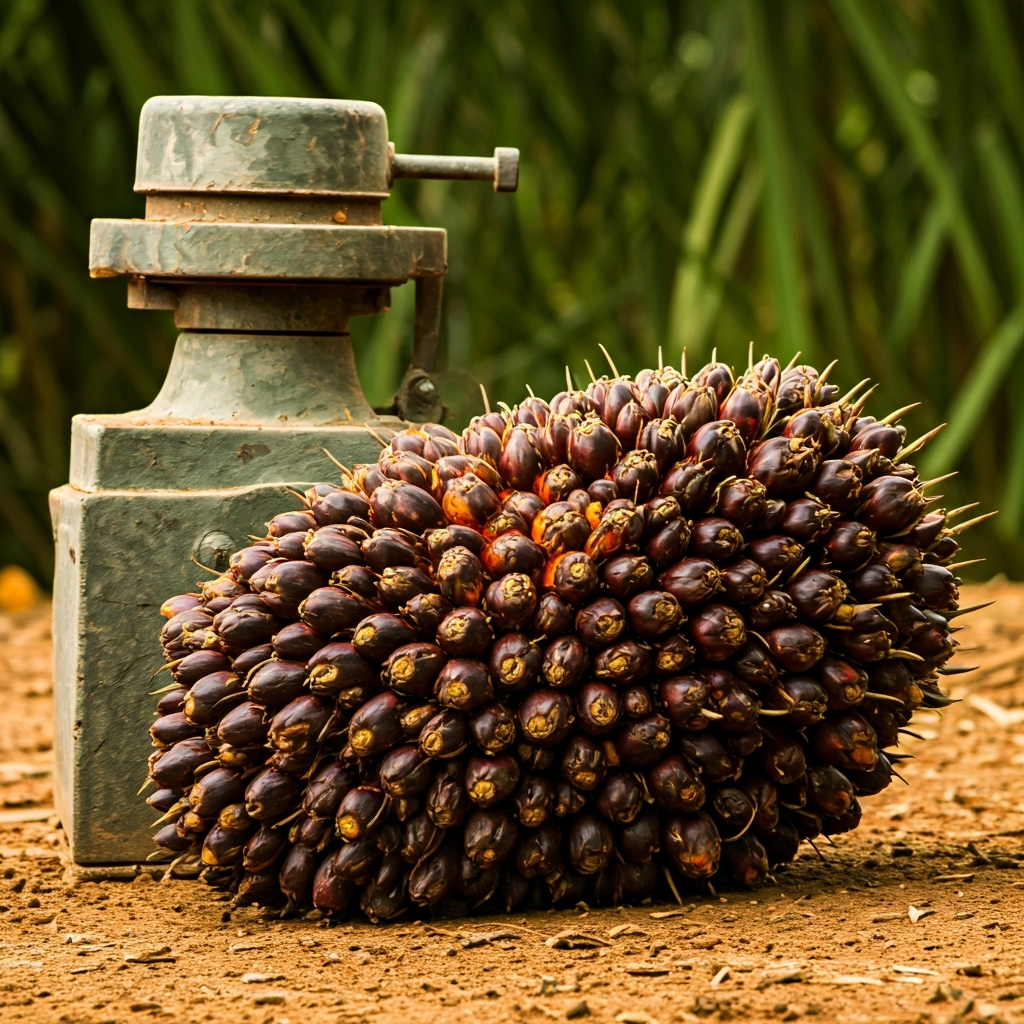
Palm Kernel Expeller: The Ultimate 2026 Feed Guide
The Palm Kernel Expeller is a powerhouse ingredient in the global feed industry. As feed costs continue rising in 2026, many farmers seek cost-effective, nutrient-rich alternatives. This is no longer just an option—it’s a necessity for survival and profitability in livestock farming.
This guide provides the ultimate solution. We delve deep into the world of PKE, uncovering its incredible nutritional benefits, diverse applications, and the economic advantages it offers. By the end, you’ll understand precisely how to leverage this amazing resource to enhance animal health and your bottom line.
What Exactly is Palm Kernel Expeller (PKE)?
Palm Kernel Expeller, often called PKE, is a key co-product from the oil palm tree (Elaeis guineensis). It is the nutrient-rich material remaining after the mechanical extraction of oil from the kernel of the palm fruit. You should not confuse it with palm oil or other palm by-products.
Livestock experts worldwide recognize this ingredient as a high-quality, medium-protein feed source. Its unique blend of energy, fiber, and protein makes it a versatile component in feed formulations for various animals, especially ruminants like cattle.
From Palm Fruit to Feed: The Production Process
The journey to creating PKE is a fascinating example of maximizing value. The multi-stage process ensures that no part of the palm fruit’s kernel goes to waste, transforming a simple fruit into multiple valuable resources.
- Harvesting: Farmers harvest ripe palm fruit bunches from oil palm plantations.
- Sterilization & Threshing: The fruit undergoes steam sterilization to halt enzymatic reactions. Workers then thresh it to separate the fruitlets from the bunch.
- Oil Extraction (Mesocarp): A powerful press extracts Crude Palm Oil (CPO) from the outer pulp (mesocarp), separating the nut which contains the kernel.
- Nut Cracking: Machines crack the hard-shelled nuts. The inner kernels are separated from the shell, which itself is a valuable biofuel like Palm Kernel Shell.
- Kernel Oil Extraction: The kernels are crushed and pressed mechanically (using an expeller press) to extract Palm Kernel Oil (PKO).
- The Result: The solid, nutrient-dense residue that remains is the high-value Palm Kernel Expeller.
This efficient, mechanical method ensures PKE retains a higher residual oil content compared to solvent-extracted meals. This key difference significantly contributes to its superior energy value for livestock. For more detailed documentation, authoritative sources like the Food and Agriculture Organization (FAO) offer extensive information on the palm production chain.
PKE vs. Palm Kernel Meal (PKM): What’s the Difference?
People often use the terms interchangeably, but a critical technical distinction exists between Palm Kernel Expeller (PKE) and Palm Kernel Meal (PKM). The difference comes from the oil extraction method, which significantly impacts the final nutritional profile.
Here is a direct comparison:
| Attribute | Palm Kernel Expeller (PKE) | Palm Kernel Meal (PKM) |
|---|---|---|
| Extraction Method | Mechanical Pressing (Expeller Press) | Solvent Extraction (e.g., using hexane) |
| Residual Oil (Fat) % | Higher (Typically 7-12%) | Lower (Typically 1-3%) |
| Crude Protein % | Slightly Lower (Typically 14-18%) | Slightly Higher (Typically 16-20%) |
| Energy Value | Higher due to more fat content | Lower due to less fat content |
| Common Use | Preferred for ruminants needing energy; common in dairy feed | Used where lower fat is desired |
For dairy farmers and beef producers, the higher energy in PKE makes it a particularly attractive option. It directly helps improve an animal’s body condition and can increase milk fat production.
Nutritional Profile of a Quality Palm Kernel Expeller
Understanding the nutritional composition of PKE is key to unlocking its benefits. It provides a balanced source of essential nutrients that contribute to animal growth, maintenance, and production. While exact values vary, a typical analysis paints a clear picture of its value.
A recent study in the Journal of Animal Feed Science and Technology highlights PKE’s role in sustainable livestock farming. Its consistent nutrient supply makes it a reliable choice for modern feed formulators.
Macronutrient Breakdown (Protein, Fiber, Fat)
The macronutrient profile is PKE’s main selling point. It offers a unique combination of nutrients that is difficult to find in other single ingredients.
- Crude Protein: Typically 14-18%. While not as high as soybean meal, it provides substantial amino acids for growth and milk production.
- Crude Fat: Ranging from 7-12%. This residual oil is a dense source of energy, making PKE an excellent ingredient for fattening and for high-producing dairy animals.
- Crude Fiber: High in fiber (around 12-18%), which is crucial for promoting good rumen function and gut health in ruminants like cattle and goats.
- Neutral Detergent Fiber (NDF): Often between 50-70%. Experts favor it in ruminant diets for this high NDF content.
Key Minerals and Vitamins
Beyond the primary nutrients, this feed ingredient also supplies a range of essential minerals. These are vital for metabolic functions, bone development, and overall animal health.
- Phosphorus: PKE is an excellent source of phosphorus, which is crucial for energy metabolism and skeletal structure.
- Potassium: This mineral is essential for maintaining electrolyte balance and nerve function.
- Magnesium: It plays a vital role in hundreds of enzymatic reactions within the animal’s body.
- Copper: PKE contains copper. However, its levels can be a concern for sheep, which are highly sensitive to copper toxicity. Always use a balanced formulation for sheep.
Top 5 Benefits of Using Palm Kernel Expeller in Feed
Incorporating PKE into livestock diets offers a multitude of advantages. These benefits impact everything from animal performance to the economic sustainability of your farm, making it a smart choice for forward-thinking producers.
- Exceptional Cost-Effectiveness: This feedstuff is often more affordable than soybean meal or corn, significantly lowering feed costs without compromising quality.
- Improved Rumen Health in Cattle: The high fiber content promotes chewing and saliva production. This acts as a natural buffer in the rumen, helping to prevent acidosis and improve digestive health.
- Enhanced Milk Fat & Quality: For dairy cows, the unique fat profile in Palm Kernel Expeller is known to boost milk fat percentage. This leads to higher-quality milk and better payment premiums.
- High Palatability for Livestock: Most ruminants find the taste and texture of PKE highly palatable. This encourages consistent feed intake and ensures reliable nutrient consumption.
- Sustainable and Consistent Supply: As a co-product of the massive global palm oil industry, PKE is available year-round. This provides a reliable feed ingredient that also helps reduce waste in the agricultural chain.
Quality Matters: How to Identify Superior Palm Kernel Expeller
Not all PKE is created equal. Securing a high-quality product is crucial for achieving the best results. When sourcing this ingredient, you must assess several factors to ensure you receive a safe, effective, and valuable product.
Key quality indicators include:
- Color and Smell: High-quality PKE should have a fresh, nutty smell and a consistent light brown to golden-brown color. A dark, burnt, or musty smell can indicate improper processing or spoilage.
- Texture: It should have a coarse, gritty, and fibrous texture. Excessive fine particles or dust may indicate adulteration or poor handling.
- Moisture Content: Proper PKE has low moisture content (typically under 12%). High moisture can lead to mold growth and mycotoxin contamination, which is dangerous for livestock.
- Supplier Reliability: Always partner with a reputable supplier who can provide a Certificate of Analysis (COA). This document guarantees the nutritional specifications and confirms the product is free from contaminants. As noted by the USDA, reliable sourcing is fundamental to feed safety.
Practical Applications for Different Livestock
The versatility of Palm Kernel Expeller allows its use in diets for a wide range of animals. However, you must tailor inclusion rates and formulation strategies to the specific digestive system and nutritional needs of each species.
PKE for Ruminants (Dairy & Beef Cattle)
Ruminants are where PKE truly shines. For dairy cattle, common inclusion rates are 15-25% of the total diet. It serves as an excellent source of bypass protein and energy, supporting high milk yields. For an added boost to milk production and health, it pairs well with ingredients like Calcium Salts of Palm Oil Fatty Acids. In beef cattle, farmers use it in backgrounding and finishing rations to promote steady weight gain.
PKE in Poultry Diets
The high fiber in PKE limits its use in poultry, as birds cannot digest it efficiently. However, with modern feed enzymes, you can successfully use inclusion rates of 5-10% in layer and broiler diets to reduce costs. Its gritty texture also helps promote healthy gizzard development.
PKE for Swine and Other Animals
For pigs, you can include PKE at around 10-20% of the diet, especially in feed for gestating sows where high fiber is beneficial. For other animals like goats, sheep, and rabbits, PKE can also be a valuable ingredient, provided you balance the ration for their specific needs (especially copper levels for sheep, as confirmed by Cornell University’s animal science department).
Makmur Amanah Sejahtera provides high-quality palm products such as Palm Kernel Expeller, Palm Kernel Shell, Crude Palm Oil, Palm Kernel Oil, etc. Kindly contact us at WhatsApp +6282140002198 or email us at admin@makmuramanah.co.id.
Frequently Asked Questions (FAQ)
What is Palm Kernel Expeller used for?
PKE is primarily used as a key ingredient in animal feed. It is especially popular for ruminant livestock like dairy and beef cattle, where it provides a balanced source of protein, energy, and fiber to improve milk production, growth, and overall health.
Is Palm Kernel Expeller good for cattle?
Yes, it is exceptionally good for cattle. Its high fiber content promotes excellent rumen health, while the residual fat provides a dense energy source. Many dairy farmers use it to specifically increase the butterfat content in milk, making it a highly valuable feed.
What is the protein content of Palm Kernel Expeller?
The crude protein content of a typical Palm Kernel Expeller ranges from 14% to 18%. This makes it a medium-level protein source that effectively supplements the protein requirements for many classes of livestock when balanced correctly within a complete ration.
How does PKE differ from Copra Meal?
PKE comes from palm fruit kernels, while Copra Meal comes from coconut flesh. While both are by-products of oil extraction and used in feed, they have different nutritional profiles. PKE generally has higher fiber, while copra meal is often noted for its high palatability.
Is using PKE sustainable?
Yes, using PKE is a sustainable practice. It is a co-product of the palm oil industry, meaning it makes use of material that would otherwise be discarded. By converting this residue into a valuable feed resource, PKE helps create a more efficient and less wasteful agricultural system.
Conclusion: The Future of Feed is Efficient and Sustainable
As we navigate the economic landscape of 2026, the need for intelligent, efficient, and sustainable solutions in agriculture has never been greater. This guide has shown that Palm Kernel Expeller is not just a by-product, but a cornerstone ingredient for modern livestock farming.
Its powerful nutritional benefits, cost-effectiveness, and wide range of applications make it an indispensable tool. By integrating a high-quality Palm Kernel Expeller into your feeding strategy, you are optimizing animal performance and making a sound economic decision that will pay dividends. The future of profitable livestock farming relies on leveraging powerful ingredients like this.

 English
  Indonesian
  Chinese
  Arabic