
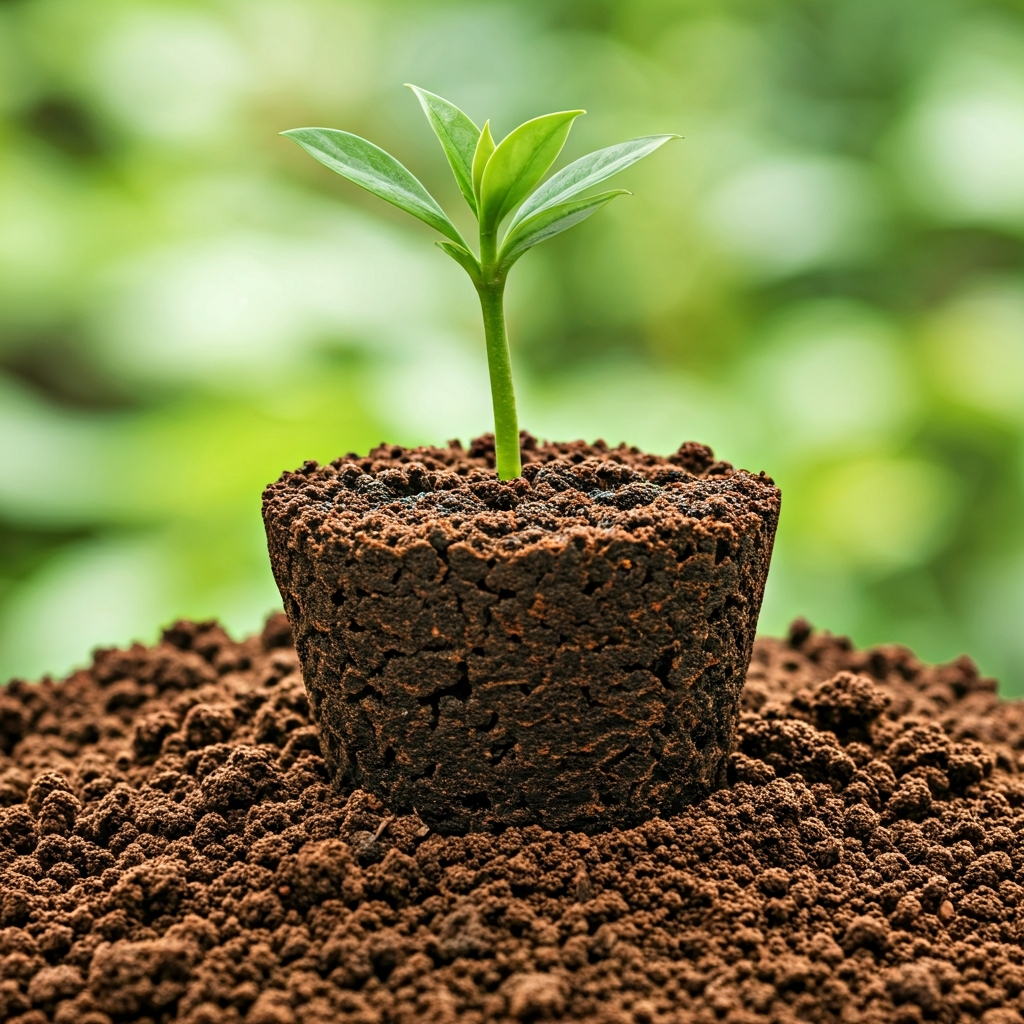
Cocopeat: #1 Ultimate Guide for Amazing Results (2024)
Cocopeat is the secret weapon savvy gardeners are using in 2024 to achieve jaw-dropping results. In this guide, we reveal everything you need to know.
If you’ve been struggling with poor soil drainage, weak root development, or the environmental guilt of using traditional peat moss, you’ve found the definitive solution.
The core challenge for modern gardeners is balancing impressive yields with environmental responsibility. For years, peat moss was the go-to soil amendment, but its harvest devastates ancient, carbon-sequestering peatlands. According to a study from the University of Massachusetts Amherst, the rate of peatland restoration is far slower than its extraction, creating a significant ecological deficit. This is where a superior, sustainable alternative changes the game for good.
What is Cocopeat? An Eco-Friendly Deep Dive
Often called “coco coir,” cocopeat is a 100% natural growing medium made from the fibrous husk of coconuts. What was once considered a waste product of the coconut industry is now celebrated as one of the most effective and eco-friendly soil amendments available.
Unlike soil dug from the ground, it’s a sterile, pathogen-free medium, giving your plants a clean and healthy start. Its unique physical properties provide an ideal environment for root growth, combining excellent water retention with superb aeration to prevent both under-watering and root rot. This powerful combination makes it a remarkably forgiving medium for both novice and expert gardeners alike.

From Coconut Husk to Growing Medium: The Process
The journey from a hard coconut shell to a bag of gardening gold is a fascinating one. After coconuts are harvested for their oil, milk, and meat, the remaining husks are aged and processed. This involves soaking the husks to soften them, followed by a mechanical process that separates the long fibers from the dusty, pithy material.
This pithy material is the cocopeat. It is then thoroughly washed to reduce its natural salt content (a crucial step for quality), dried, and often compressed into dense bricks. These blocks are lightweight and easy to transport, expanding up to 8 times their volume when you add water, transforming into a fluffy, ready-to-use medium.
Types of Cocopeat: Choosing the Right Form
Cocopeat isn’t a one-size-fits-all product. It comes in three primary forms, each suited for different applications:
- Coco Pith or Peat: The most common type with a fine, peat moss-like texture. It offers excellent water absorption, making it ideal for creating potting mixes and starting seeds.
- Coco Fiber: These are the longer, stringy fibers. They don’t absorb as much water but provide crucial structure and aeration, preventing the growing medium from compacting. They are often mixed with pith.
- Coco Chips: Small chunks of the husk that provide the greatest aeration and drainage. They create large air pockets perfect for orchid and anthurium roots and are often used as mulch or in mixes for epiphytic plants.
Top 7 Benefits of Using Cocopeat in Your Garden
Why has cocopeat become a cornerstone of modern, sustainable horticulture? The advantages are clear, tangible, and address many of the core challenges gardeners face. Here are the top seven reasons to make the switch.
- Incredible Water Retention: Cocopeat can hold up to 10 times its weight in water. This means you water less often, and your plants have a consistent moisture source, protecting them from drought stress.
- Superior Aeration & Drainage: While it holds water well, its fibrous structure prevents compaction. This allows vital oxygen to reach the roots—a critical factor for healthy plant development and preventing root rot.
- Neutral pH Level: With a pH range of 5.5 to 6.8, cocopeat is ideal for most plants without the lime amendments that highly acidic peat moss often requires.
- 100% Sustainable & Renewable: Coconuts are a constantly renewing resource. Using cocopeat helps reduce waste from the coconut industry and protects vital peatland ecosystems. It’s a win-win for your garden and the planet.
- Free from Pests and Pathogens: The processing of quality cocopeat ensures it is sterile. This means no weeds, fungal spores, or soil-borne diseases to threaten your delicate seedlings.
- Promotes Strong Root Growth: The unique combination of aeration and moisture creates the perfect environment for vigorous root development, leading to healthier, more robust plants.
- Reusable and Long-Lasting: Cocopeat decomposes very slowly and can be used for several growing cycles. After a hydroponic run, it can be added as a fantastic amendment to outdoor garden beds, offering excellent value.
Cocopeat vs. Peat Moss: The Ultimate Showdown (2024 Update)
For conscientious gardeners, this is a critical debate. For decades, peat moss was the standard, but its dark side has been revealed. A 2021 study in the journal Science of The Total Environment highlighted the massive carbon release associated with harvesting peatlands. Here’s how cocopeat stacks up.

Environmental Impact: The Clear Winner
There is no contest here. Peat moss is harvested from ancient bogs that are critical carbon sinks and unique ecosystems. As publications like Gardeners’ World have noted, these bogs take thousands of years to form. In contrast, cocopeat is a byproduct of the coconut industry, a renewable resource that would otherwise go to waste.
Choosing cocopeat is a direct vote for sustainability. By using byproducts from food industries, like Copra Meal, gardeners contribute to a more circular economy.
Performance & Properties: A Head-to-Head Comparison
Beyond the environmental angle, how do they perform? This table breaks down the key functional differences:
| Feature | Cocopeat | Peat Moss |
|---|---|---|
| Sustainability | High (Renewable byproduct) | Very Low (Depletes ancient ecosystems) |
| Water Retention | Excellent | Very Good |
| Wetting Ability | Hydrophilic (Absorbs water easily) | Hydrophobic (Repels water when dry) |
| pH Level | 5.5 – 6.8 (Ideal for most plants) | 3.5 – 4.5 (Highly acidic) |
| Lifespan | Long (Reusable for years) | Short (Compacts and breaks down) |
| Nutrient Content | Inert (Requires added nutrients) | Very low (Also requires nutrients) |
How to Use Cocopeat: A Practical Guide
Getting started with cocopeat is easy. Whether you have a compressed brick or a loose bag, these steps will ensure you get the most out of this amazing medium.

Preparing Cocopeat Bricks: The Rehydration Process
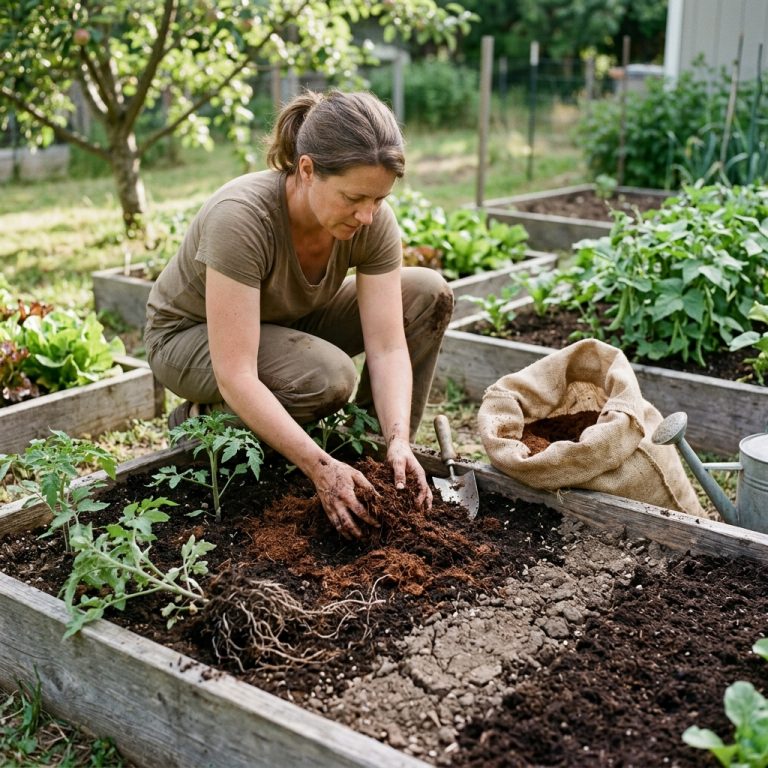
If you’ve purchased a compressed brick, the first step is rehydration. Don’t be intimidated by the hard block; this is the fun part!
- Choose a large container. A wheelbarrow, large bucket, or storage tote works perfectly. Remember, it will expand significantly.
- Add warm water. Warm water helps the brick expand faster. A general rule is about 4-5 liters of water per kilogram of cocopeat.
- Wait and watch. The brick will start to absorb the water and expand over 15-60 minutes. Break it apart with a small spade or your hands to speed up the process.
- Fluff it up. Once fully expanded, stir the cocopeat to ensure it’s evenly moist and fluffy with no compressed lumps.
An Essential Step: Buffering Cocopeat
High-quality cocopeat is washed to remove salts, but it still naturally contains potassium and sodium. These can interfere with calcium and magnesium uptake, a problem known as nutrient lockout. Buffering solves this.
To buffer, soak the hydrated cocopeat for several hours in a solution of water mixed with a calcium-nitrate fertilizer. This process swaps the sodium and potassium for calcium, ensuring your plants can access all the nutrients they need. While it adds a step, it’s crucial for serious growers and prevents many common issues.
Creating the Perfect Potting Mix with Cocopeat
While cocopeat can be used on its own, it performs best as part of a mix. Because it contains no nutrients, you must add amendments. For a general-purpose potting mix, try this proven ratio:
- 2 parts Cocopeat: The base for moisture retention and structure.
- 1 part Perlite or Pumice: To increase aeration and drainage.
- 1 part Compost or Worm Castings: To provide essential nutrients and beneficial microbes.
This creates a balanced, free-draining, and nutrient-rich environment. For those interested in premium, ready-to-use solutions, you can explore options like high-quality Cocopeat that is pre-washed and ready for your garden.
Using Cocopeat in Hydroponics and Seed Starting
Cocopeat’s sterile, inert nature makes it a world-class medium for hydroponics and seed starting. It provides the perfect moisture and aeration for germination without the risk of “damping-off” disease. Many commercial growers use 100% cocopeat slabs for crops like tomatoes and cucumbers, feeding them with a precise nutrient solution. Combining this with other agricultural byproducts like Palm Kernel Expeller as part of a soil strategy can further enhance sustainable practices.
[Video Suggestion]
Embed a time-lapse video showing a cocopeat brick expanding and being mixed into a potting soil, followed by shots of thriving plants. Title: “How to Prepare Cocopeat: From Brick to Plant-Ready Mix!”
Makmur Amanah Sejahtera provides high-quality palm products such as Palm Kernel Expeller, Palm Kernel Shell, Crude Palm Oil, Palm Kernel Oil, etc. Kindly contact us at WhatsApp +6282140002198 or email us at admin@makmuramanah.co.id.
Frequently Asked Questions (FAQ)
Is cocopeat better than soil?
It isn’t necessarily “better,” but it serves a different function. As a soil-less medium, it’s perfect for potting mixes and hydroponics. It provides superior aeration and moisture control than most garden soils but contains no innate nutrients. It’s best used to amend native soil or as a base for custom mixes.
What are the disadvantages of cocopeat?
The main challenges are its lack of nutrients and potential for high salinity if not washed properly. Always buy from a reputable supplier to ensure low EC (electrical conductivity). You must also add nutrients, either through compost or liquid fertilizers, for plants to thrive. Buffering may also be required.
How do you use cocopeat for the first time?
Start by rehydrating a compressed brick in a large tub with warm water. Once it’s fluffy, consider buffering it. Then, mix it with perlite and compost (a 2:1:1 ratio is great for beginners) to create a balanced potting mix for your container plants. This ensures both nutrients and proper drainage.
Can cocopeat be reused?
Absolutely! This is a key benefit. After a growing season, you can rinse the old cocopeat thoroughly to flush out old nutrients and potential salt buildup. Letting it dry can also help kill any lingering pathogens before you amend it with fresh compost for the next round of planting.

Conclusion: The Future of Gardening is Green
In 2024, the choice is clearer than ever. By embracing Cocopeat, gardeners are not just choosing a product that delivers superior aeration, water retention, and root growth; they are making a conscious decision to protect our planet’s precious ecosystems.
It’s a powerful shift away from the destructive harvesting of peat bogs towards a circular, sustainable model. Whether you are a hobbyist or a commercial grower, integrating sustainable products like Cocopeat is the definitive step towards a healthier, greener, and more productive future.

 English
  Indonesian
  Chinese
  Arabic