
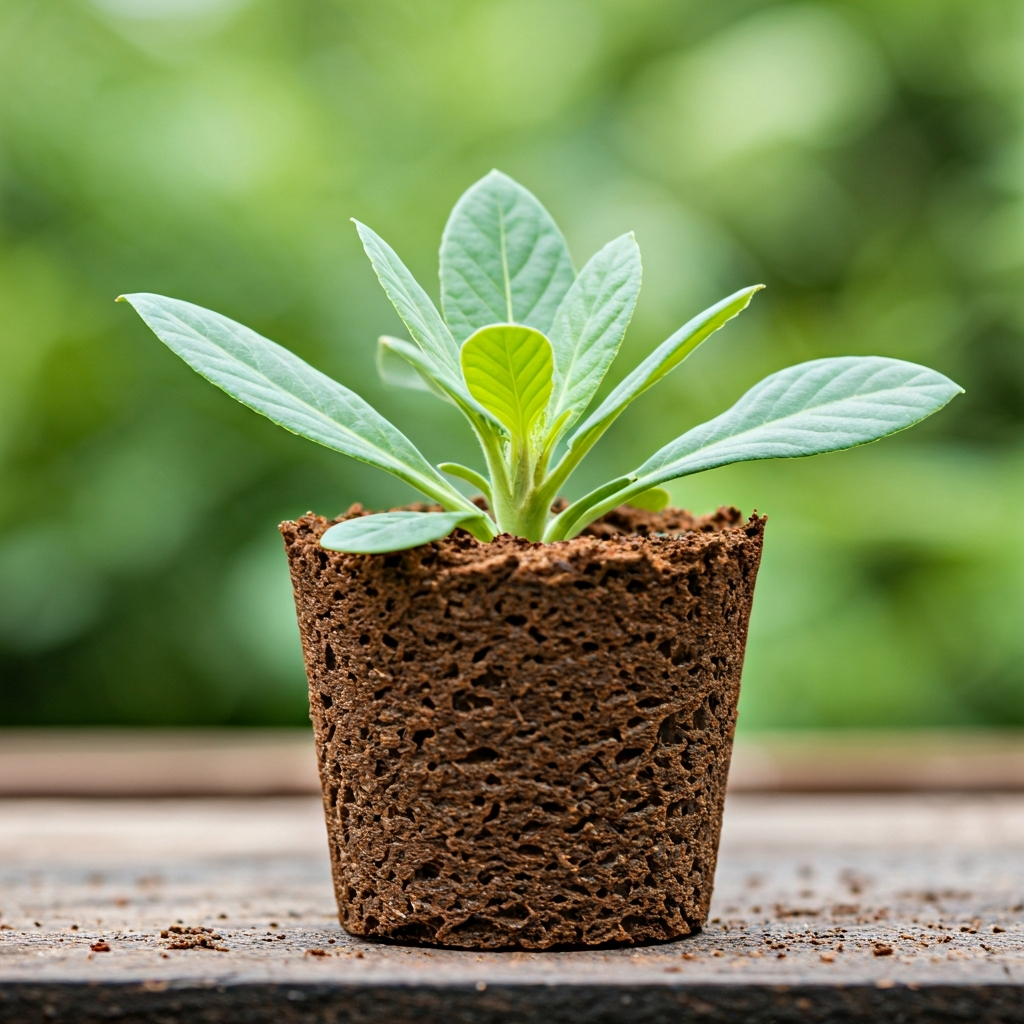
What is Cocopeat and How to Use It: The Ultimate Guide for Gardeners
Cocopeat is one of the most revolutionary materials in modern gardening, but many gardeners are still unsure how to unlock its full potential. You might be struggling with compacted soil, poor water retention, or simply looking for a more sustainable and effective growing medium for your plants.
For years, gardeners have battled these common frustrations, often leading to weak root systems and disappointing yields. The secret to lush, vibrant, and healthy plants lies in the foundation you provide them. It’s time to move beyond traditional soils that can be inconsistent and difficult to manage.
This comprehensive guide will walk you through everything you need to know about what cocopeat is, its incredible benefits, and exactly how to use it for amazing growth. We will provide step-by-step instructions, expert tips, and a comparison to other mediums, ensuring you have the confidence to make coco coir your go-to choice for gardening success in 2026 and beyond.

What Exactly is Cocopeat? A Deep Dive
Cocopeat is a 100% natural, soil-free growing medium made from coconut husks. Also known as coco coir, it is a sustainable byproduct of the coconut industry valued for its excellent water retention, aeration, and neutral pH. It is often sold compressed and expands significantly when water is added, making it a versatile choice for horticulture and hydroponics.
At its core, this material is made from the fibrous husk of a coconut. It is a sustainable byproduct of the coconut processing industry, particularly from countries where coconuts are a major agricultural product. For decades, this material was considered waste, but its remarkable properties have made it a cornerstone of modern gardening.
This material consists of the spongy, lightweight pith found between the hard, internal shell and the outer coat of a coconut. After being separated from the long fibers (which are used for ropes and doormats), the pith is aged, washed, dried, and often compressed into bricks or blocks for easy shipping and storage. When you add water, these dense bricks expand dramatically—often 5 to 7 times in volume—creating a fluffy, soil-like substance.
A key feature of high-quality cocopeat is its neutral pH level, typically ranging from 5.5 to 6.8. This range is ideal for a vast majority of plants, eliminating the need for constant adjustments.
Furthermore, its excellent aeration and water retention capabilities create the perfect environment for healthy root development. Unlike soil, it is free from weeds, seeds, and pathogens, providing a clean start for your seedlings and plants.
Cocopeat vs. Coco Coir vs. Coco Fiber
While often used interchangeably, these terms have slight distinctions. Cocopeat or coir pith refers to the spongy, particle-like material. Coco fiber consists of the stringy, strong strands. Coco coir is the umbrella term that encompasses both cocopeat and coco fiber. Most gardening products sold as “cocopeat” are primarily coir pith but may contain some amount of fiber to improve structure.
The 7 Undeniable Benefits of Using Coco Coir in Your Garden
Switching to coco coir can feel like giving your plants a superpower. Its unique physical and chemical properties offer significant advantages over traditional topsoil or peat moss. Here are the top benefits you can expect.
- Incredible Water Retention: Cocopeat can hold up to 10 times its weight in water, meaning you water less frequently. The moisture is released slowly to the plant roots as they need it, preventing both overwatering and dehydration.
- Superior Aeration and Drainage: Despite holding immense water, the fibrous structure of cocopeat remains light and airy. This allows oxygen to reach the plant’s roots effortlessly, preventing root rot and promoting vigorous growth. Excess water drains freely.
- Ideal Neutral pH: With a stable pH range of 5.5 to 6.8, this medium is perfectly suited for most plants without the need for lime or other pH adjusters that are often required for acidic peat moss.
- Sustainable and Eco-Friendly: Cocopeat is a renewable resource derived from the annual harvest of coconuts. Its use helps reduce waste from the coconut industry and provides an excellent alternative to peat moss, the harvesting of which damages vital peatland ecosystems.
- Free from Pests and Diseases: High-quality, properly processed cocopeat is naturally resistant to many common soil-borne pests and fungal diseases. It contains natural antifungal properties that help protect your plants.
- Promotes Strong Root Growth: The combination of excellent aeration, water retention, and a soft texture allows plant roots to expand easily and efficiently. Stronger, healthier roots lead directly to stronger, healthier plants.
- Reusable and Long-Lasting: Cocopeat breaks down very slowly over several years. After a crop cycle, you can rinse, re-buffer, and reuse it, making it a cost-effective choice for long-term gardening.

Cocopeat vs. Peat Moss vs. Soil: A Head-to-Head Comparison
Choosing the right growing medium is critical. While traditional soil has its place, specialized mediums like cocopeat and peat moss offer distinct advantages and disadvantages. This table breaks down the key differences to help you make an informed decision.
| Feature | Cocopeat | Peat Moss | Traditional Soil |
|---|---|---|---|
| Sustainability | High (Renewable byproduct) | Low (Non-renewable, damages bogs) | Variable (Can be depleted) |
| Water Retention | Excellent | Very High | Variable (Depends on clay content) |
| pH Level | Neutral (5.5 – 6.8) | Acidic (3.5 – 4.5) | Variable |
| Wettability when Dry | Hydrophilic (Absorbs water easily) | Hydrophobic (Repels water when dry) | Can become hydrophobic |
| Nutrient Content | Inert (Contains little to no nutrients) | Inert (Contains little to no nutrients) | Contains nutrients, but can be imbalanced |
| Lifespan / Reusability | High (Can be reused for years) | Low (Compacts over one season) | High (Requires amendment) |
As the comparison shows, cocopeat stands out for its balance of performance and sustainability. While it is an inert medium requiring you to add nutrients, this gives you complete control over your plant’s feeding schedule. For a high-quality base, consider our premium Cocopeat, which is pre-washed for low salt content.
How to Prepare and Use Cocopeat: A Step-by-Step Guide
Using cocopeat is simple, but following the correct preparation steps is crucial for success. Compressed bricks need to be expanded and, most importantly, buffered to ensure they are ready for your plants.
Step 1: Expanding the Cocopeat Brick
This is the most satisfying part of using cocopeat! A small, dense brick will transform into a large pile of growing medium.
- Place your compressed cocopeat brick in a large container, wheelbarrow, or waterproof tarp.
- Add the amount of warm water specified on the package. Typically, a 5kg (11 lb) brick requires about 25 liters (6.5 gallons) of water.
- Allow the brick to sit and absorb the water for 15-30 minutes. It will begin to swell and break apart.
- Once softened, use your hands or a small rake to fluff it up, ensuring all parts are evenly hydrated.
[VIDEO EMBED: A short, satisfying video showing a compressed cocopeat brick expanding in a tub of water.]
Step 2: Buffering the Cocopeat (The Most Crucial Step!)
Raw, unbuffered cocopeat contains high levels of sodium and potassium. These elements can interfere with the uptake of calcium and magnesium, leading to a common problem called nutrient lockout and causing deficiencies. Buffering solves this issue.
- After expanding, soak the loose cocopeat in a solution of Calcium Nitrate and Magnesium Sulfate. A standard recipe is to dissolve 5 grams of Calcium Nitrate and 3 grams of Epsom salt (Magnesium Sulfate) per gallon of water.
- Ensure the cocopeat is fully submerged in this solution and let it soak for at least 8 hours, or overnight.
- During this time, the calcium and magnesium will displace the sodium and potassium ions attached to the coir particles.
- After soaking, thoroughly rinse the cocopeat with fresh water until the runoff is clear. This washes away the displaced sodium and potassium. Many premium cocopeat products are sold “pre-buffered,” but doing it yourself provides peace of mind.
Step 3: Amending and Mixing Your Cocopeat
Pure cocopeat is a fantastic base, but you can enhance it by mixing in other materials to create the perfect custom blend for your specific plants. This is where you can turn your inert medium into a rich potting mix.
- For Aeration: Add 20-30% perlite or pumice. This improves drainage and prevents compaction, which is ideal for succulents, orchids, or plants that hate “wet feet”.
- For Nutrients: Mix in 20-30% high-quality compost or worm castings. This adds a slow-release source of organic nutrients and beneficial microbes. In some agricultural settings, nutrient-rich additives like Palm Kernel Expeller are used to enrich growing substrates.
- As a Soil Amendment: Mix cocopeat into your existing garden beds at a ratio of 1 part cocopeat to 2 parts soil to improve the soil’s structure, water retention, and aeration.
It’s also worth noting how other byproducts are utilized; for example, Copra Meal is a key ingredient in animal feed, showcasing the versatility of coconut and palm products.
What is Coco Coir Best For? Top Plant Choices
Because you can customize it, coco coir is incredibly versatile and suitable for a wide range of applications, from seed starting to mature plants.
Vegetables and Fruits
Tomatoes, peppers, cucumbers, and strawberries thrive in cocopeat-based mixes. The excellent water control helps prevent issues like blossom end rot in tomatoes, which is often caused by inconsistent watering and calcium uptake problems—a challenge that buffered cocopeat directly solves.
Houseplants and Tropicals
Most common houseplants, especially aroids like Monsteras and Philodendrons, love the airy, moist environment cocopeat provides. It mimics the humus-rich floor of their native tropical habitats. You can use it as a standalone medium or as part of a chunky soilless mix.
Hydroponics and Seed Starting
Cocopeat is one of the most popular mediums for hydroponic systems, especially drip systems. For seedlings, its fine texture and sterile nature provide the perfect, disease-free environment for delicate new roots to establish themselves without competition from weeds.
Makmur Amanah Sejahtera provides high-quality palm products such as Palm Kernel Expeller, Palm Kernel Shell, Crude Palm Oil, Palm Kernel Oil, etc. Kindly contact us at WhatsApp +6282140002198 or email us at admin@makmuramanah.co.id.

Frequently Asked Questions (FAQs)
Is cocopeat good for all plants?
Cocopeat is excellent for the vast majority of plants due to its neutral pH and superior aeration. However, some specific plants like desert cacti that require very dry conditions may prefer a grittier mix. For them, use cocopeat as a smaller component in a mix with sand and perlite.
How often should I water plants in cocopeat?
Less often than with traditional soil. The best way to check is by feeling the top inch of the medium. If it feels dry, it’s time to water. Because it holds water so well, it’s important to ensure your pots have good drainage to let excess water escape and prevent waterlogging.
Can I reuse cocopeat?
Absolutely. Cocopeat is very durable and can be reused for several growing cycles. After harvesting, shake the old roots out, flush it with fresh water to remove fertilizer salts, re-buffer with calcium and magnesium if needed, and it’s ready for the next round of planting.
What are the disadvantages of cocopeat?
The main disadvantages are its lack of innate nutrients, meaning you must provide all nutrition, and the need for buffering in its raw form. Low-quality cocopeat can also have high salt levels. However, these are easily managed by choosing a quality supplier and preparing it correctly.
Conclusion: Your New Secret to a Thriving Garden
In conclusion, coco coir offers an exceptional, sustainable, and powerful alternative to traditional growing mediums. From its incredible water-holding capacity to its perfect aeration, it solves many of the most common gardening frustrations. By providing a clean, stable, and highly effective foundation, you empower your plants to build stronger roots, which is the key to healthier foliage, bigger blooms, and more abundant harvests.
Now that you understand what cocopeat is and how to properly prepare and use it, you have a new and powerful tool in your gardening arsenal. Making the switch is a decision that benefits not only your plants but also the planet. Embrace this amazing natural resource and watch your garden thrive like never before.

 English
  Indonesian
  Chinese
  Arabic