
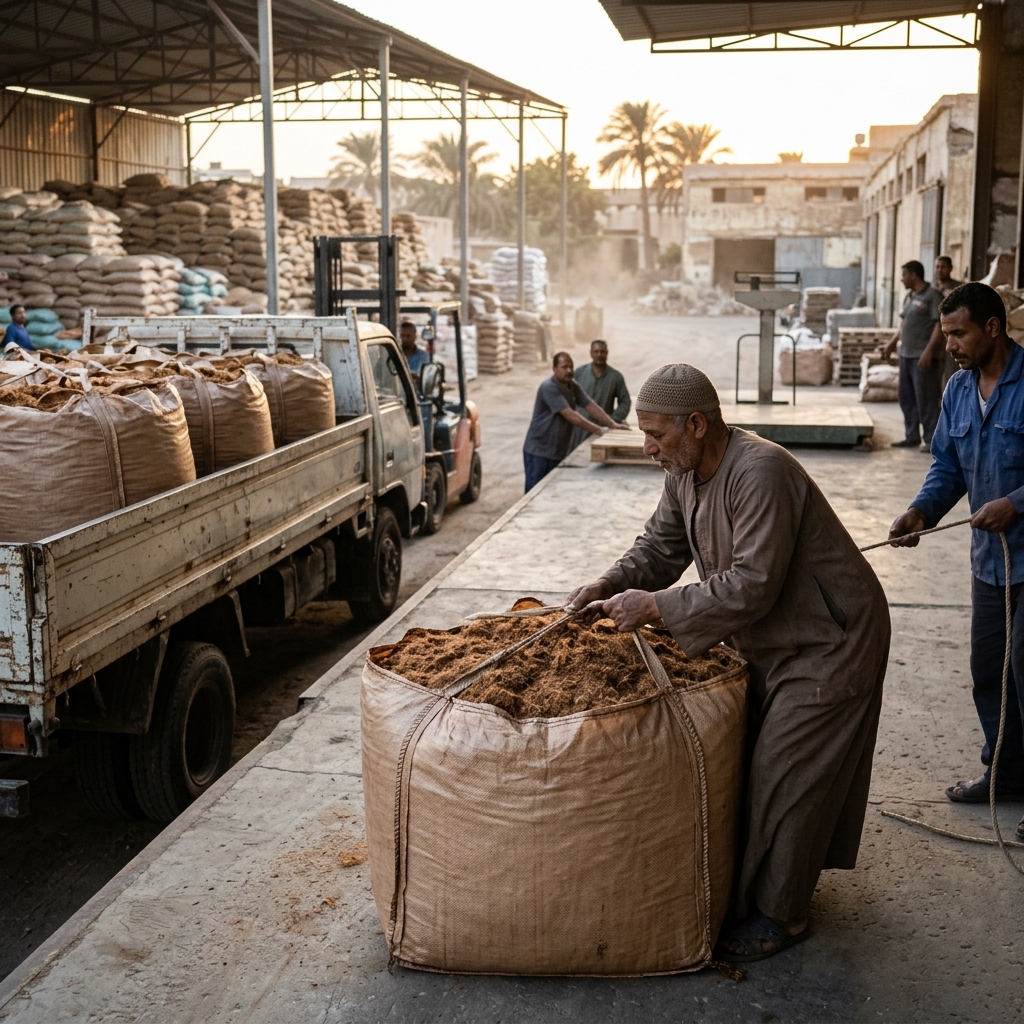
Procuring high-grade Palm Kernel Expeller in Egypt is essential for commercial livestock operations seeking long-term feed security and cost stability. Escalating global grain prices, fluctuating freight lanes, and foreign currency adjustments continuously pressure Egyptian feed compounders, livestock integrators, and dairy farms. Commercial animal producers require a reliable, fibrous, and energy-dense protein ingredient that sustains performance without inflating ration budgets.
Egypt maintains a national ruminant herd exceeding 7 million head of cattle and water buffalo, according to official trade reports from the USDA Foreign Agricultural Service. Because regional forage availability remains constrained by arid climatic conditions, imported feedstuffs must supply balanced amino acids and digestible fiber. Sourcing verified bulk agro-commodities directly solves both this nutritional challenge and corporate budgetary constraints.
Why Demand for Palm Kernel Expeller in Egypt Is Surging
Commercial livestock producers throughout the Nile Delta and Upper Egypt face severe market volatility for traditional feed components like imported yellow corn and soybean meal. Consequently, the commercial adoption of Palm Kernel Expeller in Egypt has accelerated rapidly. Feed formulators increasingly position this mechanical coproduct as a reliable macro-ingredient rather than a secondary filler.

Palm kernel expeller delivers an exceptional ratio of neutral detergent fiber (NDF), residual palm lipids, and medium-chain triglycerides. Furthermore, ruminants digest its fibrous matrix via gradual ruminal fermentation, eliminating the subacute ruminal acidosis (SARA) risks triggered by high-starch cereal grains. This physiological stability makes it an indispensable component for beef feedlots and high-yielding dairy herds alike.
Compound feed manufacturers located across Sharqia, Dakahlia, and Beheira blend expeller meal to establish uniform pellet durability. The physical structure of expeller cake optimizes binding mechanics during steam conditioning. As a result, compounders reduce synthetic binders while cutting raw material overhead across commercial manufacturing runs.
Overcoming Local Feed Deficits with Imported Agro-Commodities
Egypt’s domestic arable land remains prioritized for vital human staple crops such as wheat, sugar beets, and horticultural produce. Consequently, animal feed compounders depend heavily on international agricultural trade routes to satisfy gross nutritional demand. Integrating tropical expeller meal creates an economical buffer against North American and Black Sea grain supply disruptions.
Modern feed managers treat expeller imports as a fundamental risk-mitigation strategy. By maintaining continuous bulk shipments from verified Southeast Asian processing hubs, feed mills stabilize their monthly production costs. This strategic diversification protects regional livestock herds against unpredictable price shocks in the global commodity marketplace.
Nutritional Breakdown: Evaluating Palm Kernel Expeller in Egypt
Feed formulators must scrutinize proximate nutritional metrics before committing to breakbulk or containerized maritime cargo. High mechanical crushing standards ensure low residual shell content, balanced moisture levels, and clean fatty acid profiles. Evaluating expeller quality alongside traditional feed staples highlights its distinct economic and biological advantages.
| Nutritional Parameter | Palm Kernel Expeller (PKE) | Standard Soybean Meal (44%) | Imported Yellow Corn |
|---|---|---|---|
| Dry Matter (DM) | 90.0% – 92.0% | 88.0% – 89.0% | 86.0% – 88.0% |
| Crude Protein (CP) | 14.5% – 17.5% | 44.0% – 46.0% | 8.0% – 9.0% |
| Crude Fat / Residual Oil | 7.0% – 10.0% | 1.0% – 2.0% | 3.5% – 4.0% |
| Neutral Detergent Fiber (NDF) | 52.0% – 66.0% | 13.0% – 15.0% | 8.5% – 10.0% |
| Metabolizable Energy (Ruminants) | 10.5 – 11.8 MJ/kg | 12.5 – 13.0 MJ/kg | 13.2 – 13.6 MJ/kg |
Peer-reviewed animal science research indexed on ScienceDirect confirms that mechanical screw-pressed expeller meal retains beneficial rumen-bypass fat fractions. These bypass lipids supply dense energy during early lactation without hindering bacterial fiber breakdown in the rumen.

Guaranteed Quality Thresholds for Egyptian Import Consignments
Purchasing teams must enforce strict analytical specifications before authorizing international Letters of Credit (LC). Commercial buyers securing Palm Kernel Expeller in Egypt should mandate these baseline parameters on all commercial analysis certificates:
- Moisture Content: Maximum 10.0% to suppress fungal proliferation during ocean transit across the Red Sea and Suez Canal.
- Crude Protein: Minimum 14.5% to 16.5% guaranteed on an as-fed basis.
- Crude Fat (Ether Extract): 7.0% to 9.5%, supplying critical dietary calories without triggering oxidative rancidity.
- Acid Detergent Fiber (ADF): 34.0% to 38.0%, reflecting genuine palm kernel pulp rather than excess shell debris.
- Sand and Silica Impurities: Strictly below 1.5% to preserve feed mill machinery and maintain digestive comfort.
- Aflatoxins (B1, B2, G1, G2): Below 20 ppb to ensure total compliance with Egyptian agricultural import safety rules.
Experienced mill operators often complement expeller cake by sourcing additional vegetable protein sources such as copra meal for balanced amino acid profiles. In parallel, agricultural enterprises integrate horticultural soil amendments like cocopeat for reclaimed desert farming across the western desert corridors.
Formulating Diets for Egyptian Dairy Cattle and Beef Feedlots
Egyptian commercial dairy operations in Nubaria, Ismailia, and the Cairo-Alexandria desert corridor depend on uniform dry-matter intake to maintain daily milk output. Formulating rations with premium Palm Kernel Expeller in Egypt delivers functional fiber that stimulates chewing and saliva production. This natural buffering mechanism helps maintain a healthy rumen environment under intensive production schedules.
In high-producing dairy cow rations, veterinary consultants routinely recommend inclusion rates between 15% and 25% of total dry matter. To elevate milk butterfat levels and caloric density, producers frequently combine expeller rations with bypass fatty acids like calcium salts of palm oil fatty acids. This integrated nutritional approach supports peak milk production while preserving body condition scores.
[Video Embed: Industrial Feed Processing & Ruminant Digestion Mechanics of Mechanical Palm Kernel Meal PKM]
Beef cattle fattening yards managing indigenous Baladi cattle and European crossbred steers can safely raise inclusion rates to 30% or 35% of daily concentrates. Because expeller contains minimal rapidly fermentable starch, cattle achieve average daily gains (ADG) between 1.2 and 1.5 kg without liver abscesses or digestive distress. Formulators must balance the ingredient’s natural phosphorus content with supplemental calcium carbonate to preserve ideal blood mineral ratios.
Comprehensive feed evaluations documented by the Food and Agriculture Organization (FAO) emphasize that mechanical expeller processing leaves no residual petrochemical solvents. Global trade definitions also clarify that mechanical palm kernel meal retains pleasant earthy aromas that support consistent voluntary feed intake during hot summer months.
5 Proven Tips for Sourcing Palm Kernel Expeller in Egypt in 2026
Establishing an efficient supply chain requires rigorous supplier due diligence and proactive logistics planning. Commercial feed manufacturers and large-scale feedlots achieve measurable cost reductions by implementing five proven procurement principles:
- Verify Processing Origin and Extraction Discipline: Procure directly from dedicated Indonesian or Malaysian crushing facilities to eliminate product blending and variable shell ratios.
- Mandate Comprehensive Pre-Shipment Inspections: Require independent loading inspection certificates from accredited surveyors (such as SGS, Bureau Veritas, or Intertek) covering moisture, protein, fat, and aflatoxins.
- Select Strategic Maritime Import Gateways: Coordinate vessel discharge through ports that offer modern dry bulk discharge systems, minimal demurrage exposure, and smooth highway connectivity to Nile Delta farming hubs.
- Align Procurement Cycles with Tropical Harvest Windows: Plan advance import contracts during major palm harvest periods to secure competitive baseline prices and reliable ocean freight fixtures.
- Enforce Modern Storage Practices: Equip regional storage sheds with automated aeration fans, roof ventilators, and temperature monitoring cables to preserve product quality in Mediterranean climates.

Large manufacturing conglomerates also secure industrial biomass byproducts like palm kernel shell for industrial boilers, while processing units incorporate refined palm fractions like RBD CP8 into diverse manufacturing processes. Working with multi-product commodity exporters ensures consistent execution across seasonal procurement cycles.
Logistics and Port Infrastructure: Discharging Bulk Cargo in Egypt
Handling maritime dry bulk shipments across Egyptian seaports requires meticulous operational management. Cargo vessels navigate designated shipping lanes to reach modern bulk terminals capable of handling breakbulk and containerized agricultural consignments efficiently.
- Port of Alexandria and El-Dekheila: Egypt’s primary commercial trade gateway handles the majority of dry agricultural imports, featuring deep-draft bulk berths and established grain discharge infrastructure.
- Port of Damietta: Positioned conveniently east of Alexandria, Damietta offers high-capacity flat warehousing, automated bulk unloader systems, and rapid transport links to central Delta feedlot facilities.
- Port Said (East & West Terminals): Located at the northern entrance of the Suez Canal, Port Said provides smooth transit and rapid customs clearance for direct cargo arrivals originating from Southeast Asian crushers.
Every imported consignment must clear phytosanitary inspections administered by the Central Administration of Plant Quarantine (CAPQ) and the General Authority for Veterinary Services. Authorized inspectors verify the absence of invasive biological pests, dangerous mycotoxin contamination, and heavy metal residues before authorizing cargo release into the domestic market.

Once delivered to local warehouses, bulk expeller piles require active airflow management. Because residual vegetable lipids remain biologically active, warehouse managers maintain continuous ventilation to dissipate latent heat, preserving feed freshness and preventing spontaneous hot-spot development.
Makmur Amanah Sejahtera provides high-quality palm products such as Palm Kernel Expeller, Palm Kernel Shell, Crude Palm Oil, Palm Kernel Oil, etc. Kindly contact us at WhatsApp +6282140002198 or email us at admin@makmuramanah.co.id.
Frequently Asked Questions About Palm Kernel Expeller in Egypt
What is the typical crude protein level of Palm Kernel Expeller in Egypt?
Premium expeller cargo typically tests between 14.5% and 17.5% crude protein on a dry-matter basis. This provides an economical, consistent amino acid base that allows feed formulators to reduce reliance on higher-cost vegetable protein meals in dairy and beef rations.
How does palm kernel expeller compare to local wheat bran in Egyptian rations?
While wheat bran offers digestible fiber, expeller provides significantly higher residual fat (7% to 10%) and bypass protein. This combination delivers superior total digestible nutrients (TDN) to stabilize milk yield and growth rates without triggering digestive acidosis.
Which Egyptian ports handle bulk maritime expeller shipments?
Major maritime shipments primarily clear through the ports of Alexandria, El-Dekheila, and Damietta. These deep-water facilities feature specialized pneumatic discharge infrastructure, flat storage warehouses, and direct highway corridors connecting to commercial farming regions across the Nile Delta.
What is the expected storage shelf-life of bulk expeller in Egyptian climates?
When held in dry, well-ventilated storage sheds below 10% moisture, expeller maintains high quality for four to six months. Implementing regular pile turning and continuous airflow prevents localized moisture accumulation, fungal mycotoxins, and natural lipid oxidation.
Can commercial Egyptian poultry integrators feed palm kernel expeller?
Poultry can only utilize limited dietary amounts (3% to 5%) due to high non-starch polysaccharide (mannan) levels. Diets require commercial beta-mannanase enzyme supplementation to facilitate digestion, keeping its primary commercial demand centered in dairy and beef operations.
Strengthen Your Feed Formulation Strategy in 2026
Forward-thinking feed compounders and livestock producers cannot afford to rely entirely on unpredictable grain markets. Successfully importing Palm Kernel Expeller in Egypt equips agribusinesses with a nutrient-dense, digestible, and cost-effective feed ingredient that safeguards operating margins. By partnering with dependable exporters, enforcing analytical parameters, and streamlining seaport discharge, your commercial enterprise achieves dependable nutritional performance throughout 2026 and beyond.

 English
 Indonesian
 Chinese
 Arabic
