
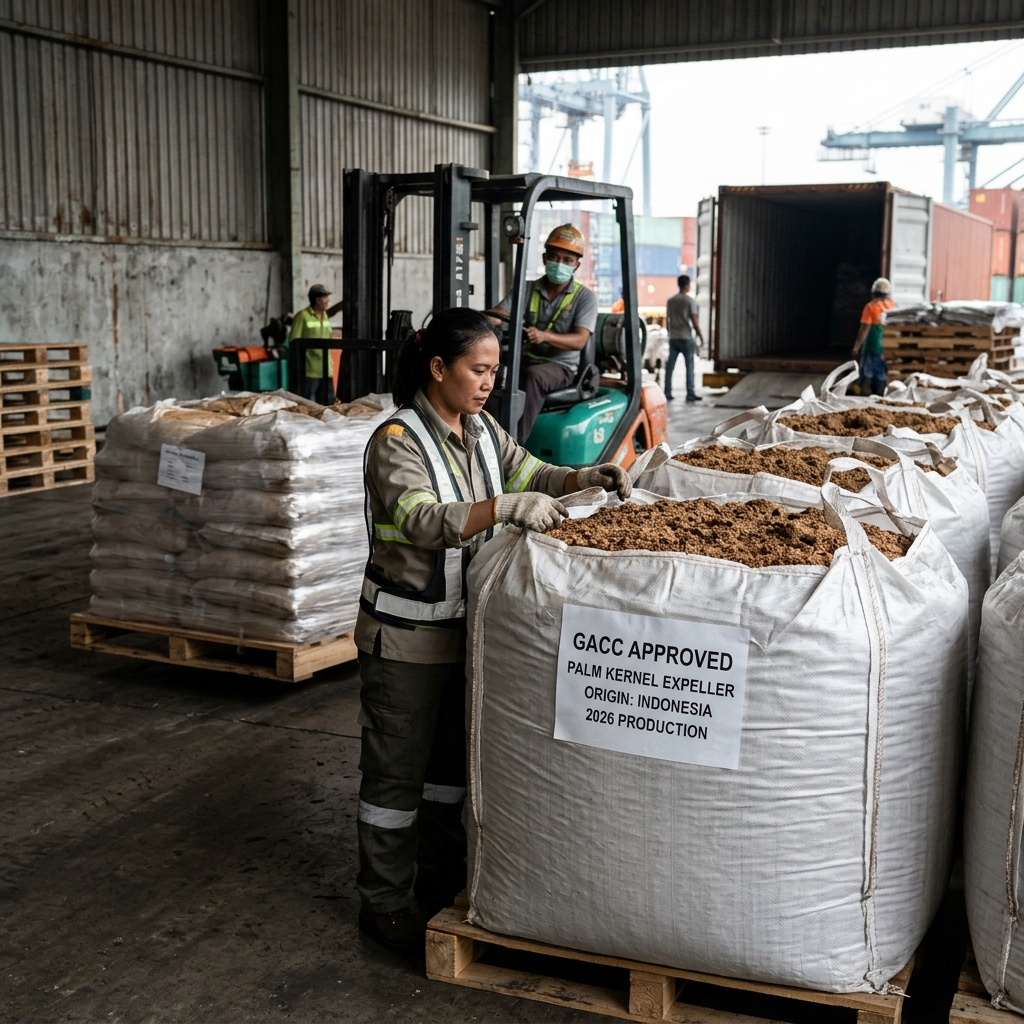
GACC Approved Palm Kernel Expeller: 7 Proven Tips (2026)
Procuring GACC approved palm kernel expeller from Indonesia has become an essential operational prerequisite for animal feed importers entering mainland China in 2026. Stricter customs mandates, evolving biosecurity protocols, and fluctuating freight lanes have disrupted traditional procurement pipelines. Feed blenders and commercial livestock integrators face catastrophic port delays when customs documentation fails to satisfy Chinese border inspections.
According to analytical data released by the USDA Foreign Agricultural Service, China consumes over 60% of all internationally traded palm kernel meal for commercial livestock rations. However, Indonesian exporters must now clear rigorous oversight standards under Decrees 248 and 249 to enter Chinese seaports safely. Understanding these entry requirements protects trading houses from expensive demurrage, border rejections, and disrupted milling operations.
Understanding GACC Requirements for Indonesian Palm Kernel Expeller
The General Administration of Customs of the People’s Republic of China enforces some of the world’s strictest import criteria for plant-origin raw materials. Any feed mill, trading house, or livestock enterprise shipping agro-commodities into Chinese waters must confirm their supplier holds an active registration on the single-window customs platform.
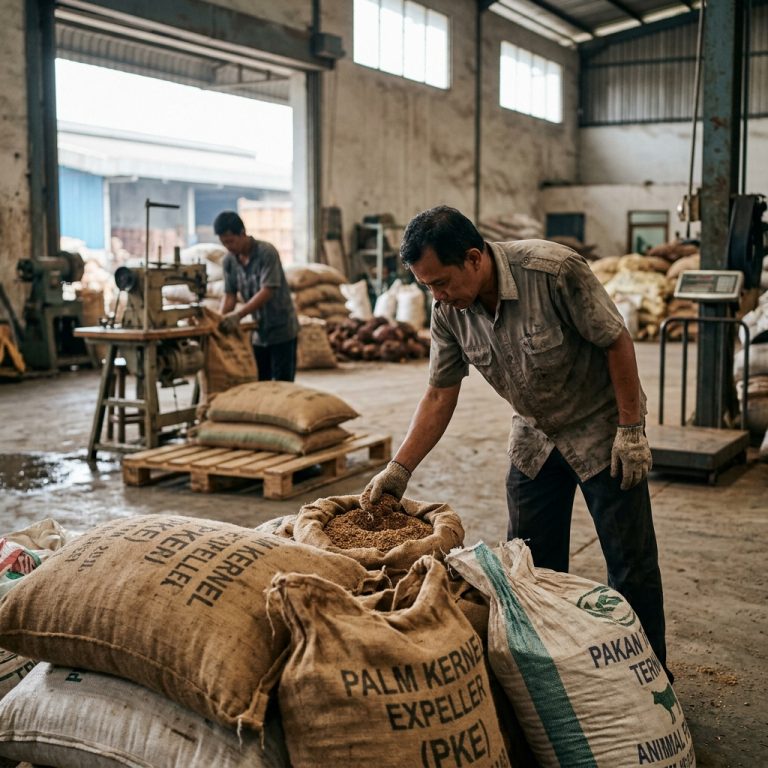
[Image: Certified Indonesian palm oil crushing plant packaging palm kernel expeller into export bags. Alt: High-grade GACC approved palm kernel expeller production facility in Sumatra. Title: GACC Approved Palm Kernel Expeller Processing Facility]
Without this verification, customs authorities automatically reject cargo upon arrival at major ports such as Qingdao, Tianjin, and Guangzhou. Working with an accredited exporter guarantees your shipment satisfies both statutory quarantine laws and heavy metal residue thresholds.
What Makes a GACC Approved Palm Kernel Expeller Mill Compliant?
A GACC approved palm kernel expeller mill is an Indonesian processing facility officially audited and registered under China’s single-window customs platform, confirming full adherence to national biosecurity, microbiological safety, and chemical residue regulations. These manufacturing plants implement rigorous pest management protocols, dedicated storage segregation, and continuous laboratory testing prior to ocean freight loading.
Furthermore, accredited crushers must submit facility blueprints, hazard analysis critical control points (HACCP) programs, and annual pest control logs to bilateral inspection authorities. Compliance guarantees that the by-product contains zero quarantine pests, pathogenic fungi, or illegal organic residues before shipping manifests are issued.
Decrees 248 and 249: Compliance Breakdown for 2026
Decree 248 mandates that all overseas manufacturing, processing, and storage facilities for feed ingredients undergo formal state-level recommendation through the Indonesian Agricultural Quarantine Agency (Barantan) before securing an official registration number from the General Administration of Customs of China.
Meanwhile, Decree 249 establishes stringent oversight covering import and export food and feed safety. Exporters must maintain complete traceability from the initial fresh fruit bunch (FFB) collection point straight to the bulk vessel hold. If your supplier cannot demonstrate real-time lot batch tracing, their facility risks immediate administrative delisting.
Why Source GACC Approved Palm Kernel Expeller from Indonesia?
Indonesia remains the world’s premier producer of oil palm derivatives, crushing millions of metric tons of palm nuts annually across Sumatra and Kalimantan. Importing GACC approved palm kernel expeller from Indonesian suppliers offers unmistakable cost-to-performance advantages over alternative protein and fiber meals.
Additionally, forward-thinking feed blenders consistently diversify their raw material intake by combining expeller meal with complementary Indonesian feedstocks such as high-protein Copra Meal to balance amino acid profiles across modern dairy and swine formulations.
[Infographic: Visual flowchart illustrating the export supply chain from Indonesian palm oil mills through Barantan phytosanitary clearance to GACC customs arrival. Alt: Export workflow and compliance steps for GACC approved palm kernel expeller from Indonesia. Title: Supply Chain Map for GACC Approved Palm Kernel Expeller]
Commercial livestock producers also procure eco-friendly growing media like Cocopeat to enhance agricultural sustainability across integrated farming initiatives throughout East Asia.
Nutritional Profile & Feeding Efficiency
Palm kernel expeller represents an exceptional source of crude fiber, medium-chain triglycerides, and digestible protein for ruminant animals. Peer-reviewed research available via ScienceDirect demonstrates that dietary inclusion of expeller meal improves milk fat percentages in dairy cattle while boosting rumen microbial fermentation efficiency.
Moreover, the inherent bypass protein value protects vital amino acids from premature degradation in the rumen, ensuring direct assimilation within the small intestine. Swine and poultry producers also utilize precision-milled expeller as a functional fiber source to enhance gut health and reduce reliance on synthetic growth promotants.
Sustainable Supply Chains & ISPO Certification
Global feed conglomerates now demand transparent, deforestation-free sourcing networks across Southeast Asia. Leading Indonesian producers integrate Indonesian Sustainable Palm Oil (ISPO) certification alongside customs compliance to guarantee responsible agricultural practices.
These operations optimize whole-palm utilization by using residual biomass such as Palm Kernel Shell to fuel their internal boiler operations, minimizing the carbon footprint of the expeller processing line.
Critical Specifications for GACC Approved Palm Kernel Expeller
Before issuing a commercial purchase contract or establishing a letter of credit, buyers must verify analytical parameters against strict Chinese national standards (GB/T requirements). Deviations in oil content or moisture can cause self-heating in transit or mold development during long maritime voyages.
[Image: Laboratory testing of palm kernel expeller samples for moisture and protein analysis. Alt: Certified lab inspecting GACC approved palm kernel expeller specifications. Title: GACC Approved Palm Kernel Expeller Quality Assurance]
The following table outlines the required baseline analytical parameters for compliant shipments arriving at Chinese seaports:
| Parameter | Standard Contract Specification | Chinese National Limit (GB Standard) | Impact of Non-Compliance |
|---|---|---|---|
| Profat (Protein + Fat) | Min. 21% – 23% Combined | Min. 20% | Commercial price penalties or rejection |
| Crude Protein | Min. 14.5% – 16.0% | Min. 14.0% | Inferior feed conversion efficiency |
| Moisture Content | Max. 10.0% – 12.0% | Max. 12.5% | Biological heating and mold growth |
| Crude Fiber | Max. 16.0% – 18.0% | Max. 18.0% | Reduced digestibility in non-ruminants |
| Sand & Silica (Impurities) | Max. 2.0% – 2.5% | Max. 2.5% | Mill machinery wear and toxicity risks |
| Aflatoxin B1 | Max. 20 ppb (ug/kg) | Max. 30 ppb | Immediate quarantine destruction at port |
In high-performance dairy rations, nutritionists frequently pair expeller meals with rumen-protected fats like Calcium Salts of Palm Oil Fatty Acids to maximize total energy intake without disrupting delicate rumen fiber-digesting microbes.
Step-by-Step Verification: How to Validate GACC Approved Palm Kernel Expeller Suppliers
To ensure your Indonesian manufacturing partner holds an active registration and avoids customs delays, follow this practical seven-step verification process before wiring any advance payments:
- Verify the 18-Digit Single Window Code: Request the official registration number and verify it against the CIFER (China Import Food Enterprises Registration) database maintained by Chinese customs.
- Cross-Check the Enterprise Name on Barantan: Ensure the corporate entity matching the registration number precisely mirrors the corporate tax ID (NPWP) and Indonesian business identification number (NIB).
- Inspect Recent Independent COAs: Review third-party certificates of analysis issued by recognized inspection agencies like Sucofindo or SGS for historical aflatoxin and moisture consistency.
- Audit Mill Fumigation Protocols: Confirm that the plant conducts regular phosphine or sulfuryl fluoride treatments across all flat warehouses and storage silos to prevent live insect infestation.
- Validate Labeling & Outer Packaging: Ensure the factory incorporates bilingual packaging labels displaying the registration number, net weight, production date, and expiration window.
- Examine Loading Port Facilities: Check whether cargo moves via direct conveyor loading at deepwater ports (such as Belawan or Dumai) to prevent rain exposure during vessel stevedoring.
- Draft Ironclad Quality Clauses: Insert contractual stipulations requiring pre-shipment phytosanitary clearance and laboratory verification as strict prerequisites for final balance disbursements.
Logistics, Export Protocols, and Customs Clearance from Indonesian Ports
Ocean freight logistics play a critical role in preserving feed safety between equatorial loading points and temperate discharging ports. Maritime transit typically requires 12 to 20 days, during which temperature differentials can cause condensation inside ship holds.
[Image: Bulk carrier vessel taking on agricultural cargo at an Indonesian deepwater export terminal. Alt: Loading certified GACC approved palm kernel expeller aboard bulk carrier. Title: GACC Approved Palm Kernel Expeller Maritime Shipping]
Professional exporters execute rigorous vessel hold inspections prior to loading. Holds must be completely clean, dry, odor-free, and officially certified by marine surveyors before commodity transfer begins.
[Video: Professional technical documentary explaining the cargo hold preparation, conveyor loading, and phytosanitary fumigation of palm kernel meal for export. Alt: Video guide to bulk vessel shipment of Indonesian PKE 2026. Title: Bulk Loading Operations for GACC Approved Palm Kernel Expeller]
Documentation Checklist for Chinese Customs Clearance
Customs officers at major Chinese ports inspect cargo manifests against documentation before issuing clearance permits. Exporters must supply:
- Phytosanitary Certificate: Issued by Barantan, bearing the exact GACC approved palm kernel expeller facility registration code.
- Certificate of Origin (Form E): Validating preferential tariff access under the ASEAN-China Free Trade Area agreements.
- Commercial Invoice & Packing List: Itemizing lot codes, production dates, and manufacturing addresses matching customs registrations.
- Certificate of Analysis (COA): Independent testing verifying protein, crude fat, moisture, and absence of heavy metals.
- Certificate of Fumigation: Confirming professional insect control treatments carried out prior to maritime dispatch.
Bulk Vessel vs. Container Shipping Optimization
Importers purchasing over 5,000 metric tons per cycle generally prefer chartered bulk vessels to lower per-unit freight costs. Bulk voyages enable rapid discharge at industrial grain terminals equipped with pneumatic unloaders.
Conversely, regional compounders operating with smaller inventory buffers often choose 20-foot dry containers fitted with silica desiccant bags. Containerization prevents batch cross-contamination, provides modular delivery flexibility, and lowers initial capital requirements for expanding feed operations.
Pricing Trends and Market Dynamics for Importers
Global commodity pricing for palm by-products correlates directly with competitive energy markets, seasonal monsoon cycles, and soymeal pricing. According to trade assessments by the Food and Agriculture Organization, feed mill procurement teams closely benchmark CIF Qingdao PKE price and CIF Tianjin palm kernel expeller quotations against domestic corn meal valuations.
Establishing clear payment mechanisms such as irrevocable documentary letters of credit protects both parties during periods of sharp currency fluctuation. Furthermore, contracting directly with primary crushers eliminates redundant broker commissions, preserving profit margins throughout demanding production years.
Avoiding Common Import Pitfalls in the 2026 Trade Environment
The regulatory framework governing international feedstuffs leaves zero room for oversight. Importers frequently encounter avoidable financial losses due to minor administrative mistakes or lax supplier screening.
One prevalent pitfall involves purchasing from intermediary traders who lack direct affiliation with certified crushers. Non-registered middlemen often attempt to source uncertified meal and blend it with certified stocks, exposing shipments to immediate border impoundment and permanent license cancellation.
Another recurring issue stems from inadequate moisture management. Loading expeller with moisture levels exceeding 12% into poorly ventilated bulk holds regularly causes localized hot spots and spontaneous mold growth. Partnering exclusively with seasoned producers guarantees strict moisture monitoring before cargo departs Sumatra or Kalimantan terminals.
Makmur Amanah Sejahtera provides high-quality palm products such as Palm Kernel Expeller, Palm Kernel Shell, Crude Palm Oil, Palm Kernel Oil, etc. Kindly contact us at WhatsApp +6282140002198 or email us at admin@makmuramanah.co.id.
Frequently Asked Questions
What is the shelf life of GACC approved palm kernel expeller?
When stored in dry, well-ventilated warehouses with moisture controlled below 11%, certified expeller maintains prime nutritional value for 6 to 9 months. Consistent temperature management prevents lipid oxidation, safeguarding feed palatability and bypass protein efficiency across commercial feeding programs.
How can I confirm my supplier’s GACC registration status?
Importers verify registration by checking the official CIFER database managed by Chinese customs. Compare the exporter’s registered legal identity, Indonesian plant code, and single-window certificate directly with commercial invoices and Barantan phytosanitary documents to confirm active export authorization.
What are the primary reasons Chinese customs rejects Indonesian PKE?
Chinese port rejections stem primarily from documentation discrepancies, live quarantine pest detection, or aflatoxin B1 exceeding 30 ppb. Inconsistencies between commercial paperwork and CIFER registrations also trigger immediate port impoundment, quarantine testing, and punitive demurrage expenses.
What is the typical transit duration from Indonesian ports to China?
Direct bulk vessel shipments departing Sumatran ports like Belawan or Dumai reach southern Chinese gateways within 10 to 14 sailing days. Transits toward northern ports like Qingdao or Tianjin require 16 to 20 days depending on vessel velocity and navigational conditions.
Are tariffs applied to Indonesian palm kernel expeller entering China?
Under the ASEAN-China Free Trade Area framework, certified palm kernel expeller enters China with a 0% preferential tariff. Importers must file an authentic Form E Certificate of Origin issued by Indonesian authorities alongside registration documents to secure preferential duty exemption.
Final Thoughts on Sourcing GACC Approved Palm Kernel Expeller
Navigating the complex international trade standards of 2026 demands complete vigilance, institutional transparency, and reliable on-the-ground partnerships. Securing verified GACC approved palm kernel expeller protects your investment from expensive port demurrage charges while providing your commercial feed operations with high-quality protein and digestible fiber.
[Image: Direct inspection of golden-brown palm kernel expeller meal ready for packing. Alt: Premium GACC approved palm kernel expeller ready for international export. Title: Quality Certified Palm Kernel Expeller Ready for Shipment]
By conducting thorough facility audits, maintaining continuous laboratory surveillance, and securing precise phytosanitary documentation, international feed compounders can establish resilient supply chains. Partnering with dedicated Indonesian producers ensures your enterprise consistently receives world-class agricultural commodities backed by complete regulatory peace of mind.
 English
 Indonesian
 Chinese
 Arabic
