
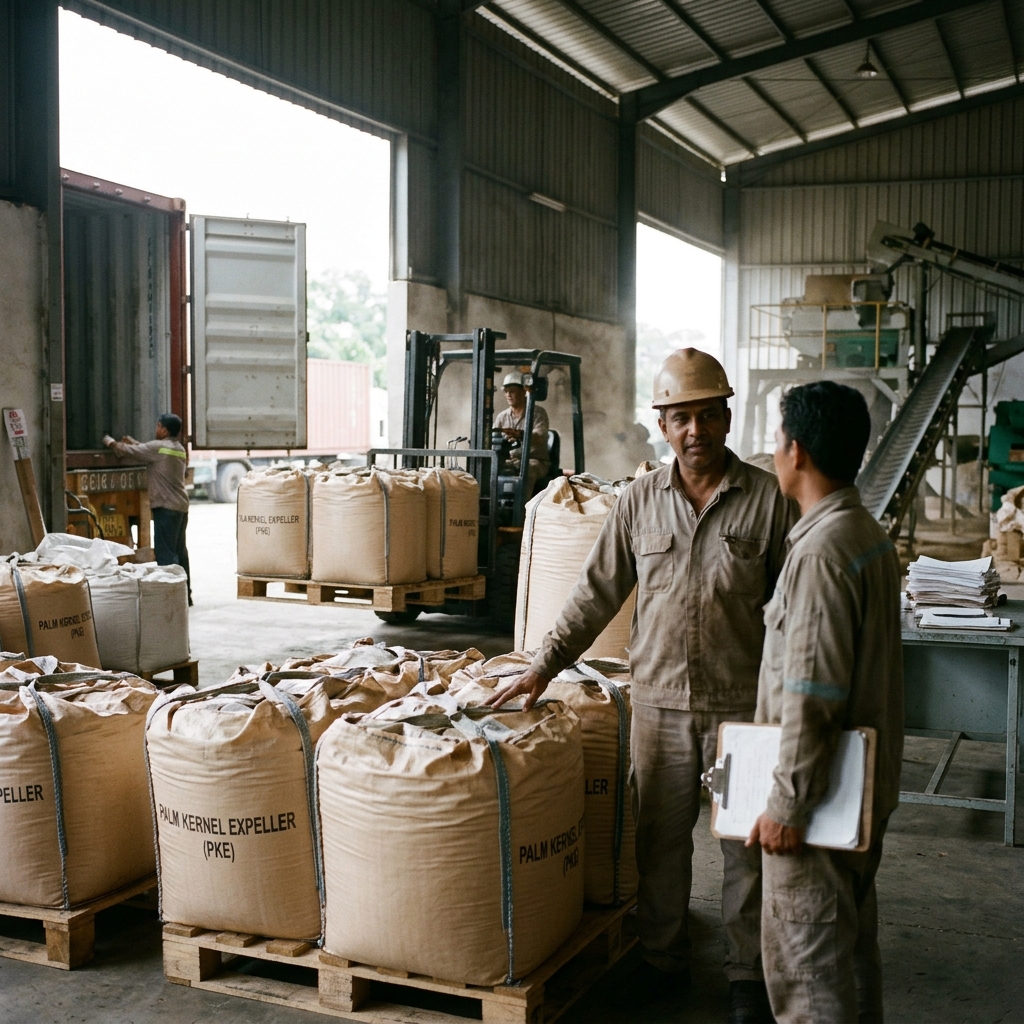
GACC Approved Palm Kernel Expeller: 5 Proven Import Tips for 2026
Sourcing GACC approved palm kernel expeller requires strict adherence to customs clearance standards and biosecurity regulations. Chinese agribusinesses and livestock feed manufacturers face stringent quality inspections at major seaports like Qingdao, Tianjin, and Guangzhou. Without verified compliance, shipments face quarantine holds, customs delays, and severe financial losses. This definitive 2026 guide delivers actionable intelligence on import protocols, contract pricing, quality parameters, and trusted procurement workflows.
China imported over 1.2 million metric tons of palm-derived feed ingredients last year to satisfy expanding dairy and beef herds. The General Administration of Customs of the People’s Republic of China (GACC) closely monitors these agricultural flows under Decrees 248 and 249. Consequently, livestock feed millers require reliable supply chains that guarantee zero quarantine interruptions while optimizing their feed formulation costs.
Securing reliable supply contracts demands a granular understanding of how China animal feed import protocols operate across Southeast Asian crushing facilities. Feed millers that master these technical hurdles achieve substantial cost advantages over competitors relying on volatile spot grain shipments.
What Is GACC Approved Palm Kernel Expeller?
GACC approved palm kernel expeller is mechanically extracted palm kernel meal produced by processing mills officially audited, registered, and listed on China’s GACC biosecurity import roster. This agricultural byproduct contains 14% to 18% crude protein, high dietary fiber, and residual fat, making it an ideal supplemental energy source for ruminant feeds entering Chinese borders.
During mechanical pressing, palm oil mills extract crude oil from the kernel, leaving behind a nutrient-dense cake known as expeller. However, Chinese authorities mandate that this feed ingredient undergo strict sanitary processing to prevent biological contaminants, aflatoxins, and pest infestations. Sourcing high-purity GACC approved palm kernel expeller guarantees that foreign processing plants satisfy every safety requirement stipulated by bilateral sanitary protocols.
Unlike raw agricultural waste, registered expeller represents a standardized feedstuff. Each shipment entering commercial trade must demonstrate rigorous batch traceability, consistent moisture management, and freedom from hazardous chemical residues.

China Import Regulations: Navigating the GACC Certification Process
Exporting agricultural byproducts to mainland China involves strict administrative compliance. Importers and foreign suppliers must coordinate continuously to adhere to GACC biosecurity decrees.
The regulatory framework centers on General Administration of Customs China registration frameworks governed by Decrees 248 and 249. These statutes require overseas manufacturing and storage facilities to secure verified listing before executing commercial sales.
Requirements for Registering GACC Approved Palm Kernel Expeller Facilities
Foreign processing establishments must register through the official Single Window quarantine system before loading ocean vessels. Sourcing from genuine Indonesian GACC certified PKE suppliers eliminates clearance risks. The registration process demands complete transparency regarding:
- Documented pest control systems within storage warehouses and crushing mills.
- HACCP or ISO 22000 food and feed safety management certifications.
- Standard operating procedures preventing cross-contamination from bird, rodent, and insect vectors.
- Facility audits approved by both the country-of-origin agriculture ministry and GACC inspectors.
- Inclusion on the active Decree 248 facility white list maintained by customs officials in Beijing.
Furthermore, Chinese buyers must hold valid domestic feed ingredient import licenses. Importing unregistered goods leads to immediate container confiscation or mandatory return to origin at the charterer’s expense.
Essential Quarantine and Shipping Documentation
Customs officials examine shipping paperwork methodically upon vessel arrival. Buyers and suppliers must execute contracts requiring these non-negotiable documents:
- Official Phytosanitary quarantine certificate issued by quarantine authorities in Indonesia (Barantan) or Malaysia.
- Certificate of Origin (Form E for ASEAN-China Free Trade Area preferential tariffs).
- Certificate of Analysis verifying ruminant feed protein specifications, moisture, ash, and aflatoxin thresholds.
- Clean on-board bill of lading confirming GACC-registered production facility names and customs registration codes.
- Fumigation Certificate detailing chemical dosage, duration, and clearance standards.

Nutritional Profile and Benefits for Chinese Livestock
Feed compounders rely on palm derivatives to stabilize commercial rations without exceeding raw material budgets. The Food and Agriculture Organization (FAO) highlights palm byproducts as sustainable feed components for sustainable ruminant production.
Dairy cattle in northern Chinese provinces thrive on expeller supplementation. The neutral detergent fiber (NDF) supports healthy rumen fermentation and increases milk fat synthesis. Feed formulators frequently combine expeller meal with high-energy copra meal and bypass fats like calcium salts of palm oil fatty acids to maximize dairy yields during peak lactation cycles.
Extensive peer-reviewed research published in ScienceDirect agricultural studies demonstrates that expeller meal acts as an exceptional cost-reducing alternative to traditional soybean meal and corn rations. Moreover, its dry, pelleted or flaked texture blends smoothly into commercial Total Mixed Rations (TMR).
Beef cattle feedlots in Hebei and Shandong utilize expeller to maintain steady average daily gain (ADG). The low starch profile eliminates acidosis risks common with intensive maize-heavy feed regimens.
Standard Specifications: GACC Approved PKE vs Standard Expeller
The operational difference between uncertified expeller and GACC-compliant cargo centers on rigorous chemical thresholds, physical purity, and aflatoxin screening. Review the comparative specifications below:
| Parameter | GACC Approved Palm Kernel Expeller | Non-Certified Standard PKE | Industry Significance |
|---|---|---|---|
| Profat (Protein + Fat) | Min 21% – 23% | Min 18% – 20% | Determines total digestible energy for livestock |
| Moisture Content | Max 8.0% – 10.0% | Max 12.0% | Prevents mold growth and heating during ocean transit |
| Aflatoxin B1 | Max 20 ppb (Strict limit) | 30 – 50 ppb | Mandatory threshold for customs biosecurity clearance |
| Foreign Matter / Shell | Max 2.0% – 3.0% | Up to 6.0% | Protects animal digestive tracts and pelleting dies |
| Facility Traceability | Decree 248 Listed Registration | None / Domestic Only | Allows legal customs entry across Chinese ports |
Maintaining strict moisture limits under 10% prevents spontaneous combustion in vessel holds during multi-week transits. In parallel, biomass co-products like sustainable palm kernel shell and horticultural media like organic cocopeat undergo independent quarantine reviews when moved alongside feed products.
Meeting these rigorous specifications requires continuous sampling at processing mills. Importers who verify batch analyses before berthing avoid costly demurrage penalties.
2026 Price Factors and Procurement Strategies
Pricing for GACC approved palm kernel expeller fluctuates based on energy commodity markets, ocean shipping rates, and seasonal palm oil harvesting cycles across Southeast Asia. According to global agricultural market monitoring from the USDA Foreign Agricultural Service, alternative protein meals experience elevated demand whenever traditional soymeal prices appreciate.
Understanding bulk palm kernel expeller price per ton 2026 dynamics enables purchasing managers to structure cost-effective contracts:
- Crude Palm Oil (CPO) Milling Rates: Higher production cycles in Sumatra and Kalimantan increase expeller cake supply, softening benchmark FOB prices.
- Bulk Freight Rates: Supramax and Handymax vessel charter rates between the Malacca Strait and Bohai Rim ports influence final CIF Qingdao PKE prices.
- GACC Compliance Premiums: Export facilities carrying active Chinese certifications price their output $5 to $12 per metric ton above unapproved domestic mills due to rigorous audit overheads.
- Seasonal Demand Spikes: Chinese feed mills ramp up procurement between July and October to build inventory ahead of winter feeding demands.
Savvy procurement teams hedge exposure by securing quarterly forward contracts rather than relying on spot market tenders at transit hubs. Long-term volume agreements protect feed compounders against sudden ocean freight spikes.

How to Source GACC Approved Palm Kernel Expeller: 5 Proven Steps
Executing an international feed procurement contract demands precision at every stage. Follow this verified checklist to eliminate operational hazards and understand gacc registration requirements for animal feed:
- Verify the Supplier’s GACC White-List Registration Number: Confirm the mill’s identity directly on China Customs’ official Single Window database before signing purchase agreements.
- Contract Independent Pre-Shipment Inspection: Appoint international survey firms (such as SGS or Sucofindo) to sample cargo at loading berths for moisture, protein, and aflatoxin compliance.
- Specify Strict Storage and Vessel Hold Cleanliness Terms: Mandate shipboard hold inspections prior to loading to prevent chemical, rust, and insect cross-contamination.
- Validate ASEAN-China Free Trade Documentation: Ensure Form E certificates contain matching vessel names, seal numbers, and tariff codes to secure zero-tariff clearance.
- Establish Clear Ocean Transit Fumigation Protocols: Enforce recirculation fumigation using approved phosphine dosages under official supervision.
Additionally, experienced importers maintain backup suppliers within established industrial supply networks to handle unexpected domestic quota shifts or shipping delays.
Makmur Amanah Sejahtera provides high-quality palm products such as Palm Kernel Expeller, Palm Kernel Shell, Crude Palm Oil, Palm Kernel Oil, etc. Kindly contact us at WhatsApp +6282140002198 or email us at admin@makmuramanah.co.id.
Frequently Asked Questions
What is the minimum protein requirement for GACC approved palm kernel expeller?
GACC regulations and Chinese commercial buyers require a minimum crude protein content of 14% to 16%, with combined protein and fat (Profat) levels exceeding 21%. These levels ensure high energy density, optimal microbial protein synthesis, and enhanced digestive performance in ruminant cattle feed rations.
How can an importer verify if a supplier has genuine GACC approval?
Buyers verify registration by accessing the official GACC Single Window database online. Searching the approved foreign feed manufacturer registry by facility name, country of origin, or registration code confirms valid biosecurity certification under China’s Decree 248 rules before contract signing.
What are the primary reasons for GACC rejecting PKE shipments?
Customs authorities reject agricultural cargo when aflatoxin B1 exceeds 20 parts per billion, live stored-product pests are detected, or cargo moisture exceeds 10%. Administrative rejections also occur if shipping paperwork contains mismatched mill registration codes or uncertified transit fumigation certificates.
Does GACC approved palm kernel expeller qualify for zero-tariff treatment in China?
Yes, expeller meal exported from ASEAN countries like Indonesia or Malaysia enters China duty-free under the ASEAN-China Free Trade Agreement. Importers must present a certified Form E Certificate of Origin matching shipment details exactly to claim zero-tariff preferential trade treatment.
Can palm kernel expeller be shipped in bulk or containerized bags?
Suppliers export expeller either in bulk vessels of 5,000 to 20,000 metric tons or packed into 50kg woven bags within 20-foot sea containers. Bulk chartering offers lower freight rates for coastal mills, while containerized shipments suit regional inland feed manufacturers.
Strategic Outlook: Navigating the 2026 Import Market
China’s modernized dairy and livestock sectors rely heavily on cost-efficient, protein-dense ingredients to balance feed rations. As regulatory inspections intensify under updated trade protocols, sourcing high-grade GACC approved palm kernel expeller from reputable processing leaders is the only proven defense against customs rejections and costly commercial delays.
 English
 Indonesian
 Chinese
 Arabic
