
Cocopeat for Plants: 7 Proven Tips for 2026 Success
Using cocopeat for plants transforms ordinary gardening into an efficient, eco-friendly growing system that maximizes plant vigor and root health. Traditional potting soils often compact quickly, suffocate delicate roots, and dry out unpredictably under shifting climate patterns. Horticulturists and home gardeners alike require a resilient, sustainable substrate that balances moisture retention with aggressive root oxygenation.
Commercial nurseries and urban growers across the globe now turn to coir pith to overcome conventional soil degradation. Research published by the Food and Agriculture Organization (FAO) reveals that sustainable horticultural growing media play a pivotal role in reducing environmental strain caused by wetland peat extraction. Today, utilizing cocopeat for plants empowers growers to conserve up to 50% more irrigation water while improving root mass by over 30% compared to heavy topsoil mixtures.
Whether you manage indoor foliage, raise commercial greenhouse vegetables, or propagate delicate cuttings, mastering this organic medium guarantees consistent results. In this definitive 2026 guide, you will learn the exact biological mechanics, preparation methods, blending formulas, and preventative care required to elevate your horticultural success.
What is Cocopeat for Plants? Origin, Anatomy, and Composition

Cocopeat for plants is a 100% natural growing medium made from processed coconut husk fibers (mesocarp). Known technically as coir pith or coco dust, it provides exceptional water retention—absorbing up to 8 to 10 times its dry weight—while maintaining a loose, fibrous structure that delivers 15% to 25% air porosity to developing roots.
The manufacturing process begins by extracting long structural fibers from the outer coconut husk for industrial ropes and brushes. The leftover spongy, granular dust is aged, washed, sun-dried, and hydraulically compressed into compact bricks, blocks, or discs. This biological byproduct transforms agricultural waste into an elite horticultural substrate.
Chemically, pure coir contains high levels of lignin (approx. 45%) and cellulose (approx. 43%), making it remarkably resistant to bacterial rot and fungal decomposition. Unlike regular potting soil that collapses into a dense sludge within a season, cocopeat for plants maintains its structural integrity and airy texture for up to five years in pots and raised beds.
Furthermore, standard unwashed coir holds natural potassium and sodium salts due to coconut palms growing predominantly along coastal regions. Premium horticultural distributors wash and treat this raw substrate to reduce its electrical conductivity (EC), making cocopeat for plants a favored medium across commercial nurseries worldwide.
Key Benefits of Using Cocopeat for Plants in 2026
Modern growers demand sustainable solutions that reduce labor and maximize harvest output. Incorporating high-grade coconut coir delivers distinct physiological benefits over traditional garden soil and virgin peat:
- Unrivaled Water Retention: Coir acts like a microscopic sponge, holding abundant moisture without drowning root tips, which protects outdoor and balcony plants during scorching heatwaves.
- Enhanced Structural Aeration: Even when fully saturated, the coarse particle matrix preserves interconnected air channels, supplying consistent oxygen to rhizosphere bacteria and root hairs.
- Naturally Mild pH Range: Cocopeat sits naturally at a stable pH of 5.5 to 6.8, an optimal zone for nutrient availability that eliminates the need for heavy agricultural lime additions.
- Eco-Friendly Peatland Preservation: Harvesting sphagnum peat destroys vulnerable, carbon-sequestering peat bogs; choosing coir protects these ancient biomes.
- Pathogen Resistance: Coir naturally repels many common soil-borne pathogens and fungus gnats due to its sterile processing and clean cellular composition.
- Remarkable Substrate Longevity: High lignin content prevents rapid biodegradation, allowing growers to wash, sterilize, and reuse the medium for multiple consecutive growing cycles.
Moreover, the exceptional water retention makes cocopeat for plants indispensable for gardeners seeking drought resilience. As water utility costs rise, transitioning container collections to coir-based substrates saves significant irrigation resources every growing season.
In addition, natural disease suppression is another compelling reason to choose cocopeat for plants. Peer-reviewed research on horticultural growing media compiled on ScienceDirect demonstrates that high-lignin substrates foster beneficial microbial colonies, such as Trichoderma, which systematically outcompete pathogenic root fungi.
How Cocopeat for Plants Improves Root Oxygenation and Growth
Standard topsoils frequently suffocate root networks when overwatered because fine clay particles seal together. In contrast, properly structured cocopeat for plants preserves micropores and macropores simultaneously. This delicate micro-architecture ensures roots access dissolved oxygen continuously, preventing dangerous anoxic conditions that cause pythium and phytophthora root rot.
Consequently, plants produce dense lateral root branches rather than sparse, struggling taproots. Energetic root systems translate directly into faster vegetative development, thicker stems, and greater flowering capacity across ornamental and edible crops.
Physical Advantages of Cocopeat for Potted Plants
Examining the advantages of cocopeat for potted plants highlights why container gardeners experience superior vegetative longevity. Unlike mineral field dirt, coir remains uniformly fluffy and never forms a rock-hard crust on the surface of the container.
This perpetual softness allows gentle root penetration and rapid transplant establishment. In addition, its lightweight nature substantially lowers container weight, allowing urban balcony growers to cultivate expansive vertical gardens without overloading structural balconies.
Cocopeat vs Peat Moss: Comprehensive Comparison
For decades, horticulturalists treated sphagnum peat moss as the gold standard for container culture. However, ecological shifts and practical growing trials have led major institutions, including the Royal Horticultural Society (RHS), to champion peat-free gardening alternatives. The comparison table below highlights why coir outperforms traditional peat in modern cultivation:
| Feature / Metric | Cocopeat (Coconut Coir) | Sphagnum Peat Moss |
|---|---|---|
| pH Level | 5.5 – 6.8 (Naturally neutral/mild) | 3.5 – 4.5 (Highly acidic; requires lime) |
| Water Absorption | Hydrophilic; rehydrates instantly without surfactants | Hydrophobic when dry; requires chemical wetting agents |
| Air-Filled Porosity | 15% – 25% (Maintains structure under saturation) | 10% – 15% (Subject to collapse and compaction) |
| Environmental Impact | Renewable byproduct of coconut harvest | Non-renewable; depletes critical global carbon sinks |
| Decomposition Rate | Very slow (High lignin content, lasts 4–5 years) | Moderate (Breaks down and silts up in 1–2 years) |
| Nutrient Holding (CEC) | High Cation Exchange Capacity (60–100 meq/100g) | High Cation Exchange Capacity (100–140 meq/100g) |
| Cost & Reusability | Easily washed, sterilized, and reused multiple times | Difficult to sanitize; collapses quickly after one cycle |
When comparing alternatives, cocopeat for plants delivers a more sustainable life cycle and drastically simplifies container moisture management. Peat moss becomes stubbornly hydrophobic once parched, forcing water to run down the sides of the pot rather than soaking into dry roots. Coir, by comparison, re-wets immediately upon contact with moisture.
For these reasons, commercial operations and hobbyists prefer premium cocopeat for plants over harvested peat to maintain steady root zone hydration and consistent crop quality throughout all seasons.
How to Prepare Cocopeat for Plants Step-by-Step
Raw compressed coir blocks cannot be poured straight into planters without proper hydration and chemical stabilization. Before adding nutrients, preparing raw cocopeat for plants requires washing away excess salinity and swapping unwanted sodium ions for plant-usable calcium and magnesium.
According to horticultural research published by University of Florida IFAS Extension, unbuffered coconut coir naturally locks away applied calcium and magnesium while releasing toxic amounts of sodium and potassium. You must buffer the substrate to satisfy its cation exchange sites before planting.
Buffered vs Unbuffered Cocopeat for Plants: The Science of Cation Exchange
Understanding the distinction between buffered vs unbuffered cocopeat for plants is vital for every horticulturist. Coir fiber surfaces possess naturally negative electrical charges that hold positively charged ions (cations). In raw coir, these cation sites are naturally saturated with potassium and sodium.
When you hydrate coir with standard fertilizers, the fibers eagerly trade their potassium and sodium for calcium and magnesium from your nutrient solution. Consequently, your plants experience sudden calcium deficiency while suffering from salt stress. Buffering pre-loads the medium with calcium, creating an inert, grower-friendly substrate.
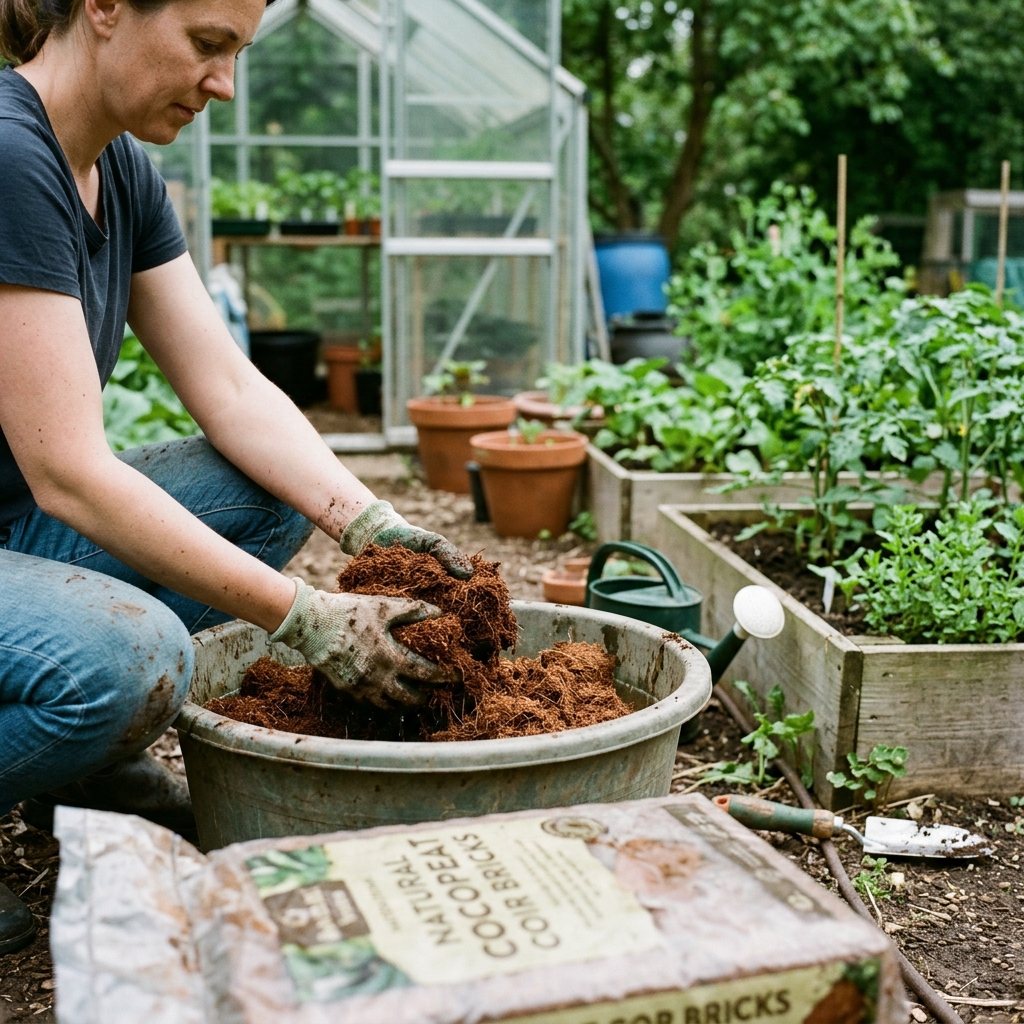
- Rehydrate the Brick: Place your compressed block into a clean 20-liter bucket. Slowly pour 4 to 5 liters of warm water per kilogram of dry coir. Allow it to expand fully for 15 to 20 minutes until completely loose.
- Wash Out Excess Salts: Agitate the loose coir in clean freshwater. Pour the slurry through a fine mesh strainer or fabric pot to drain. Measure the runoff with an EC (Electrical Conductivity) meter; repeat flushing until the runoff reads below 0.5 mS/cm.
- Prepare the Buffering Solution: Dissolve 7 grams of calcium nitrate and 3 grams of magnesium sulfate (Epsom salts) per liter of clean water in a separate container. Buffering cocopeat for plants with calcium nitrate saturates the complex organic fibers with essential secondary macronutrients.
- Soak Thoroughly: Submerge your rinsed, expanded coir entirely into the buffering solution. Let the medium soak for a minimum of 12 to 24 hours so cation exchange takes place completely.
- Final Rinse and Squeeze: Drain the buffering liquid completely. Rinse the coir with pure water to remove dislodged potassium and sodium ions, then wring out excess moisture until damp but not dripping wet.
Your finished medium is now chemically stabilized, physically loose, and completely safe for fragile seedlings and high-value plantings.
Best Soil Mix Recipes Using Cocopeat for Plants
While hydroponic growers cultivate crops in 100% buffered coir, terrestrial container gardening requires custom soil blends. Creating a balanced potting mix using cocopeat for plants prevents compaction and provides tailored drainage for different root structures.
Best Cocopeat Potting Mix Ratio for Indoor Plants and Tropical Foliage
Determining the best cocopeat potting mix ratio for indoor plants ensures monsteras, philodendrons, and pothos develop robust foliage without risk of root suffocation. This tropical forest mix provides rapid percolation and chunky structure:
- 40% Buffered Cocopeat: Moisture reservoir and structural matrix.
- 30% Coarse Perlite or Pumice: Establishes rapid drainage channels and aerates the core.
- 20% Horticultural Orchid Bark: Creates chunky macro-cavities that epiphytic roots crave.
- 10% Screened Worm Castings: Delivers bioavailable micro-nutrients and beneficial biology.
The Heavy-Yield Vegetable Container Blend
Tomatoes, peppers, and eggplants consume vast quantities of water and food during peak fruiting cycles. This richer formulation prevents mid-day wilting while maintaining superior drainage:
- 50% Buffered Cocopeat: Preserves consistent soil hydration during summer heat.
- 30% Aged Compost or Manure: Supplies active organic matter and steady baseline nitrogen.
- 15% Coarse Horticultural Sand or Perlite: Guards against heavy mud formation.
- 5% Crushed Biochar: Boosts long-term microbial housing and moisture retention.
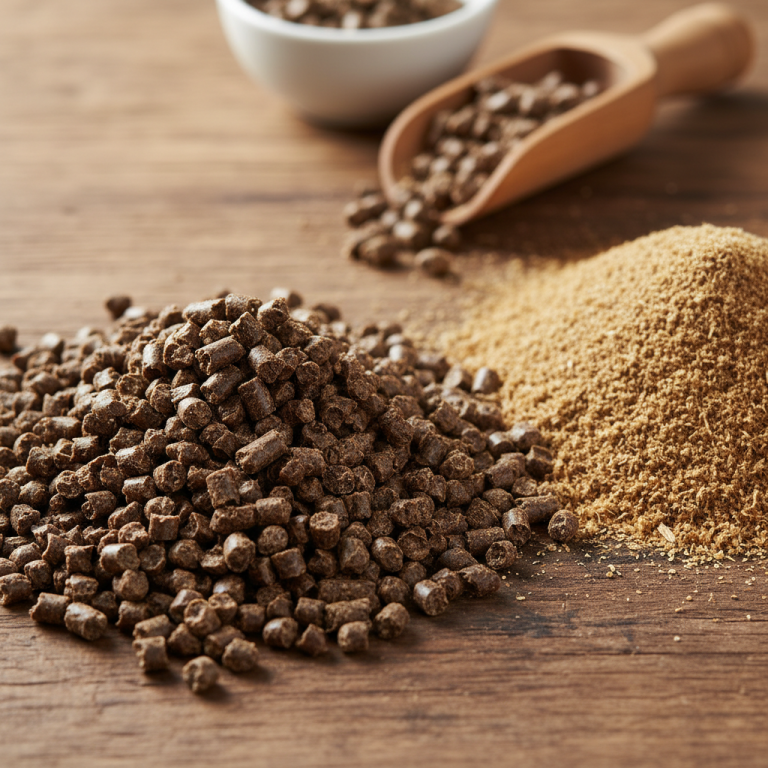
Furthermore, delicate aroids thrive when cocopeat for plants is blended with perlite and chunky forest byproducts. Beyond container blends, gardeners looking for sustainable biomass soil covers or garden path stabilization can integrate durable palm kernel shell as a clean, long-lasting top dressing that reduces surface evaporation.
Additionally, agricultural operations integrating soil regeneration practices often complement organic coir potting mixes with protein-rich palm kernel expeller as an effective organic nitrogen soil amendment and premium livestock ration component.
Common Mistakes to Avoid When Using Cocopeat
Even seasoned horticulturists encounter unexpected setbacks when treating coir identically to standard peat soil. Avoid these major operational pitfalls to maintain exceptional crop vitality:
- Skipping the Buffering Stage: A common pitfall when hydrating cocopeat for plants is failing to check EC levels and skipping calcium buffering. Unbuffered coir absorbs calcium like a magnet, starving your crops of vital cell-wall building blocks.
- Ignoring Supplemental Cal-Mag: Even after buffering, coir continually exchanges nutrients. Always add liquid Calcium-Magnesium (Cal-Mag) supplements to your irrigation regimen throughout the crop life cycle.
- Overcompacting During Potting: Packing coir down tightly with your fists crushes the microscopic air pockets. Gently tap the container base on the bench to settle the mix naturally.
- Misdiagnosing Moisture Levels: The surface of coir often turns a light golden-brown while the root zone beneath remains completely saturated. Always verify interior soil moisture with a digital probe or finger test before watering.
- Failing to Monitor Runoff EC: Because coir holds mineral salts readily, irrigating without sufficient runoff causes fertilizer salts to accumulate near root tips over time.
Without proper supplementation, utilizing unbuffered cocopeat for plants leads to calcium deficiencies that manifest as blossom end rot on tomatoes or distorted tip growth on prized tropicals. Balanced agronomic management ensures your garden avoids these common nutritional traps.
In broad agricultural settings, exploring balanced organic coproducts such as nutrient-dense copra meal reveals how coconut residuals support holistic livestock feed and soil conditioning strategies worldwide.

Makmur Amanah Sejahtera provides high-quality palm products such as Palm Kernel Expeller, Palm Kernel Shell, Crude Palm Oil, Palm Kernel Oil, etc. Kindly contact us at WhatsApp +6282140002198 or email us at admin@makmuramanah.co.id.
Frequently Asked Questions
Can you grow plants in 100% cocopeat?
Yes, you can grow plants in 100% cocopeat using hydroponic fertigation methods where water-soluble fertilizers supply all nutrition. However, for everyday indoor houseplants, blending coir with 30% perlite and organic worm castings improves long-term aeration, root stability, and natural biological fertility.
Why is cocopeat for plants considered eco-friendly?
Cocopeat for plants is eco-friendly because it reclaims a discarded agricultural byproduct of the coconut food processing sector. Choosing coir preserves threatened peat bogs, which act as the Earth’s most critical terrestrial carbon sinks and irreplaceable wetland wildlife reserves.
How often should you water plants grown in cocopeat?
Watering frequency depends on ambient heat, pot dimensions, and root maturity. Because coir holds up to ten times its dry weight in water, containers generally require irrigation 30% to 50% less frequently than standard soil mixes under equivalent climate conditions.
Does cocopeat contain natural fertilizer nutrients?
No, pristine horticultural cocopeat is an inert medium containing virtually zero plant-available nitrogen, phosphorus, or calcium. While coir carries trace potassium, gardeners must provide balanced soluble hydroponic nutrients or organic soil amendments to nourish healthy, continuous plant development.
Can you reuse cocopeat after harvesting a crop?
Yes, cocopeat is reusable for up to five years. Simply sift out spent root clumps, flush the medium thoroughly with clean water, treat it with an organic cellulase enzyme solution, and re-buffer with calcium nitrate before repotting your next plant cycle.
Conclusion

Transitioning to coconut coir represents one of the most rewarding shifts a modern grower can make. By providing an optimal balance of water retention, excellent root aeration, and a near-neutral pH baseline, coir resolves the root compaction and rot hazards associated with legacy peat mixes. Armed with the step-by-step buffering process and custom blending recipes detailed above, you can confidently build a thriving, drought-resilient garden.
Remember that steady nutrition and proactive calcium-magnesium management form the twin pillars of coir cultivation. Ultimately, embracing cocopeat for plants equips you with a sustainable, high-yield growing foundation for 2026 and beyond. Start preparing your coir substrate today to unlock resilient growth and extraordinary root development across your entire botanical collection.
 English
 Indonesian
 Chinese
 Arabic
