
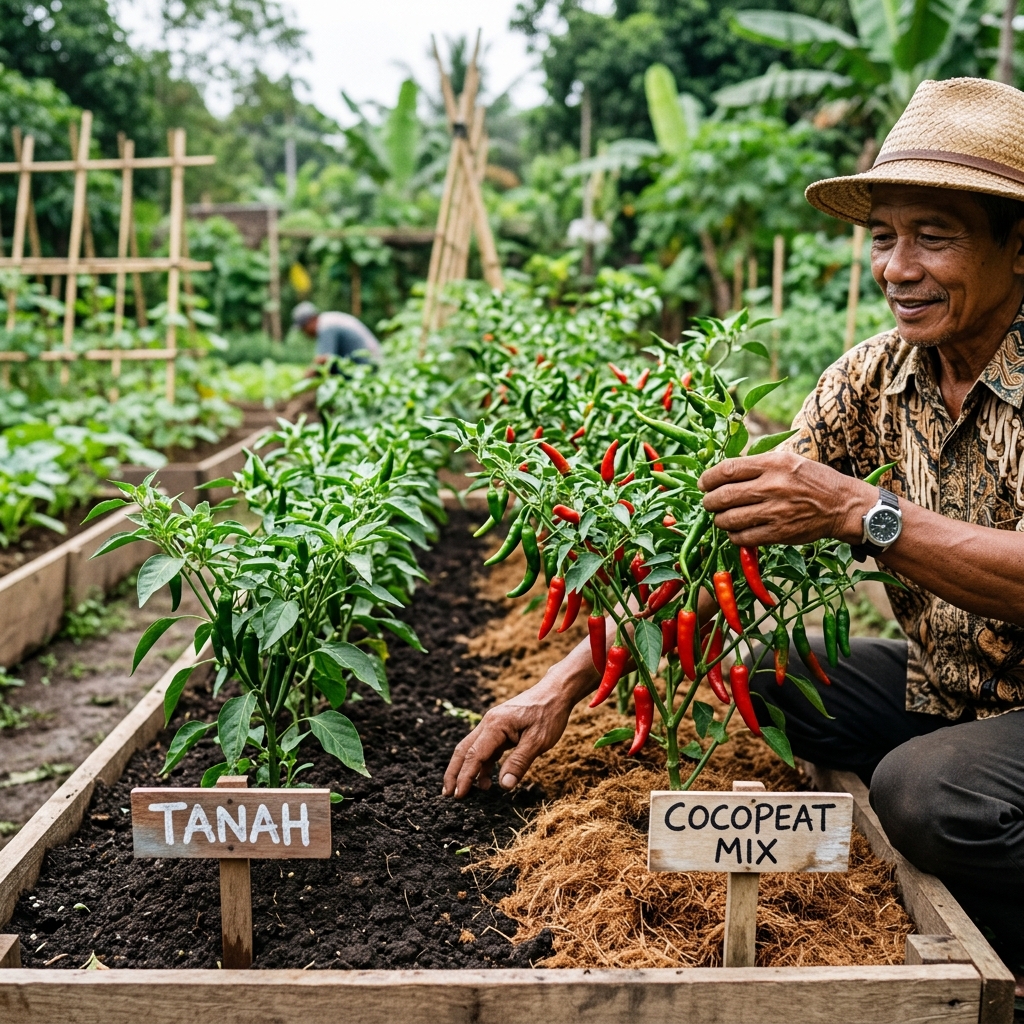
Cocopeat vs Soil Growing Media: 5 Secrets to Bountiful Harvests (2026)
Choosing cocopeat vs soil growing media is a fundamental decision that largely determines the success rate of today's modern agricultural farming. Many growers and gardening hobbyists often make the wrong choice in growing media, preventing crop yields from reaching their maximum potential.
Are you aiming for optimal root aeration or sustainable natural nutrient availability? Controlling root zone conditions is key to preventing rot and drastically accelerating your crops' harvest time.
Quick Definition: The comparison between cocopeat vs soil growing media lies in their physical and chemical properties. Cocopeat is an organic, soilless growing medium made from coconut coir that retains water up to 8-10 times its weight. In contrast, topsoil provides natural minerals and beneficial microorganisms, but tends to compact more quickly over time.
What Are Cocopeat and Fertile Soil?
Before choosing between these two substrates, it is important to understand their origins and biological characteristics that drive their field performance.
According to a research report from Food and Agriculture Organization (FAO), the physical structure of the growing medium determines more than 60% of a plant's early root mass development, directly impacting both vegetative and generative capacity.
Characteristics of Organic Cocopeat
Cocopeat is produced from the extraction of coconut coir fibers processed into pure, fine powder. Modern cocopeat products boast exceptionally high air porosity, allowing roots to breathe freely without the risk of waterlogging.
In addition, the hydrophilic nature of cocopeat enables very rapid water absorption and retains it longer than conventional media. Stable water retention strongly supports irrigation efficiency in dryland agricultural areas.
Characteristics of Open Topsoil
Topsoil is the uppermost layer of the earth, rich in organicmatter, earthworms, and beneficial microflora. Soil provides a stable, natural cation exchange capacity (CEC) to bind essential nutrients such as Nitrogen, Phosphorus, and Potassium.
However, clay or common garden soil has limitations in terms of soil porosity. Soil is prone to compaction due to high watering frequency and heavy rainfall.

Cocopeat vs. Soil Growing Media: Key Feature Comparison
To help you evaluate the best option, the table below summarizes an in-depth comparison between cocopeat and fertile soil based on horticultural laboratory testing:
| Technical Parameters | Cocopeat (Coconut Coir) | Garden Topsoil |
|---|---|---|
| Water Retention Capacity | Very High (800%-1000%) | Moderate (40%-60%) |
| Aeration and Porosity | Very Good (30% air space) | Low to Moderate (Prone to compaction) |
| Nutrient Content | Very Low (Inert) | High (Rich in natural minerals) |
| Acidity Level (Soil/Media pH) | Stable (5.8 – 6.5) | Variable (5.0 – 7.5) |
| Sterility / Pest-Free | High (Free from soil-borne pathogens) | Low (Risk of carrying weeds & fungi) |
| Growing Media Drainage | Very Fast & Uniform | Slow (Risk of waterlogging) |
| Medium Weight | Very Light | Heavy |
Pros and Cons of Cocopeat vs Soil Growing Media
The use of cocopeat vs soil growing media certainly has its own pluses and minuses that need to be tailored to your plant types, garden location, and irrigation system.
Key Advantages of Modern Cocopeat
When discussing the benefits of cocopeat for plants, this coconut coir-based medium offers exceptional structural homogeneity. The roots of hydroponic and horticultural plants can spread symmetrically without mechanical obstacles from hard soil clumps.
In addition, its very light weight makes it the best solution for cultivation in rooftop gardens and urban hanging pots without overburdening the building structure.
Cocopeat Disadvantages to Watch Out For
Raw (unwashed) cocopeat often contains high levels of tannins and sodium. Excess tannins can inhibit nutrient absorption by root systems and stunt seedlings.
Furthermore, cocopeat is inert and contains no inherent nutrient reserves, meaning you must provide regular fertilization starting from the very first day of planting.
Comparison of Cocopeat vs Soil Growing Media in the Initial Rooting Phase
During the early seed germination phase, young roots require a loose environment with balanced water retention . Cocopeat provides 2x faster root penetration compared to compacted garden soil.
However, after the late vegetative stage, large plants require strong mechanical anchoring. This is where the natural density of topsoil provides stability that pure cocopeat lacks.
Advantages of Conventional Topsoil
Soil provides a comprehensive natural microbial ecosystem. Beneficial microbial content such as Mycorrhiza and Rhizobium lives continuously, breaking down organic matter into readily absorbable liquid cations.
The use of soil is also proven to be economical for large-scale open-field cultivation as it can be obtained directly without manufacturing processing costs.
Disadvantages of Topsoil
The risk of contamination from root-rot nematode eggs, soil-borne fungal spores (Fusarium), and weed seeds is very high in unsterilized garden soil.
Over time, the drainage of pure soil-based growing media will decrease sharply due to the compaction of fine dust particles under routine watering.
💡 Visual Infographic: Oxygen Circulation & Water Distribution Cycle: Comparison of Coconut Coir Fibers vs Topsoil Clay Particles. (Cocopeat media maintains 30% air space when wet, whereas clay soil shrinks to leave less than 8% air space).
How to Process and Use Cocopeat to Make It Tannin-Free
To achieve maximum efficiency when applying the cocopeat vs soil growing mediastrategy, you must ensure the cocopeat is free from tannin inhibitor substances. Based on scientific publications in ScienceDirect, washing coconut coir is proven to reduce Electrical Conductivity (EC) to below 0.5 mS/cm.
- Initial Soaking: Soak the cocopeat block in a container of clean water for 12-24 hours until fully expanded.
- Washing & Rinsing: Squeeze and rinse the cocopeat under running water until the runoff water turns from dark, murky brown to relatively clear.
- Pengeringan / Penirisan: Peras sisa air dan angin-anginkan di bawah sinar matahari hingga kadar air menyusut ke kisaran kelembapan 40%.
- Buffering Kalsium Nitrat (Sangat Direkomendasikan): Rendam kembali media dengan larutan Kalsium Nitrat selama 24 jam untuk membilas sisa ikatan Natrium dan Kalium liar pada serat kelapa.

Formulasi Campuran Media Tanam Cocopeat vs Tanah Terbaik
Mengapa Anda harus memilih salah satu jika dapat menggabungkan keunggulan keduanya? Menguasai cara mencampur cocopeat dan tanah adalah rahasia para praktisi hortikultura profesional untuk mendongkrak tonase panen.
Pencampuran yang presisi menciptakan media yang kaya nutrients, memiliki ketahanan retensi air tinggi, serta menjaga soil porosity tetap gembur dalam jangka waktu lama.
Rasio Campuran Cocopeat Terbaik untuk Berbagai Jenis Tanaman
Berikut adalah formula rasio campuran cocopeat terbaik yang disesuaikan dengan kebutuhan fisiologis tanaman:
- Racikan Pot & Polybag (Buah & Sayur): 40% Cocopeat + 30% Tanah Topsoil + 20% Kompos/Pupuk Kandang + 10% Sekam Padi Bakar.
- Racikan Persemaian Benih Unggul: 70% Cocopeat + 30% Vermikulit atau Kompos Ayakan Halus.
- Racikan Tanaman Hias Daun (Monstera, Aglaonema, Philodendron): 30% Cocopeat + 30% Tanah Humus + 20% Perlit + 20% Cacahan Pakis.
Dalam skala pengolahan pertanian industri, pengayaan media tanam juga memanfaatkan limbah organik terolah lainnya. Misalnya, pemanfaatan bahan fermentasi berbasis palm kernel expeller atau nutrisi campuran dari copra meal untuk memicu perkembangan mikroba pembawa hara.
Selain itu, cangkang keras seperti palm kernel shell sering dimanfaatkan sebagai bahan dasar biochar atau filter drainase di dasar pot skala besar. Dalam pemrosesan modern, produk turunan minyak sawit murni seperti RBD CP8 juga menjadi standar industri pengolahan pelapis alami pertanian.
🎥 Panduan Video Rekomendasi: “Tutorial Praktis Uji Komposisi Rasio Media Tanam Cocopeat dan Tanah untuk Pertumbuhan Akar Optimal” (Durasi: 08:45 – Pelajari teknik pencampuran tanpa gumpalan).
Media Tanam Cocopeat vs Tanah dalam Budidaya Modern 2026
Penerapan teknologi smart greenhouse dan urban agriculture di tahun 2026 menuntut efisiensi penggunaan air dan nutrisi cair yang sangat terukur.
Riset terbaru dari Ministry of Agriculture of the Republic of Indonesia memaparkan bahwa penggunaan substrat berbasis coconut coir mampu menghemat konsumsi air irigasi hingga 45% dibandingkan budidaya berbahan tanah konvensional.

Implementasi pada Sistem Irigasi Tetes (Drip Irrigation)
Pada sistem irigasi otomatis, konsistensi drainase media tanam dan porositas cocopeat vs soil growing media memegang peranan krusial. Partikel halus pada tanah biasa sangat berisiko menyumbat emiter penetes irigasi.
Sebaliknya, kapilaritas serat cocopeat mampu meratakan air nutrisi ke seluruh bagian perakaran tanpa memicu genangan berlebih. Hal ini menjaga kestabilan pH tanah dan media tanam tetap berada pada range ideal 5.8 hingga 6.5.
Makmur Amanah Sejahtera provides high-quality processed palm products such as Palm Kernel Expeller, Palm Kernel Shell, Crude Palm Oil, Palm Kernel Oil, and others. Please contact us via WhatsApp +6282140002198 or email admin@makmuramanah.co.id.
Pertanyaan Populer (FAQ)
Apakah cocopeat lebih bagus dari tanah untuk semua jenis tanaman?
Tidak selalu. Cocopeat sangat unggul untuk penyemaian benih, sistem hidroponik, dan tanaman hias pot. Namun, tanaman buah berkayu keras membutuhkan tanah topsoil untuk stabilitas penopang mekanis akar serta pasokan mineral alami jangka panjang.
Mengapa tanaman saya kerdil saat ditanam di cocopeat murni?
Kondisi tanaman kerdil umumnya dipicu oleh dua faktor utama: cocopeat masih mengandung zat tanin tinggi yang meracuni sistem perakaran, atau kurangnya pemupukan rutin mengingat cocopeat bersifat inert tanpa kandungan hara bawaan.
Berapa lama masa pakai media tanam cocopeat vs tanah di dalam pot?
Cocopeat memiliki daya tahan pelapukan fisik yang sangat baik hingga 3-5 tahun setelah disterilisasi ulang. Sebaliknya, tanah topsoil di dalam pot akan memadat dan kehabisan hara alami setelah 1-2 tahun penggunaan rutin.
Bagaimana cara mudah menguji apakah cocopeat sudah bebas tanin?
Rendam sampel cocopeat dalam air bersih selama beberapa jam. Jika air rendaman berubah warna menjadi cokelat tua pekat seperti teh, kadar tanin masih tinggi. Cocopeat aman pakai akan menghasilkan air rendaman yang jernih.
Kesimpulan: Memilih Media Tanam Cocopeat vs Tanah yang Tepat
Memahami perbedaan cocopeat vs soil growing media memberi Anda keuntungan strategis dalam merancang media tumbuh yang produktif. Cocopeat unggul dalam hal kapasitas retensi air dan aerasi, sedangkan tanah menyediakan pondasi nutrisi alami serta daya topang perakaran yang kokoh.
Untuk mencapai hasil panen melimpah secara konsisten di tahun 2026, terapkan teknik kombinasi ideal dengan racikan 40% cocopeat dan 30% tanah yang diperkaya bahan organik. Pastikan cocopeat telah dicuci bersih bebas tanin agar perakaran tanaman Anda dapat berkembang secara optimal.



