
Daftar isi
- Apa Sebenarnya Tandan Buah Sawit Kosong Itu?
10 Surprising Uses for an Empty Palm Fruit Bunch
- 1. A Powerful Source of Biofuel and Renewable Energy
2. Kompos Berkualitas Tinggi dan Pupuk Organik
3. Produksi Pulp dan Kertas Berkelanjutan
4. Natural Mulch for Plantations
5. Manufacturing Eco-Friendly Fiberboard
6. Production of Biochar for Carbon Sequestration
7. A Component in Animal Feed
8. Media Budidaya Jamur
9. Generating Biogas Through Anaerobic Digestion
10. Creating Advanced Bio-materials and Bioplastics
The palm oil industry is a global giant, but its production process generates massive amounts of biomass waste. For years, one of its primary byproducts was seen as a problem. We’re talking about the Tandan Buah Sawit Kosong (EFB). This fibrous material, left over after the valuable fruitlets are removed, was often discarded or burned. But what if this “waste” is actually a valuable resource?
This guide dives deep into what an empty palm fruit bunch is and explores its incredible potential. You’ll discover how this humble byproduct, along with others like the Cangkang Inti Sawit, is being transformed into everything from renewable energy to eco-friendly materials, paving the way for a more sustainable and circular economy.
Apa Sebenarnya Tandan Buah Sawit Kosong Itu?
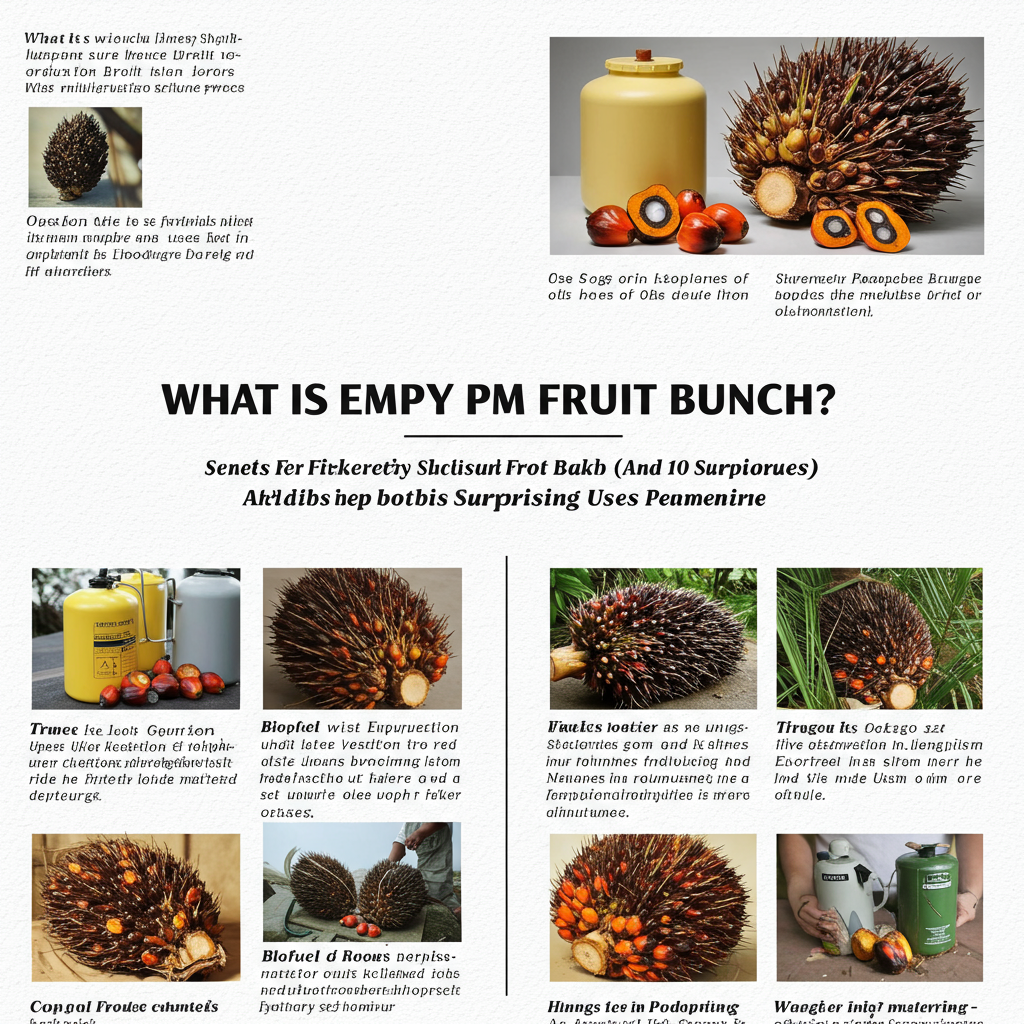
Sebuah Tandan Buah Sawit Kosong is the lignocellulosic material that remains after the palm fruitlets have been stripped from a Fresh Tandan Buah Kelapa Sawit (FFB) during the Minyak Sawit Mentah extraction process. These fruitlets contain the valuable Inti Sawit, dari mana Minyak Inti Sawit is derived. Essentially, it’s the stalk and spikelets that hold the fruit. Each ton of processed FFB yields approximately 220-230 kg of EFB.
Composed of long-strand fibers, it has high moisture content when fresh. Historically, this byproduct posed a significant disposal challenge for palm oil mills. Today, however, innovation has turned this challenge into an opportunity, making the empty palm fruit bunch a key player in sustainable resource management.

10 Surprising Uses for an Empty Palm Fruit Bunch
From the farm to the factory, the applications for this versatile biomass are expanding rapidly. Here are ten of the most impactful and surprising uses for the empty palm fruit bunch.
1. A Powerful Source of Biofuel and Renewable Energy
One of the most significant uses for EFB is as a solid biofuel. The fibrous bunches can be burned directly in boilers to generate steam and electricity, powering the palm oil mills themselves and even exporting surplus energy to the grid. According to the Badan Energi Terbarukan Internasional (IRENA), biomass like the empty palm fruit bunch is a critical component of the global renewable energy mix.
2. Kompos Berkualitas Tinggi dan Pupuk Organik
EFB is rich in organic matter and nutrients, particularly potassium. When composted, it decomposes into a dark, nutrient-dense fertilizer. This compost improves soil structure, enhances water retention, and returns vital nutrients to the earth, reducing the need for chemical fertilizers in oil palm plantations and other agricultural settings.
3. Produksi Pulp dan Kertas Berkelanjutan
The long fibers in an empty palm fruit bunch are well-suited for producing pulp, which is then used to make paper and cardboard. This provides a sustainable alternative to wood-based pulp, helping to alleviate pressure on forests and reduce deforestation. It’s a prime example of a circular economy in action.
4. Natural Mulch for Plantations
Spreading shredded EFB around the base of palm trees is a common practice. As mulch, it helps to suppress weed growth, conserve soil moisture by reducing evaporation, and regulate soil temperature. As it slowly decomposes, it releases nutrients back into the soil, directly benefiting the trees.

5. Manufacturing Eco-Friendly Fiberboard
The strong fibers of an empty palm fruit bunch can be compressed with a binder to create medium-density fiberboard (MDF) and particleboard. These boards are used in furniture, construction, and interior design, offering a greener alternative to conventional wood products and reducing wood waste.
6. Production of Biochar for Carbon Sequestration
Through a process called pyrolysis (heating in the absence of oxygen), EFB can be converted into biochar. This stable, carbon-rich material can be added to soil to improve its fertility and water-holding capacity. Crucially, as the Organisasi Pangan dan Pertanian (FAO) notes, biochar locks carbon in the soil for centuries, making it an effective tool for carbon sequestration and fighting climate change.
7. A Component in Animal Feed
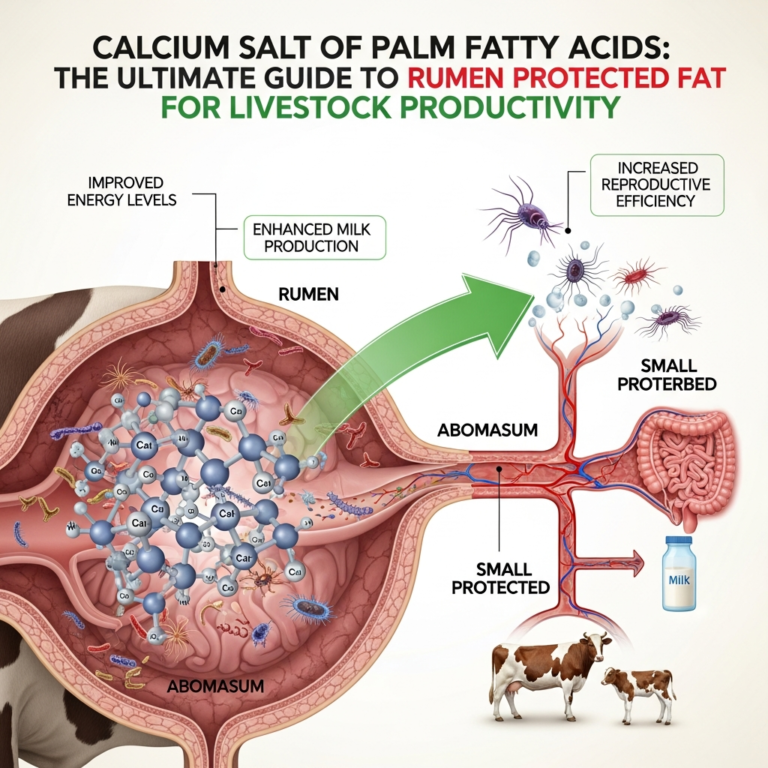
While raw EFB is not highly digestible, it can be processed and treated to become a viable component in animal feed, particularly for ruminants like cattle and goats. This process enhances its nutritional value, much like how Mesin Pengekstrak Inti Sawit serves as a protein-rich feed. This converts a low-value byproduct into a feed source, reducing costs for farmers and promoting resourcefulness.
8. Media Budidaya Jamur
The sterilized, shredded fibers of an empty palm fruit bunch provide an excellent substrate for growing various types of edible mushrooms, such as oyster mushrooms. The EFB provides the necessary nutrients and structure for the mycelium to thrive, creating another value-added product from agricultural waste.
9. Generating Biogas Through Anaerobic Digestion
EFB can be broken down by microorganisms in an oxygen-free environment—a process called anaerobic digestion. This process produces biogas, which is primarily methane. According to the Badan Perlindungan Lingkungan AS (EPA), this biogas can be captured and used as a renewable fuel for heating or electricity generation.
10. Creating Advanced Bio-materials and Bioplastics
On the cutting edge of science, researchers are finding ways to extract nanocellulose from empty palm fruit bunch fibers. This high-strength, lightweight material has vast potential, including use in creating biodegradable plastics, composites, and other advanced bio-materials. This aligns perfectly with global efforts to find innovations in sustainable agriculture.
The Environmental and Economic Impact of an Empty Palm Fruit Bunch
Utilizing the empty palm fruit bunch effectively has profound benefits. Environmentally, it reduces landfill waste, lowers greenhouse gas emissions by replacing fossil fuels and preventing methane release from decomposition, and decreases the reliance on chemical fertilizers. This approach to waste management is highlighted in studies like those found on Sains Langsung.
Economically, it creates new revenue streams for palm oil mills and local communities. It transforms a disposal cost into a profitable opportunity, fostering a circular economy where every byproduct has value and contributes to a more resilient and sustainable industrial ecosystem.
Kesimpulan: Lebih dari Sekadar Sampah
Itu tandan buah kelapa sawit kosong is a perfect testament to the principle that “waste is only a resource in the wrong place.” Once a burdensome byproduct, it is now recognized as a versatile and valuable raw material with applications spanning energy, agriculture, and manufacturing.
By harnessing the potential of the empty palm fruit bunch, the palm oil industry can significantly improve its environmental footprint and contribute positively to the global push for sustainability. It’s a powerful reminder of how innovation can turn challenges into solutions for a greener future.
Makmur Amanah Sejahtera menyediakan produk-produk sawit berkualitas tinggi seperti bungkil inti sawit, cangkang inti sawit, minyak sawit mentah, minyak inti sawit, dll. Silakan hubungi kami melalui WhatsApp +6282140002198 atau email kami di admin@makmuramanah.co.id.Mencari Produk Sawit Berkualitas Tinggi?

 Indonesian
  English
  Chinese
  Arabic