
Palm Kernel Expeller: Avoid 7 Costly Sourcing Errors (2026)
Mesin Pengekstrak Inti Sawit is rapidly transforming the global livestock feed industry, yet many procurement managers face severe supply chain bottlenecks. Securing a reliable supply while navigating strict international customs regulations can be a daunting challenge for modern agricultural enterprises. In this definitive guide, we will solve these compliance headaches and reveal exactly how to maximize your feed efficiency in 2026.
The global agricultural sector demands sustainable, high-yield feed alternatives to support growing dairy and beef cattle populations. According to recent data from the Organisasi Pangan dan Pertanian (FAO), reliance on sustainable agricultural byproducts has surged dramatically over the last decade. Incorporating optimal fibrous materials into ruminant diets is no longer just an option; it is a vital economic necessity.
Achieving international trade compliance requires an intimate understanding of shifting import regulations and evolving border controls. We will deeply explore the critical nutritional metrics, precise trade classifications, and strict export protocols you must master to remain competitive in the global market.
[Image: A large warehouse storing golden-brown agricultural feed | Alt: Bulk Palm Kernel Expeller storage facility | Title: Bulk Feed Storage]
Apa itu Palm Kernel Expeller?
Mesin Pengekstrak Inti Sawit is a highly nutritious, high-fiber byproduct created during the mechanical screw-pressing extraction of crude palm oil from palm seeds. It serves as a premium animal feed ingredient, renowned for its safe starch levels and moderate protein, primarily utilized to boost milk production in commercial dairy cattle.
Proses Ekstraksi Mekanis
This mechanical screw-pressing method naturally retains a valuable percentage of residual oil, offering dense caloric energy for livestock. Unlike chemical treatments, this physical extrusion ensures that no harsh, artificial solvents contaminate the final agricultural feed. This guaranteed purity makes the expeller the preferred choice for organic and high-welfare dairy farming operations globally.
Moreover, modern processing facilities have refined their physical extraction techniques to ensure consistent granular quality and optimal moisture control. This absolute consistency allows veterinary nutritionists to accurately calculate daily caloric intake and formulate highly reliable ration plans for commercial herds.
Sustainability and the Circular Agricultural Economy
This sustainable byproduct represents a crucial pillar in the modern circular agricultural economy, drastically minimizing waste while maximizing nutritional output. Farmers globally appreciate its steady palatability, low toxicity, and immense cost-effectiveness compared to traditional, volatile grain-based feeds.
By systematically repurposing this material, the agricultural industry significantly reduces the carbon footprint associated with intensive livestock farming. Procuring ethical byproducts enables large-scale dairies to meet stringent environmental sustainability targets.
[Infographic Suggestion: Flowchart showing the circular economy from palm harvesting to mechanical extraction and livestock feeding]
Palm Kernel Expeller vs. Palm Kernel Cake (PKC): The Real Difference
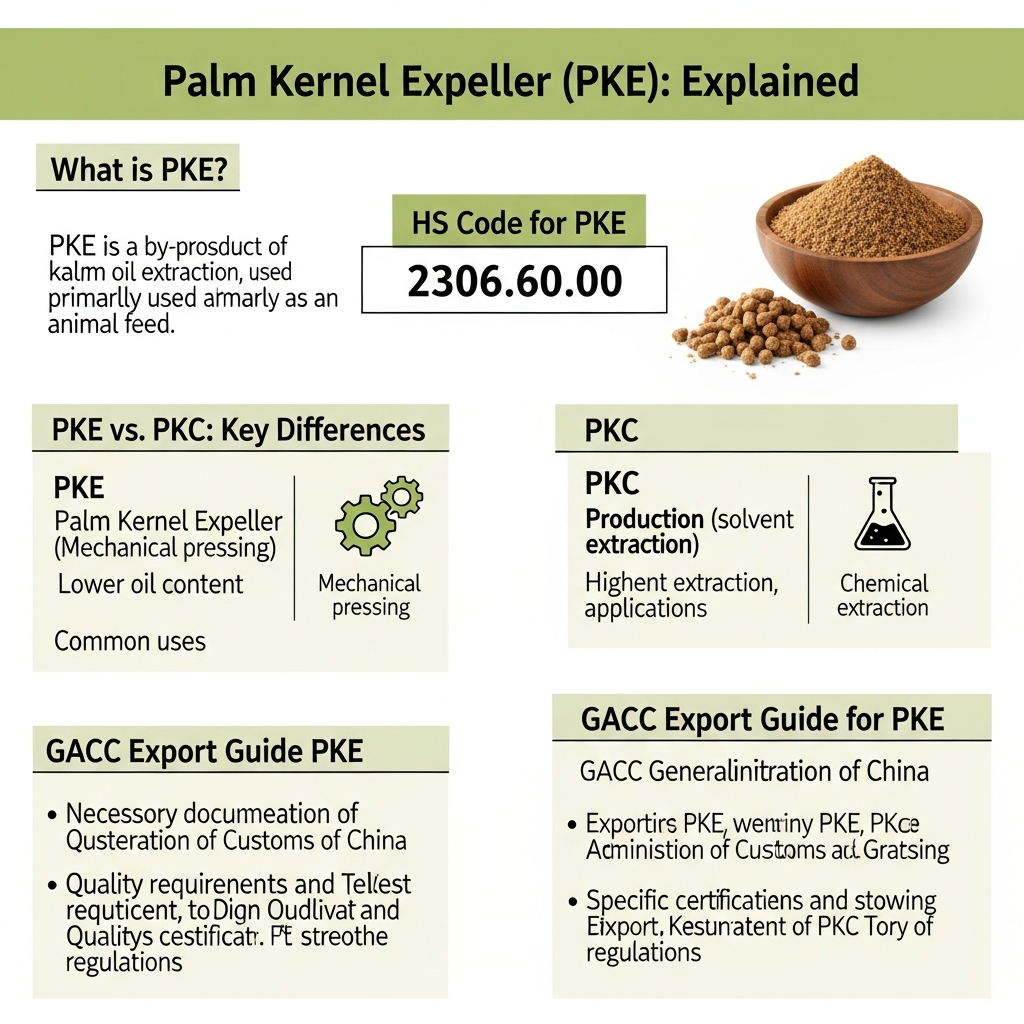
Many procurement managers mistakenly use the terms interchangeably, leading to costly formulation errors and customs delays. Understanding the precise mechanical and chemical processing differences is essential for optimizing your livestock’s daily diet. The distinction lies entirely in the specific oil extraction methodology utilized at the milling facility.
When you source high-quality Mesin Pengekstrak Inti Sawit, you are purchasing a product derived from mechanical pressing, which naturally leaves behind more residual fat. Conversely, Palm Kernel Cake (PKC) typically refers to the residue left after solvent extraction, a harsh chemical process that strips almost all the fat. Consequently, the expeller variant provides far superior energy density for high-yielding ruminants.
To further clarify these critical distinctions, review the detailed comparative metrics below. This data is essential for accurate inventory planning, supplier vetting, and advanced nutritional balancing.
| Fitur | Mesin Pengekstrak Inti Sawit (PKE) | Bungkil Inti Sawit (PKC) |
|---|---|---|
| Metode Ekstraksi | Mechanical Screw Pressing | Chemical Solvent Extraction |
| Kandungan Minyak/Lemak Residu | High (approx. 6% – 12%) | Low (approx. 1% – 3%) |
| Protein Level | 14% – 16% | 15% – 17% (Concentrated) |
| Aplikasi Utama | Dairy cattle energy supplement | General poultry and swine filler |
Comprehensive Nutritional Profile and Feed Applications
The exceptional nutritional profile of this palm byproduct makes it an indispensable staple in advanced livestock management systems worldwide. Veterinary nutritionists consistently praise its safe, low starch levels, which actively prevent ruminal acidosis in sensitive, high-producing cattle herds.
Moreover, its rich phosphorus-to-calcium ratio powerfully supports robust skeletal development in rapidly growing calves. Key nutritional benefits include:
- High energy density: Residual natural oils provide excellent caloric value for high-yielding ruminants.
- Safe fiber content: Promotes steady rumination and actively minimizes destructive digestive upsets.
- Rich mineral profile: Supplies essential dietary phosphorus required for structural bone health and metabolic function.
[Image: Healthy dairy cows feeding in a modern, clean barn | Alt: Dairy cattle eating a Palm Kernel Expeller formulated ration | Title: Advanced Dairy Cow Nutrition]
Optimizing Palm Kernel Expeller for Dairy Cattle Nutrition
Dairy cows require immense, sustainable energy reserves during peak lactation periods, and this is where mechanical palm derivatives truly shine. Research published in the Pusat Informasi Bioteknologi Nasional (NCBI) indicates that moderate-fat fibrous feeds actively improve milk butterfat percentages. The slow-fermenting fiber provides sustained energy without disrupting the delicate rumen biome.
Replacing expensive, volatile grains with mechanical expeller drastically lowers overall feed costs without sacrificing daily milk yield. Farmers actively managing strict feed budgets rely heavily on these consistent, high-energy agricultural residues to maintain profitability.
Proper integration requires a gradual introduction phase spanning two weeks to allow the animal’s digestive system to adapt fully. Once completely acclimated, dairy cows exhibit vastly improved body condition scores and significantly greater resistance to common metabolic disorders.
Integration in Swine and Poultry Diets
While ruminants thrive on high-fiber diets, monogastric animals like swine and poultry require highly careful dietary formulation. The elevated fiber content can restrict critical nutrient absorption if fed in disproportionately high volumes to young chicks or piglets. Therefore, strict inclusion limits are necessary to prevent stunted growth rates and poor feed conversion ratios.
However, mature sows and laying hens can safely digest advanced formulated blends containing up to 15% of this material. Adding specialized exogenous enzymes to the feed matrix dramatically improves the breakdown of complex non-starch polysaccharides. This technological advancement allows broader and safer usage across diverse monogastric livestock sectors.
Synergizing Feed Rations with Advanced Supplements
To achieve absolute peak herd performance, facility managers must balance their foundational ingredients with other high-quality protein and energy supplements. For instance, blending it with premium Tepung Kopra can significantly enhance the overall amino acid profile of the daily ration. This strategic combination ensures maximum dry matter intake and superior digestibility across the entire herd.
For specialized dairy operations requiring massive energy boosts, incorporating Garam Kalsium dari Asam Lemak Minyak Sawit serves as an elite rumen-bypass fat source. This bypass fat works synergistically with high-fiber expellers to prevent severe weight loss during the intense early stages of lactation.
Furthermore, maintaining excellent farm hygiene is equally as important as the feed itself. Utilizing ultra-absorbent Cocopeat for animal bedding provides a sanitary, comfortable environment that reduces stress and prevents hoof diseases. Meanwhile, adding liquid energy sources like RBD CP8 into specialized feed mixtures can further elevate the caloric density for finishing beef cattle.
Global Market Pricing and Economic Viability in 2026
As global supply chains aggressively stabilize in 2026, the economic viability of alternative feedstuffs has become a primary focus for agricultural economists. Fluctuations in traditional global grain markets consistently force large-scale farming enterprises to seek more resilient commodity alternatives.
Strategic procurement of tropical byproducts offers a highly effective hedge against unprecedented grain price volatility. According to economic forecasts from the World Bank Commodity Markets, the cost-to-benefit ratio of mechanical palm extracts remains highly favorable.
The inherent energy density provides exceptional financial value per metric ton, particularly when ocean freight rates are optimally negotiated. Forward-thinking procurement teams are locking in long-term supply contracts to guarantee absolute price stability.
Additionally, investing in robust bulk storage infrastructure allows agricultural operations to capitalize on seasonal price dips. Buying massive quantities during peak milling seasons ensures a steady, low-cost inventory throughout the traditionally volatile winter feeding months.
Decoding the Palm Kernel Expeller HS Code for Global Trade
Navigating international customs requires absolute precision, starting with the exact Harmonized System (HS) classification. Using the wrong tariff code inevitably triggers extensive port delays, severe financial penalties, and potential cargo confiscation. In 2026, customs authorities are actively utilizing advanced AI screening technologies to catch misclassified agricultural commodities instantly.
The globally recognized Mesin Pengekstrak Inti Sawit HS Code is 2306.60.00, which explicitly covers oilcake and other solid residues resulting from the extraction of palm nut or kernel fats. Accurate, flawless documentation under this specific code ensures seamless and rapid clearance through border control.
Applicable tariff rates and preferential trade agreements are directly tied to this exact numerical classification. To guarantee full compliance, exporters must perfectly align their commercial invoices, detailed packing lists, and phytosanitary certificates with this designated code.
Partnering with experienced freight forwarders who deeply understand the nuances of agricultural logistics is absolutely critical. Amateur mistakes in basic documentation can permanently destroy your international trading reputation and sever vital supply lines.
[Image: A massive cargo ship loaded with agricultural export containers at a busy port | Alt: Global export shipping containers loaded with Palm Kernel Expeller | Title: Global Agricultural Trade Logistics]
2026 GACC Export Guide: Shipping Palm Kernel Expeller to China
China remains one of the largest and most lucrative markets for imported agricultural feeds, but entry requires rigorous regulatory compliance. The General Administration of Customs of China (GACC) enforces some of the strictest biosecurity and quality control measures globally. Successfully registering your production facility is the mandatory first step to legally entering this massive consumer market.
The primary steps for complete GACC compliance include:
- Pendaftaran Fasilitas: Submitting comprehensive physical and virtual facility audits directly to Chinese sanitary authorities.
- Pest Mitigation: Scientifically proving the total absence of quarantine pests, dangerous soil residues, and mold.
- Label Standardization: Ensuring all physical packaging aligns perfectly with the strict Chinese GB national standards.
- Traceability Implementation: Utilizing blockchain-backed tracking to document the entire journey from the plantation to the final bagging.
Itu GACC Official Portal explicitly mandates that all imported feeds must be completely free from unauthorized genetically modified components. From the moment the raw nuts are harvested to the final oceanic transit, every single step must be extensively documented and auditable.
[Video Embed Suggestion: Step-by-step tutorial on securing GACC facility registration for agricultural exports]
7 Common Mistakes When Sourcing Quality Feed Ingredients
Procurement specialists often fall into predictable traps when evaluating bulk agricultural byproducts from overseas suppliers. Avoiding these inherent pitfalls requires vigilant quality assurance protocols and a deep understanding of the global supply chain. Below are the 7 most critical errors you must ruthlessly avoid in 2026:
- Ignoring Aflatoxin Testing: Mycotoxins naturally produced by molds can devastate entire livestock herds and reduce milk production. Failing to require rigorous laboratory testing leads to catastrophic legal liabilities; always demand a comprehensive Certificate of Analysis.
- Misunderstanding Moisture Content: Accepting shipments with moisture levels exceeding 10% drastically increases the risk of dangerous mold proliferation during lengthy oceanic transit. High moisture also promotes spontaneous combustion in densely packed shipping containers.
- Poor Supplier Vetting: Engaging with unverified brokers instead of direct, certified manufacturers often results in wildly inconsistent quality. This lack of due diligence frequently causes heavily delayed shipments and breached supply contracts.
- Neglecting Sustainability Certifications: Modern consumers strictly demand ethical sourcing and environmental accountability. Failing to verify sustainable harvesting practices can severely damage your brand’s retail reputation in major western markets.
- Overlooking Proper Storage Protocols: Improper warehousing directly exposes the delicate feed to destructive rodent infestations and harmful environmental degradation. Warehouses must be heavily elevated and humidity-controlled to maintain nutritional integrity.
- Ignoring Protein Digestibility: Focusing solely on crude protein without analyzing its actual solubility leads to highly inaccurate dietary formulations. The protein must be highly bioavailable for ruminants to extract meaningful caloric value.
- Failing to Audit Processing Facilities: Skipping in-person or independent third-party audits of the pressing mill is highly negligent. This oversight allows sub-standard adulteration, such as mixing in excess shell fragments, to go completely unnoticed.
Addressing these critical vulnerabilities proactively will safeguard your financial investments and ensure your animals receive the highest quality nutrition. Additionally, utilizing reliable biomass energy sources like Cangkang Inti Sawit for your own milling facility operations can further optimize your overall agricultural enterprise’s efficiency.
[Image: A professional quality control inspector precisely testing feed samples in a high-tech lab | Alt: Testing Palm Kernel Expeller for high nutritional quality | Title: Quality Assurance Lab]
Pertanyaan yang Sering Diajukan
What is the ideal protein content of mechanical palm extracts?
High-quality mechanical extracts typically feature a crude protein content ranging from 14% to 16%. This moderate protein level, combined with its naturally high energy density, makes it an exceptionally balanced daily supplement for high-yielding ruminant diets.
How do you properly store this agricultural byproduct?
It must be strictly stored in a cool, dry, and well-ventilated warehouse, heavily elevated on wooden pallets away from direct ground moisture. Maintaining ambient warehouse humidity below 65% permanently prevents dangerous fungal growth and preserves nutritional integrity.
Is this feed ingredient safe for pregnant dairy cows?
Yes, it is highly recommended for pregnant and lactating cattle due to its steady, slow release of non-acidic energy. However, professional veterinary consultation is always advised to ensure precise mineral balancing, particularly regarding the crucial calcium-to-phosphorus ratio.
How does GACC compliance affect shipment timelines?
Initial facility registration with Chinese authorities can take several frustrating months, but once fully approved, routine customs clearance typically spans 7 to 14 days. Ensuring flawless HS code documentation dramatically expedites this rigorous border inspection process.
Can it completely replace soybean meal in livestock diets?
While it is an excellent and highly cost-effective fiber and energy source, it cannot completely replace soybean meal due to differing fundamental amino acid profiles. A strategic blend formulated by an expert animal nutritionist consistently yields the best physiological results.
Kesimpulan
In conclusion, mastering the complex nuances of the global agricultural feed market requires both precise technical knowledge and proactive strategic foresight. From understanding the vital differences against solvent-extracted cakes to seamlessly navigating the strict 2026 GACC regulations, meticulous preparation always guarantees operational success.
Sourcing a premium quality product reliably ensures your livestock achieve maximum productivity while vigorously protecting your bottom line. The meticulous application of correct customs classifications and rigorous biosecurity measures will permanently protect your valuable shipments from costly international port delays.
By consciously avoiding common procurement and storage mistakes, you rapidly establish a resilient, ethical, and highly profitable agricultural supply chain. Ultimately, partnering with a deeply experienced supplier and exclusively choosing top-tier Mesin Pengekstrak Inti Sawit is the single most powerful investment you can make for your sustainable farming future.
 Indonesian
  English
  Chinese
  Arabic