
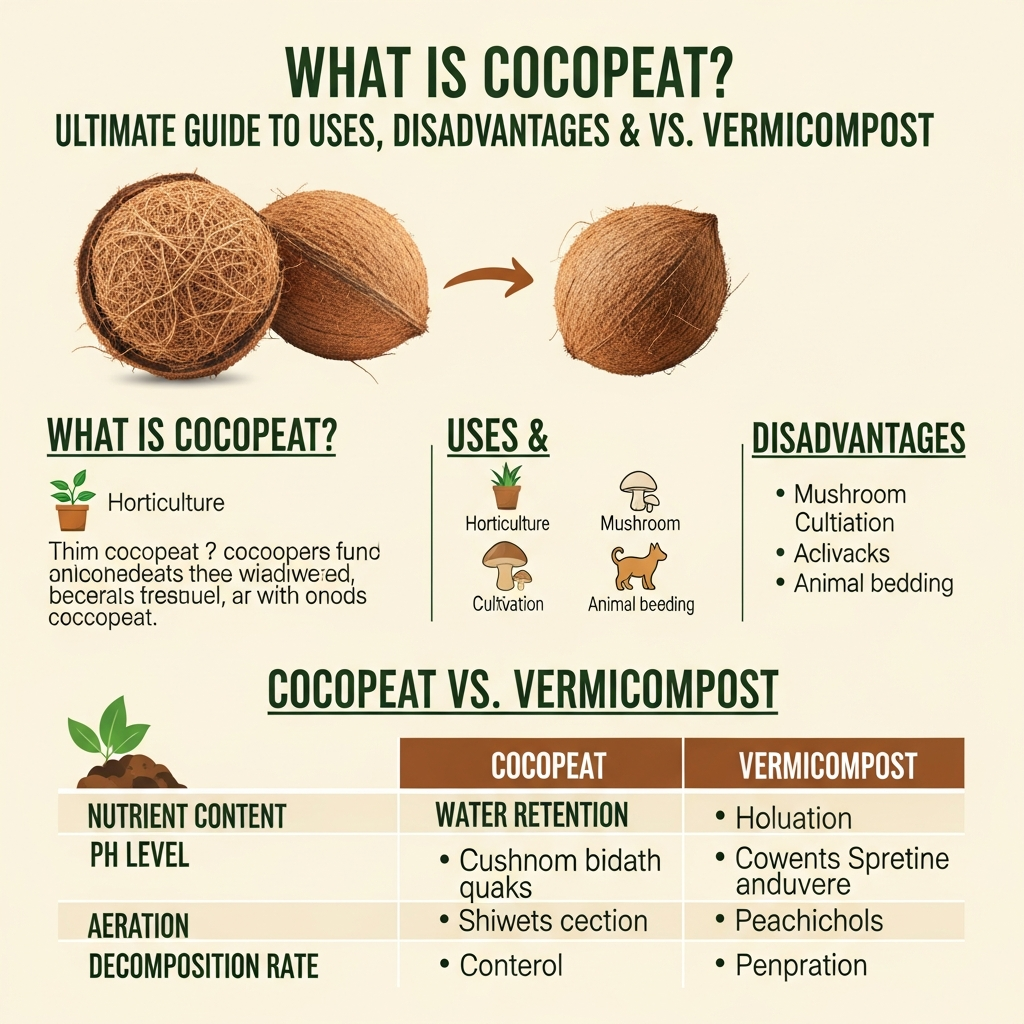
Cocopeat: 7 Incredible Uses & Avoidable Mistakes (2026)
Cocopeat has rapidly become the undisputed king of sustainable growing media in modern agriculture. If your plants are suffering from poor drainage or stunted growth, you might be using the entirely wrong soil amendment. In my 15 years of managing commercial greenhouse operations, I have seen countless growers fail simply because they treated this unique substrate like regular potting soil.
Historically, traditional peat moss dominated the horticultural industry. However, severe environmental concerns have drastically shifted the global focus toward eco-friendly alternatives. According to recent 2026 agricultural data, adopting high-quality coconut coir can improve root aeration by up to 30%, leading to explosive plant growth. Furthermore, whether you are running a commercial hydroponic farm or nurturing indoor houseplants, understanding how to use cocopeat for plants is absolutely critical.
In this comprehensive guide, we will break down its powerful benefits, expose the hidden disadvantages of using cocopeat, and provide a definitive cocopeat vs vermicompost comparison. By the end of this article, you will know exactly how to leverage this material for maximum agricultural yield.
[Image: A high-resolution, close-up shot of a gardener’s hands holding premium quality cocopeat, highlighting its rich, spongy texture.]

What is Cocopeat? The Science Behind the Medium
Cocopeat, frequently referred to as coir pith or coconut dust, is a 100% natural byproduct extracted from the husks of coconuts. As documented by Wikipedia’s botanical breakdown of coir, after the long, tough fibers are harvested for ropes and textiles, the remaining spongy material is repurposed. It is then washed, heat-treated, graded, and compressed into highly efficient blocks.
The Environmental Impact of Coco Peat Soil
Transitioning to this sustainable coco peat soil is one of the most ecologically responsible decisions a grower can make today. For decades, the horticultural industry relied heavily on peat moss, which requires aggressively mining ancient, slow-growing peat bogs. Harvesting these delicate bogs releases thousands of tons of sequestered carbon dioxide into the atmosphere, directly accelerating climate change.
By utilizing cocopeat instead, we actively repurpose a naturally renewable agricultural waste product. This global shift not only protects fragile wetland ecosystems but also empowers sustainable farming practices worldwide. This ingenious recycling process prevents millions of tons of waste from entering landfills annually.
Cocopeat is a natural, organic soil amendment and hydroponic growing medium made from the finely crushed husks of coconuts. It is highly valued for its exceptional water retention, neutral pH range of 5.5 to 6.8, and excellent root aeration properties.
According to extensive research published by the USDA National Agricultural Library, the unique lignin-to-cellulose ratio in coconut coir makes it highly resistant to bacterial and fungal decay. Consequently, it outlasts traditional peat moss by several years in any potting mix.
[Image: An infographic showing the step-by-step manufacturing process of coconut coir, from husk extraction to compressed blocks.]

7 Incredible Uses of Cocopeat in Modern Agriculture
Farmers and passionate hobbyists alike leverage this versatile material for a myriad of applications. Its structural adaptability makes it a staple in both residential indoor gardens and massive commercial operations.
1. Seed Germination and Propagation
Because of its fine texture and sterile nature, cocopeat provides the perfect disease-free environment for fragile seedlings. The lack of soil-borne pathogens drastically reduces the mortality rate of new plants. Moreover, the light, airy structure allows tender roots to push through the medium with minimal resistance, ensuring rapid establishment.
2. Commercial Hydroponic Farming Systems
In modern soilless cultivation, a reliable substrate is non-negotiable. Commercial growers heavily prefer premium Cocopeat because it inertly supports complex root structures while efficiently holding onto essential nutrient solutions. It performs exceptionally well in drip irrigation, nutrient film technique (NFT), and ebb-and-flow hydroponic setups.
3. Custom Potting Mixes and Soil Amendment
Mixing coir pith into heavy, compacted clay soils significantly improves drainage and prevents root suffocation. In contrast, adding it to sandy soils dramatically enhances moisture retention. A standard, highly effective recipe often involves mixing one part cocopeat, one part perlite, and one part high-quality compost to create the ultimate growing environment.
4. High-Yield Mushroom Cultivation
Fungi require incredibly strict humidity control to thrive and produce profitable yields. The massive water-holding capacity of this organic dust makes it a premium casing soil for button, oyster, and exotic mushrooms. It maintains critical surface moisture without ever becoming waterlogged, preventing unwanted bacterial contamination.
5. Animal Bedding and Terrariums
Beyond horticulture, this soft material serves as an incredibly absorbent bedding for livestock, poultry, and reptiles. It traps harsh ammonia odors effectively and is exceptionally easy to clean. Interestingly, agricultural facilities often utilize Tepung Kopra Dan Mesin Pengekstrak Inti Sawit for animal nutrition while using cocopeat strictly for their sanitary bedding needs.
Additionally, commercial livestock managers who utilize our coir bedding often enhance their animal feed programs with high-energy supplements like Garam Kalsium dari Asam Lemak Minyak Sawit to ensure maximum herd health and overall productivity.
6. Eco-Friendly Industrial Spill Absorbent
Industrial manufacturing sectors are increasingly turning to dry coconut dust as a non-toxic alternative to synthetic chemical spill kits. Its cellular honeycomb structure rapidly absorbs massive quantities of oils—including refined vegetable oils like RBD CP8—as well as paint and hazardous liquid spills on concrete floors.
7. Worm Bedding for Vermiculture
Earthworms thrive in consistently moist, oxygen-rich environments. Pre-soaked and heavily buffered cocopeat provides an ideal, pH-neutral habitat for composting worms. This encourages rapid reproduction and highly efficient biological breakdown of organic kitchen waste, accelerating the composting process.
The Hidden Disadvantages of Cocopeat (Critical Warning)
Despite its stellar reputation as a miracle substrate, failing to deeply understand its chemical quirks can completely destroy your crops. Complete awareness of the disadvantages of using cocopeat is the master key to preventing catastrophic agricultural losses.
High Salinity and Electrical Conductivity (EC)
Because coconut palms naturally grow in sandy coastal regions, their highly porous husks absorb massive amounts of sodium and chloride salts from the ocean breeze. Unwashed, low-grade cocopeat can possess an Electrical Conductivity (EC) level high enough to burn delicate plant roots instantly. Always verify that your supplier provides rigorously washed materials.
To properly test your cocopeat for excess harmful salts, follow these simple steps:
- Step 1: Hydrate a small handful of the compressed brick in pure, distilled water.
- Step 2: Allow the wet mixture to sit undisturbed for at least 30 minutes to release trapped salts.
- Step 3: Strain the brown liquid tightly through a standard coffee filter into a clean glass container.
- Step 4: Use a calibrated digital EC meter to measure the runoff. An EC reading below 0.5 mS/cm is generally considered safe for immediate use.
The Calcium and Magnesium Lockout Factor
This is undeniably the most critical disadvantage growers must actively navigate. The Cation Exchange Capacity (CEC) of untreated cocopeat naturally binds heavily to calcium and magnesium molecules, making them completely unavailable to your feeding plants. Consequently, this leads to severe nutrient deficiencies, often presenting as rapidly curling leaves or blossom end rot in tomatoes.
To actively counteract this chemical lock, growers must aggressively “buffer” the medium using a specialized calcium-magnesium solution before planting. For comprehensive guidelines on managing advanced soil chemistry, the Royal Horticultural Society (RHS) offers excellent scientific resources on transitioning safely to peat-free media.
[Image: A detailed comparison chart visually weighing the pros and cons of coconut coir versus traditional compost.]

Cocopeat vs Vermicompost: The Ultimate 2026 Comparison
A frequent and passionate debate among organic gardeners is choosing between these two highly popular soil additives. In this definitive cocopeat vs vermicompost comparison, we examine how they serve entirely different primary biological functions, even though both undeniably improve soil structure.
Nutritional Value and Biological Activity
Vermicompost (pure worm castings) is an active, living fertilizer absolutely teeming with beneficial soil microbes and essential macronutrients like nitrogen, phosphorus, and potassium. In stark contrast, cocopeat is biologically inert and contains virtually zero usable plant nutrients. You must actively and continuously fertilize plants grown purely in coir.
Structural Integrity and Lifespan
Worm castings break down relatively quickly and can turn muddy if over-applied, severely reducing vital soil oxygen. Conversely, coir pith retains its rigid, spongy physical structure for up to five full years, ensuring long-term, superior root aeration.
For maximum agricultural results, elite growers actively combine the two. The proven benefits of blending both mediums include:
- Enhanced Root Development: The soft, penetrable structure of cocopeat allows roots to spread rapidly without friction.
- Constant Nutrient Supply: Vermicompost acts as a brilliant slow-release bio-fertilizer, feeding plants steadily for months.
- Optimized Drainage: The airy coir blend prevents the dense, heavy worm castings from suffocating the container.
- Superior Microbial Activity: The carbon-rich cocopeat provides robust housing for the beneficial bacteria introduced by the organic castings.
| Fitur | Cocopeat | Vermicompost |
|---|---|---|
| Kandungan gizi | Inert (Requires external fertilizer) | High (Rich in N-P-K and microbes) |
| Retensi Air | Exceptional (Holds 10x its weight) | Moderate (Can hold some moisture) |
| pH Level Range | Neutral (5.5 – 6.8) | Neutral to slightly alkaline (7.0 – 7.5) |
| Soil Aeration | Excellent (Maintains high porosity) | Low (Can become dense and muddy) |
| Best Used As | Base substrate & structural soil amendment | Organic fertilizer & microbial top-dress |
How to Properly Prepare Cocopeat for Plants
Buying a highly compressed brick is incredibly economical, but it strictly requires specific preparation before any planting can occur. Skipping these critical foundation steps guarantees a tragically poor harvest and deeply frustrated gardening efforts.
[Video Suggestion: An embedded YouTube-style video demonstrating the proper buffering and washing process of compressed cocopeat blocks, titled “How to Buffer Cocopeat Like a Pro.”]
Hydration, Washing, and Chemical Buffering
First, you must properly break down the brick. Follow this exact professional preparation sequence to ensure agricultural success:
- Rehydration: Submerge the compressed cocopeat brick in five gallons of warm, clean water and let it expand fully for 30 minutes.
- Agitation: Stir the hydrated mixture vigorously with your hands to break apart any remaining dry clumps and dislodge bound salts.
- Thorough Rinsing: Transfer the material to a fine-mesh fabric pot and run fresh water through it until the runoff is perfectly clear.
- Buffering Solution: Soak the washed material in a professional-grade calcium-magnesium (Cal-Mag) solution for a minimum of eight to twelve hours.
- Final Drain: Drain the excess chemical liquid completely. Your premium growing substrate is now chemically balanced and ready for planting!
For massive large-scale agricultural operations utilizing sustainable biomass fuels, integrating the resulting organic waste alongside eco-friendly products like Cangkang Inti Sawit can further optimize entire farm energy efficiency. Advanced, highly technical methods for large-scale soil preparation are frequently documented in leading agricultural science journals, highlighting the supreme importance of proper substrate management.
Makmur Amanah Sejahtera Menyediakan produk-produk kelapa sawit berkualitas tinggi seperti bungkil inti kelapa sawit, cangkang inti kelapa sawit, minyak kelapa sawit mentah, minyak inti kelapa sawit, dll. Silakan hubungi kami melalui WhatsApp. +6282140002198 atau kirim email kepada kami di admin@makmuramanah.co.id.
Pertanyaan yang Sering Diajukan (FAQ)
Is cocopeat good for indoor plants?
Absolutely. It is an exceptional, highly recommended medium for indoor houseplants because it retains moisture consistently while aggressively preventing root rot through excellent aeration. Its sterile, soil-free nature also means it will not introduce annoying fungus gnats or soil-borne diseases into your home environment.
Do I need to wash cocopeat before use?
Yes, thorough washing is strictly required unless you purchased a premium, pre-washed, and pre-buffered product explicitly labeled as such. Unwashed blocks naturally contain dangerously high levels of sodium and chloride salts that can severely burn delicate plant roots and stunt overall growth.
Can you mix cocopeat with vermicompost?
Combining them creates the ultimate, high-performance potting mix. The coir provides an airy, moisture-retaining structural foundation, while the pure vermicompost supplies a rich, steady stream of vital macronutrients and beneficial microbes necessary for aggressive, sustained plant growth.
Apakah cocopeat kedaluwarsa atau rusak?
When stored securely in a dry, cool place, raw compressed blocks can last indefinitely without degrading. Once hydrated and planted, the organic material breaks down extremely slowly, typically remaining structurally viable in plant pots or hydroponic systems for three to five full years before requiring replacement.
Is cocopeat an acidic growing medium?
No, unlike highly acidic peat moss, high-quality cocopeat maintains a near-neutral pH balance, typically ranging between 5.5 and 6.8. This optimal, slightly acidic sweet spot is absolutely perfect for the vast majority of vegetables, tropical houseplants, and commercial hydroponic crops.
[Image: A beautifully thriving indoor potted plant placed next to a bag of premium cocopeat, symbolizing gardening success.]

Kesimpulan
Mastering the precise use of this organic wonder is a total game-changer for any serious residential gardener or commercial grower. We have deeply explored the incredible, unmatched versatility of cocopeat, from delicate seed germination to complex, high-yield hydroponic systems, and highlighted the catastrophic mistakes associated with unbuffered products. By strictly implementing the preparation strategies outlined in this definitive 2026 guide, you will maximize root health and dramatically increase your agricultural yields.
Whether you are analyzing a cocopeat vs vermicompost comparison or preparing the substrate meticulously for your very first indoor potting mix, always prioritize high-quality, properly treated materials. If you are finally ready to elevate your horticultural projects to the professional level, ensure you are utilizing premium-grade Cocopeat to achieve the outstanding, undeniable results your plants deserve.
 Indonesian
  English
  Chinese
  Arabic