
Palm Kernel Expeller: 7 Incredible Uses & Benefits (2026)
Mesin Pengekstrak Inti Sawit is rapidly transforming the global livestock feed industry by providing an unbeatable blend of high energy and essential proteins. As feed costs continue to skyrocket worldwide, farm operators and animal nutritionists are actively seeking sustainable, cost-effective alternatives to traditional corn and soy diets.
This nutrient-dense byproduct of the palm oil extraction process has emerged as a revolutionary solution. According to global agricultural data, millions of tons of this feed ingredient are produced annually, offering an eco-friendly way to boost farm productivity. Integrating this feed into daily rations significantly enhances animal health while lowering overall operational expenses.
Whether you manage a sprawling dairy operation or a concentrated beef feedlot, utilizing high-quality PKE can directly improve your bottom line. Let’s explore its incredible uses, profound nutritional benefits, and why it remains a top-tier choice for modern agriculture in 2026.

Apa Sebenarnya yang Dimaksud dengan Mesin Pengekstrak Inti Sawit?
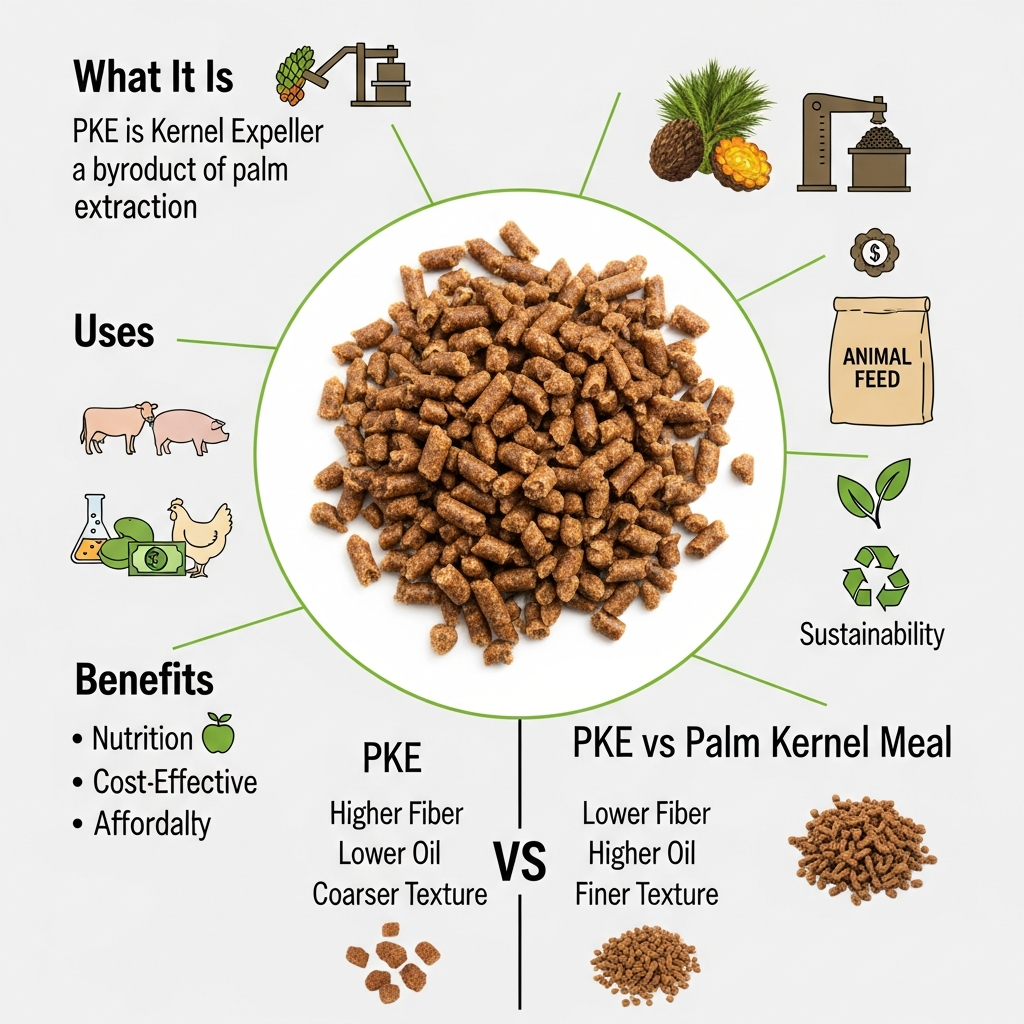
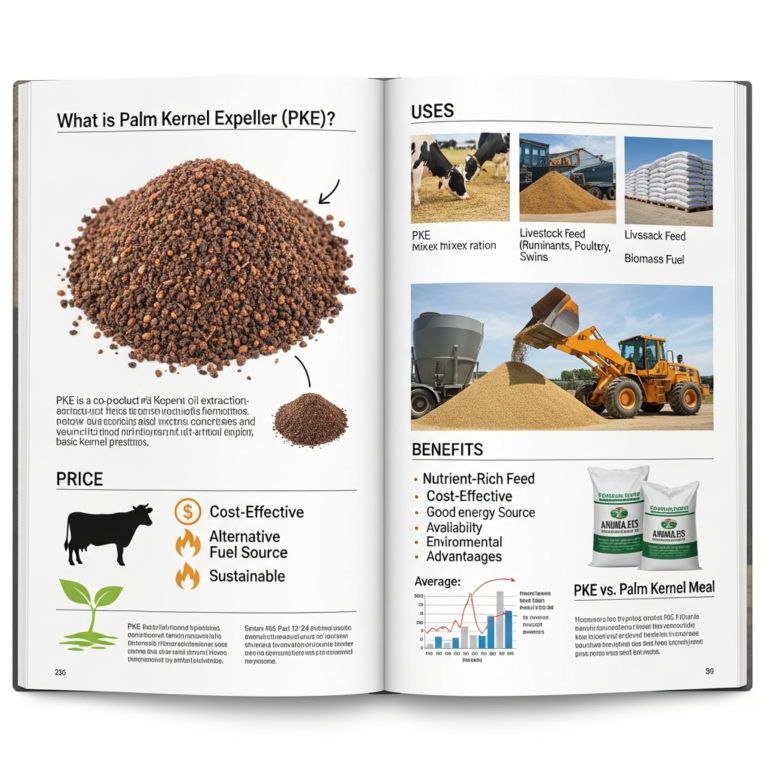
Apa itu Palm Kernel Expeller? Mesin Pengekstrak Inti Sawit (PKE) is a nutrient-rich, high-fiber byproduct created during the mechanical extraction of oil from palm seeds. It is widely used as a premium animal feed ingredient, particularly prized for its balanced energy and crude protein content in dairy and beef cattle diets.
Often referred to regionally as palm kernel cake, this ingredient is celebrated for its highly digestible fiber. Unlike solvent-extracted alternatives, the mechanical expeller pressing process operates without harsh chemicals. This traditional method preserves the natural fats and amino acids, making the final product significantly more palatable and nutritious for ruminants.
The Expeller Pressing Process Explained
The journey from raw seed to premium livestock feed involves carefully monitored friction and pressure. By crushing the kernels mechanically, manufacturers extract the primary oil while leaving a valuable, energy-dense cake behind. This mechanical extraction is vital for preserving the nutritional integrity of the Palm Kernel Expeller.
Because no chemical solvents like hexane are used, the resulting feed is completely safe, natural, and free from chemical residues. This makes it an ideal staple for farmers aiming for organic or low-intervention animal nutrition strategies.
Profil Nutrisi dari Espel Inti Sawit
Understanding advanced animal nutrition requires a close look at the exact composition of your feed. Quality expeller feed delivers a highly specialized nutritional matrix that supports optimal rumen function and overall herd vitality.
- Protein Kasar: Contains between 14% to 16%, providing an excellent baseline for muscle development and milk synthesis.
- Kandungan Minyak Residu: Retains 6% to 8% fat, serving as a safe, highly concentrated, and dense energy source for livestock.
- Serat Kasar: Approximately 16% to 18%, which promotes healthy rumination and stabilizes digestion in cattle.
- Phosphorus to Calcium Ratio: Naturally high in phosphorus, requiring only simple calcium balancing in the total mixed ration.
7 Incredible Benefits of Palm Kernel Expeller for Livestock
Farmers worldwide are switching to this sustainable ingredient for its remarkable impact on herd health and farm profitability. Integrating Palm Kernel Expeller into your feeding program yields seven proven, highly lucrative advantages.
- Boosts Milk Yield and Butterfat: The residual palm oil acts as a highly digestible energy source. It directly increases butterfat percentages and overall milk production in lactating dairy cattle.
- Safe and Toxin-Free: Because of the high-temperature mechanical pressing, this feed boasts an incredibly low risk of aflatoxin contamination compared to other grains like corn or peanut meal.
- Meningkatkan Fungsi Rumen: The high structural fiber prevents acidosis. This is a common and dangerous digestive issue in high-grain feedlot diets, making this feed a protective buffer.
- Sangat Hemat Biaya: As a byproduct of palm oil extraction, it significantly reduces the cost per head. Farmers effectively replace expensive soybean meal and imported grains with this economical alternative.
- Improves Coat and Hoof Health: The natural fatty acids retained during mechanical pressing contribute to a visibly shinier coat, improved skin health, and stronger hooves.
- Excellent Shelf Life: With moisture levels naturally under 10%, expeller feed resists mold and spoilage. It remains highly stable during long-term storage in agricultural silos.
- Environmentally Sustainable: Utilizing this agricultural byproduct reduces waste. It aggressively promotes circular economy practices in global agriculture by recycling biomass into valuable animal nutrition.

Palm Kernel Expeller vs Palm Kernel Meal: The Ultimate Comparison
Many novice farmers ask about palm kernel expeller vs palm kernel meal. The primary difference lies directly in the extraction method. While they originate from the exact same nut, the way the oil is removed drastically alters the nutritional value of the final livestock feed.
Expeller pressing relies purely on mechanical friction and pressure. In contrast, palm kernel meal is produced using chemical solvents like hexane to extract almost every drop of oil, leaving a drier, less energy-dense product.
Which Option is Better for Dairy Cattle Feed?
For high-producing dairy cattle and beef feedlots, the Palm Kernel Expeller version is vastly superior due to its higher residual fat content. This 6% to 8% fat translates directly to metabolizable energy, which is critical for maintaining body condition scores during peak lactation.
| Fitur | Mesin Pengekstrak Inti Sawit (PKE) | Tepung Inti Sawit (PKM) |
|---|---|---|
| Metode Ekstraksi | Pengepresan Mekanis | Pelarut Kimia (Heksana) |
| Residual Oil/Fat | 6% – 8% (High Energy) | 1% – 2% (Low Energy) |
| Rasa yang enak | Sangat baik (Aroma kacang) | Moderate to Low |
| Risk of Chemical Residue | None (100% Safe) | Trace amounts possible |
Proven Uses of Palm Kernel Expeller in Animal Diets
Understanding the varied applications of this premium byproduct is crucial for maximizing its nutritional benefits. Different livestock species require specific dietary formulations to thrive safely and productively.
Dairy and Beef Cattle Formulations
Ruminants unequivocally derive the most value from this premium dairy cattle feed. Recent dairy cattle nutrition studies highlight that replacing up to 30% of standard concentrates with Palm Kernel Expeller maintains optimal rumen pH while visibly boosting production.
For advanced dairy operations requiring even denser energy layers, nutritionists often blend it with Garam Kalsium dari Asam Lemak Minyak Sawit. This powerful combination delivers unmatched rumen-bypass fat directly to the lower gut, resulting in explosive milk yield improvements.
Poultry and Swine Applications
While ruminants thrive on high fiber, monogastric animals like pigs and chickens have distinct digestive limitations. However, global feed industry formulations still actively utilize PKE at lower inclusion rates (typically 5% to 10%). This provides highly affordable baseline energy and crude protein.
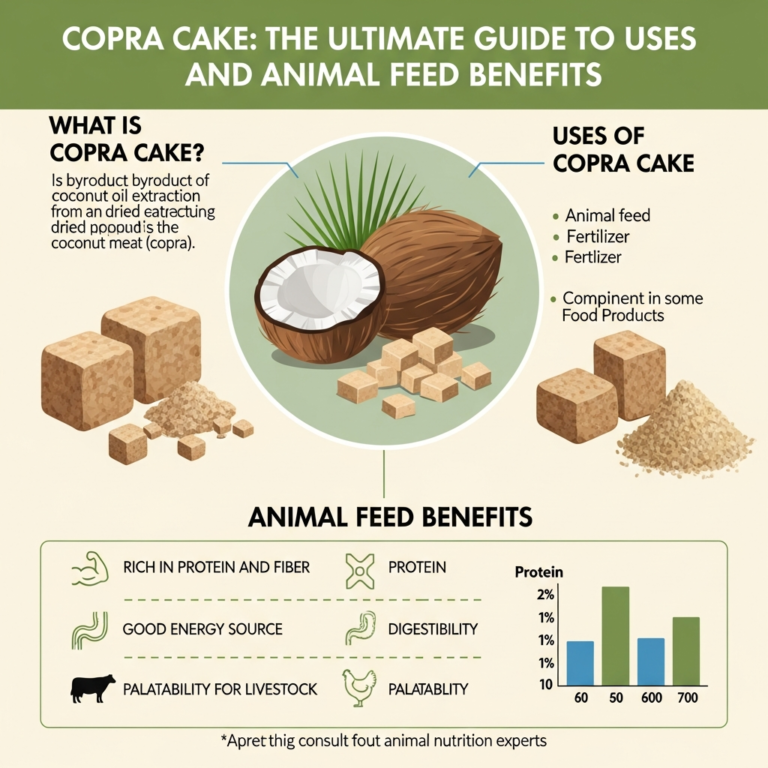
When carefully formulated alongside complementary, high-protein ingredients like Tepung Kopra, commercial farmers can easily create highly balanced, cost-efficient monogastric diets that accelerate growth without breaking the bank.

How to Feed Palm Kernel Expeller to Cattle and Other Livestock
Learning exactly how to feed palm kernel expeller to cattle ensures your herd gains maximum nutritional value without digestive upset. To safely integrate this powerful ingredient into your daily feeding program, specific biological guidelines must be rigorously followed. The Food and Agriculture Organization guidelines emphasize the absolute importance of balanced rations to prevent secondary mineral deficiencies.
Recommended Daily Inclusion Rates
For maximum efficacy, safety, and profitability, always adhere to these standard inclusion thresholds based on animal type:
- Sapi Perah: 2 to 4 kilograms per head daily, aggressively scaled depending on your target milk yields and pasture availability.
- Sapi potong: Up to 30% of the total dry matter intake in intensive feedlot finishing rations.
- Adult Swine: Maximum 10% of the total diet to actively prevent severe fiber overload and nutrient dilution.
- Unggas: 5% to 8% strictly in older broiler finisher feeds or mature layer diets.
Copper Toxicity Considerations in Sheep
A critical, non-negotiable warning for sheep farmers: Palm Kernel Expeller naturally contains high levels of concentrated copper. Sheep are biologically highly susceptible to copper toxicity. Therefore, this feed should generally be totally excluded from sheep diets unless aggressively monitored by a qualified, licensed veterinary nutritionist.
Proper Storage and Supply Chain Management
Maximizing the benefits of this feed requires proper storage protocols. Because it contains valuable residual fats, storing the product in a cool, dry, and heavily ventilated environment prevents lipid oxidation and rancidity.
Modern, eco-conscious farms often optimize their operations by sourcing complementary agricultural materials simultaneously. For instance, farms utilizing sustainable biomass boilers for heating energy often purchase Cangkang Inti Sawit alongside their bulk feed deliveries. This dramatically streamlines supply chains and minimizes freight costs.
Makmur Amanah Sejahtera Menyediakan produk-produk kelapa sawit berkualitas tinggi seperti bungkil inti kelapa sawit, cangkang inti kelapa sawit, minyak kelapa sawit mentah, minyak inti kelapa sawit, dll. Silakan hubungi kami di WhatsApp +6282140002198 atau kirim email kepada kami di admin@makmuramanah.co.id.
Pertanyaan yang Sering Diajukan
What is the difference between Palm Kernel Expeller and meal?
The primary difference is the oil extraction method. Expeller feed is mechanically pressed, retaining 6-8% healthy fats and creating a highly palatable, energy-dense product. Meal is chemically extracted using harsh solvents, leaving a drastically drier product with only 1-2% residual fat.
Is expeller feed good for dairy cows?
Absolutely. It is highly beneficial and heavily utilized as a premium dairy cattle feed. The unique combination of safe, digestible fiber and residual palm oil significantly increases butterfat content in milk while maintaining a healthy, stable rumen pH, effectively preventing acidosis.
How much protein is in palm kernel cake?
High-quality mechanical expeller byproduct typically contains between 14% and 16% crude protein. While slightly lower than premium soybean meal, it provides an excellent, incredibly cost-effective base level of protein that pairs perfectly with lush, high-energy pasture diets.
Can you feed it to poultry and swine?
Yes, but strictly at limited, controlled inclusion rates. Because monogastric animals cannot process high fiber as efficiently as ruminants, top nutritionists recommend limiting inclusion to 5-10% of the total diet to provide baseline energy without hindering growth.
Where can I find a wholesale Palm Kernel Expeller supplier?
You should source directly from reputable, experienced manufacturers in Southeast Asia who enforce strict, uncompromising quality control. Makmur Amanah Sejahtera is a trusted, premium wholesale palm kernel expeller supplier providing reliable bulk deliveries to the global agricultural market.

Conclusion: Maximizing Farm Profitability
In today’s highly competitive, margin-tight agricultural landscape, optimizing your holistic livestock nutrition strategy is non-negotiable. By strategically replacing expensive, volatile commodities with sustainable, high-energy alternatives, modern farms can dramatically improve their bottom line without ever sacrificing animal health.
Whether you are actively looking to increase dairy butterfat, safely background beef cattle, or formulate highly cost-effective swine rations, incorporating premium Mesin Pengekstrak Inti Sawit into your feeding program is a thoroughly proven, scientifically backed strategy for long-term agricultural success in 2026 and far beyond.
 Indonesian
  English
  Chinese
  Arabic