
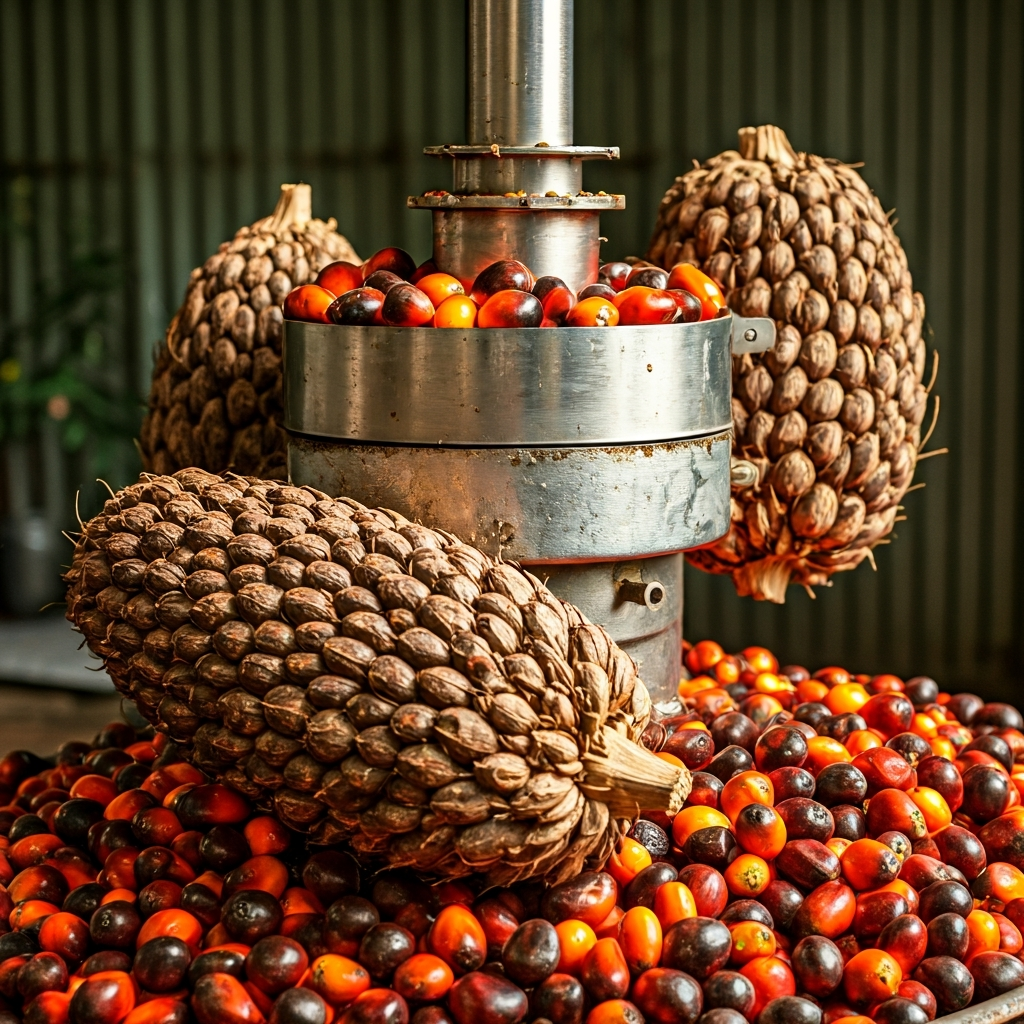
Palm Kernel Expeller: 7 Amazing Benefits & Uses (2026 Guide)
Mesin Pengekstrak Inti Sawit is one of the most powerful, yet often misunderstood, ingredients in modern animal nutrition. As feed costs continue to rise globally, agricultural professionals are seeking sustainable, cost-effective solutions to maintain profitability without sacrificing animal performance.
This article is the definitive resource you need. We will unlock the complete potential of PKE, providing a comprehensive analysis of its uses, benefits, and technical specifications. You will learn precisely how to integrate this valuable feedstuff into your nutritional programs for superior results.
Apa itu Palm Kernel Expeller (PKE)?
Mesin Pengekstrak Inti Sawit (often abbreviated as PKE) is a high-energy, medium-protein feed ingredient derived as a co-product from the mechanical extraction of oil from the kernel of the oil palm fruit. It is a cornerstone of the compound feed industry in many parts of the world, valued for its balance of protein, fiber, and energy.
Essentially, after the palm kernel is crushed to release its valuable palm kernel oil, the remaining fibrous material is processed into PKE. This process ensures that nothing from the palm fruit goes to waste, making it a highly sustainable component of the agricultural supply chain.

The Production Process: From Palm Fruit to Expeller
The journey to create PKE is a multi-stage process rooted in efficiency. It begins after the palm fruit has been harvested and the crude palm oil has been extracted from the fruit’s flesh.
- Memecahkan Kacang: The hard shell of the palm nut is cracked to release the inner kernel. This shell itself is a valuable biofuel, often sold as Cangkang Inti Sawit.
- Penghancuran Biji: The recovered kernels are cleaned, dried, and then crushed using mechanical presses (expellers) to extract palm kernel oil.
- Expeller Cake Formation: The solid residue left behind after the oil extraction is what we call Palm Kernel Expeller. It is a dense, fibrous cake.
- Pengolahan: This cake is then typically ground into a more consistent meal or pelletized for easier handling, transport, and inclusion in feed mixes.
PKE vs. Palm Kernel Meal (PKM): A Key Distinction
While often used interchangeably, there is a technical difference between Palm Kernel Expeller and Palm Kernel Meal. The distinction lies in the oil extraction method, which impacts the final nutritional profile.
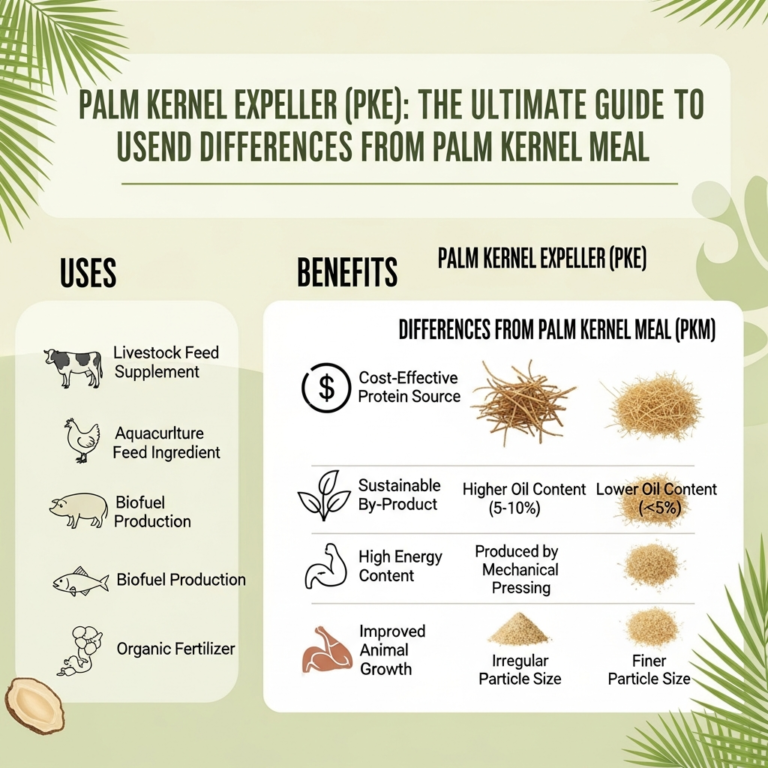
- Mesin Pengekstrak Inti Sawit (PKE): Produced via mechanical pressing (expeller press). This method is less efficient at oil removal, resulting in a PKE with a higher residual oil (fat) content, typically between 5-12%. This makes it higher in energy.
- Tepung Inti Sawit (PKM): Produced using a solvent extraction method (e.g., with hexane) after initial mechanical pressing. This process removes more oil, resulting in a lower fat content (typically 1-3%) but a slightly higher protein concentration.
For most feed applications, the higher energy content of PKE is considered advantageous, particularly for ruminants.
Defining PKE for Feed Formulation
In feed formulation software and for nutritionists, PKE is classified as a protein and fiber-rich feedstuff. Its unique nutritional composition allows it to serve multiple functions: as a source of bypass protein, a digestible fiber for rumen health, and an affordable energy source, making it a versatile tool for optimizing livestock diets.
Analisis Mendalam Profil Nutrisi PKE
Understanding the precise nutritional breakdown of this co-product is crucial for its effective use. While values can vary based on origin and processing, a typical analysis provides a clear picture of its value. According to industry data, PKE is a reliable source of key nutrients that are essential for animal growth and production.
Macronutrient Breakdown: Protein, Fiber, and Fat
PKE’s value is centered on its three main macronutrients. It offers a moderate level of crude protein, typically ranging from 14-18%. While not as high as soybean meal, this protein is known for its good “rumen bypass” characteristics.
This means it escapes digestion in the rumen and is absorbed in the small intestine, which is highly beneficial for high-producing animals.
Furthermore, its high fiber content (15-20% crude fiber) is a significant advantage in ruminant diets. This fiber is highly digestible for cattle, sheep, and goats, promoting good rumen function and acting as a precursor for milk fat synthesis in dairy cows.

Comparison: PKE vs. Other Common Feed Ingredients
To truly appreciate its role, it’s useful to compare PKE to other common feedstuffs. This comparison highlights its unique position as a balanced, cost-effective ingredient.
| Gizi | Mesin Pengekstrak Inti Sawit | Tepung Kedelai | Tepung Kopra |
|---|---|---|---|
| Crude Protein (%) | 14 – 18 | 44 – 48 | 20 – 24 |
| Crude Fiber (%) | 15 – 20 | 5 – 7 | 10 – 14 |
| Crude Fat (%) | 5 – 12 | 1 – 2 | 6 – 10 |
| Penggunaan Utama | Energy & Fiber (Ruminants) | High-Quality Protein | Protein & Energi |
Essential Minerals and Vitamins in PKE
Beyond the macronutrients, PKE is a carrier of essential minerals. It is particularly rich in phosphorus, an expensive and critical mineral in livestock diets. It also contains significant amounts of potassium, magnesium, and iron.
However, it’s important to note that like many vegetable protein sources, the phosphorus in this feedstuff can be in the form of phytate. This requires careful diet formulation, sometimes with the addition of the enzyme phytase, especially in monogastric diets, to ensure maximum mineral absorption.
7 Core Benefits of Using PKE in Animal Feed
The strategic inclusion of PKE in animal feed formulations offers a multitude of advantages that impact both animal health and a farm’s bottom line. Here are the seven most significant benefits for 2026 and beyond.
- Unbeatable Cost-Effectiveness: Compared to primary protein sources like soybean meal, PKE is significantly more affordable, helping to lower the overall cost of feed, which can be a farm’s largest expense.
- High in Digestible Fiber: For ruminants like cattle, the high NDF (Neutral Detergent Fiber) content is a major plus. It promotes cud-chewing, saliva production, and a stable rumen pH, reducing the risk of acidosis. Learn more about NDF from agricultural research published by institutions like Jurnal Ilmu Peternakan Susu.
- Boosts Milk Fat & Yield: This is a key benefit for dairy farmers. The specific fiber and fat profile provides the precursors necessary for the synthesis of butterfat, often leading to an increase in milk fat percentage.
- Sustainable and Upcycled Ingredient: In an era focused on sustainability, using a co-product like PKE is a responsible choice. It is an upcycled material from the oil palm industry, ensuring resources are used fully. This philosophy extends to other farm needs, like using Cocopeat for sustainable animal bedding.
- Enhances Pellet Durability: The fibrous nature and residual oil act as a natural binder, improving the quality and durability of feed pellets (Pellet Durability Index), reducing waste from fines and dust.
- Provides Slow-Release Energy: The combination of high fiber and residual fat provides a steady, slow release of energy. This is ideal for maintaining body condition and supporting sustained production, in contrast to the rapid energy release from starches.
- Impressive Versatility: While it excels in ruminant diets, the ingredient can be effectively used in formulations for swine, poultry, and aquaculture with proper formulation, making it a flexible asset for feed mills.
How to Use PKE in Ruminant Diets
Ruminants are uniquely equipped to thrive on fibrous materials, making PKE an almost perfect feed ingredient for them. The rumen’s microbial population can efficiently break down the feed’s complex carbohydrates into volatile fatty acids, the primary energy source for cattle, sheep, and goats.
Dairy Cows: Optimizing for Milk Production
For dairy operations, Mesin Pengekstrak Inti Sawit is a strategic tool. Its inclusion can help maintain rumen pH and is directly linked to increased butterfat in milk. For even greater energy density, it’s often paired with supplements like Garam Kalsium dari Asam Lemak Minyak Sawit. Nutritionists often recommend an inclusion rate of 10-25% of the total ration, depending on the other ingredients and herd production level.
Beef Cattle: Aiding Fattening and Growth
In beef cattle feedlot operations, this feed serves as an excellent energy and protein source to support growth and fattening. Its high fiber content ensures gut health, which is often a challenge in high-grain finishing diets. The palatable nature of the expeller also helps to encourage consistent feed intake, leading to steady weight gain.
Using PKE for Poultry & Swine Feed
Using PKE in monogastric diets (for animals with a single-stomach, like chickens and pigs) presents both opportunities and challenges. Their digestive systems are not as efficient at breaking down high levels of fiber.
However, with modern feed formulation techniques, these challenges can be overcome. The use of exogenous enzymes (like mannanase and cellulase) can help break down the complex fibers in the meal, unlocking more of its nutrients. For poultry and swine, inclusion rates are typically lower, usually in the range of 5-10%, to avoid depressing feed intake and to maintain digestive health.
Quality Specifications & Sourcing High-Grade PKE
Not all PKE is created equal. The quality of the final product can be influenced by the oil extraction process, handling, and storage. Sourcing high-quality material from a trusted supplier is paramount to achieving the desired results in your animal feed program.

Key Quality Parameters to Check
When purchasing PKE, it is critical to get a certificate of analysis that details its nutritional content. Key parameters to verify include:
- Kelembapan: Should be below 12% to prevent mold growth and spoilage.
- Protein Kasar: Typically 14-18%. Consistency is key.
- Lemak Kasar (Minyak Residu): Should be between 5-12%. This indicates it is true PKE.
- Serat Kasar: Around 15-20%.
- Kandungan Abu: An indicator of contamination. Should be low (4-6%).
- Kadar Aflatoksin: Must be below levels deemed safe by regulatory bodies like the FAO to ensure animal safety.
Makmur Amanah Sejahtera Menyediakan produk-produk kelapa sawit berkualitas tinggi seperti bungkil inti kelapa sawit, cangkang inti kelapa sawit, minyak kelapa sawit mentah, minyak inti kelapa sawit, dll. Silakan hubungi kami melalui WhatsApp. +6282140002198 atau kirim email kepada kami di admin@makmuramanah.co.id.
Pertanyaan yang Sering Diajukan (FAQ)
What is the main use of Palm Kernel Expeller?
The primary use of Palm Kernel Expeller is as a component in compound animal feed. It is highly valued in diets for ruminants (like cattle and sheep) due to its excellent balance of energy, protein, and digestible fiber, which supports milk production and growth.
Is Palm Kernel Expeller good for cattle?
Yes, it is exceptionally good for cattle. Its high digestible fiber content promotes excellent rumen health, while its specific fat and protein profile helps increase milk fat in dairy cows and supports cost-effective weight gain in beef cattle. It’s a safe and proven ingredient.
Apa perbedaan antara PKE dan Tepung Kopra?
Both are valuable feed ingredients, but they come from different plants. PKE is from the oil palm fruit kernel, while Tepung Kopra is from coconut. PKE generally has more fiber, while Copra Meal is often higher in protein and known for its high palatability.
How much PKE can be included in poultry feed?
For monogastric animals like poultry, the inclusion rate for PKE is lower due to its high fiber content. A general guideline is 5-10% of the total diet. Using fiber-degrading enzymes can help increase this inclusion rate and improve nutrient utilization.
What are the typical specifications for high-quality PKE?
High-quality PKE should have moisture below 12%, crude protein between 14-18%, crude fat from 5-12%, and crude fiber around 15-20%. It should also be free from contaminants and have a fresh, nutty smell, indicating proper processing and storage.
Conclusion: The Future is Efficient Feed
In the competitive agricultural landscape of 2026, efficiency and sustainability are requirements for success. As a versatile, nutrient-dense, and cost-effective feed ingredient, PKE meets these needs perfectly, delivering measurable results in animal performance and farm profitability.
By understanding its nutritional profile and application nuances, you can leverage this powerful co-product to enhance your feed strategy. Whether you are aiming to boost milk fat, achieve steady growth in beef cattle, or simply lower your feed costs, Mesin Pengekstrak Inti Sawit offers a proven, reliable, and amazing solution.

 Indonesian
  English
  Chinese
  Arabic