
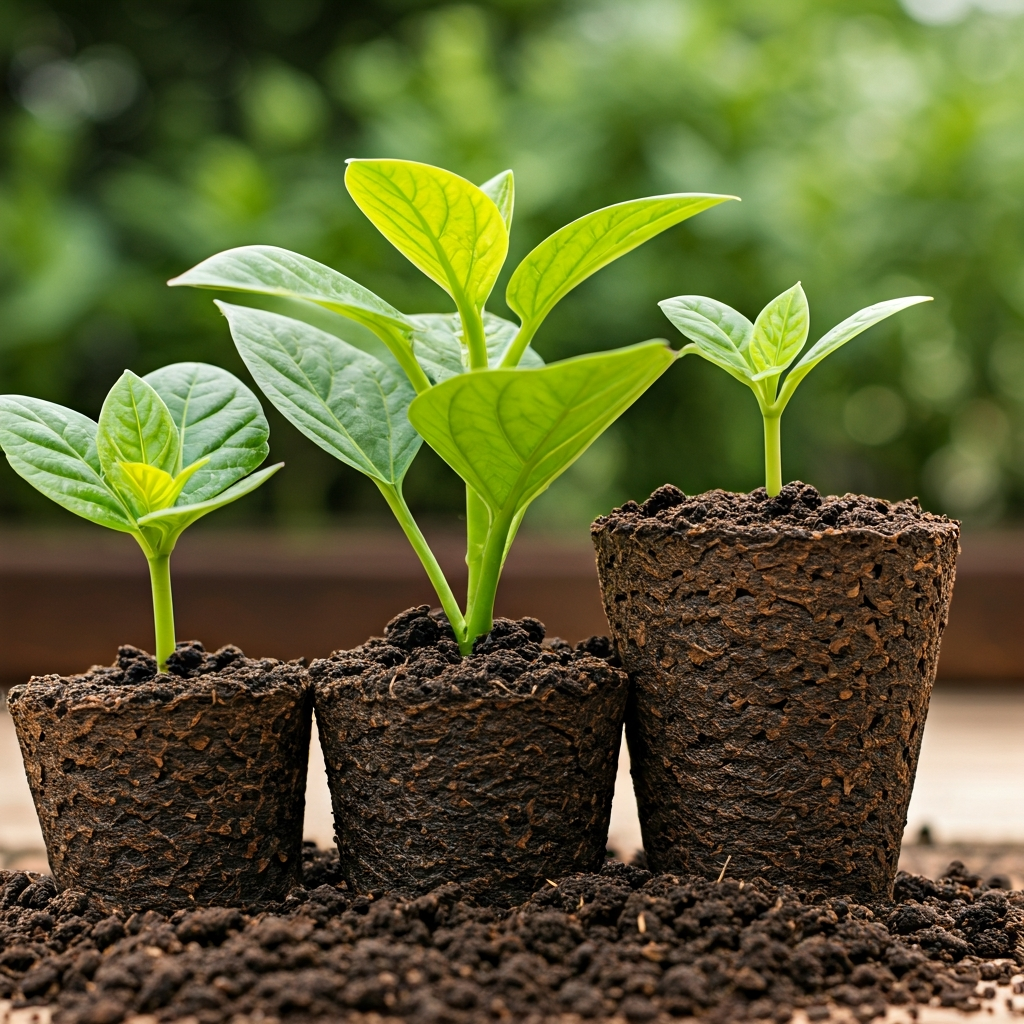
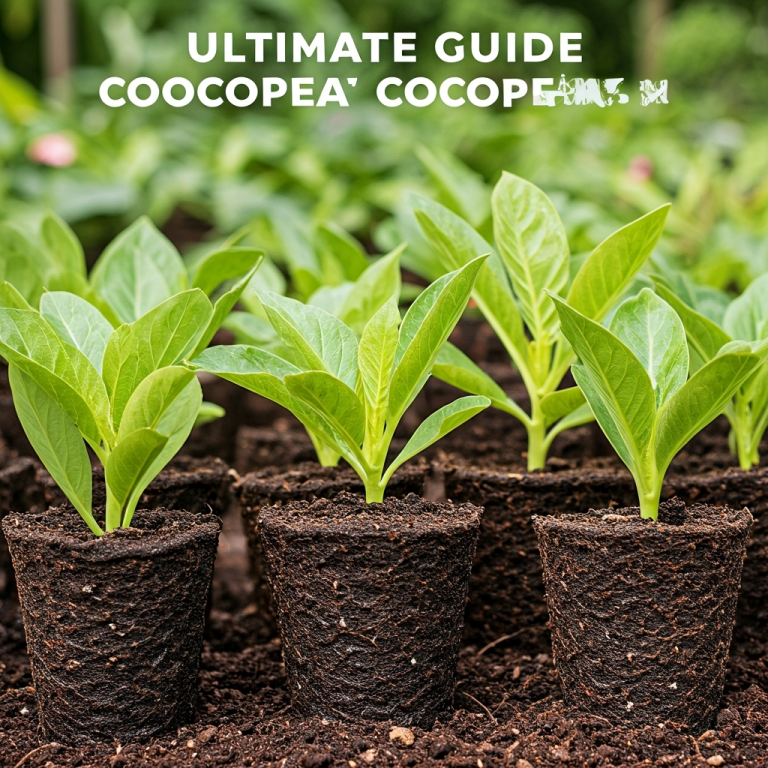
Cocopeat: Your Complete Guide to Benefits, Uses & The Best Plants to Grow
Cocopeat is revolutionizing gardens worldwide, but are you using it to its full potential? Many gardeners miss out on its incredible benefits due to common mistakes. This guide unveils everything you need to transform your gardening success in 2026.
What is Cocopeat and Why is it Gaining Popularity?
At its core, Cocopeat is a 100% natural, soilless growing medium derived from the fibrous pith of a coconut husk. Once considered an agricultural waste product, this powerhouse material has become a cornerstone of modern horticulture and hydroponics. It’s often referred to as “coco coir” or “coconut fiber,” representing a sustainable alternative to traditional peat moss.
Its rise in popularity isn’t just a trend; it’s a response to a global need for more sustainable and efficient gardening practices. The global market for sustainable agriculture is booming, and materials like coco coir are at the forefront. It offers a solution that not only improves plant health but also repurposes waste, contributing to a circular economy. This guide will explore exactly why this medium is the superior choice for discerning gardeners.
[Image: A side-by-side photo showing a dense, compressed cocopeat brick next to a large, fluffy pile of rehydrated cocopeat. Title: Compressed vs. Rehydrated Cocopeat. Alt: A block of compressed cocopeat next to a pile of rehydrated coco coir ready for use.]
The Science Behind Cocopeat: From Coconut to Garden Gold
Understanding what makes cocopeat an elite growing medium requires a look at its journey from a raw coconut husk to the refined product used in gardens. Its physical and chemical properties are precisely what make it so effective for cultivating healthy plants.
How Cocopeat is Made: The Journey from Husk to Block
The transformation process is a multi-step journey ensuring a high-quality, stable product. First, coconut husks are harvested and aged to increase stability. They are then processed to separate the long fibers from the pith—the part that becomes cocopeat.
This resulting pith is washed, dried, and screened. Finally, it’s compressed into easy-to-ship bricks or sold in loose bags, ready for gardeners to use.
Understanding the Types of Cocopeat: Pith, Fiber, and Chips
Not all coco coir is the same. It comes in three primary forms, each with unique properties:
- Coco Pith: This is the most common type, resembling peat moss. It has excellent water retention, making it a fantastic base for potting mixes.
- Serat Kelapa: The stringy fibers that add air pockets to the medium. This improves drainage and delivers oxygen directly to the plant’s roots.
- Coco Chips: Small chunks of the coconut husk that act like bark. They provide a balance of water retention and aeration, perfect for orchids and other epiphytes.
Key Properties: pH, EC, and Cation Exchange Capacity (CEC)
The effectiveness of coco coir lies in its chemical properties. It boasts a naturally neutral pH range of 5.5 to 6.8, an ideal level for most plants to absorb nutrients. Its Electrical Conductivity (EC), which measures salt content, is low in high-quality, properly washed cocopeat. Furthermore, it has a high Cation Exchange Capacity (CEC), meaning it can hold onto essential nutrients and release them to the plant as needed, acting as a nutrient buffer.
7 Proven Benefits of Using Cocopeat in Your Garden
The advantages of incorporating cocopeat into your gardening regimen are vast and scientifically backed. These seven core benefits demonstrate why it’s a superior choice for both amateur and professional growers.
- Incredible Water Retention: Cocopeat can hold up to 10 times its weight in water. This means less frequent watering and a consistent moisture supply for your plants, reducing water waste and preventing root dehydration.
- Superior Aeration & Drainage: Despite its water-holding capacity, the fibrous structure of coco coir provides excellent aeration. This allows oxygen to reach the roots, preventing compaction and root rot—a common issue with dense garden soils.
- Neutral pH Level: Unlike peat moss, which is highly acidic, cocopeat has a naturally neutral pH. This makes it a perfect growing medium for a wide variety of plants without the need for lime or other balancing agents.
- Natural and Sustainable: As a byproduct of the coconut industry, cocopeat is a renewable resource. Its use helps reduce landfill waste and provides a fantastic, eco-friendly alternative to peat moss, the harvesting of which damages vital peatland ecosystems.
- Anti-Fungal Properties: The medium contains natural antifungal properties that can help protect plants from soil-borne diseases like pythium and phytophthora. This encourages healthier root systems and more resilient plants.
- Reusable and Long-Lasting: Cocopeat breaks down very slowly over several years. This means it can be reused for multiple growing seasons, providing excellent value and further enhancing its sustainability profile.
- Lightweight and Easy to Handle: Sold in compressed, dry bricks, cocopeat is incredibly lightweight and easy to store. This makes it ideal for container gardening, vertical gardens, and for gardeners with limited physical strength.
[Image: An infographic concept. Title: 7 Incredible Benefits of Cocopeat. Alt: An infographic detailing the 7 benefits of using cocopeat for gardening. Description: A visually appealing infographic with icons for each of the 7 benefits listed above (e.g., a water droplet for retention, a leaf with roots for aeration, a pH scale icon, a recycling symbol for sustainable).]
Cocopeat vs. Traditional Growing Media: A Head-to-Head Comparison
To truly appreciate the value of cocopeat, it’s helpful to compare it directly with other common growing media. This table breaks down the key differences between cocopeat, peat moss, and standard potting soil.
| Fitur | Cocopeat | Gambut | Potting Soil |
|---|---|---|---|
| Keberlanjutan | Tinggi (Produk sampingan terbarukan) | Low (Non-renewable resource) | Variabel |
| Retensi Air | Bagus sekali | Excellent (but can compact) | Bagus |
| Tingkat pH | Neutral (5.5 – 6.8) | Acidic (3.5 – 4.5) | Usually Neutralized |
| Dapat digunakan kembali | Yes (for 2-3 years) | No (decomposes quickly) | No |
| Wetting Agent | Wets easily | Hydrophobic when dry | Wets easily |
How to Prepare and Use Cocopeat Like a Pro
Getting the most from your cocopeat involves a few simple but crucial preparation steps. Compressed bricks, the most common form, cannot be used straight out of the packaging. Following these steps ensures your plants have the perfect foundation for growth.
Step-by-Step Guide to Rehydrating Cocopeat Bricks
Unlocking the potential of a cocopeat brick is simple. You just need a large container (like a wheelbarrow or storage tote) and water.
- Place the compressed brick in your container.
- Add the amount of warm water specified on the packaging (typically 3-5 gallons for a 5kg brick).
- Allow the brick to sit for 20-30 minutes. It will absorb the water and expand dramatically, up to 6-8 times its original volume.
- Once fully expanded, fluff the material with your hands or a small rake until it has a light, airy consistency.
This rehydration process is essential for creating the ideal structure for plant roots. Moreover, some gardeners use the rehydration phase to start introducing nutrients, making the medium even more powerful from the start.
Buffering Cocopeat: An Essential Step for Healthy Plants
Buffering is a critical process often overlooked by beginners. As scientific studies show, raw coco coir naturally contains high levels of sodium and potassium. These elements can interfere with a plant’s ability to absorb calcium and magnesium, leading to nutrient deficiencies.
The buffering process solves this by soaking the rehydrated cocopeat in a Calcium Nitrate and Magnesium Sulfate solution. This “charges” the medium, preventing nutrient lockout later. For convenience, many high-quality brands now sell pre-buffered cocopeat.
Creating the Perfect Potting Mix with Cocopeat
While cocopeat is powerful on its own, it truly shines as part of a custom potting mix. Because it contains no native nutrients, you must amend it. A classic, all-purpose recipe is:
- 60% Cocopeat: For moisture retention and structure.
- 30% Perlit atau Batu Apung: To increase drainage and aeration.
- 10% Worm Castings or Compost: To introduce beneficial microbes and a slow-release source of organic nutrients.
This blend creates a balanced environment that supports robust growth for a huge range of plants. For other sustainable soil amendments, you might also consider byproducts like Tepung Kopra, which adds nutrients back into the soil.
The Best Plants to Grow with Cocopeat
Sifat unik dari Cocopeat make it an incredibly versatile growing medium suitable for a wide array of plants. From juicy vegetables to delicate flowers, many species thrive in a coco coir-based environment. Its application in hydroponics is particularly noteworthy.
[Image: A vibrant photo of healthy tomato and lettuce plants growing in deep water culture hydroponic system that uses cocopeat as the starting medium in net pots. Title: Cocopeat in Hydroponic Systems. Alt: Thriving tomato plants growing in a potting mix containing cocopeat.]
Vegetables that Thrive in Cocopeat
Vegetables that require consistent moisture and good drainage do exceptionally well. The aeration prevents root diseases that can plague soil-grown crops.
- Tomatoes & Peppers: Consistent moisture from cocopeat prevents blossom end rot.
- Leafy Greens (Lettuce, Spinach): The fast-draining nature is perfect for cut-and-come-again harvesting.
- Root Vegetables (Carrots, Radishes): The light, friable texture allows roots to grow straight and without obstruction.
Growing Stunning Flowers and Ornamentals
Flowers, especially those in containers, benefit immensely from cocopeat’s lightweight and water-retentive nature. Roses, anthuriums, and orchids are particularly fond of coco-based mixes. For orchids, using coarser coco chips mimics their natural epiphytic growing conditions on tree bark.
The Secret to Successful Hydroponics with Cocopeat
Cocopeat is a star performer in hydroponic setups. It’s often used in Dutch buckets, grow bags, and as a starting medium for seedlings in net pots. Its inert nature gives the grower complete control over the nutrient solution, while its excellent Cation Exchange Capacity ensures those nutrients are available when the plant needs them. This level of control, as detailed by leading resources like the University of Arizona Extension’s guide on hydroponics, is key to high-yield soilless cultivation.
[Image: A short, embedded video concept. Title: How to Rehydrate and Buffer a Cocopeat Block in Under 5 Minutes. Alt: Video tutorial on preparing cocopeat. Description: A fast-paced, 3-minute YouTube video showing the step-by-step process of placing a brick in a tub, adding water, watching it expand, and then mixing in a calcium/magnesium solution for buffering.]
Pertanyaan yang Sering Diajukan Tentang Cocopeat
1. Is cocopeat better than soil?
For container gardening and hydroponics, cocopeat is often superior. It offers better aeration, water control, and is free of pests and weeds. For in-ground gardens, soil amended with cocopeat provides the benefits of both: the structure and nutrients of soil with the improved water retention of the medium.
2. Do I need to add nutrients to cocopeat?
Yes. Cocopeat is an inert medium with no nutrients. You must provide all of your plant’s nutritional needs through liquid fertilizers or by mixing in nutrient sources like compost or worm castings. This gives you complete control over your plant’s diet.
3. How long does cocopeat last? Can it be reused?
Coco coir decomposes very slowly and can be reused for 2-3 years before it loses its structure. To reuse it, simply rinse it thoroughly to remove old roots and any accumulated salts, then re-buffer it with a Cal-Mag solution before replanting.
4. What is the difference between cocopeat and coco coir?
The terms are often used interchangeably. “Coco coir” is the general term for the product from a coconut husk. “Cocopeat” specifically refers to the pithy, peat-like material, which is the most common form of coir used in gardening.
5. Is cocopeat good for starting seeds?
It’s excellent for seed starting. Its fine texture, water retention, and sterile nature provide a perfect environment for germination. It helps prevent “damping off,” a fungal disease that kills young seedlings, making it a reliable choice for giving your plants a healthy start.
The Final Word: Why Cocopeat is a Game-Changer
Embracing cocopeat is more than just trying a new product; it’s about upgrading your entire approach to gardening. Its unparalleled water management, superior aeration, and sustainable origins provide the perfect trifecta for plant health and environmental responsibility. By ensuring proper preparation and amending it with nutrients, you can unlock its full potential.
From hydroponics to traditional containers, this versatile medium offers solutions that lead to more vigorous growth, higher yields, and healthier root systems. As we move into 2026, making the switch to a high-quality, buffered Cocopeat is one of the most impactful decisions a gardener can make for amazing results.
 Indonesian
  English
  Chinese
  Arabic