
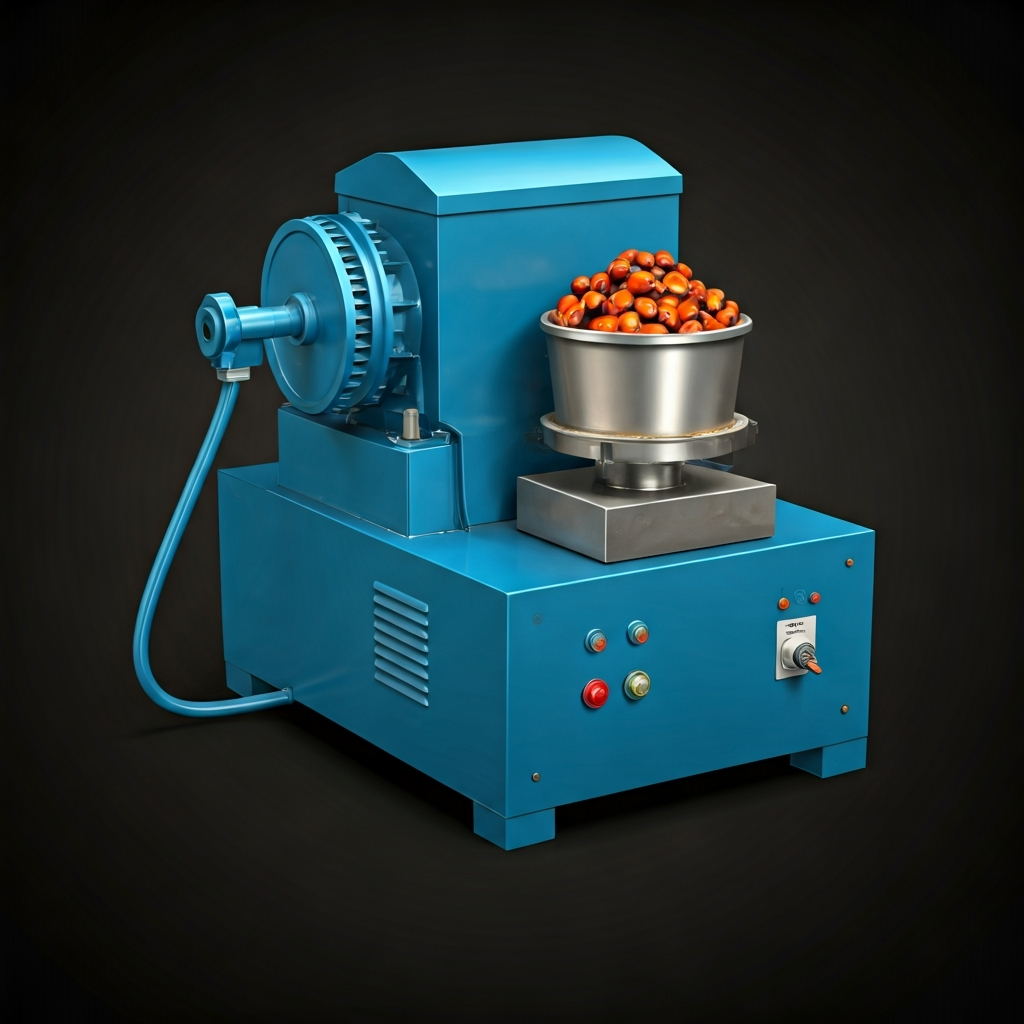
Palm Kernel Expeller: The #1 Complete Guide (2026)
Itu Mesin Pengekstrak Inti Sawit is a powerhouse in the global animal feed industry, yet many are unaware of its full potential. As feed costs continue to rise, leveraging this cost-effective, high-energy feed source is no longer just an option—it”’s a strategic necessity.
For sustainable and profitable livestock operations in 2026, understanding PKE is critical. This guide provides a comprehensive look at everything you need to know, from its production and nutritional specifications to market pricing and practical application in animal diets.
Sourced from the oil palm fruit, this by-product of the palm oil extraction process is a cornerstone of ruminant nutrition worldwide. Global production now exceeds 8 million metric tons annually, highlighting its importance.
Apa Sebenarnya yang Dimaksud dengan Palm Kernel Expeller (PKE)?
Palm Kernel Expeller, abbreviated as PKE, is a high-protein, high-fiber feed ingredient. It is derived from the mechanical extraction of oil from the palm kernel nut.
Its excellent balance of energy and protein makes it a valuable component in formulated feeds for a variety of livestock, especially ruminants like cattle and goats.
From Palm Fruit to Powerful Feed: The Production Process
Understanding how PKE is made is key to appreciating its quality. The process involves several distinct stages:
- Sterilization & Stripping: Fresh palm fruit bunches are steamed to halt enzymatic processes and loosen the fruitlets.
- Digestion & Pressing: The fruit is mashed to separate the pulp (for palm oil) from the nut. The nut is then cracked to release the kernel.
- Ekstraksi Mekanis (Pengeluaran): The kernel is crushed and mechanically pressed under high pressure to extract Palm Kernel Oil. The solid residue left behind is the Mesin Pengekstrak Inti Sawit.
- Cooling & Storage: The resulting PKE is cooled and stored in a dry environment to ensure stability and quality. Some operations also produce Cangkang Inti Sawit, another valuable by-product.
PKE vs. PKC: Understanding the Critical Difference
While often used interchangeably, there is a key distinction between Palm Kernel Expeller (PKE) and Palm Kernel Cake (PKC). The difference lies in the oil extraction method:
- PKE (Expeller Pressed): Produced via mechanical pressing. It retains a higher residual oil content (typically 6-10%), making it richer in energy.
- PKC (Solvent Extracted): Produced using solvents like hexane to extract oil. This method is more efficient, resulting in a lower residual oil content (1-3%) but a slightly higher protein percentage.
For most livestock applications, the higher energy value of PKE is preferred. It provides a better balance for growth and lactation. In contrast, PKC might be chosen where a lower-fat, higher-protein meal is the primary goal.
[Image: A close-up shot of light brown, granular Palm Kernel Expeller, showing its texture. Title: High-Quality Palm Kernel Expeller for Animal Feed. Alt Text: A detailed view of Palm Kernel Expeller (PKE), a key ingredient in animal nutrition.]
The Nutritional Powerhouse: Palm Kernel Expeller Specifications
The nutritional value of PKE can vary, but a typical analysis provides a robust profile for animal feed formulation. As detailed by animal nutrition authorities like Feedipedia, PKE is an excellent source of metabolizable energy and protein. This is further supported by studies in journals like the Jurnal Masyarakat Ilmu Pertanian Saudi.
Core Nutritional Profile (Typical Values)
Here are the standard specifications that buyers and nutritionists look for:
- Protein Kasar (CP): 14-18%
- Serat Kasar (CF): 16-20%
- Lemak Kasar (Minyak): 6-10%
- Kelembapan: < 12%
- Energi Metabolisme (ME): 10-12 MJ/kg
Comparison Table: PKE vs. Competing Feed Ingredients
To understand its competitive advantage, here is how PKE stacks up against other common feedstuffs like Soybean Meal and its close cousin, Tepung Kopra.
| Gizi | Mesin Pengekstrak Inti Sawit | Tepung Kedelai | Tepung Kopra |
|---|---|---|---|
| Protein Kasar | 14-18% | 44-48% | 20-25% |
| Serat Kasar | 16-20% | 5-7% | 9-14% |
| Lemak Kasar | 6-10% | 1-2% | 6-12% |
| Metabolizable Energy (Ruminant) | ~11 MJ/kg | ~12,5 MJ/kg | ~11.5 MJ/kg |
Note: Values are typical and can vary.
[Image: Infographic comparing PKE, Soybean Meal, and Copra Meal. Title: Palm Kernel Expeller Nutritional Showdown. Alt Text: Infographic comparing the protein, fiber, and fat content of Palm Kernel Expeller versus other animal feeds.]
Top 5 Commercial Uses of Palm Kernel Expeller in 2026
Fleksibilitas dari Mesin Pengekstrak Inti Sawit makes it a sought-after commodity in various sectors of the agriculture industry. Its primary application remains in compound animal feed.
1. Pakan Ternak Sapi Perah dan Sapi Potong
PKE is a star performer in ruminant diets. Its high fiber content is beneficial for rumen function, while the combination of protein and bypass fat supports milk production in dairy cows and weight gain in beef cattle. Many high-performance formulations also include supplements like Garam Kalsium dari Asam Lemak Minyak Sawit to boost energy density.
2. Poultry and Swine Rations
While its high fiber can be a limitation for monogastric animals like poultry and pigs, PKE is often used at lower inclusion rates (5-10%) to reduce feed costs. Research is ongoing to improve its digestibility for these species through enzymatic treatment.
3. Aquaculture Feed Formulations
This feed ingredient is gaining traction as a sustainable, plant-based protein source in aquaculture, particularly for herbivorous and omnivorous fish species like tilapia and carp. It serves as a cost-effective alternative to more expensive fishmeal.
4. Sheep and Goat Nutrition
Similar to cattle, sheep and goats benefit from the balanced nutritional profile of PKE. It serves as an excellent feedstuff for both meat and milk production in small ruminants, providing essential nutrients for growth and lactation.
5. Biofuel and Biomass Applications
Beyond animal feed, PKE is explored as a biomass feedstock for generating renewable energy. Its high calorific value makes it suitable for co-firing in power plants, contributing to a circular economy for the palm oil industry, as highlighted by industry publications like Bioenergy News.
Navigating the Market: Palm Kernel Expeller Price and Trends
Harga Mesin Pengekstrak Inti Sawit is subject to the dynamics of the global commodity markets. Understanding these factors is crucial for buyers looking to optimize their procurement strategy.
Factors Influencing Palm Kernel Expeller Prices
- Harga Minyak Sawit Mentah (CPO): The primary driver. High CPO prices often lead to increased palm fruit processing, boosting PKE supply and potentially lowering its price.
- Soybean Meal Prices: As a major competitor, the price of soybean meal creates a pricing ceiling and floor for PKE.
- Global Weather Patterns: Events like El Niño can impact palm fruit yields in major producing countries like Indonesia and Malaysia.
- Government Regulations: Export levies, tariffs, and biofuel mandates (see the U.S. Renewable Fuel Standard Program) can significantly affect supply and pricing.
- Freight and Logistics Costs: Shipping costs play a major role in the final landed price for importers.
Secure Your High-Quality PKE Supply
Looking for a reliable source of premium Palm Kernel Expeller? Makmur Amanah Sejahtera provides high-quality palm products such as Palm Kernel Expeller, Palm Kernel Shell, Crude Palm Oil, Palm Kernel Oil, etc.
Silakan hubungi kami di WhatsApp +6282140002198 atau kirim email kepada kami di admin@makmuramanah.co.id.
Frequently Asked Questions about Palm Kernel Expeller
Is PKE good for cattle?
Absolutely. PKE is an excellent feed for cattle. Its high fiber content supports healthy rumen function, and its balanced profile of protein and energy promotes milk production in dairy cows and efficient weight gain in beef cattle. It”’s a cost-effective way to supplement their diet.
What is the difference between palm kernel expeller and copra meal?
Both are by-products of oil extraction. Palm kernel expeller comes from the nut of the oil palm fruit, while copra meal comes from dried coconut flesh. PKE typically has higher fiber and slightly lower protein than copra meal, but both serve similar roles in animal feed.
Bagaimana cara menyimpan PKE agar kualitasnya tetap terjaga?
To prevent mold and degradation, PKE must be stored in a cool, dry, and well-ventilated area. It should be kept on pallets off concrete floors to avoid moisture wicking. Protect it from pests and direct sunlight to ensure it retains its full nutritional value and palatability.
What is the typical protein content of PKE?
The crude protein content of PKE typically ranges from 14% to 18%. This makes it a valuable mid-range protein source for many animal feed formulations, effectively balancing nutritional requirements with overall cost, especially when compared to higher-priced protein meals like soybean meal.
How is palm kernel expeller made?
It is made from the solid residue left after the mechanical extraction (expelling) of oil from the kernel of the palm fruit. The process involves cracking the palm nut, crushing the kernel, and pressing it under high pressure to separate the oil from the solid meal.
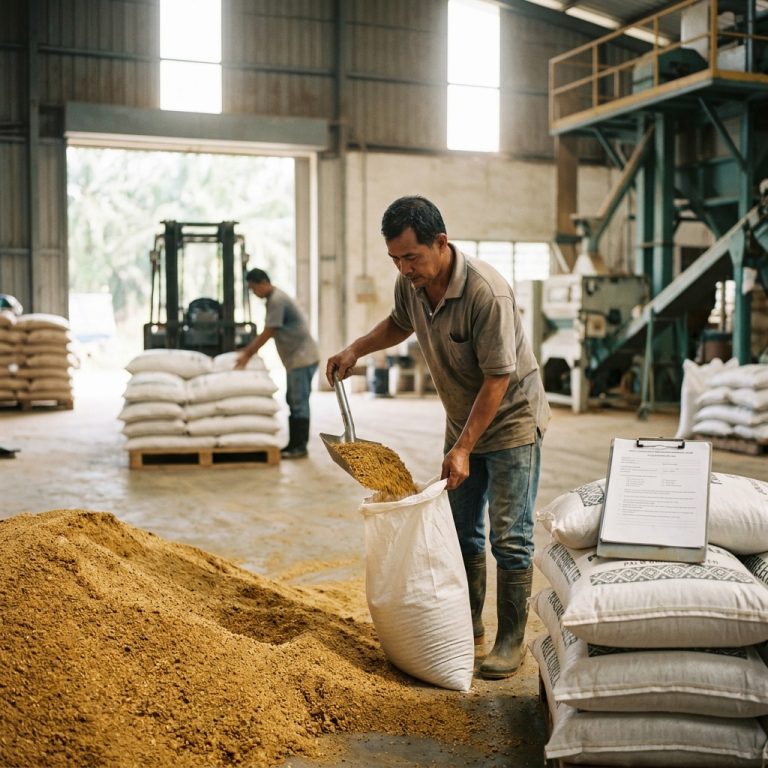
[Image: A large, clean warehouse with bags of PKE stacked neatly. Title: Bulk Storage of Palm Kernel Expeller. Alt Text: A well-managed warehouse showing proper storage of bagged Palm Kernel Expeller to maintain quality.]
[Image: A healthy dairy cow eating from a trough that contains a mixed feed ration. Title: Palm Kernel Expeller in Dairy Rations. Alt Text: A dairy cow enjoying a feed ration that includes nutritious Palm Kernel Expeller (PKE).]
[Video: A short documentary on the palm oil milling process, showing how Palm Kernel Expeller is separated. Title: From Fruit to Feed: The Palm Kernel Expeller Journey. Alt Text: Video explaining the production of PKE for the animal feed industry.]
Conclusion: Your Strategic Advantage in Animal Nutrition
In the competitive landscape of 2026, efficiency and cost-effectiveness are paramount. This valuable feed ingredient is not just a by-product; it is a strategic asset for feed millers and livestock farmers seeking to optimize performance while managing costs.
By understanding the specifications, market drivers, and proper applications of PKE, you can unlock a powerful tool to enhance profitability and sustainability. Whether for cattle, poultry, or aquaculture, PKE remains a cornerstone of intelligent feed formulation and a key component for success in the agricultural industry, making Mesin Pengekstrak Inti Sawit an essential tool for your operation.
 Indonesian
  English
  Chinese
  Arabic