
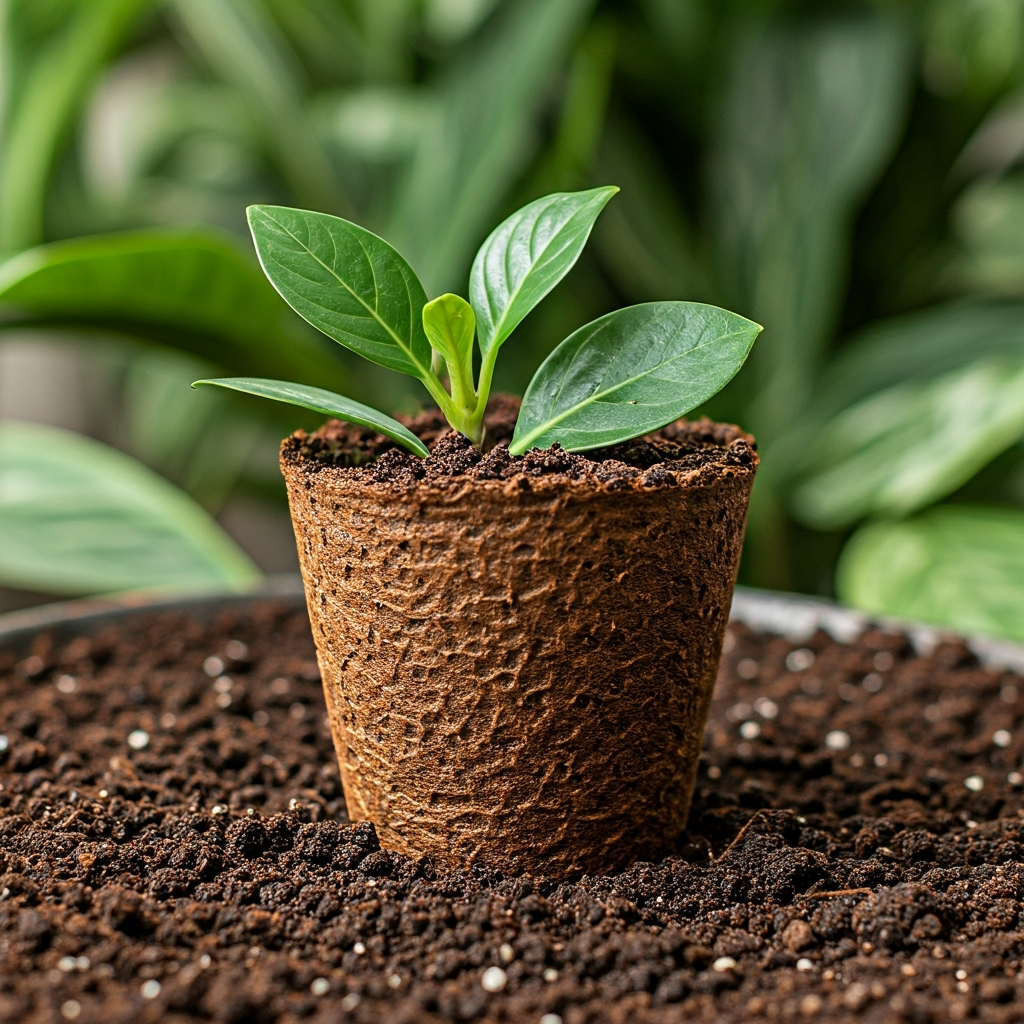
Cocopeat: 7 Amazing Benefits & Uses (2026 Ultimate Guide)
Struggling to find the perfect growing medium for your plants? Cocopeat might be the game-changing solution you’ve been searching for, offering unparalleled moisture retention and aeration for thriving roots. It’s the secret weapon savvy gardeners are using for healthier, more resilient plants.
Finding a consistent, reliable, and sustainable medium is a major challenge in modern gardening. Poor soil leads to waterlogged roots, nutrient lockout, and stunted growth. For years, peat moss was the go-to solution, but its harvest has significant environmental costs. According to research from Washington State University, peat bogs store vast amounts of carbon, and harvesting them releases it into the atmosphere. This is where an incredible alternative steps in, promising not just better results for your plants, but for the planet, too.
What is Cocopeat, Exactly?
Cocopeat is a 100% natural, multi-purpose growing medium made from the fibrous pith found between the hard, internal shell and the outer coat of a coconut. For decades, this material was considered a waste product of the coconut industry. Now, it’s celebrated as a superior, renewable alternative to traditional peat moss and soil conditioners, as noted by horticulture experts at Gardening Know How. Its unique cellular structure allows it to hold impressive amounts of water while still maintaining excellent aeration.
In short, cocopeat is the spongy, lightweight material that makes up a coconut’s husk, processed and packaged for your gardening success. It gives you complete control over your plant’s environment.
The Journey from Coconut to Garden
The transformation from a tough coconut husk to a fine, soil-like material is a multi-step process. After the coconut is harvested for its valuable kernel (used for products like Tepung Kopra), the husk is set aside. It’s then aged and cured for several months to break down the fibers.
Following this, the husks are washed to remove excess salts, dried, and then shredded into different grades—pith (the most common form, also known as coco coir), fibers, or chips.
[Image: A high-quality shot of a dry cocopeat brick next to the expanded, fluffy, dark brown material. Title: From Dry Brick to Fluffy Gold – The Magic of Cocopeat. Alt: A block of dry cocopeat next to hydrated coco coir ready for use.]
Types of Cocopeat: Pith, Fiber, and Chips
Not all cocopeat is the same. It is generally processed into three distinct types, each with specific applications:
- Coco Pith: This is the most common type, with a texture similar to peat moss. It has excellent water retention and is perfect for potting mixes and seed starting.
- Serat Kelapa: Longer fibers that increase aeration and drainage. They are often mixed with pith to prevent compaction and allow oxygen to reach the plant’s roots more effectively.
- Coco Chips: Small chunks of the husk that act like bark. They provide large air pockets and are ideal for orchids, anthuriums, and in hydroponic systems.
The 7 Amazing Benefits of Using Cocopeat
So, why is there so much buzz around this coconut-based medium? The advantages are significant, impacting everything from water usage to plant health. Here are the proven benefits that make cocopeat an essential tool for any gardener.
1. Unbeatable Water Retention
Cocopeat has a phenomenal ability to absorb and hold water, capable of retaining up to 10 times its own weight. This means less frequent watering, reduced water waste, and a more consistent moisture supply for your plants’ roots. As confirmed by scientific studies on soilless growing media, it acts like a sponge, releasing water slowly as the plant needs it.
2. Superior Aeration for Healthy Roots
Despite its water-holding capacity, the fibrous nature of cocopeat ensures that the soil does not become waterlogged. It maintains a loose structure, creating air pockets that provide essential oxygen to the root zone. This superior aeration prevents root rot and promotes a vigorous, healthy root system, which is the foundation of a thriving plant.
[Image: Close-up of pristine, healthy white plant roots growing vigorously in a dark, airy cocopeat and perlite mixture. Title: Healthy Roots Love Cocopeat. Alt: Healthy white plant roots thriving in a cocopeat and perlite mixture.]
3. Sustainable and Eco-Friendly Choice
Unlike peat moss, which is mined from non-renewable peat bogs, cocopeat is a byproduct of the massive global coconut industry. Using it helps reduce waste and provides a truly sustainable resource. By choosing cocopeat, as recommended by environmental advocates like the Royal Horticultural Society (RHS), you are actively voting against the destruction of vital wetland ecosystems.
4. Neutral pH Level
Cocopeat typically has a pH range of 5.5 to 6.8, which is near-neutral and ideal for the vast majority of plants. This eliminates the need to add lime or other substances to adjust the pH, as is often required with acidic peat moss. This stable pH ensures that nutrients are readily available for plant uptake.
5. Anti-Fungal Properties
Cocopeat contains natural lignins and tannins that discourage the growth of harmful pathogens and fungi. This can help protect your plants, especially young seedlings, from common soil-borne diseases like pythium and phytophthora. It promotes a healthier growing environment from the ground up.
6. Lightweight and Easy to Handle
Sold in compressed, dry bricks, cocopeat is incredibly lightweight and easy to store. A single small brick can expand to many times its volume when hydrated, creating a large amount of growing medium without the back-breaking effort of hauling heavy bags of traditional soil.
7. Reusable and Long-Lasting
The physical structure of cocopeat breaks down very slowly over time. This means it can be reused for several growing cycles. After a harvest, you can simply rinse and buffer it to be used again, making it a cost-effective and resource-efficient option for the long term.
Cocopeat vs. Peat Moss: A Head-to-Head Comparison
For gardeners looking to make an informed choice, seeing a direct comparison is often the clearest way to understand the differences. While both are used for similar purposes, their properties and environmental impact vary significantly. This is a critical consideration for any modern, eco-conscious grower.
| Fitur | Cocopeat | Gambut |
|---|---|---|
| Keberlanjutan | Highly renewable byproduct | Non-renewable, harvested from bogs |
| Retensi Air | Excellent, holds 10x its weight | Very good, but can become hydrophobic when dry |
| Tingkat pH | Neutral (5.5 – 6.8) | Acidic (3.5 – 4.5) |
| Keterbasahan | Wets easily | Hydrophobic (repels water) when fully dry |
| Jangka hidup | Slow to decompose, reusable | Decomposes and compacts more quickly |
| Kandungan gizi | Inert, contains few nutrients | Inert, contains few nutrients |
How to Use Cocopeat: A Step-by-Step Guide
Getting started with cocopeat is simple, but following the correct preparation steps is crucial for success. Rushing this process is one of the biggest mistakes beginners make. Follow this guide to ensure your plants get the best possible start.
Step 1: Choosing the Right Cocopeat Product
Start with a high-quality compressed brick of cocopeat from a reputable supplier. Low-quality bricks can contain high levels of salt or have inconsistent texture. Look for products that specify they are “washed” or “low EC” (Electrical Conductivity), which indicates low salt content.
Step 2: Rinsing and Buffering Your Cocopeat
This is the most critical step. First, place your cocopeat brick in a large container and add the amount of warm water specified on the packaging. As it expands, break it apart with your hands. Once fully expanded, you must “buffer” it.
This involves soaking the cocopeat in a calcium-magnesium (Cal-Mag) nutrient solution for 8-12 hours. This process displaces sodium and potassium salts, preventing nutrient lockout later. After soaking, rinse it thoroughly with fresh water until the runoff is clear.
Step 3: Creating the Perfect Potting Mix
While some plants can grow in 100% cocopeat, most benefit from a mix. A classic and highly effective recipe is:
- 60% Cocopeat: For moisture retention and structure.
- 30% Perlit atau Batu Apung: For added aeration and drainage.
- 10% Worm Castings or Compost: To introduce beneficial microbes and a slow-release source of nutrients.
Mix these components thoroughly, and you have a premium, all-purpose potting soil that will outperform most bagged mixes. Other organic materials, like Cangkang Inti Sawit atau Mesin Pengekstrak Inti Sawit, can also be part of a comprehensive soil amendment strategy, providing valuable organic matter.
Step 4: Using Cocopeat for Seed Starting
Because of its fine texture and anti-fungal properties, using the cocopeat medium is ideal for germinating seeds. Its ability to hold water consistently means seeds won’t dry out. Simply use your buffered cocopeat (or a 50/50 mix with perlite) in your seed trays, plant your seeds, and watch them sprout. Since cocopeat is inert, you will need to apply a diluted liquid fertilizer once the seedlings develop their first true leaves.
Common Mistakes to Avoid with Cocopeat
To ensure your success, be aware of these common pitfalls. Avoiding them can make the difference between a thriving garden and a frustrating experience.
- Not Buffering: Skipping the Cal-Mag buffering process is the #1 mistake. It leads to calcium and magnesium deficiencies as the plant grows.
- Overwatering: Yes, it’s possible! Because it holds so much water, you need to adjust your watering schedule. Check the moisture level an inch or two below the surface before watering again.
- Forgetting to Fertilize: Cocopeat is an inert medium. It contains almost no nutrients. You must provide all the nutrition your plants need via liquid fertilizers or by amending it with compost and other organic matter.
Makmur Amanah Sejahtera Menyediakan produk-produk kelapa sawit berkualitas tinggi seperti bungkil inti kelapa sawit, cangkang inti kelapa sawit, minyak kelapa sawit mentah, minyak inti kelapa sawit, dll. Silakan hubungi kami di WhatsApp +6282140002198 atau kirim email kepada kami di admin@makmuramanah.co.id.
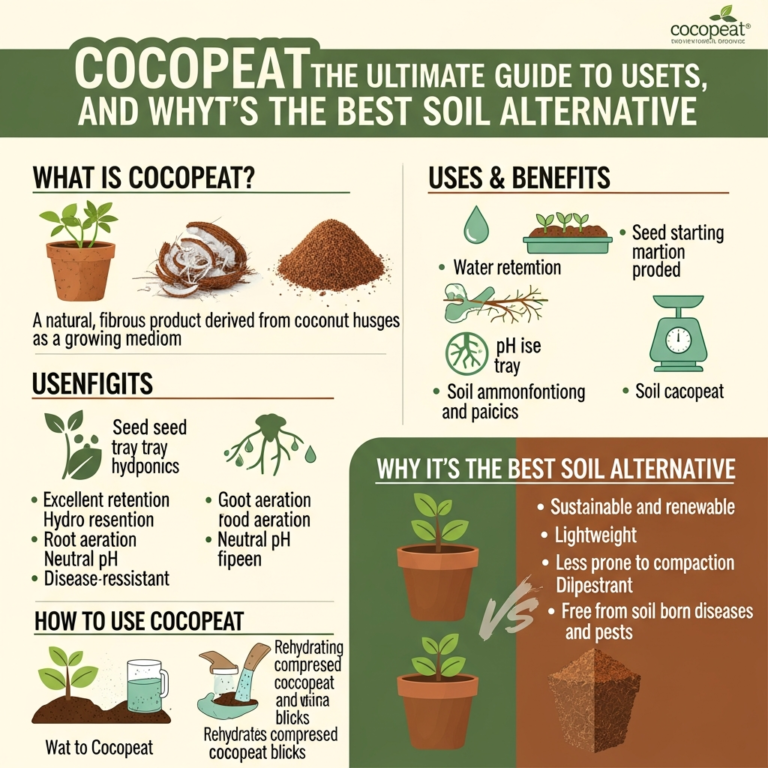
[Image: An infographic concept showing the lifecycle of cocopeat: from a coconut on a palm tree, to the husk being removed, to bricks of cocopeat, to a gardener hydrating it, and finally to a lush tomato plant with healthy fruit. Title: The Cocopeat Journey: From Waste to Wonder. Alt: Infographic showing the cocopeat production and use cycle.]
Pertanyaan yang Sering Diajukan (FAQ)
Apakah cocopeat baik untuk semua tanaman?
Cocopeat is an excellent base for almost all plants, from vegetables and herbs to houseplants and flowers. However, it’s best used as part of a mix. For succulents and cacti that require very sharp drainage, you would use a higher ratio of perlite or sand and a lower ratio of cocopeat.
Can I use 100% cocopeat for my plants?
While possible for hydroponics or seed starting, it’s not ideal for long-term container gardening. Pure cocopeat can retain too much water for some plants and may compact over time, reducing the superior aeration provided by amendments like perlite or pumice.
Apakah cocopeat mengandung nutrisi?
No, cocopeat is considered an inert growing medium with negligible nutritional value. This is actually a benefit, as it gives you complete control over your plant’s nutrition via a balanced fertilizing regimen. You must provide the necessary nutrients for your plants to thrive.
Seberapa sering saya harus menyiram tanaman di media cocopeat?
Less frequently than with traditional soil. Check if the top 1-2 inches of the medium feel dry before watering again. Cocopeat’s high water-holding capacity acts as a safety buffer against under-watering, making it a more forgiving medium.
Is coco coir the same as cocopeat?
Yes, the terms are often used interchangeably. “Coco coir” is a broad term for the fibrous material from the coconut husk, while “cocopeat” specifically refers to the finer, dust-like pith material that is most commonly used as a peat moss substitute. For all practical gardening purposes, they refer to the same product.
Conclusion: The Future of Gardening is Here
In conclusion, the evidence is overwhelmingly clear: cocopeat is more than just a trend. It is a technically superior, environmentally responsible, and highly effective growing medium that offers tangible benefits for gardeners of all skill levels. From its incredible water retention and aeration to its neutral pH and reusable nature, it solves many of the common problems associated with traditional soils and peat moss.
By making the switch, you’re not just setting your plants up for success; you’re contributing to a more sustainable horticultural practice. Whether you are starting seeds, creating a custom potting mix, or managing a hydroponic system, embracing Cocopeat is a definitive step toward a greener, more productive garden in 2026 and beyond.
[Image: A happy gardener holding a pot with a thriving tomato plant, with a bag of cocopeat visible in the background. Title: Your Partner for a Thriving Garden. Alt: Gardener holding a plant grown in cocopeat medium.]
[Video Suggestion: An embedded YouTube video titled “How to Rehydrate and Buffer a Cocopeat Brick in Under 5 Minutes – The Right Way!”]

 Indonesian
  English
  Chinese
  Arabic