
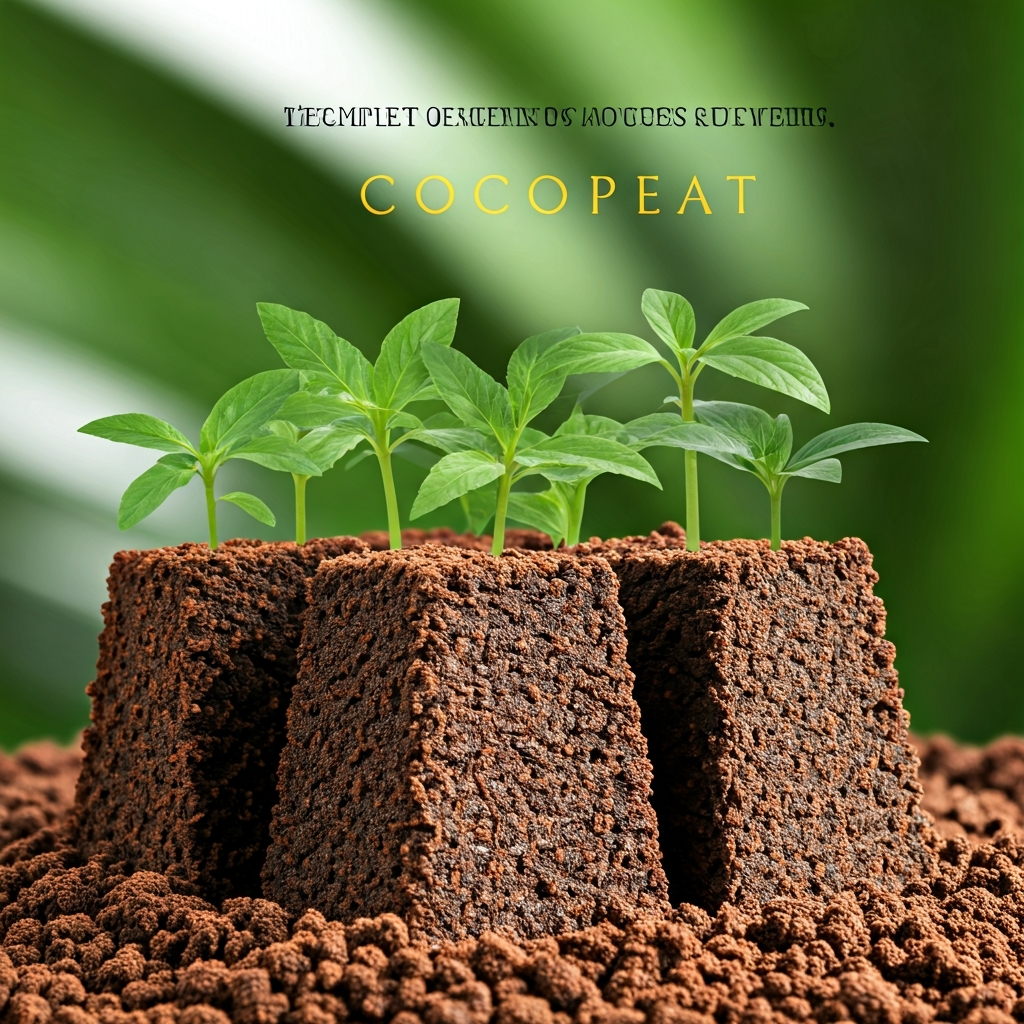
Cocopeat: The Complete Guide to Uses, Benefits, and Growing Healthier Plants
The secret to a thriving garden often lies right beneath the surface, and using Cocopeat is the game-changing secret weapon gardeners are turning to in 2024. If you’ve struggled with poor soil drainage, compacted roots, or inconsistent moisture levels, you’ve found the definitive solution.
This guide provides a comprehensive look at how this remarkable, sustainable growing medium can transform your gardening efforts. We’ll explore everything from its scientific benefits to practical, step-by-step application for healthier, more vibrant plants with less effort.
What Exactly is Cocopeat? (And Why Should You Care?)
Cocopeat is a 100% natural, soilless growing medium made from the pith inside a coconut husk. Once a waste product, this sustainable material is now a cornerstone of modern horticulture. Its sponge-like structure retains immense water while providing excellent root aeration, solving common gardening problems.

The Science Behind Cocopeat’s Superiority
From a technical standpoint, this coco pith boasts a high cation exchange capacity (CEC). This means it can hold onto essential nutrients and release them slowly to the plant roots as needed. It is typically pH-neutral (ranging from 5.5 to 6.8), providing a perfect starting point for a wide variety of plants without the need for immediate pH adjustments, unlike acidic peat moss. This stability makes it an ideal foundation for creating custom potting mixes.
From Waste Product to Wonder Material
The global shift towards sustainability has put Cocopeat in the spotlight. Its production utilizes a byproduct that would otherwise crowd landfills, alongside other useful materials like Tepung Kopra. As a renewable resource, its environmental footprint is significantly lower than that of its main competitor, peat moss, which is harvested from sensitive, centuries-old peat bogs. This makes it a responsible choice for eco-conscious growers.
The 7 Undeniable Benefits of Using Cocopeat
Integrating this growing medium into your gardening practice isn’t just a trend; it’s a strategic move backed by clear advantages. Here are the proven benefits that make it an essential component for any gardener.
1. Incredible Water Retention
This substrate’s primary claim to fame is its phenomenal ability to hold water. It can absorb up to 10 times its own weight, which can reduce your watering frequency by as much as 50%. This creates a consistent moisture environment for roots and provides a buffer against drought or forgetful watering schedules.
2. Superior Aeration and Drainage
Despite its high water retention, Cocopeat remains light and airy. Its fibrous structure prevents compaction, ensuring that roots receive ample oxygen. This is crucial for preventing root rot, a common issue in dense, waterlogged soils. This perfect balance of moisture and air is the key to vigorous root development.
3. Neutral pH Level
With a pH value typically between 5.5 and 6.8, this medium provides a neutral and stable environment for most plants to thrive. This eliminates the guesswork and effort required to amend highly acidic or alkaline soils, allowing nutrients to be more readily available to the plant.
4. Fosters Strong Root Growth
The unique combination of excellent aeration and easy penetrability encourages robust root systems. Roots can grow freely and deeply without fighting against compacted soil, leading to a stronger, healthier, and more resilient plant overall.
5. Berkelanjutan dan Ramah Lingkungan
As a byproduct of the coconut harvest, Cocopeat is a fully renewable resource. Its use helps reduce agricultural waste and provides a sustainable alternative to peat moss, the harvesting of which damages vital peatland ecosystems, according to the IUCN.
6. Naturally Anti-Fungal and Pest-Resistant
This sterile medium possesses natural properties that discourage soil-borne pathogens and common garden pests. Its clean, soilless nature means it is free from the weed seeds and harmful bacteria often found in traditional topsoil.
7. Reusable and Long-Lasting
Unlike other organic mediums that break down quickly, coco coir pith decomposes very slowly. It maintains its excellent physical properties for several years, allowing it to be reused for multiple growing seasons. After a crop cycle, simply rinse it thoroughly and it’s ready for the next batch of plants.
Cocopeat vs. Peat Moss vs. Soil: A Head-to-Head Comparison
Choosing the right growing medium is critical. While traditional soil has its place and peat moss has been a long-time staple, Cocopeat offers a compelling set of advantages. This table breaks down the key differences to help you decide.
| Fitur | Cocopeat | Gambut | Topsoil |
|---|---|---|---|
| Keberlanjutan | Tinggi (Produk sampingan terbarukan) | Low (Non-renewable, bog mining) | Variable (Can cause erosion) |
| Retensi Air | Excellent (Holds 8-10x its weight) | Very High (Can lead to waterlogging) | Variable (Depends on clay content) |
| Tingkat pH | Neutral (5.5 – 6.8) | Acidic (3.5 – 4.5) | Variabel |
| Dapat digunakan kembali | High (Lasts for years) | Low (Compacts over time) | Sedang |
| Wetting | Wets easily when dry | Hydrophobic (Hard to re-wet) | Wets easily |
| Kandungan gizi | Inert (Requires added nutrients) | Very Low (Requires added nutrients) | Contains organic matter/nutrients |

How to Prepare and Use Cocopeat: A Step-by-Step Guide
Most Cocopeat is sold in compressed blocks, which are lightweight and easy to store. Before you can use it, it needs to be rehydrated. Here’s how to do it right.
Step 1: Rehydrating Cocopeat Blocks
- Choose a Container: Place the compressed brick in a large container, like a wheelbarrow or a sturdy plastic tub. Remember, it will expand to 5-7 times its original size.
- Add Water: Slowly pour warm water over the brick. A standard 5kg brick usually requires about 20-25 liters of water. Warm water speeds up the expansion process.
- Let It Soak: Allow the block to soak for 15-30 minutes. You will see it begin to swell and break apart as it absorbs the water.
- Fluff It Up: Once fully expanded, stir and fluff the Cocopeat with your hands or a small garden trowel. You should be left with a light, damp, and airy growing medium, ready for use. Check that there are no dry pockets remaining.
[Video: An embedded YouTube video showing the step-by-step process of hydrating a cocopeat brick and fluffing it up for use.]
Step 2: Common Uses and Mix Ratios
- As a Potting Mix Amendment: To improve moisture retention and aeration in standard potting soil, create a mix of 30-50% Cocopeat with 50-70% soil or compost. This is an excellent all-purpose blend.
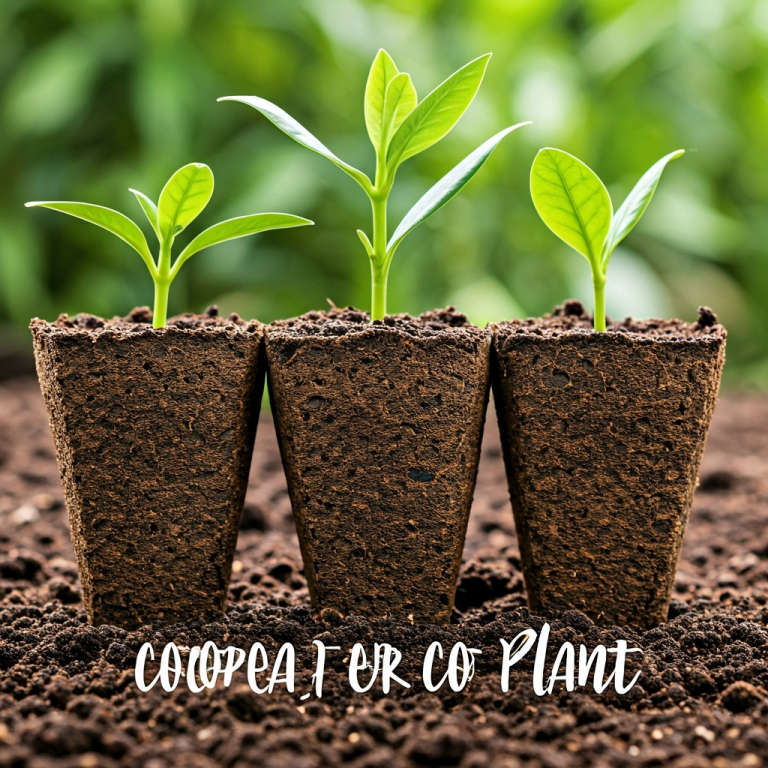
- For Seed Starting: Its fine texture and sterile nature make 100% Cocopeat an ideal medium for germinating seeds. It provides consistent moisture and prevents damping-off disease.
- In Hydroponic Systems: Cocopeat is a top choice for hydroponic setups due to its inertness and water-holding capacity. Research from institutions like the University of Michigan confirms its viability.
- As a Mulch: A layer of this coir pith on top of your garden beds or pots can help retain soil moisture and suppress weeds.

Makmur Amanah Sejahtera menyediakan produk kelapa sawit berkualitas tinggi seperti Mesin Pengekstrak Inti Sawit, Cangkang Inti Sawit, Crude Palm Oil, Palm Kernel Oil, etc. Kindly contact us at WhatsApp +6282140002198 atau kirim email kepada kami di admin@makmuramanah.co.id.
Pertanyaan yang Sering Diajukan Tentang Cocopeat
Apakah sabut kelapa lebih baik daripada tanah?
For container gardening, Cocopeat is often superior. It offers better water retention and aeration than standard soil and is free of pests and weeds. However, it’s an inert medium, so you must provide all nutrients through fertilizers. It is best used as a soilless medium or soil amendment.
How long does Cocopeat last?
Due to its high lignin content, Cocopeat decomposes very slowly and can maintain its structure for up to four years. This makes it a highly reusable and cost-effective medium. Simply rinse it thoroughly between uses to remove old roots and flush out any accumulated mineral salts from fertilizers.
Can you grow vegetables in pure Cocopeat?
Yes, you can grow vegetables in 100% Cocopeat, especially in a hydroponic or controlled container setting. Since it’s an inert medium, you must provide all the plant’s nutrients through a regular feeding schedule with a balanced liquid fertilizer. This ensures your vegetables get everything they need to thrive.
Do you need to add fertilizer to Cocopeat?
Yes. Cocopeat is naturally low in nutrients. It is essential to use a balanced fertilizer from the start. Many growers also recommend a Cal-Mag supplement, like Garam Kalsium dari Asam Lemak Minyak Sawit, to ensure plants get the specific micronutrients needed for robust growth.
What is the difference between Cocopeat and Coco Coir?
“Coco Coir” is the general term for any product from the coconut husk. This includes three main types: Cocopeat (the spongy pith), coco fibers (long strands), and coco chips (small chunks). Therefore, Cocopeat is the most popular and versatile type of Coco Coir used in gardening.
Conclusion: The Future of Your Garden is Cocopeat
In the quest for a greener thumb and a more sustainable planet, Cocopeat emerges as a clear winner. Its unparalleled water management, superior aeration, and eco-friendly credentials make it an indispensable tool for the modern gardener. By replacing or amending traditional soils, you can create the perfect environment for your plants to flourish.

Making the switch is a simple change that yields profound results. Whether you are starting seeds, managing a large container garden, or improving your flowerbeds, incorporating Cocopeat will lead to healthier roots, stronger plants, and a more successful and enjoyable gardening experience in 2024 and beyond.
 Indonesian
  English
  Chinese
  Arabic