
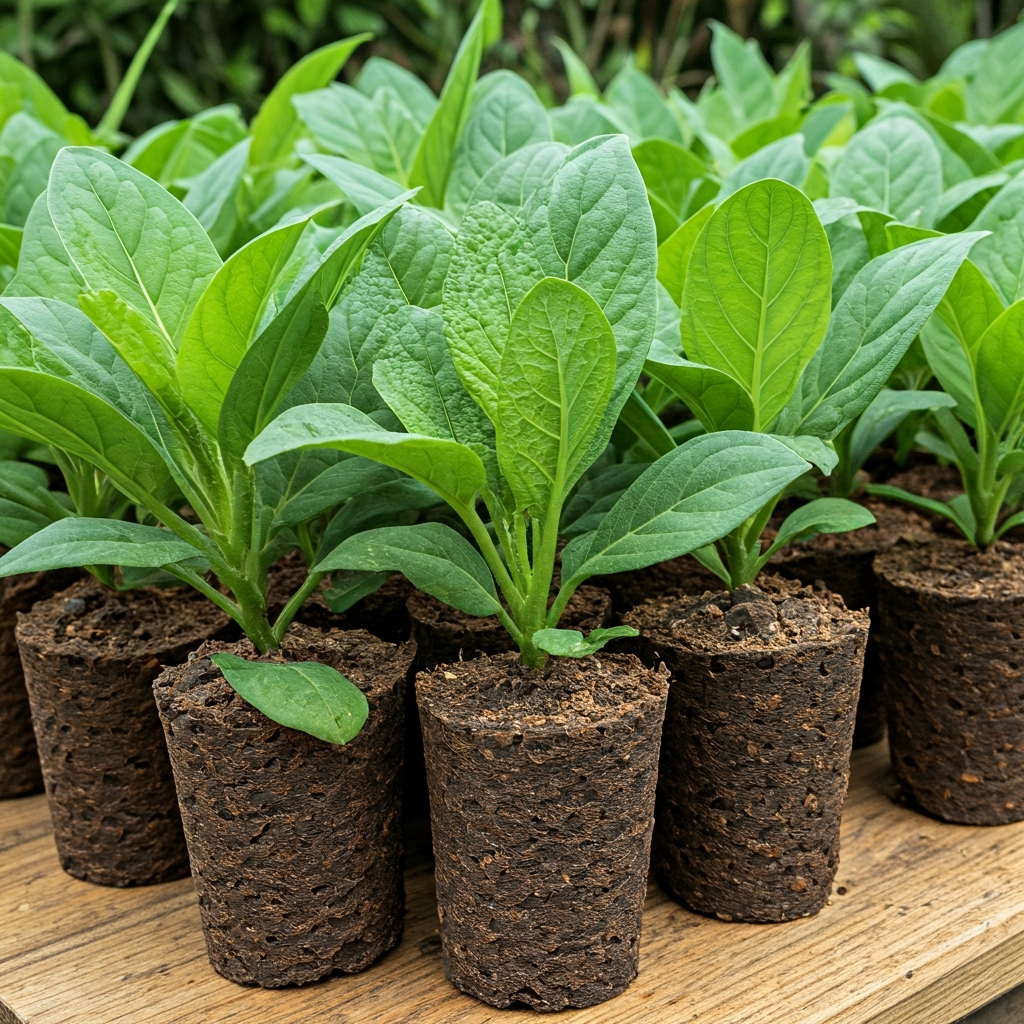
What is Cocopeat? The Ultimate Guide to Healthier Plants
If you’ve browsed any gardening forum or store in 2026, you’ve seen it: cocopeat. Hailed as a sustainable and powerful alternative to traditional soils, this incredible growing medium is revolutionizing how we grow everything from vibrant houseplants to commercial crops.
Many gardeners struggle with poor soil, improper water retention, and the environmental toll of using peat moss. You want thriving, healthy plants, but your growing medium might be holding you back. This guide presents the ultimate solution you’ve been looking for.
According to research from the University of California, soilless media like cocopeat can boost water use efficiency by up to 30%. This article is the single most comprehensive resource you will find, engineered to transform your gardening success by mastering the use of cocopeat.

Compressed and Expanded Cocopeat Medium
What Exactly is Cocopeat? A Deep Dive
Cocopeat is a 100% natural growing medium derived from the fibrous pith found between a coconut’s outer shell and inner kernel. For decades, the coconut industry considered this material a waste product. Today, it’s celebrated as a premier substrate for horticulture, hydroponics, and soil amendment.
Its unique physical properties make it a nearly perfect medium for growing plants. Unlike garden soil, it is lightweight, naturally resistant to pathogens, and provides an ideal balance of water retention and aeration essential for healthy root systems.
From Coconut Husk to Cocopeat: The Manufacturing Process
The journey of cocopeat begins with the mighty coconut. After harvesting the coconut for its valuable oil and flesh, processors do not discard the remaining husk. Instead, it undergoes a meticulous process:
- Aging & Curing: Manufacturers age the husks for several months, allowing them to break down and stabilize.
- Shredding & Sieving: They shred the aged husks into fine particles. Then, they sieve the material to separate the fine dust (pith) from the longer fibers (coir).
- Washing & Rinsing: This is a critical step. The material is thoroughly washed with fresh water to remove excess salts, like sodium and potassium, that are naturally present.
- Buffering (Optional but Recommended): High-quality cocopeat is often “buffered” with calcium nitrate. This process displaces sodium and creates a chemically stable medium ready for nutrient application.
- Drying & Compression: Finally, the processed cocopeat is dried and compressed into blocks, bricks, or discs for easy shipping and storage.
Cocopeat vs. Coco Coir vs. Coco Pith: Clearing the Confusion
Gardeners often use these terms interchangeably, but they refer to different parts of the same material. Think of it like this:
- Coco Coir: This is the umbrella term for all products derived from the coconut husk.
- Cocopeat (or Coco Pith): This is the fine, dust-like, spongy material that holds water exceptionally well. It’s the main component of most gardening blocks.
- Serat Kelapa: These are the longer, stringy fibers that add structure and increase aeration.
- Coco Chips: These are small chunks of the husk that provide excellent drainage and air pockets, similar to bark in orchid mixes.
A high-quality growing mix often contains a blend of all three to achieve the perfect balance. Our premium cocopeat is processed to the highest standards, ensuring a perfect foundation for your plants.
The Top 7 Science-Backed Benefits of Using Cocopeat
Why has this coconut by-product become a horticultural superstar? The advantages are clear, consistent, and backed by agricultural science from institutions like University of New Hampshire Extension.
- Incredible Water Retention: Cocopeat can hold up to 10 times its weight in water. This means you water less frequently, and your plants stay hydrated longer.
- Superior Aeration: Even when fully saturated, the unique structure of cocopeat maintains over 20% air-filled porosity, preventing root rot and ensuring a vital oxygen supply.
- Kisaran pH Ideal: With a naturally neutral to slightly acidic pH (5.5 to 6.8), cocopeat is perfect for the vast majority of plants without requiring pH amendments.
- Sustainable & Renewable: Unlike peat moss, which is harvested from ancient, non-renewable bogs, cocopeat is a byproduct of the massive global coconut industry, making it an eco-friendly choice.
- Pathogen and Weed-Free: The processing of cocopeat ensures it is sterile. It is free from the soil-borne diseases, pests, and weed seeds that often plague garden soil.
- Reusable for Multiple Seasons: With proper care, high-quality cocopeat can be rinsed and reused for 2-3 growing cycles, providing excellent long-term value.
- Promotes Strong Root Growth: The light, airy texture allows plant roots to grow freely and vigorously, creating a stronger, more resilient plant.

Healthy Plant Roots in Cocopeat Medium
How to Prepare and Use Cocopeat Like a Pro
Using cocopeat is simple, but following the correct preparation steps is key to unlocking its full potential. Skipping these steps can lead to nutrient deficiencies and stunted growth.
Step 1: Rehydrating Your Cocopeat Block
Your cocopeat will likely arrive as a tightly compressed brick. To use it, you first need to rehydrate it.
- Place the brick in a large container, wheelbarrow, or tub.
- Add the amount of warm water specified by the manufacturer (it’s usually several gallons).
- Allow the brick to sit for 20-30 minutes. Watch as it expands dramatically into a fluffy, soil-like material. Break it apart with your hands or a trowel to ensure all parts are evenly moist.
[Video Suggestion: Embed a short, 60-second YouTube video here demonstrating the rehydration process. Title: “How to Rehydrate a Cocopeat Brick in 60 Seconds.”]
Step 2: Buffering Cocopeat (The Non-Negotiable Step)
This is the most critical and often-skipped step. Coconut husks are naturally high in sodium and potassium. While washing removes some, buffering is what makes the medium stable. Unbuffered cocopeat will “steal” calcium and magnesium from your fertilizers to satisfy its own cation exchange sites, effectively starving your plants.
To buffer, soak the rehydrated cocopeat in a solution of Calcium Nitrate and Magnesium Sulfate (Cal-Mag) for 8-12 hours, then rinse thoroughly. Many high-quality brands sell pre-buffered cocopeat, which is ready to use after rehydration.
Step 3: Creating the Perfect Cocopeat-Based Potting Mix
While pure cocopeat is excellent for hydroponics, for container gardening, it’s best to create a mix. The classic, foolproof recipe is:
- 5 parts Cocopeat: For water retention and bulk.
- 3 parts Perlite or Pumice: For increased aeration and drainage.
- 2 parts Worm Castings or Compost: To introduce beneficial microbes and a slow-release source of nutrients.
This creates a balanced, long-lasting potting mix suitable for almost any container plant. This mix is far superior to many byproducts from the palm oil industry, like Mesin Pengekstrak Inti Sawit atau Tepung Kopra, which are primarily used for animal feed, not as a primary growing substrate.
Cocopeat vs. Traditional Growing Media: A Head-to-Head Comparison
How does cocopeat stack up against other popular options? This table breaks it down, providing a clear comparison based on key horticultural metrics.
| Fitur | Cocopeat | Gambut | Tanah Kebun |
|---|---|---|---|
| Keberlanjutan | Highly Sustainable (Renewable byproduct) | Non-Renewable (Harvested from bogs) | Varies (Can be depleted) |
| Retensi Air | Bagus sekali | Very High (Can become hydrophobic when dry) | Variable (Often compacts) |
| Tingkat pH | Neutral (5.5-6.8) | Acidic (3.5-4.5) | Variabel |
| Dapat digunakan kembali | Yes (2-3 cycles) | No (Breaks down quickly) | Yes (Requires amendment) |
| Pathogens/Weeds | Inert and Sterile | Generally Sterile | Often contains pathogens/weeds |
As demonstrated by a comprehensive study in the journal Horticulturae, coconut coir-based substrates consistently perform on par with or better than peat moss. Some growers even use it to cultivate plants in challenging conditions, amending it with materials like Cangkang Inti Sawit for added structure.

The Sustainable Lifecycle of Cocopeat Infographic
Kesalahan Umum yang Harus Dihindari Saat Menggunakan Cocopeat
While fantastic, cocopeat is not foolproof. Avoiding these common pitfalls is essential for your success.
- Not Buffering: As mentioned, this is the #1 mistake. It leads to calcium and magnesium deficiencies, which show up as yellowing leaves and stunted growth.
- Over-watering: Because it holds so much water, it is easy to over-water. Always check the top 2 inches of the medium; if it’s dry, then you can water.
- Using it Without Amendments: For most container plants, pure cocopeat is too dense and lacks sufficient aeration. Always add perlite or a similar material to improve drainage.
- Forgetting to Fertilize: Cocopeat is an inert medium, meaning it contains almost no nutrients. You must provide 100% of your plant’s nutritional needs with a quality liquid fertilizer from day one.
Makmur Amanah Sejahtera provides high-quality palm products such as Palm Kernel Expeller, Palm Kernel Shell, Crude Palm Oil, Palm Kernel Oil, and more. For premium agricultural commodities, kindly contact us at WhatsApp +6282140002198 atau kirim email kepada kami di admin@makmuramanah.co.id.
Frequently Asked Questions About Cocopeat (FAQ)
Is cocopeat better than soil?
For container gardening, cocopeat is often superior. It offers better aeration and water control and is free of the pests and diseases found in typical garden soil. For in-ground gardens, it serves as an excellent amendment to improve the structure of heavy clay or sandy soil.
Seberapa sering saya harus menyiram tanaman di media cocopeat?
Less often than you might think. A plant in a cocopeat mix may only need watering every 5-10 days, depending on the pot size, plant type, and environment. Always check the moisture level with your finger before watering to avoid root rot.
Can you reuse cocopeat?
Absolutely. High-quality cocopeat can be reused for several growing cycles. After harvesting, simply shake out the old roots, rinse the cocopeat thoroughly to flush out fertilizer salts, and it’s ready to be used again. This makes it a very economical choice for gardeners.
Apakah cocopeat mengandung nutrisi?
No, cocopeat is an inert medium with no significant nutritional value. This is a benefit, as it gives you complete control over your plant’s nutrition. You must implement a feeding schedule with a balanced liquid fertilizer right from the start for healthy growth.
Why is my cocopeat growing mold?
A white, fuzzy mold on the surface is usually a harmless saprophytic fungus that thrives in moist, organic environments. It often indicates over-watering or poor air circulation. Scrape it off, reduce watering frequency, and ensure the area has better airflow. It is not harmful to the plant.
Your Partner in Sustainable Gardening Success
In conclusion, the question “What is cocopeat?” reveals a world of opportunity. It is an eco-friendly, highly effective, and versatile growing medium that solves many problems associated with traditional soils and peat moss. From its superior water retention to its ideal pH, cocopeat provides the perfect foundation for vigorous root development and healthier plants.
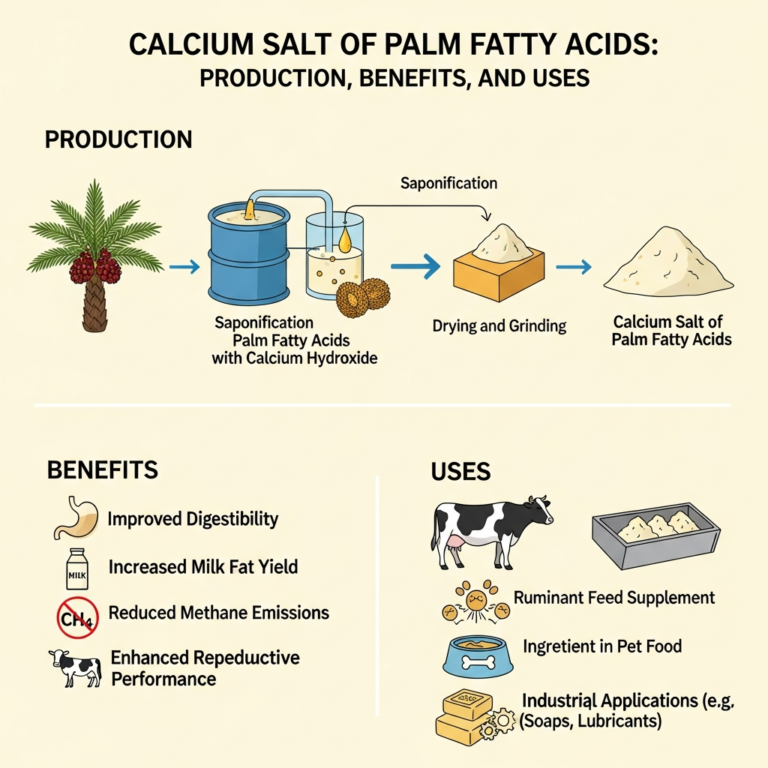
By understanding how to properly prepare and use it—especially the crucial buffering step—you can elevate your gardening to a professional level. Whether you are a hobbyist or a commercial grower, integrating cocopeat is a definitive step toward sustainable and successful horticulture in 2026. For the highest quality growing media, explore our offerings, including our premium Cocopeat Dan Garam Kalsium dari Asam Lemak Minyak Sawit.

Gardener Using Cocopeat Potting Mix
 Indonesian
  English
  Chinese
  Arabic