
GACC Approved PKE: Your Definitive 2026 Guide to China’s Market
Getting your GACC Approved PKE status is non-negotiable for accessing China’s lucrative animal feed market. Many exporters face confusing regulations and costly rejections, jeopardizing entire shipments. This definitive 2026 guide provides the expert roadmap to navigate China’s feed registration requirements and secure your approval seamlessly, making the GACC certification for PKE a critical milestone.
Introduction to GACC and PKE Exports
China remains the world’s largest consumer of animal feed, making it a critical market for Palm Kernel Expeller (PKE) producers. The regulatory landscape, however, is stringent and governed by the General Administration of Customs of China (GACC). Since the 2018 restructuring that absorbed the former AQSIQ, GACC has become the sole gatekeeper for all imported feed ingredients. For any exporter, achieving the GACC Approved PKE status is fundamental.
According to trade analysis from industry leaders like FeedNavigator, non-compliance with GACC protocols is the leading cause of import detentions, costing exporters millions annually. Understanding these complex rules isn’t just about compliance; it’s a core business strategy. This is essential for any company serious about exporting agricultural commodities like high-quality Mesin Pengekstrak Inti Sawit to China.

What is GACC and Why is It Crucial for PKE Exports?
GACC is the comprehensive authority managing all import-export commodity inspection, quarantine, and registration for the People’s Republic of China. For animal feed ingredients, its approval is a mandatory prerequisite for legal entry. Without it, customs will deny your product access, as it won’t be considered GACC Approved PKE.
From AQSIQ to GACC: A Critical Shift
Previously, the Administration of Quality Supervision, Inspection and Quarantine (AQSIQ) handled this role. In 2018, GACC absorbed AQSIQ’s responsibilities, creating a more centralized and powerful regulatory body. This consolidation aimed to streamline processes but also intensified scrutiny. Any PKE producer with a legacy AQSIQ license must ensure their registration is updated and fully compliant with current GACC decrees, a nuance often missed by inexperienced exporters.
The Alarming Economic Impact of Non-Compliance
The financial risks of failing to secure GACC approval are severe. A single rejected shipment can lead to devastating losses from demurrage fees, return freight costs, or forced destruction of the product. Furthermore, a compliance failure can result in the blacklisting of the manufacturing facility, effectively barring future market access. The path to becoming a trusted supplier begins and ends with achieving GACC Approved PKE status, which is the cornerstone of a sustainable export business.
The Core Requirements for GACC Approved PKE
Securing GACC approval involves a multi-faceted approach focusing on the facility, the product, and its presentation. China’s feed regulations are detailed in various official decrees, with frequent updates posted on the GACC official portal.
Facility Registration and Overseas Audits
First, the overseas production facility must register with GACC. This process involves submitting extensive documentation about the plant’s quality management systems, production processes, and quarantine controls.
GACC reserves the right to conduct remote video inspections or even on-site physical audits to verify compliance. They assess everything from raw material sourcing to the handling of finished products, ensuring a contamination-free environment for every potential shipment of GACC Approved PKE.

Key Documents for Your Application Dossier
Each feed ingredient, including PKE, must be registered individually. This requires a detailed product dossier containing specific and accurately translated documents. Submitting a complete and robust dossier is a vital part of obtaining your GACC Approved PKE license.
- Product composition and analysis reports.
- Manufacturing process flowcharts.
- Certificates of analysis (COA) for key parameters.
- Evidence of use and safety in the country of origin.
- Scientific studies, like this research on PKE in animal nutrition, can significantly strengthen the application.
Navigating the 2026 Labeling and Packaging Standards for GACC Approved PKE
GACC has strict labeling requirements that you must meet precisely. All labels must be in simplified Chinese and include the product name, composition, net weight, production date, shelf life, and the GACC registration number of the manufacturing facility.
Any deviation can lead to customs holds. It’s also important to differentiate packaging requirements for feed from those of other products like Cangkang Inti Sawit, which is primarily used for biomass and has different labeling needs.

A Step-by-Step Guide to the GACC Registration Process
Navigating the China feed registration can be daunting. Here is a simplified, step-by-step plan to guide you toward becoming a provider of GACC Approved PKE.
- Engage a Professional Agent: Appoint a qualified, China-based agent. GACC requires a local representative to handle communication and submissions.
- Initial Self-Assessment: Conduct a gap analysis of your facility and documentation against GACC’s “Administrative Measures on Registration of Overseas Manufacturers of Imported Foods.”
- Prepare the Application Dossier: Compile all required documents, including business licenses, quality control manuals, HACCP plans, and product-specific information. Ensure all documents are accurately translated into Chinese.
- Online System Submission: Your agent will submit the application through GACC’s online registration system. This is a critical step in how to get GACC approval for PKE.
- GACC Technical Review: GACC experts will review the submitted dossier. They may request additional information or clarification. This stage can take several months.
- Video or On-Site Audit: If required, prepare for a thorough inspection of your production facilities. A successful audit is crucial for final approval.
- Persetujuan dan Pencatatan: Upon successful review and audit, GACC will issue a registration number and list your facility on its official database of approved exporters. You can now legally export GACC Approved PKE to China.
- Maintain Compliance: Registration is not a one-time event. You must submit annual reports and apply for renewal every five years to maintain your status.
Common Pitfalls and How to Avoid Them
Many companies stumble during the GACC registration process for PKE. Here are common mistakes to avoid to ensure your application for GACC Approved PKE is successful:
- Incomplete or Inaccurate Translations: Poor translations of technical documents are a major red flag for GACC. Invest in professional, certified translation services.
- Using an Unqualified Agent: The choice of agent is critical. A bad agent can lead to years of delays and failed attempts at securing your GACC Approved PKE license.
- Mismatching Information: Ensure the company name and address are identical across all documents—business licenses, quality certificates, and the application form.
- Ignoring Follow-Up Requests: GACC often asks for supplementary documents. A slow or incomplete response can halt the entire process.
- Poor Audit Preparation: Failing to prepare staff and facilities for a GACC audit can result in immediate failure. Conduct mock audits internally.

GACC Approved PKE vs. Non-Approved: A Critical Comparison
The difference between having GACC approval and not is the difference between market access and market exclusion. This table highlights the stark contrast in GACC requirements for palm kernel expeller.
| Fitur | GACC Approved PKE | Non-Approved PKE |
|---|---|---|
| Market Access | Unrestricted access to all ports in China. | Shipment will be rejected at customs. |
| Customs Clearance | Streamlined and predictable process. | Subject to detention, testing, and likely rejection or destruction. |
| Brand Reputation | Recognized as a trusted, high-quality supplier of GACC Approved PKE. | Perceived as high-risk and unreliable. |
| Financial Outcome | Stable revenue and long-term partnerships. | Risk of total loss on shipments and potential fines. |
| Legal Status | Fully compliant with WTO-recognized Chinese import laws. | Illegal to import into China. |
Maintaining Your GACC Approved PKE Registration
Gaining approval is only half the battle. Maintaining it requires ongoing diligence and a proactive approach to compliance. Your status as a supplier of GACC Approved PKE depends on it.
Annual Reports and Timely Renewals
GACC requires registered facilities to submit an annual report confirming their continued compliance. Furthermore, the registration is valid for five years. The renewal application must be submitted well in advance of the expiration date to avoid a lapse in approval. Missing these deadlines can force you to restart the entire registration process.
Managing Changes in Production or Ingredients
You must notify GACC if you make any significant changes to your production process, facility location, or even the formulation of related products like Garam Kalsium dari Asam Lemak Minyak Sawit. Failure to report such changes can invalidate your existing registration.
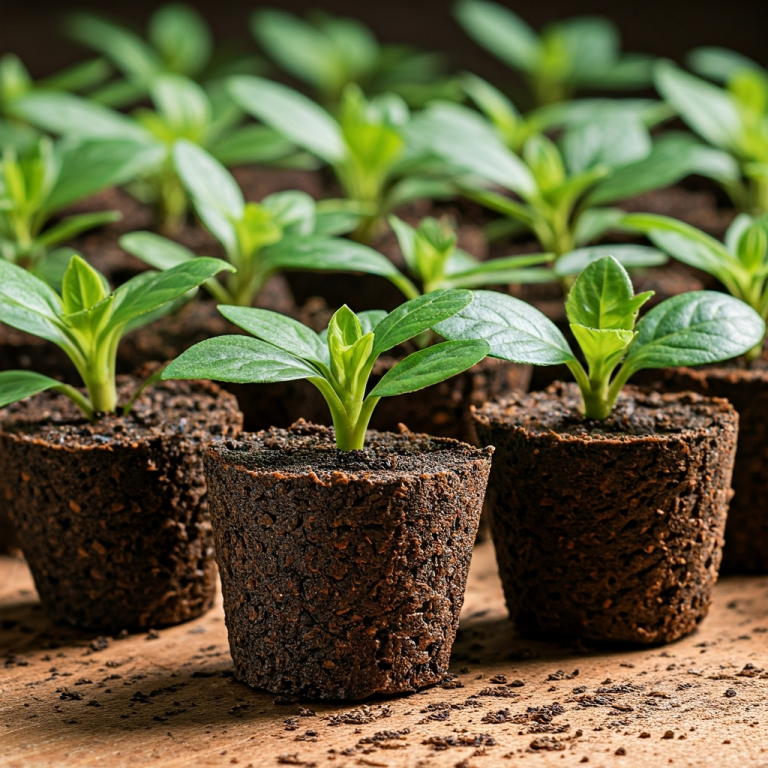
This oversight could put your status as a trusted supplier of GACC Approved PKE at risk. While PKE is for animal feed, remember other agricultural exports like Cocopeat have their own distinct import protocols which must be followed separately.
Pertanyaan yang Sering Diajukan (FAQ)
How long does the GACC approval process for PKE take?
The timeline can vary significantly based on the applicant’s preparedness and GACC’s current workload. Typically, the process to get GACC Approved PKE takes anywhere from 12 to 24 months from submission to final approval. Delays are common if the submitted dossier is incomplete.
What are the main documents required for GACC registration?
Key documents include your company’s business license, a HACCP or ISO22000 certificate, production process flowcharts, facility floor plans, a raw materials list, and detailed product analysis reports. All documents must be officially translated into Simplified Chinese for the submission to be successful.
Can I export other feed products like Copra Meal under the same registration?
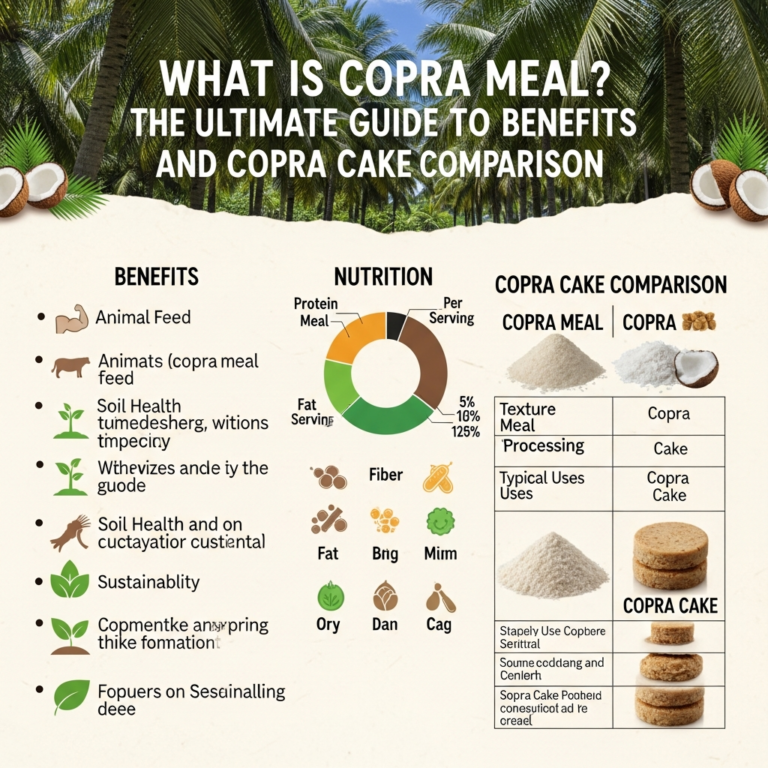
No, each feed ingredient category requires a separate registration. While the facility registration is singular, you must submit individual product applications for distinct ingredients like Tepung Kopra. GACC evaluates the safety and production process for each product independently.
What happens if a shipment of PKE is rejected by Chinese customs?
If a shipment is rejected for not having GACC Approved PKE status, customs typically gives the importer two options: return the shipment to its origin country or destroy it. Both options are extremely costly and damage the exporter’s reputation in the Chinese market.
Is a local agent in China required for GACC registration?
Yes, GACC regulations require all overseas facilities to appoint a permanent, registered agent within China to act as their legal representative. This agent is responsible for submitting the application, communicating with GACC, and handling any issues that arise during and after the registration.
Conclusion: Your Key to the China Market
The path to China’s animal feed market is paved with strict regulations, but it is entirely navigable with the right knowledge and preparation. By understanding the core requirements, following a clear step-by-step process, and avoiding common pitfalls, you can successfully achieve and maintain your registration.
Securing your status as a provider of GACC Approved PKE is not just a compliance checkbox; it is the essential key to unlocking long-term, profitable trade with one of the world’s most vital economies. For expert assistance and a reliable supply, partnering with an experienced producer is paramount. This internal link to an article about our GACC Approved PKE provides more details on our certified products.
 Indonesian
  English
  Chinese
  Arabic