
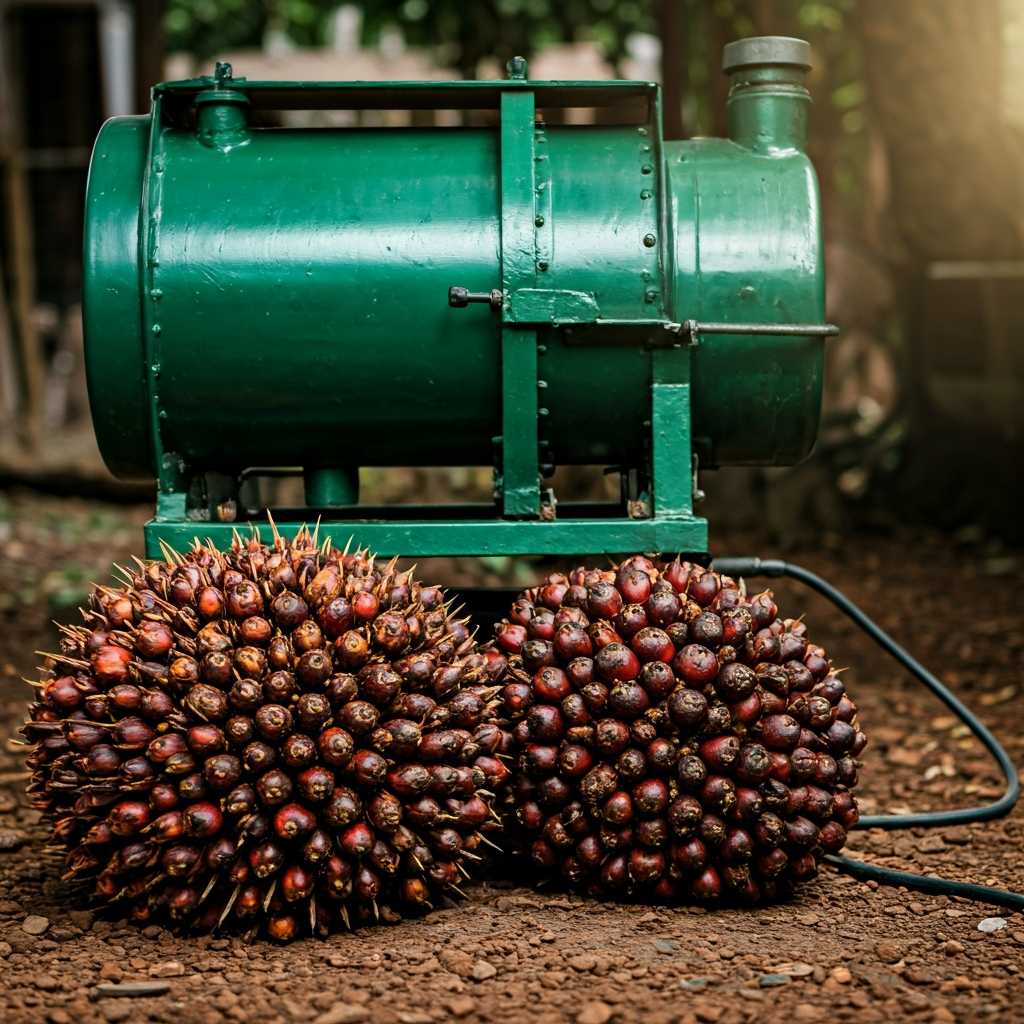
Palm Kernel Expeller: The #1 Complete Guide for 2026
Itu Mesin Pengekstrak Inti Sawit is a powerhouse ingredient revolutionizing the animal feed industry, yet many farmers are still unaware of its full potential. As feed costs continue to climb, finding sustainable, high-energy, and cost-effective alternatives is no longer an option—it’s a necessity for survival.
This guide provides the definitive resource on PKE, unlocking its benefits for your operation. We will explore everything from its precise nutritional specifications to its incredible impact on livestock performance and your bottom line.
Apa Sebenarnya yang Dimaksud dengan Palm Kernel Expeller (PKE)?
Palm Kernel Expeller (PKE) is a high-quality feed ingredient derived as a by-product from the mechanical extraction of oil from the kernel of the palm fruit. After the palm fruit is harvested for its oil, the remaining seed or kernel is crushed to extract Palm Kernel Oil. The fibrous, protein-rich solid material left behind is the Palm Kernel Expeller.
It is a globally recognized commodity, valued for its balanced energy and protein content, making it a vital component in feed formulations for ruminants and other livestock.
From Palm Fruit to Powerful Feed: The Extraction Process
The journey to creating PKE is a testament to sustainable resource utilization. The process is straightforward yet requires precision to maintain nutritional quality.
- Panen: Ripe palm fruit bunches are harvested and transported to the mill.
- Sterilization & Threshing: Buah disterilkan dengan uap untuk menghentikan aktivitas enzim, kemudian dipisahkan dari tandannya.
- Ekstraksi Minyak: The flesh of the fruit is pressed to extract Crude Palm Oil (CPO).
- Memecahkan Kacang: The remaining palm nut is cracked to separate the kernel from its hard shell. This shell itself is a useful biofuel, and you can learn more about Cangkang Inti Sawit as a resource.
- Penghancuran Biji: The kernels are crushed and put through a screw press in a process called mechanical extraction. This expels the valuable Palm Kernel Oil.
- Hasilnya: The solid, nutrient-dense cake that remains is the final Mesin Pengekstrak Inti Sawit, which is then processed into a consistent meal for animal feed.
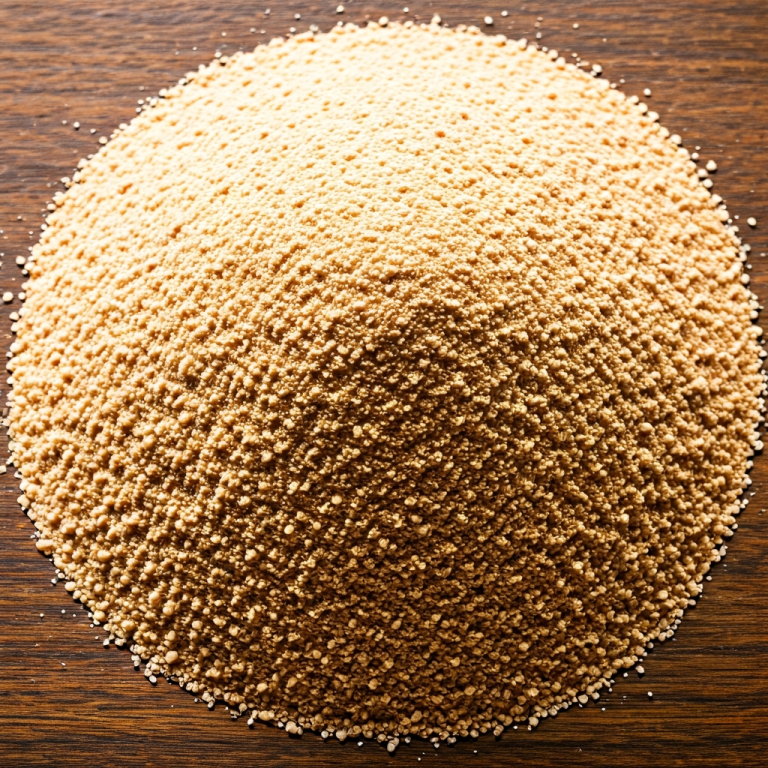
[Image: A close-up, textured shot of golden-brown Palm Kernel Expeller, highlighting its fibrous consistency. Title: High-Quality Palm Kernel Expeller. Alt Text: A detailed view of Palm Kernel Expeller, a key animal feed ingredient.]
PKE vs. Palm Kernel Meal (PKM): A Critical Distinction
While often used interchangeably, PKE and Palm Kernel Meal (PKM) can differ based on the oil extraction method. PKE is the result of mechanical pressing (expeller pressing), which typically leaves a residual oil content of 5-12%.
In contrast, PKM may refer to product that has undergone solvent extraction, resulting in a lower fat content (1-5%) and a higher protein concentration. For high-energy ruminant feed, the higher fat content in Mesin Pengekstrak Inti Sawit is often preferred.
Unlocking Nutritional Power: Palm Kernel Expeller Specifications
The true value of Palm Kernel Expeller lies in its dense nutritional profile. It is an excellent source of crude protein, crude fiber, and essential minerals. These specifications make it a formidable competitor to other feed ingredients like soybean meal and copra meal.
While PKE is a unique product, understanding its profile against alternatives like Tepung Kopra helps in creating the most effective feed rations.
Core Macronutrient Profile: Protein, Fiber, and Fat
A typical analysis of PKE reveals a balanced composition that is particularly beneficial for ruminants. The high fiber content supports healthy digestion, while the protein and fat provide the building blocks for growth and milk production.
Menurut industry publication FeedNavigator, its composition makes it a safe and palatable option for cattle.
Typical PKE Specification vs. Soybean Meal
| Gizi | Mesin Pengekstrak Inti Sawit (PKE) | Soybean Meal (SBM) |
|---|---|---|
| Protein Kasar | 14-18% | 44-48% |
| Serat Kasar | 16-18% | 5-7% |
| Crude Fat/Oil | 8-12% | 1-2% |
| Energi yang Dapat Dimetabolisme (Hewan Ruminansia) | ~11.5 MJ/kg | ~12,5 MJ/kg |
[Image: An infographic illustrating the process from palm fruit to Palm Kernel Expeller, showing the different stages and resulting products like CPO, PKO, and PKE. Title: From Palm Fruit to Animal Feed. Alt Text: An infographic detailing the production of Palm Kernel Expeller for animal feed.]
[Video Suggestion: Embed a short video titled “How Palm Kernel Expeller is Made” showing the mechanical crushing process and the final product.]
The Economic & Performance Benefits of Palm Kernel Expeller in Feed
Incorporating PKE into feed rations is not just a nutritional choice; it’s a strategic financial decision. Its competitive pricing and high availability offer a buffer against the volatile prices of other commodities.
Significant Cost Reduction for Farmers
The primary driver for PKE adoption is economics. It is consistently priced more attractively than soybean meal or corn, allowing farmers to reduce the cost per ton of finished feed without compromising energy content. This directly translates to improved profitability for dairy, beef, and other livestock operations.
Boosting Ruminant Health and Productivity
Research from institutions like the Pusat Informasi Bioteknologi Nasional (NCBI) highlights the benefits of PKE for ruminants. Key advantages include:
- Increased Milk Fat: The high C16:0 (palmitic acid) content in PKE’s residual oil can increase milk fat percentage in dairy cows.
- Improved Rumen Function: Its high fiber content promotes healthy rumen fermentation and digestion.
- Sustained Energy Release: The combination of fiber and fat provides a slow, sustained release of energy, which is ideal for productive animals.
Furthermore, for high-yielding dairy cows, supplementing with specialized fats such as Garam Kalsium dari Asam Lemak Minyak Sawit can further enhance lactation performance and energy balance.
Key Uses of Palm Kernel Expeller Across Industries
The versatility of Palm Kernel Expeller makes it a valuable commodity in several sectors, though its primary application remains in animal nutrition. Its unique properties are best suited for specific types of livestock.
A Staple in Dairy and Beef Cattle Rations
For ruminants, PKE is an almost perfect feed ingredient. Dairy farmers use it to maintain milk production and fat content, especially during periods of high feed costs. In beef cattle feedlot operations, it serves as an excellent source of fiber and energy to support healthy weight gain. It is often included in Total Mixed Rations (TMR) at rates of 15-30%.
Feed for Sheep, Goats, and Poultry
While ideal for cattle, PKE is also used in rations for other ruminants like sheep and goats. Its use in monogastric animals like poultry is more limited due to its high fiber content.
However, advancements in feed enzyme technology are allowing for higher inclusion rates in chicken and pig diets, unlocking its potential for a broader range of animals.
[Image: A healthy herd of dairy cows eating a mixed ration containing Palm Kernel Expeller from a feed trough. Title: Dairy Cows Thriving on PKE-Enriched Feed. Alt Text: A herd of dairy cows benefiting from a diet including Palm Kernel Expeller.]
2026 Pricing & Market Trends for Palm Kernel Expeller
Understanding the market is crucial for leveraging PKE effectively. As a globally traded commodity, its price is influenced by several interconnected factors. For 2026, the demand for sustainable and cost-effective feed ingredients is expected to keep PKE in the spotlight.
Factors Influencing Palm Kernel Expeller Prices
- Produksi Minyak Sawit: The supply of PKE is directly linked to the production of palm oil.
- Permintaan Pakan Global: The price of competing ingredients like soybean meal and corn significantly impacts PKE’s value proposition.
- Freight and Logistics Costs: As a bulk commodity, shipping costs play a major role in the final landed price.
- Kebijakan Pemerintah: Import/export tariffs and biofuel mandates can shift supply and demand dynamics.
How to Secure a Reliable PKE Supply
For large-scale operations, securing a consistent, high-quality supply is paramount. Partnering with a reputable, vertically integrated supplier is the best strategy. A good supplier can guarantee quality control from the mill to your farm, ensuring you receive a product with the right nutritional specifications.
To secure your supply, explore options from trusted providers of Mesin Pengekstrak Inti Sawit.
Makmur Amanah Sejahtera Menyediakan produk-produk kelapa sawit berkualitas tinggi seperti bungkil inti kelapa sawit, cangkang inti kelapa sawit, minyak kelapa sawit mentah, minyak inti kelapa sawit, dll. Silakan hubungi kami di WhatsApp +6282140002198 atau kirim email kepada kami di admin@makmuramanah.co.id.
Pertanyaan yang Sering Diajukan (FAQ)
1. Is Palm Kernel Expeller good for cattle?
Absolutely. PKE is an excellent feed for cattle, both dairy and beef. Its high fiber supports rumen health, while its balanced energy and protein profile helps maintain milk production and supports healthy growth, making it a valuable feed component.
2. What is the main difference between PKE and soybean meal?
The main differences are protein and fiber. Soybean meal is much higher in protein (44-48%) but lower in fiber. PKE has lower protein (14-18%) but is much higher in fiber (16-18%), making it particularly suitable for ruminants that require high fiber diets.
3. Can you use Palm Kernel Expeller for chickens?
Traditionally, PKE use in poultry diets has been limited due to high fiber. However, with modern feed enzymes that help break down fiber, higher inclusion rates are becoming more common and economically viable, especially for layer hens.
4. How much Palm Kernel Expeller can I include in my feed?
For dairy and beef cattle, inclusion rates of 15-30% of the total ration are common. For sheep and goats, a rate of 10-20% is typical. For monogastric animals like poultry, rates are lower, usually 5-10%, depending on the use of feed enzymes.
5. Where does most Palm Kernel Expeller come from?
The vast majority of the world’s PKE is produced in Indonesia and Malaysia. These two countries are the largest producers of palm oil globally, and PKE is a key co-product, as documented by organizations like the Food and Agriculture Organization.
Conclusion: The Smart Choice for 2026 and Beyond
In a world of volatile commodity markets and increasing pressure on agricultural profitability, Palm Kernel Expeller stands out as a smart, sustainable, and powerful tool. Its unique nutritional profile offers a cost-effective way to boost animal performance, particularly in ruminants.
Its consistent availability provides a reliable foundation for any feed program. By understanding its benefits and integrating it wisely, you can unlock a significant competitive advantage. As you plan your feed strategy for the coming years, making Mesin Pengekstrak Inti Sawit a cornerstone of your ration is a decision that supports both your animals and your bottom line.
 Indonesian
  English
  Chinese
  Arabic