

Copra Meal: The #1 Ultimate Guide for Livestock (2026)
Tepung Kopra is a game-changing, cost-effective feed ingredient that savvy livestock operators are using to gain a competitive edge. In a world of volatile feed prices, finding a reliable, nutritious, and affordable alternative to traditional protein sources like soybean meal is not just an advantage—it’s essential for survival and profitability.
For too long, many farmers have overlooked this powerful coconut-derived resource. This guide unlocks its full potential, providing a comprehensive roadmap to integrating it into your feeding strategy for superior animal performance and a healthier bottom line. According to a 2023 study in the Journal of Animal Science, rations including this coconut byproduct can reduce overall feed costs by up to 15% without compromising animal health.
[Image: A close-up shot of light-brown, crumbly copra meal in a large pile, showing its texture. Title: High-Quality Copra Meal for Livestock. Alt: A pile of fresh Copra Meal, a key ingredient in animal nutrition.]
What Exactly is Copra Meal? A Foundational Guide
For those new to this ingredient, the first question is often the most basic. Copra meal, also known as coconut meal or copra cake, is the byproduct that remains after the extraction of oil from copra (the dried kernel of the coconut). It stands as a highly palatable and valuable protein source for various types of livestock.
Understanding its origin is key to appreciating its value. This isn’t a synthetic product; it’s a natural result of the coconut oil industry. This makes it a sustainable choice for feed formulators. Its unique properties make it particularly effective in certain types of animal diets.
From Coconut to Copra: The Production Process
The journey from a fresh coconut to nutritious animal feed involves several key steps that ensure quality and nutrient preservation.
- Harvesting & De-husking: Ripe coconuts are harvested and the outer husk is removed, leaving the hard, brown shell.
- Splitting & Drying: The shells are split, and the white kernel (meat) is dried. This drying process, which can be done by sun-drying or kiln-drying, creates the “copra.” Proper drying is critical to prevent mold and mycotoxin formation.
- Ekstraksi Minyak: The dried copra is then processed to extract coconut oil, a valuable commodity in its own right. This is the most crucial step that produces the meal.
[Video Suggestion: An embedded YouTube video showing the copra meal production process, from coconut harvesting to the final meal product. Title: From Coconut to Feed: How Copra Meal is Made.]
The Two Main Types: Expeller vs. Solvent-Extracted
The method of oil extraction directly impacts the nutritional composition of the final product. The industry primarily uses two methods.
First, the most common method is ekstraksi mekanis, which uses a screw press (expeller) to squeeze the oil out. The resulting “copra expeller meal” typically has a residual oil content of 6-12%. This higher percentage adds to its overall energy value.
Alternatively, ekstraksi pelarut uses a chemical solvent (like hexane) to remove the oil. This method is more efficient, leaving a residual oil content of only 1-3%. While lower in fat and energy, solvent-extracted copra meal is higher in protein percentage. For a reliable source, you can explore high-quality Tepung Kopra from trusted suppliers.
Nutritional Profile of Copra Meal: A Deep Dive
The true power of this ingredient lies in its unique nutritional makeup. While variable depending on the oil extraction method and quality of the coconut, it provides a solid foundation of protein, fiber, and energy.
Furthermore, the meal contains a favorable profile of amino acids, particularly arginine and glutamic acid. Understanding these components is essential for accurately formulating rations and maximizing animal performance. This detailed knowledge separates amateur formulators from expert nutritionists.
Macronutrient Breakdown: Protein, Fiber, and Fat
On average, copra meal offers a crude protein content of 20-22%, making it a valuable mid-range protein source. Its fiber content is notable, typically ranging from 10-14%. This can be highly beneficial for ruminant animals by supporting healthy gut function.
The residual oil (fat) content, a key energy source, varies significantly based on production. Expeller-pressed meal is higher in energy. This can be advantageous for finishing animals or those with high energy demands, like lactating dairy cows.
Key Amino Acids and Their Importance
While not as high in lysine and methionine as soybean meal, this ingredient provides a good balance of other essential amino acids. Its high concentration of arginine, for example, supports immune function and circulatory health.
To create a complete diet, formulators often blend it with other alternative protein sources. This complements its amino acid profile, ensuring animals receive a full spectrum of required nutrients for optimal growth and health.
7 Manfaat Tepung Kelapa yang Terbukti untuk Ternak
Integrating copra meal into livestock diets is not just about cutting costs; it’s about unlocking a range of performance and health benefits. Here are seven proven advantages observed by industry professionals and supported by research.
- Enhanced Ruminant Digestion: The high fiber content, particularly the Non-Starch Polysaccharides (NSPs), is highly digestible for ruminants, promoting a healthy rumen environment.
- Cost-Effective Protein Source: It is often more affordable than soybean meal or fish meal, allowing for significant reductions in overall feed expenditure.
- Improved Milk Production & Fat Content: In dairy cattle, the bypass protein and energy from the residual oil can lead to an increase in both milk volume and milk fat percentage.
- Better Growth Rates in Swine: When used at appropriate inclusion levels, it serves as a palatable and effective feed ingredient for growing-finishing pigs.
- Unique Advantages for Poultry Diets: The fibrous nature and amino acid profile can be beneficial in layer and broiler diets, promoting gizzard development and gut health.
- High Palatability: Most livestock find the sweet, nutty aroma and taste highly palatable, which can encourage feed intake, especially in picky eaters.
- Satin-Glossy Coat in Horses: The oil content in expeller-pressed meal is renowned for giving horses a shiny, healthy coat, a visual indicator of excellent health.
[Image: A healthy-looking dairy cow eating from a trough that contains a mixed ration including copra meal. Title: Copra Meal for Dairy Cattle. Alt: A dairy cow benefits from a diet including Copra Meal for improved milk production.]
Practical Applications in Animal Feed
Theoretical knowledge is useless without practical application. Successfully integrating copra meal requires understanding the correct inclusion rates and formulation strategies for different species. It is not a one-size-fits-all solution.
One must also be aware of its limitations. The relatively high fiber and lower levels of certain essential amino acids mean it performs best as part of a balanced, well-formulated diet rather than as a sole protein source.
Recommended Inclusion Rates for Different Species
Inclusion rates are critical to avoid any anti-nutritional effects and maximize benefits. Always consult with an animal nutritionist for precise formulations.
- Hewan ruminansia (Sapi, Kambing): Dapat ditambahkan hingga 20-30% dari total konsentrat pakan.
- Babi: Recommended at 5-15% for growers and finishers. Younger pigs may require lower levels.
- Unggas: Generally 5-10% in broiler and layer diets. Higher levels can be used with enzyme supplementation.
- Aquaculture (Tilapia, Carp): Can be used up to 20% of the diet, serving as an effective plant-based protein.
How to Formulate Rations with Copra Meal
When adding Tepung Kopra to a ration, the key is to balance the diet. Because it is lower in lysine than soybean meal, you may need to supplement with synthetic lysine or use another protein source, like fish meal, in smaller quantities to create a complete amino acid profile.
Furthermore, pay close attention to the energy value. If using a higher-fat expeller meal, you may be able to reduce the amount of other energy sources, like fatty acids or grains, in the mix.
Copra Meal vs. Other Protein Sources: A Comparative Analysis
To truly appreciate its place in the market, it’s helpful to compare this coconut byproduct directly against other common protein sources. This analysis highlights its unique strengths and helps formulators make strategic choices based on price, availability, and specific nutritional goals.
No single ingredient is perfect for all applications, but understanding these trade-offs is fundamental to advanced feed formulation.
Tepung Kopra vs. Espresser Inti Sawit
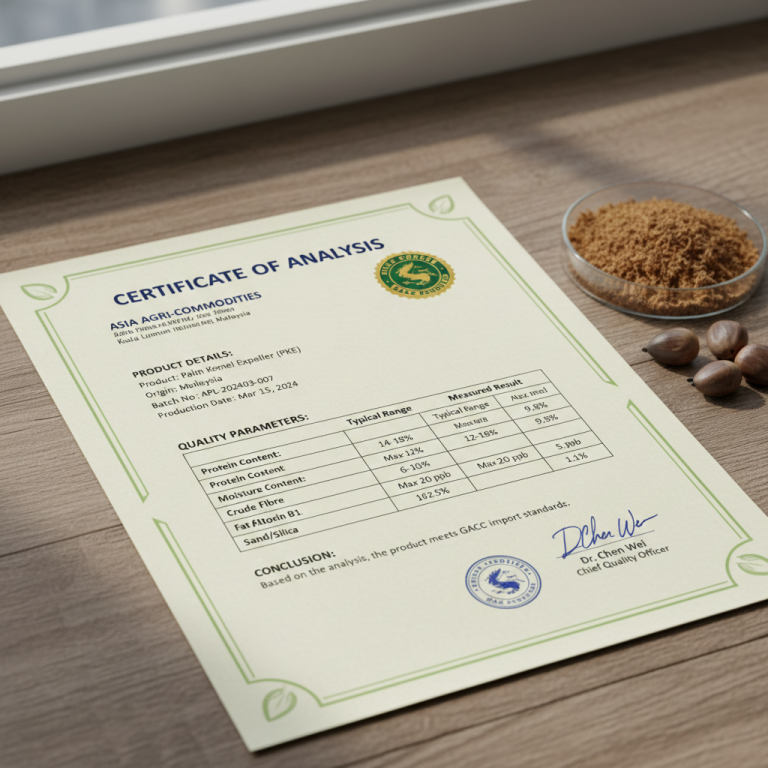
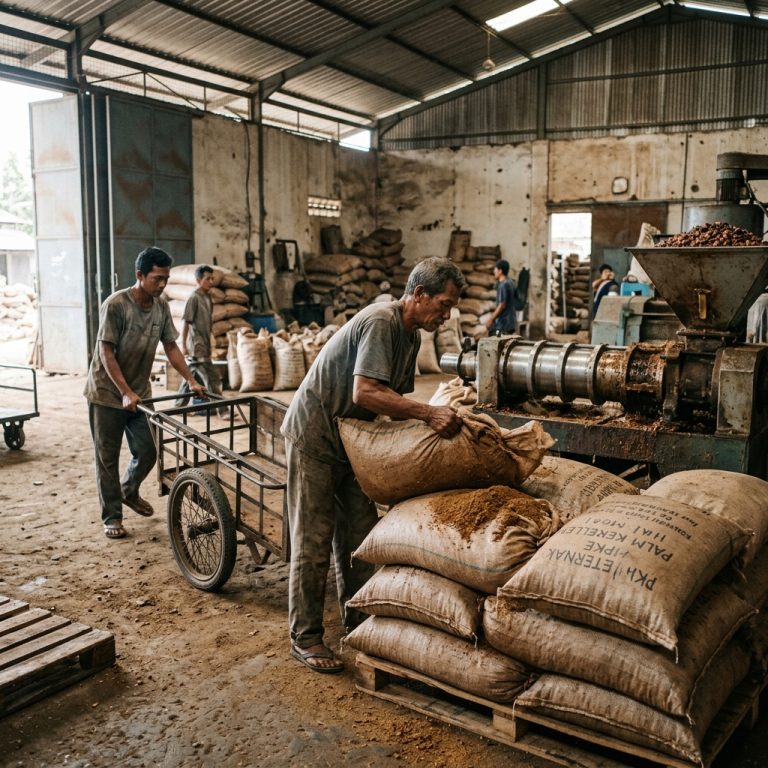
Often confused, these two ingredients come from different palm species. While copra comes from the coconut palm, Mesin Pengekstrak Inti Sawit (PKE) comes from the oil palm fruit. They have distinct nutritional profiles.
The following table provides a clear comparison:
| Gizi | Tepung Kopra | Mesin Pengekstrak Inti Sawit (PKE) | Soybean Meal (48%) |
|---|---|---|---|
| Protein Kasar | 20-22% | 14-17% | 46-48% |
| Serat Kasar | 10-14% | 16-20% | ~3% |
| Crude Fat/Oil | 6-12% | 8-10% | ~1% |
| Rasa yang enak | Tinggi | Sedang | Tinggi |
[Image: An infographic-style image showing the nutritional breakdown of Copra Meal with icons for protein, fiber, and fat, and their corresponding percentages. Title: Nutritional Power of Copra Meal. Alt: Infographic detailing the protein, fiber, and fat content of Copra Meal for animal feed.]
[Image: A mixed group of healthy livestock (cattle, swine, poultry) in a clean farm setting, implying the versatility of the feed. Title: Versatile Feed for All Livestock. Alt: A group of various livestock animals benefiting from a balanced diet.]
Makmur Amanah Sejahtera provides high-quality palm products such as Palm Kernel Expeller, Cangkang Inti Sawit, Crude Palm Oil, Palm Kernel Oil, etc. Kindly contact us at WhatsApp +6282140002198 atau kirim email kepada kami di admin@makmuramanah.co.id.
Pertanyaan yang Sering Diajukan (FAQ)
What is copra meal?
Copra meal is a protein-rich byproduct of the coconut oil extraction process. It is the dried coconut kernel, or copra, that remains after the oil has been mechanically or chemically removed. It serves as a valuable, cost-effective ingredient in feed for various livestock, including cattle, swine, and poultry.
Is copra meal good for pigs?
Yes, copra meal is a beneficial feed ingredient for pigs, particularly for growers and finishers. It is palatable and provides a good source of protein and energy. Recommended inclusion rates are typically between 5-15% of the total diet to ensure a balanced nutritional profile without any digestive issues.
What are the benefits of copra meal for livestock?
The primary benefits include being a cost-effective protein source, high palatability which encourages feed intake, and a beneficial fiber content for ruminants. In dairy cattle, it can improve milk fat content. Its residual oil also contributes valuable energy to the diet and promotes a healthy, shiny coat.
How much protein is in copra meal?
The crude protein content in copra meal typically ranges from 20% to 22%. This makes it a valuable mid-range protein supplement, positioned as a more affordable alternative to higher-protein sources like soybean meal. The exact percentage can vary based on the oil extraction method used during its production.
Conclusion: The Smart Choice for Modern Livestock Nutrition
In the competitive landscape of modern agriculture in 2026, efficiency and innovation are paramount. This comprehensive guide has demonstrated that copra meal is far more than just a cheap filler; it is a strategic tool for enhancing animal nutrition, improving performance, and bolstering your farm’s financial health.
From its beneficial protein and fiber to its high palatability and cost-effectiveness, the advantages are clear. By understanding its nutritional profile and applying the correct formulation strategies, you can unlock a powerful resource that has been underutilized for too long. Making the switch to integrating high-quality Tepung Kopra is a forward-thinking decision that will pay dividends in animal health and productivity.
 Indonesian
  English
  Chinese
  Arabic