
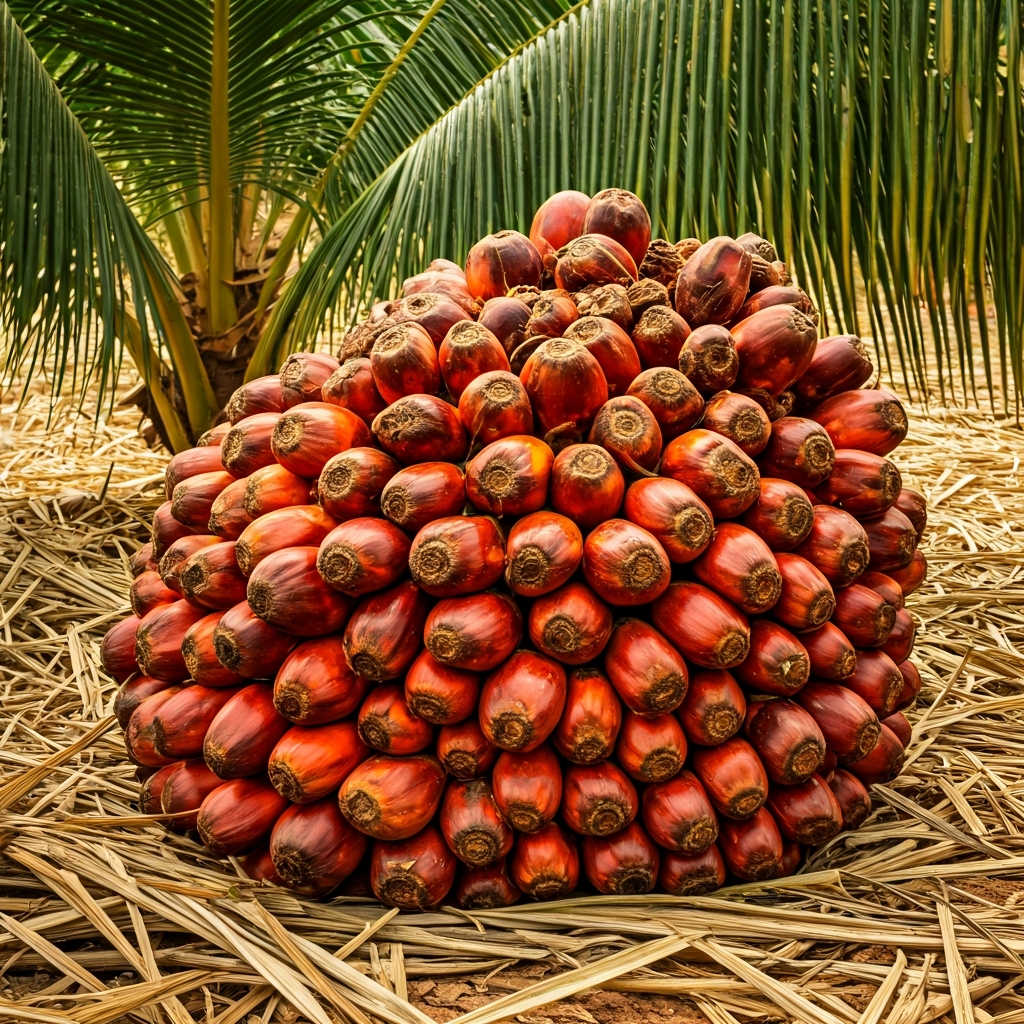
Importing Palm Kernel Expeller to Egypt: Ultimate Guide (2026)
Starting the journey of importing Palm Kernel Expeller (PKE) to Egypt can seem complex, but it holds a massive opportunity for growth. You likely have questions about regulations, quality, and logistics. This guide gives you the definitive answers, ensuring your import process is smooth and profitable.
Demand for high-quality animal feed in Egypt is surging. This is driven by an expanding livestock and poultry industry. As conventional feed prices rise, the strategic advantage of PKE becomes clear. The Food and Agriculture Organization (FAO) notes Egypt”’s focus on food security has intensified local production. This makes alternative feed ingredients like PKE more critical than ever. This guide is your roadmap to capitalizing on this 2026 trend.
Apa Sebenarnya yang Dimaksud dengan Palm Kernel Expeller (PKE)?
To succeed, a foundational understanding of the product is crucial. PKE is not just another commodity; it is a vital component in creating cost-effective and nutritious animal feed.
A Definition for Importers
Palm Kernel Expeller (PKE) is a by-product from the mechanical extraction of oil from the kernel of the oil palm fruit. It is a high-energy, medium-protein feed ingredient. Its nutritional value is widely recognized, particularly for ruminant animals like cattle.
For anyone involved in Mesin Pengekstrak Inti Sawit trading, understanding its properties is the first step toward a successful import business.
PKE vs. Palm Kernel Cake (PKC): Key Differences
While often used interchangeably, there is a technical difference. PKE results from mechanical pressing (expeller press), leaving a higher residual oil content of around 8-12%. Palm Kernel Cake (PKC), on the other hand, often refers to the product of solvent extraction, which has a much lower oil content. For Egyptian importers, PKE is typically preferred for its superior energy value.
Nutritional Benefits for Livestock in Egypt
PKE is prized for its balanced nutritional profile. Its high fiber aids digestion in ruminants, and its residual palm oil provides a significant energy boost. Key benefits include:
- Sumber Energi Tinggi: Fuels animal growth and milk production.
- Rich in Fiber: Promotes healthy digestion and gut function.
- Cost-Effective Protein: A viable alternative to expensive feeds like soybean meal.
- Source of Minerals: Contains essential minerals that can be supplemented with products like Garam Kalsium dari Asam Lemak Minyak Sawit for optimal animal health.

Why Importing Palm Kernel Expeller to Egypt Is a Golden Opportunity
The 2026 economic landscape in Egypt makes PKE importation a highly strategic business move. Several market forces are converging to create a perfect storm of opportunity for savvy importers.
Surging Demand in Livestock and Poultry
Egypt”’s government is actively growing its domestic livestock population to ensure food security. This national initiative directly increases demand for affordable, effective animal feed. As a result, businesses focused on importing this feed ingredient are positioned to meet a critical need.
PKE as a Cost-Effective Feed Alternative
Global grain markets often experience volatility, making prices for feeds like corn and soybean meal unpredictable. PKE presents a stable and economically efficient alternative. Below is a comparison of PKE with other common feed ingredients.
| Atribut | Mesin Pengekstrak Inti Sawit (PKE) | Tepung Kedelai | Corn |
|---|---|---|---|
| Protein Kasar | 14-18% | 44-48% | 8-10% |
| Serat Kasar | 16-18% | 5-7% | 2-3% |
| Metabolizable Energy (kcal/kg) | ~2,500 | ~2,230 | ~3,350 |
| Penggunaan Utama | Ruminant Feed (Energy/Fiber) | All Livestock (Protein) | All Livestock (Energy) |
The 7-Step Process for Importing Palm Kernel Expeller to Egypt
A successful import operation requires a methodical approach. Following these seven critical steps will help you avoid common pitfalls and streamline your business for maximum efficiency.
Step 1: Conduct Market Research & Register Your Business
Before importing, ensure your business is properly registered in Egypt. You must hold the necessary import licenses from the Ministry of Agriculture and Land Reclamation. This is a non-negotiable first step.
Step 2: Source a Verified PKE Supplier
Your supplier is your most important partner. Look for established companies with a track record of exporting to the Middle East. Verify their certifications, production capacity, and ability to provide a consistent Certificate of Analysis (COA).
Step 3: Master Egyptian Import Regulations
Egypt has specific standards for imported animal feed. Your PKE must comply with regulations set by the Egyptian Organization for Standardization and Quality (EOS). For a successful venture in importing Palm Kernel Expeller to Egypt, quality is paramount.
Step 4: Negotiate the Contract & Confirm Quality Specs
Never proceed without a detailed contract. This document should lock in price, volume, shipping terms (Incoterms), and the exact quality specifications from the COA. This includes protein, fat, fiber, moisture, and aflatoxin levels.
Step 5: Arrange Logistics and Freight Forwarding
Coordinate with a freight forwarder experienced in bulk agricultural commodities. The primary ports for this trade are Alexandria and Damietta. Efficient logistics planning is crucial to avoid costly demurrage fees.
Step 6: Prepare All Documentation for Customs
Proper documentation is essential for smooth customs clearance. You will need:
- Commercial Invoice
- Certificate of Origin (authenticated)
- Surat Muatan (Bill of Lading/B/L)
- Packing List
- Sertifikat Analisis (COA)
- Import Permit
- Insurance Certificate
Step 7: Manage Arrival, Inspection, and Distribution
Once the shipment arrives, it will be subject to inspection by Egyptian authorities to verify compliance. After clearance, have a solid plan for inland transportation and distribution to feed mills or farms.

Critical Quality Specifications for PKE Imports
The quality of your PKE directly impacts its market value. Adhering to internationally accepted specifications is essential for building a trustworthy reputation as an importer.
Essential Parameters: Protein, Fat, Fiber, and Moisture
A typical high-quality PKE spec sheet will show crude protein at 14-18%, crude fat (oil) at 8-12%, and crude fiber around 16-18%. Crucially, moisture must be below 12% to prevent mold growth during shipping, a key concern for any shipment to Egypt.
Aflatoxin Levels: The Non-Negotiable Safety Standard
Aflatoxins are toxins produced by certain molds. As noted by publications like FeedNavigator, this is a major industry concern. Egyptian standards are very strict, typically demanding levels below 20 parts per billion (ppb). You must demand a COA that confirms safe aflatoxin levels.
The Importance of a Certificate of Analysis (COA)
Never agree to a shipment without a COA from a reputable, independent lab. This document is your proof of quality. It should verify all key parameters, as confirmed by scientific analysis from sources like the Jurnal Masyarakat Ilmu Pertanian Saudi. This is your primary tool for quality assurance.
Avoiding Common Mistakes When Importing PKE to Egypt
While lucrative, the import process has potential traps. Awareness of these common mistakes is the first step in avoiding them and protecting your investment.
Mistake #1: Underestimating Logistics and Port Costs
Delays at the port are expensive. Demurrage charges (fees for occupying port space beyond free time) can quickly erode profits. Work with an experienced customs broker to ensure all paperwork is filed correctly for efficient cargo clearance.
Mistake #2: Choosing a Supplier Based Only on Price
An unusually low price is often a red flag. It can indicate poor quality, high moisture, or contaminants. A bad batch can be rejected by customs or harm livestock. Always balance cost with supplier reputation. Consider alternatives like Tepung Kopra only if they meet your specific quality standards.
Mistake #3: Ignoring Currency Fluctuation and Payment Terms
International trade involves currency risk. The exchange rate between your currency and the supplier”’s (usually USD) can impact your final cost. Discuss payment terms clearly. Using a Letter of Credit (L/C) can provide security for both you and the supplier, as noted by the Organisasi Perdagangan Dunia.

Pertanyaan yang Sering Diajukan (FAQ)
What is the average cost of importing PKE to Egypt in 2026?
The landed cost varies with market prices, freight, and duties. Importers can expect a cost of approximately $180-$250 per metric ton. However, this is subject to global market fluctuations, so obtaining current quotes is essential for accurate budgeting.
Which countries are the main exporters of PKE?
The primary exporters of Palm Kernel Expeller are Indonesia and Malaysia. These two countries account for the vast majority of the world”’s palm oil production, and thus, its by-products. Most imports into Egypt originate from their large-scale export facilities.
What documents are most critical for customs clearance?
The two most critical documents are the Bill of Lading (proof of shipment) and a compliant Certificate of Analysis (proof of quality). Without these, your shipment faces certain delays. An authenticated Certificate of Origin is also essential for verifying the source.
How can I prevent moisture damage during transit?
First, ensure your supplier contractually agrees to a moisture content below 12% before loading. Second, request that the PKE is stored in a dry, well-ventilated area of the ship. Using container shipping with desiccants offers further protection.
Can I import other palm-based products as well?
Yes, consolidating shipments is common. Products like Cangkang Inti Sawit (a biomass fuel) or even soil conditioners like Cocopeat can be imported. Each product requires its own correct documentation and may have different tariffs.
Your Partner in Success
This 2026 guide provides the expert framework for your venture. The Egyptian market is ripe with opportunity. With careful planning, strict adherence to quality, and strategic partnerships, you can build a highly successful business. The key lies in diligent execution at every step, from sourcing to distribution. By following this guide, you are on your way to mastering the process of importing Palm Kernel Expeller to Egypt.

 Indonesian
  English
  Chinese
  Arabic