
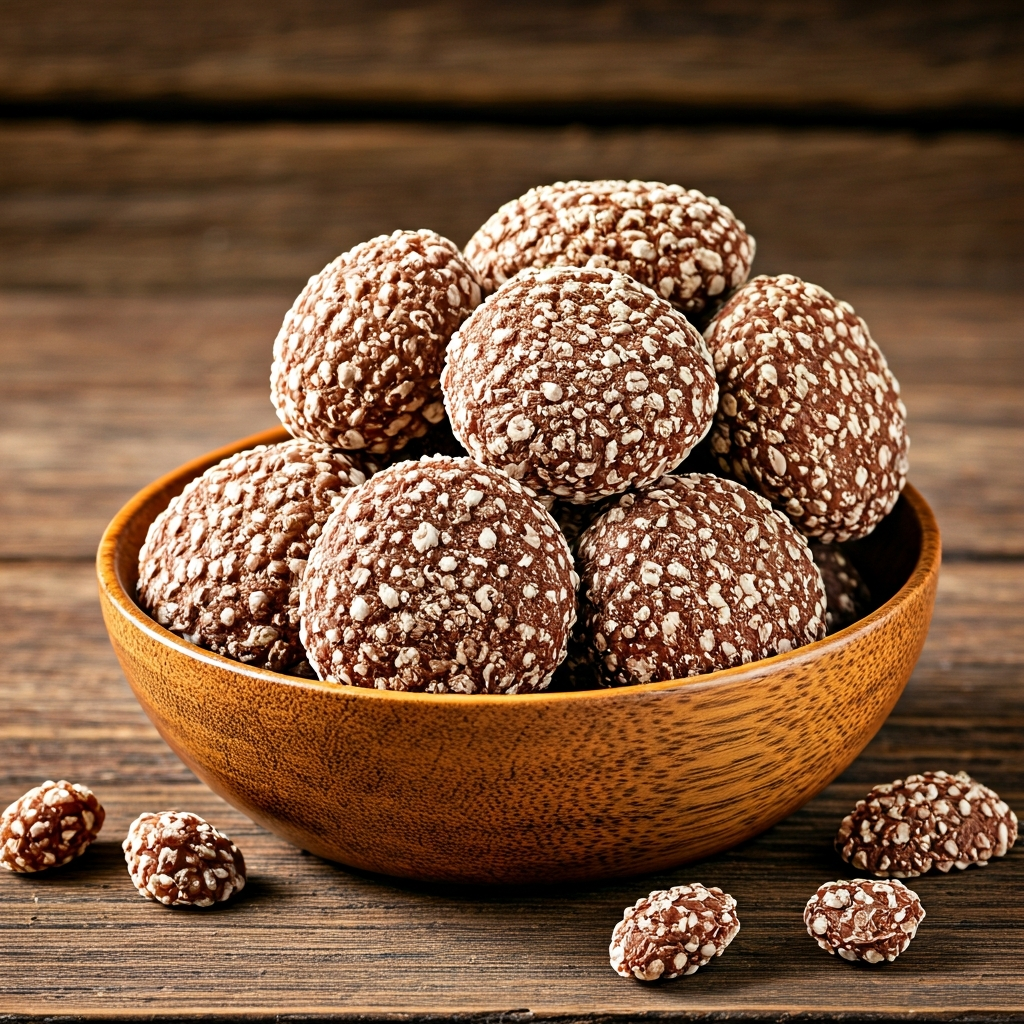
What is Copra Meal? A Complete Guide to Uses, Benefits, Nutrition, and Price
Tepung Kopra is one of the most underrated, sustainable, and cost-effective animal feed ingredients available in 2026. For farm managers and livestock nutritionists struggling with volatile feed prices, understanding this powerful coconut by-product is no longer optional—it’s essential for a profitable operation. This guide reveals everything you need to know.
The challenge of sourcing high-protein, affordable feed is a constant battle. As global demand for animal products rises, the pressure on traditional feeds like soybean and corn escalates prices and strains supply chains. Furthermore, many operators now seek more sustainable alternatives without compromising on nutritional quality. This is precisely where the value of copra meal becomes clear, offering a potent solution to these pressing industry problems.
What is Copra Meal, Exactly? A Simple Definition
Copra Meal is the residual product left over after the oil has been extracted from copra, which is the dried kernel of a coconut. It is a highly valuable by-product of the coconut oil industry, serving primarily as a protein-rich ingredient in feed for livestock, including cattle, poultry, and swine.
Often called “coconut meal,” it provides a unique combination of protein, fiber, and energy. Its production process ensures that valuable nutrients are retained, making it an excellent component in compound feeds. According to the Organisasi Pangan dan Pertanian (FAO), its use is widespread in coconut-producing regions and is gaining significant traction globally as a sustainable feed source.

From Coconut to Copra Meal: The Journey
The transformation begins with mature coconuts. The kernels are removed from the shell and dried to create copra. This drying process is crucial as it reduces the moisture content significantly, preparing the kernel for oil extraction.
The methods for drying vary, from sun-drying to smoke-drying or kiln-drying, each impacting the final quality of the copra and the resulting meal.
Mechanical vs. Solvent Extraction
Once the copra is ready, the oil is extracted using one of two primary methods:
- Ekstraksi Mekanis (Mesin Pengepres): This is the most common method. The copra is pressed under high pressure to physically squeeze out the oil. The solid cake that remains is what we know as Tepung Kopra or “copra expeller.”
- Ekstraksi Pelarut: In this method, a solvent (like hexane) is used to dissolve the oil from the copra. The solvent is later evaporated, leaving behind the oil and the meal. This method is more efficient, resulting in a meal with a lower residual oil content.
The meal from mechanical extraction typically has a higher energy value due to more residual oil, making it highly palatable for animals.
The Nutritional Profile of Copra Meal: A Deep Dive
Understanding the nutritional value of Copra Meal is key to appreciating its role in animal diets. While the exact composition can vary based on the extraction process and coconut quality, it consistently provides a solid foundation of essential nutrients.
Here is a typical breakdown of its key nutritional components:
- Protein Kasar: Generally ranges from 18% to 25%. While lower than soybean meal, it offers a high-quality protein profile rich in amino acids like arginine.
- Serat Kasar: High in fiber, typically between 12% and 18%. This is beneficial for gut health, particularly in ruminants.
- Lemak Kasar (Ekstrak Eter): Varies from 6% to 12% in mechanically extracted meal, providing a significant source of energy.
- Energi yang Dapat Dimetabolisme: Research published in journals like the Journal of Animal Science and Technology shows it provides excellent energy levels for various livestock species.
Moreover, it contains essential minerals such as phosphorus, potassium, and iron, contributing to the overall health and development of the animals. Sourcing from a reliable supplier is crucial to ensure a high-quality product free from contaminants like aflatoxins.

7 Amazing Benefits of Using Copra Meal in Animal Feed
Incorporating this versatile ingredient into livestock diets offers a multitude of advantages that go beyond simple nutrition. Here are seven of the most compelling benefits for modern agriculture.
1. A Highly Cost-Effective Protein Source
Compared to mainstream protein sources like soybean meal, copra meal is often significantly more affordable. This price advantage allows feed formulators to reduce overall costs without a drastic drop in nutritional quality, directly impacting a farm’s bottom line.
2. Enhances Ruminant Health and Performance
For cattle, sheep, and goats, the high fiber content is a major plus. It promotes healthy rumen function and stimulates cud-chewing. Additionally, the protein in copra meal has a good “rumen bypass” quality, meaning more of it gets absorbed directly for muscle growth and milk production.
3. Boosts Poultry and Swine Diets
While it must be balanced correctly, Tepung Kopra serves as an effective ingredient in diets for both pigs and poultry. Its amino acid profile complements other grains, and its energy content supports healthy growth rates. It is particularly effective when used in combination with other protein sources.
4. Improves Gut Health with High Fiber
The dietary fiber in coconut meal acts as a prebiotic, feeding beneficial gut bacteria. This fosters a healthy digestive system, which can lead to better nutrient absorption, reduced digestive upset, and improved overall animal wellness.
5. A Sustainable and Eco-Friendly Choice
Copra meal is a by-product, meaning it makes use of material that would otherwise be discarded. By utilizing the entire coconut, the industry minimizes waste and promotes a circular economy. This makes it an excellent choice for farms focused on sustainability, a growing concern for consumers in 2026.
6. High Palatability Increases Feed Intake
Animals tend to find the slightly sweet taste and pleasant aroma of copra meal very appealing. The residual coconut oil enhances its palatability, which can encourage higher feed intake, especially in picky eaters or animals under stress. This ensures they consume the nutrients they need.
7. Excellent Complement to Other Feedstuffs
It is not always a standalone solution but works incredibly well in a mix. For instance, blending it with Mesin Pengekstrak Inti Sawit can create a feed with a balanced amino acid and energy profile. Its unique properties often fill the nutritional gaps left by other ingredients.
Copra Meal vs. Other Feeds: A Comparative Analysis
To make an informed decision, it’s helpful to see how this feed ingredient stacks up against other common alternatives. The table below provides a general comparison, though exact values can vary based on source and processing.
| Gizi | Tepung Kopra | Tepung Kedelai | Mesin Pengekstrak Inti Sawit |
|---|---|---|---|
| Protein | 18-25% | 44-48% | 14-18% |
| Serat Kasar | 12-18% | 5-7% | 16-20% |
| Tingkat Energi | Moderate-High | Tinggi | Sedang |
| Terbaik untuk | Ruminants, Balanced Diets | Monogastrics (Pigs/Poultry) | Ruminants, Fiber Source |
This comparison highlights that while soybean meal has higher protein, Tepung Kopra offers a unique balance of protein, fiber, and energy. This makes it a more versatile and often more economical choice for specific applications, especially in ruminant nutrition.
Practical Applications and Inclusion Rates for Copra Meal
The key to successfully using copra meal is understanding the appropriate inclusion rates for different animals. These are general guidelines from sources like the Department of Primary Industries and Regional Development and should be adjusted based on the complete diet formulation.
For Dairy and Beef Cattle
Ruminants can handle high levels of copra meal. Inclusion rates can be as high as 30% of the total diet concentrate. It supports milk fat production in dairy cows—often enhanced with Garam Kalsium dari Asam Lemak Minyak Sawit—and provides excellent energy for beef cattle.
For Pigs and Swine Operations
For pigs, the inclusion rate is typically lower, around 5-15%, due to the high fiber content. It’s often used in sow diets and for finishing pigs where high fiber is less of a concern and can improve gut health.
For Poultry (Broilers and Layers)
In poultry diets, recommended levels are between 5% and 10%. Exceeding this can sometimes impact growth rates if not properly balanced with enzymes, but at the right level, it’s a very effective and affordable ingredient.
As a key component of a diversified agricultural strategy, integrating by-products like Cocopeat for horticulture alongside animal feed creates a holistic, waste-reducing system. The energy from these operations can even be supplemented by burning Cangkang Inti Sawit.

[Video: An embedded YouTube video from a reputable agricultural source showing the process of mixing animal feed, with a focus on adding copra meal and explaining its benefits to the animals.]
Makmur Amanah Sejahtera provides high-quality palm and coconut products such as Mesin Pengekstrak Inti Sawit, Tepung Kopra, Dan Cangkang Inti Sawit. Kindly contact us via WhatsApp +6282140002198 atau kirim email kepada kami di admin@makmuramanah.co.id.
Pertanyaan yang Sering Diajukan (FAQ)
What is the difference between copra and copra meal?
Copra is the dried kernel of the coconut from which oil is extracted. Copra meal is the solid, cake-like substance that remains *after* the oil has been removed. Essentially, copra is the raw material, and copra meal is the by-product of oil extraction.
Is copra meal good for pigs?
Yes, it is a beneficial feed ingredient for pigs when used at appropriate inclusion levels (typically 5-15%). It provides a good source of protein and energy. However, its high fiber content means it should be part of a well-balanced diet for optimal growth.
What is the protein content of copra meal?
The crude protein content of copra meal generally ranges from 18% to 25%. This makes it a valuable medium-protein feed ingredient, ideal for supplementing the diets of various livestock and helping to reduce overall feed costs.
Can humans eat copra meal?
No, copra meal is produced for animal consumption only and is not suitable for humans. As noted by industry publications like FeedNavigator, production standards are designed for livestock feed, not human-grade food products.
Bagaimana cara menyimpan bungkil kelapa?
It should be stored in a cool, dry, and well-ventilated area away from direct sunlight. To prevent mold and spoilage, it’s crucial to protect it from moisture. Using sealed bags or covered bins is highly recommended to maintain its quality and nutritional value.
Conclusion: The Smart Choice for 2026 and Beyond
Kesimpulannya, Tepung Kopra stands out as a formidable player in the search for sustainable, affordable, and nutritious animal feed. Its unique profile of balanced protein, high fiber, and palatable energy makes it an invaluable asset for ruminants, swine, and poultry operations alike. By integrating a quality Tepung Kopra into your feeding strategy, you are not only making a sound economic decision but also contributing to a more sustainable agricultural ecosystem.
As we move further into 2026, the strategic use of by-products like coconut meal will be a defining factor for the most successful and resilient livestock operations. Don’t overlook this powerful ingredient; it’s the competitive edge you’ve been searching for.

 Indonesian
  English
  Chinese
  Arabic