
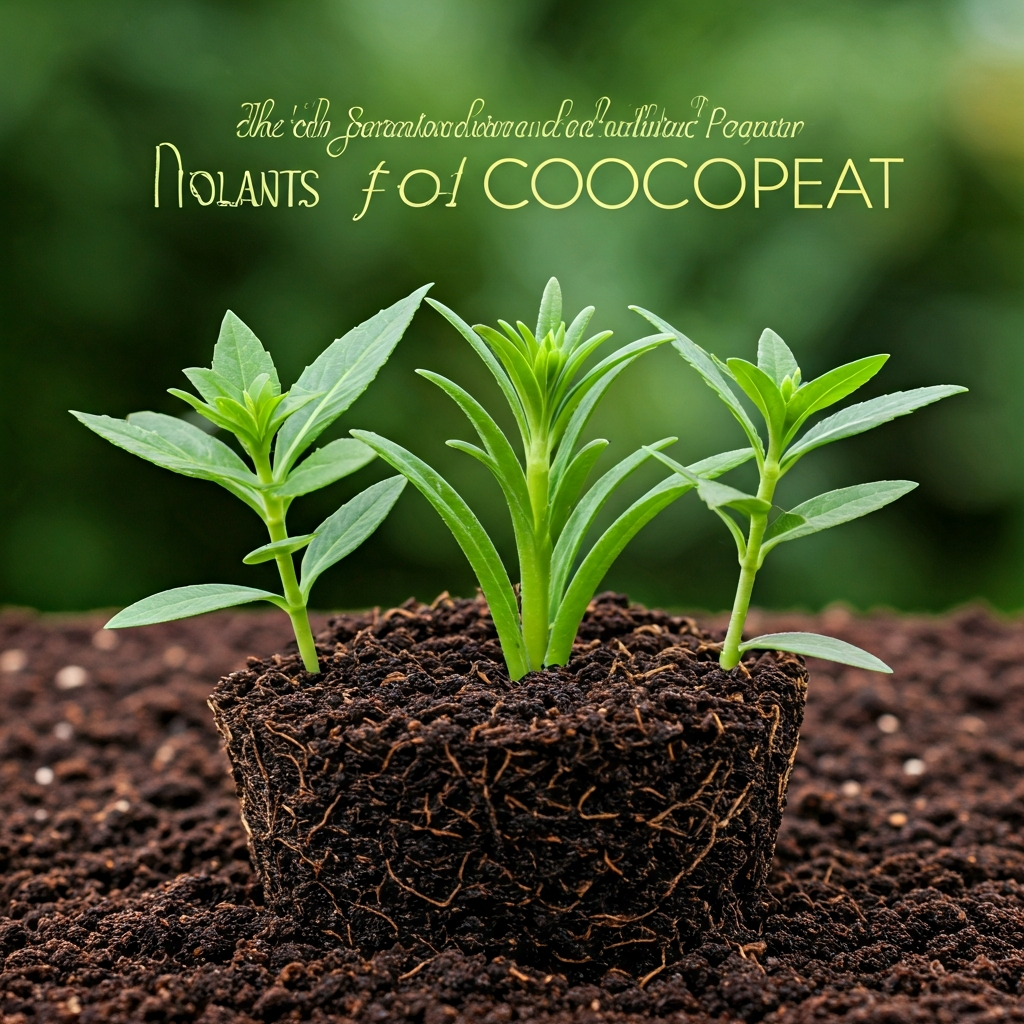
Cocopeat for Plants: Ultimate Guide to Amazing Growth (2026)
Menggunakan cocopeat for plants is one of the most effective changes you can make for incredible garden success. However, its true potential is only unlocked through proper preparation. This guide provides everything you need to master this amazing, sustainable resource.
For years, gardeners have sought the perfect growing medium. The ideal material must retain moisture without waterlogging, provide aeration for healthy roots, and be environmentally sustainable. According to the Masyarakat Hortikultura Kerajaan, sustainable gardening practices can significantly increase local biodiversity. This search inevitably leads to cocopeat, a remarkable byproduct of the coconut industry that stands out as a premier choice for cultivators worldwide.
What Exactly is Cocopeat? A Gardener’s Gold
Cocopeat is a 100% natural growing medium derived from the fibrous pith found between a coconut’s hard inner shell and its outer husk. Previously considered a waste product, this “gardener’s gold” is now essential for modern, efficient, and eco-conscious horticulture. Its incredible properties offer a powerful and renewable alternative to traditional peat moss, making it a top choice when selecting a medium for your plants.
[Image: A compressed cocopeat brick placed next to a large, fluffy pile of expanded cocopeat, illustrating the expansion. | alt: Preparing cocopeat for plants by expanding a compressed brick. | title: Cocopeat Before and After Expansion]
Cocopeat vs. Coco Coir vs. Coir Pith: Clearing the Confusion
These terms are often used interchangeably, but they have distinct meanings in horticulture:
- Coco Coir: This is the umbrella term for any product from the coconut husk, including peat, fibers, and chips.
- Cocopeat (or Coir Pith): The most common form, this is the spongy, peat-like material that binds the coconut fibers. It has excellent water retention and is the focus of our guide.
- Serat Kelapa: These are the longer, stringy fibers, often used to improve aeration in potting mixes.
- Coco Chips: Small chunks of the husk that provide a balance of water retention and air space.
From Husk to Garden: Making Cocopeat for Plants
The journey of making cocopeat for plants is a fascinating transformation. After harvesting coconuts for their valuable oil and flesh, processors collect the husks. They then soak the husks in water to soften and age them in a process known as retting.
Following retting, machinery mechanically separates the fibrous material into long fibers and the pithy cocopeat. The raw cocopeat is then washed, dried, and sieved. High-quality manufacturers, like those providing premium Cocopeat, ensure a thorough washing process to lower the initial salt content—a crucial first step before it even reaches you.
The 7 Undeniable Benefits of Using Cocopeat for Plants
The global popularity of using cocopeat for plants isn’t a fleeting trend; it’s anchored by a host of powerful benefits that result in visibly healthier and more productive plants.
1. Superior Water Retention and Aeration
Cocopeat can absorb up to 10 times its weight in water. This quality means less frequent watering and a crucial moisture buffer for roots during hot, dry spells. Despite holding immense water, its fibrous structure maintains air pockets, providing essential oxygen to plant roots. This dual action prevents root rot and promotes a robust, healthy root system.
2. Ideal pH and Natural Disease Resistance
Most cocopeat has a neutral to slightly acidic pH (5.5 to 6.8), a perfect range for nutrient availability for most plants. It is also naturally antifungal, which helps suppress common soil-borne diseases like pythium and phytophthora, offering a cleaner start for your garden.
3. The Eco-Friendly Choice for Modern Gardeners
Cocopeat is a renewable resource and a byproduct of an existing industry. Its use helps preserve peat bogs, which are vital ecosystems and carbon sinks, as documented by the Program Lingkungan PBB. Choosing cocopeat is a vote for sustainability.
4. More Key Advantages of Cocopeat
- Lightweight and Easy to Handle: Dry cocopeat is far easier to transport and mix than heavy bags of topsoil, perfect for containers and hanging baskets.
- Prevents Soil Compaction: When mixed into garden soil, cocopeat improves its structure, keeping it light and friable, especially in heavy clay.
- Perfect for Hydroponics and Seed Starting: Its sterile, inert nature makes it a perfect substrate for hydroponic growing and for starting delicate seeds prone to damping-off disease.
[Image: An infographic flowchart titled ‘From Brick to Bliss: Preparing Your Cocopeat’. Steps show: 1. Unpack Brick -> 2. Add Water & Expand -> 3. Rinse Thoroughly -> 4. Buffer with Cal-Mag -> 5. Add Amendments -> 6. Ready for Planting! | alt: Infographic showing the five essential steps for preparing cocopeat for plants. | title: How to Prepare Cocopeat Infographic]
How to Prepare Cocopeat for Plants: The Essential 5-Step Process
To achieve amazing results, you cannot just add water. Proper preparation of cocopeat for plants is non-negotiable and separates struggling plants from thriving ones.
[Video: A time-lapse video showing a compressed cocopeat brick expanding in water. | title: Watch Cocopeat Expansion in Action]
- Step 1: Choose Your Cocopeat: You’ll find it sold as compressed bricks or in loose bags. Bricks are cost-effective and expand significantly, while loose-fill is ready to use but bulkier.
- Step 2: Rinse and Expand: Place your brick in a large container (a wheelbarrow or large tote is ideal). Add warm water slowly. A typical 5kg brick can expand to over 60 liters! As it expands, break it apart and rinse it thoroughly to remove initial water-soluble salts.
- Step 3: Buffer the Cocopeat (The Critical Step): This is the secret to success. Cocopeat naturally contains high levels of sodium and potassium. To prevent them from interfering with nutrient uptake, you must buffer it. Soak the rinsed cocopeat for 12-24 hours in a Cal-Mag solution (Calcium Nitrate and Magnesium Sulfate), a process confirmed as essential by horticultural research from institutions like the University of Florida.
- Step 4: Add Amendments for Nutrition: Pure cocopeat is inert and contains almost no nutrients. After buffering, you must enrich your cocopeat. Mix in high-quality compost (1 part compost to 3 parts cocopeat), perlite for extra drainage, or a balanced slow-release organic fertilizer.
- Step 5: Mix and Use Your Bespoke Media: Your nutrient-rich, buffered cocopeat mix is now ready for your containers, garden beds, or hydroponic system.
How to Use Your Prepared Cocopeat Mix
Once your cocopeat is buffered and amended, it’s ready to become the foundation for explosive plant growth. How you use it depends on your specific gardening application.
For Container Gardening & Potted Plants
For most potted plants, a mix of 50% cocopeat, 30% compost, and 20% perlite or pumice provides an ideal balance of water retention, nutrition, and aeration. This lightweight blend makes it perfect for container gardening and is a fantastic use of cocopeat for plants on balconies or patios.
As a Soil Amendment in Garden Beds
If you have heavy clay or sandy soil, cocopeat is a game-changer. Work a 2-3 inch layer of prepared cocopeat into the top 6-8 inches of your garden beds. In clay soil, it improves drainage and reduces compaction. In sandy soil, it dramatically increases water and nutrient retention.
For Seed Starting and Propagation
Because it’s sterile and provides consistent moisture, prepared cocopeat is an exceptional medium for starting seeds. Use a mix of 70% cocopeat and 30% perlite. This blend helps prevent the fungal diseases that often kill young seedlings. Its use in propagation ensures your future plants get the best possible start.
Cocopeat vs. Garden Soil vs. Peat Moss: Which is Best?
Understanding the core differences between these common growing media helps you make the best choice. The unique balance offered by using cocopeat for plants is hard to beat, especially in a custom mix.
| Fitur | Cocopeat | Tanah Kebun | Gambut |
|---|---|---|---|
| Retensi Air | Bagus sekali | Variable (can compact) | Sangat bagus |
| Aerasi | Bagus sekali | Poor to Fair | Good when dry, poor when wet |
| Keberlanjutan | Tinggi (Produk sampingan terbarukan) | Moderate (Depletable) | Low (Non-renewable) |
| Tingkat pH | Neutral (5.5-6.8) | Variabel | Acidic (3.5-4.5) |
| Kandungan gizi | Inert (None) | Contains nutrients | Inert (None) |
The Verdict: A Custom Mix is Best
For most applications, a custom mix is superior to any single ingredient. While cocopeat is a horticultural star, the versatile palm tree also yields other valuable agricultural and energy products. These include protein-rich Mesin Pengekstrak Inti Sawit for animal feed and clean-burning Cangkang Inti Sawit biofuel.
Amending heavy clay soil with cocopeat improves its structure, while adding it to sandy soil dramatically improves water retention. This versatility makes a custom cocopeat for plants mix the ultimate tool for creating perfect soil texture.
[Image: A close-up shot of vibrant green lettuce growing in a hydroponic setup with cocopeat as the primary medium. | alt: Thriving lettuce showcasing the effectiveness of using cocopeat for plants in a hydroponic system. | title: Hydroponic Lettuce Growth in Cocopeat]
Frequently Asked Questions about Cocopeat
Apakah cocopeat baik untuk semua tanaman?
Cocopeat is excellent for most plants due to its water retention and aeration. For desert succulents or cacti, use it as a smaller part of the mix (around 25%) with a high percentage of pumice or perlite for the sharp drainage they require.
What is the best cocopeat for plants mix ratio?
A great all-purpose ratio is 2 parts cocopeat to 1 part compost and 1 part perlite. For seed starting, use a simpler 2:1 mix of cocopeat to perlite. Adjust based on your specific plants’ needs for moisture and drainage.
Berapa lama cocopeat bertahan?
Cocopeat decomposes very slowly due to its high lignin content. It remains structurally effective in potting mix for up to five years, making it an economical and long-lasting choice compared to mediums that break down in a single season.
Can I grow plants in 100% pure cocopeat?
While possible in controlled hydroponics, it’s not ideal for general gardening. Pure cocopeat lacks nutrients and can get waterlogged without perfect management. It is best used as part of a balanced mix (e.g., 50-70% of the total volume).
What is the difference between cocopeat and Copra Meal?
Though both come from coconuts, their uses differ entirely. Cocopeat is husk material used as a growing medium. In contrast, Tepung Kopra is what remains after oil extraction from the coconut meat and serves as protein-rich livestock feed.
Why must I “buffer” cocopeat? Can’t I just rinse it?
Rinsing only removes surface salts. Buffering is a vital chemical process where a calcium solution displaces sodium and potassium from the cocopeat. Skipping this step, as confirmed by horticultural studies, leads to nutrient lockout, starving your plants of calcium and magnesium.
The Future of Your Garden Starts with Cocopeat
Embracing the use of cocopeat for plants is more than a gardening hack; it’s a strategic move towards sustainable and rewarding cultivation in 2026. By understanding its benefits and proper preparation, you unlock a new level of control over your plants’ health and yield.
As the horticultural industry continues to evolve, reliable and renewable resources are invaluable. The definitive advantage of using a well-prepared mix of cocopeat for plants is clear, providing a superior foundation for the amazing growth you deserve.
[Image: A happy gardener smiling, holding a terra-cotta pot filled with a healthy, vibrant plant growing in a rich, dark cocopeat mixture. | alt: A happy gardener shows the amazing results of using properly prepared cocopeat for plants. | title: Successful Container Gardening with Cocopeat]
 Indonesian
  English
  Chinese
  Arabic