
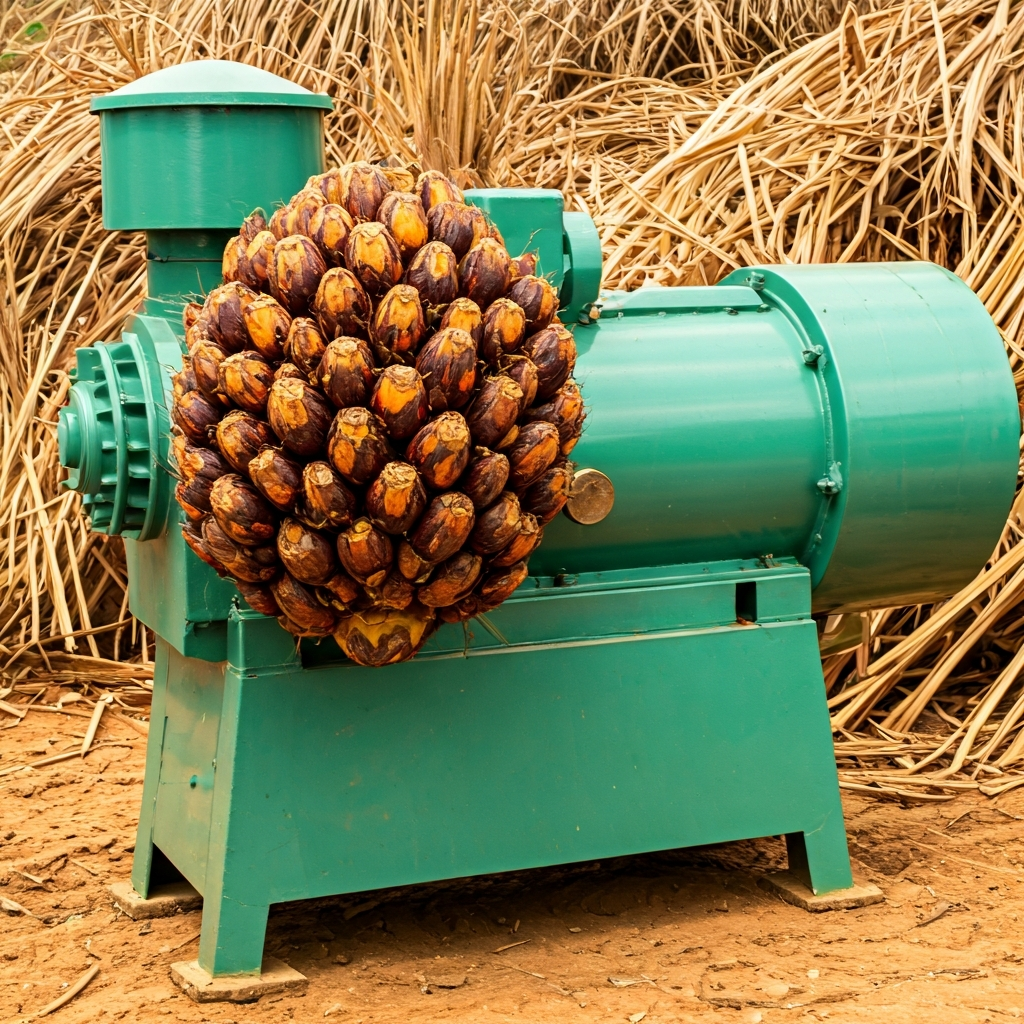
Palm Kernel Expeller in Egypt: Your #1 Ultimate Guide 2026
The search for high-quality Palm Kernel Expeller in Egypt is intensifying as modern agribusinesses and farmers seek cost-effective, nutrient-rich animal feed solutions. If you’re looking to gain a competitive edge, understanding this valuable commodity is no longer optional—it’s essential for sustainable profitability.
As feed costs continue to fluctuate, relying on traditional ingredients like corn and soybean meal can strain budgets. This comprehensive guide provides the definitive 2026 roadmap to navigating the PKE market.
We will unlock the secrets to sourcing, pricing, and strategically using this powerful feed ingredient to optimize your livestock operations, from dairy cows to poultry.
Apa Sebenarnya yang Dimaksud dengan Palm Kernel Expeller (PKE)?
Palm Kernel Expeller (PKE), often called Palm Kernel Cake, is a crucial by-product of the palm oil industry. It is produced during the mechanical extraction of oil from the kernel of the oil palm fruit. What remains is a high-protein, high-fiber mash that is dried and sold as a valuable ingredient for animal feed formulations worldwide.
Its balanced nutritional profile and cost-effectiveness make it a prime choice for farmers looking to improve livestock performance without inflating expenses. Understanding its origin and composition is the first step to leveraging its full potential.

From Palm Fruit to Animal Feed: The Production Process
The journey of PKE is a model of agricultural efficiency. It begins after the palm fruit’s flesh is pressed to produce palm oil. The remaining nut is cracked to reveal the kernel, which is then crushed to extract palm kernel oil. The solid residue left behind is the Palm Kernel Expeller.
This process typically involves these key stages:
- Memecahkan Kacang: The hard shell is broken to release the palm kernel. The shells themselves can be repurposed as Cangkang Inti Sawit biofuel, while other parts of the coconut can be used to produce resources like Cocopeat for horticultural use.
- Penghancuran Biji: The kernels are ground and cooked to prepare for oil extraction.
- Ekstraksi Minyak: A mechanical press (expeller) squeezes the oil from the crushed kernels. This mechanical method is why it’s called an “expeller.”
- Drying and Cooling: The resulting solid “cake” is dried to a specific moisture level (typically below 12%) to ensure stability and prevent mold growth during storage and transport.
Watch: The PKE Production Process Explained
PKE vs. Palm Kernel Cake (PKC): A Key Distinction
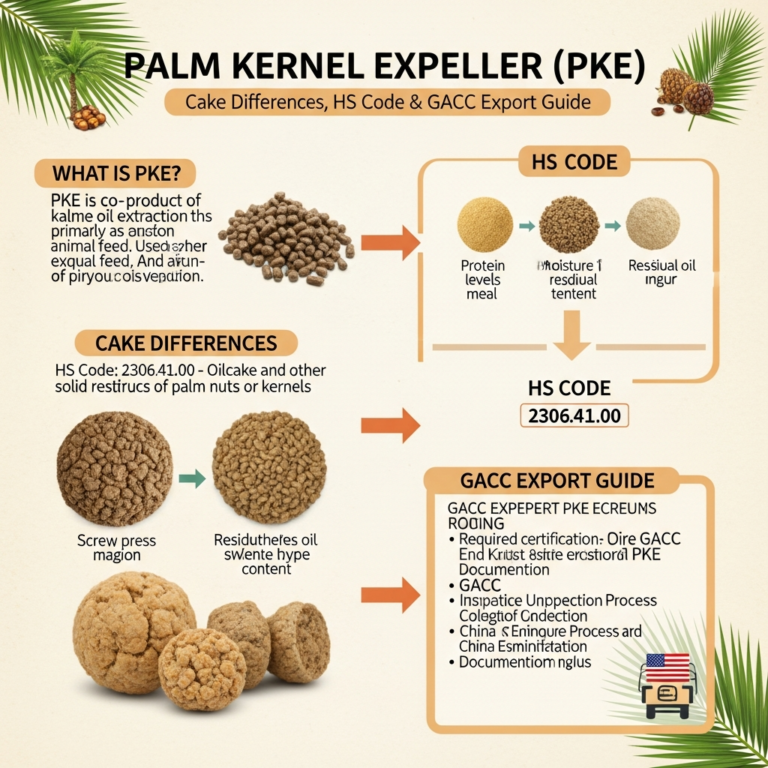
While the terms PKE and Palm Kernel Cake (PKC) are often used interchangeably, a subtle difference exists based on the oil extraction method. PKE is specifically from mechanical pressing, which leaves a residual oil content of about 8-12%. In contrast, PKC can also refer to residue from solvent extraction, which results in a lower fat content but potentially higher protein.
For most applications in the Egyptian market, the product referred to is PKE from mechanical expellers, valued for its higher energy content due to the residual oil.
The Nutritional Profile of High-Quality PKE
The true value of PKE lies in its dense nutritional makeup. While exact values can vary based on the source and processing method, high-quality PKE is a reliable source of essential nutrients. It is particularly known for its high fiber and moderate protein levels.
- Protein Kasar: Typically 14-18%
- Serat Kasar: 16-20%
- Lemak/Minyak Kasar: 8-12%
- Energi yang Dapat Dimetabolisme: Excellent for ruminants (cattle, goats, sheep)
This composition makes it an ideal supplement to balance rations, especially for ruminant animals that can efficiently digest its high fiber content.
Analyzing the Market for Palm Kernel Expeller in Egypt
Pasar untuk Palm Kernel Expeller in Egypt is driven by the country’s robust and growing livestock and poultry sectors. As one of the largest importers of feed ingredients in the region, Egypt represents a significant opportunity for both suppliers and end-users of PKE.
However, the market is not without its complexities. Price volatility, supply chain logistics, and quality assurance are critical factors that every stakeholder must navigate. According to a report by the Organisasi Pangan dan Pertanian (FAO), reliance on imported feedstuffs is a major variable in the region’s agricultural economy, making alternative ingredients like PKE highly strategic.
Current Price Trends for PKE in Egypt (2026 Analysis)
Predicting the exact price of PKE involves monitoring global commodity markets. As of early 2026, the price of PKE delivered to Egyptian ports is influenced by international palm oil prices, freight costs, and local demand. According to the Layanan Pertanian Luar Negeri USDA, feed import dynamics are constantly shifting, but PKE consistently offers a competitive advantage against soybean meal.
Furthermore, savvy buyers should track currency exchange rates and establish relationships with reliable suppliers who can offer transparent pricing structures. Long-term contracts can often secure more stable pricing compared to spot market purchases.
7 Strategic Uses for Palm Kernel Expeller in Egypt
PKE is not a one-size-fits-all ingredient. Its maximum benefit is unlocked when used strategically within feed formulations tailored to specific animals. Its high fiber and moderate protein make it exceptionally well-suited for ruminants.
Research published in top-tier journals, such as studies found on Sains Langsung, consistently demonstrates its efficacy when included at appropriate levels. It serves as both an energy and protein source, helping to reduce reliance on more expensive grains and meals.

PKE for Dairy and Beef Cattle: Boosting Milk Yield and Growth
For cattle, PKE is a powerhouse. The high fiber content supports healthy rumen function, and its residual oil provides a cool source of energy, which is particularly beneficial in Egypt’s warm climate. In dairy rations, it can improve milk fat content and overall yield.
In beef cattle, it supports steady weight gain as part of a balanced total mixed ration (TMR). A common strategy is to use it as a partial replacement for more expensive components like corn or barley.
Incorporating PKE in Poultry Feed Formulations
The use of PKE in poultry requires more precision due to its high fiber content, which monogastric animals like chickens cannot digest as easily as cattle. However, at lower inclusion rates (typically 3-7%), it can be a cost-effective ingredient for broilers and layers.
Moreover, enzyme supplementation can enhance its digestibility, making higher inclusion rates more feasible. This strategy is gaining traction as feed manufacturers seek to lower costs, a topic frequently covered by major agricultural news outlets like Reuters.
Benefits for Sheep, Goats, and Aquaculture
The advantages of PKE extend to other livestock as well. Sheep and goats, as fellow ruminants, benefit from PKE in much the same way as cattle. It provides a consistent and affordable nutrient source for maintenance and growth.
Interestingly, new research is exploring its use in aquaculture feeds for certain fish species, like tilapia. As the aquaculture industry in Egypt grows, PKE may become an important sustainable ingredient in this sector, too.
How to Identify a Reliable PKE Supplier
Sourcing high-quality PKE is the most critical step. A reliable supplier ensures consistency, fair pricing, and adherence to international quality standards. Your goal is to find a partner, not just a seller. When you need to buy Palm Kernel Expeller in Egypt, vetting your supplier is paramount.
Key Quality Checks for Palm Kernel Expeller in Egypt
When evaluating a potential PKE shipment, use this checklist:
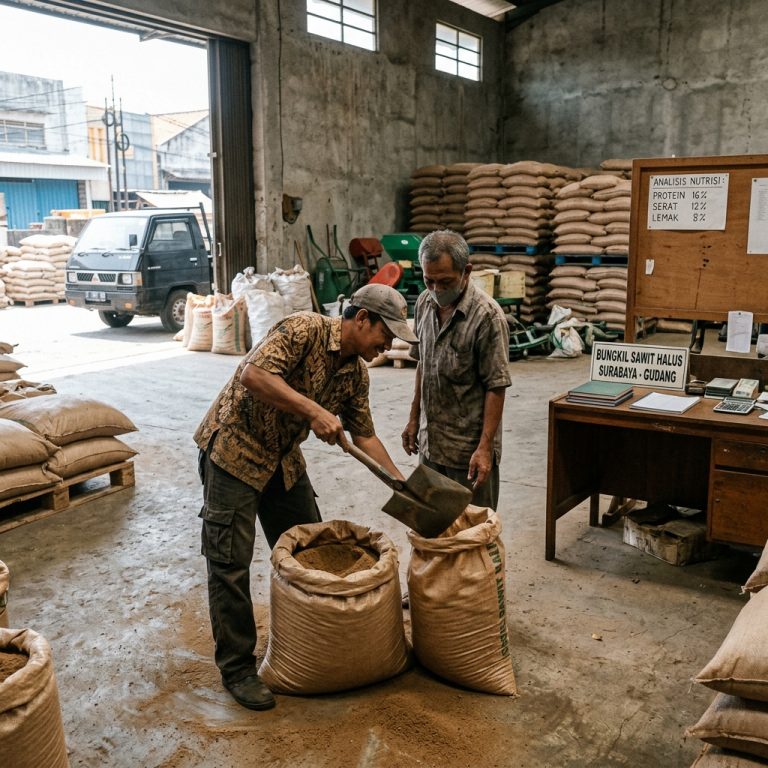
- Kandungan Air: Seharusnya di bawah 12% untuk mencegah jamur dan pembusukan.
- Protein Kasar: Must be within the specified range of 14-18%. Request a certificate of analysis.
- Kadar Aflatoksin: Must be within safe limits for animal consumption. This is a non-negotiable safety standard.
- Isi Shell: Low shell content indicates better quality and digestibility. High shell content is a sign of poor-quality PKE.
- Color and Odor: Good PKE has a light brown color and a fresh, nutty smell. A dark color or burnt odor can indicate overheating during processing.
Navigating Logistics for Palm Kernel Expeller in Egypt
Importing bulk commodities requires careful planning. A good supplier should be able to provide clear information on shipping options (CIF vs. FOB), estimated transit times to Egyptian ports like Alexandria or Port Said, and all necessary export documentation. Working with an experienced freight forwarder or a supplier who manages logistics is highly recommended.
Comparing PKE with Other Feed Alternatives
To make an informed financial decision, it’s crucial to compare PKE against other common feed ingredients. The table below offers a general comparison of options for those evaluating Palm Kernel Expeller in Egypt, though market prices will fluctuate.
| Ingredient | Typical Protein % | Manfaat Utama | Terbaik untuk | Biaya Relatif |
|---|---|---|---|---|
| Mesin Pengekstrak Inti Sawit | 14-18% | High Fiber, Good Energy | Hewan ruminansia | Rendah |
| Tepung Kedelai | 44-48% | High Protein, High Digestibility | All Livestock | Tinggi |
| Tepung Kopra | 20-24% | High Protein, Palatable | Ruminants, Horses | Sedang |
| Corn / Maize | 8-10% | High Energy | All Livestock | Sedang-Tinggi |
This comparison clearly shows that while PKE is not the highest in protein, its combination of moderate protein, high fiber, and low cost makes it an unbeatable economic choice for supplementing ruminant diets.

Makmur Amanah Sejahtera Menyediakan produk-produk kelapa sawit berkualitas tinggi seperti bungkil inti kelapa sawit, cangkang inti kelapa sawit, minyak kelapa sawit mentah, minyak inti kelapa sawit, dll. Silakan hubungi kami di WhatsApp +6282140002198 atau kirim email kepada kami di admin@makmuramanah.co.id.
Pertanyaan yang Sering Diajukan (FAQ)
What is the average price of Palm Kernel Expeller in Egypt?
The price fluctuates with global commodity markets, but as of 2026, it remains a highly cost-effective alternative to soybean meal and corn. For current pricing, it’s best to contact a direct supplier for a CIF (Cost, Insurance, and Freight) quote to an Egyptian port.
Is PKE suitable for all types of livestock?
PKE is ideal for ruminants like cattle, sheep, and goats due to its high fiber content. It can also be used in limited quantities for monogastric animals like poultry, often with enzyme supplements to improve digestibility. Its use in horse feed is also common.
How can I test the quality of PKE I receive?
Always request a Certificate of Analysis (COA) from your supplier with each shipment. For independent verification, you can send a sample to a local agricultural lab to test for protein, moisture, fat, fiber, and potential contaminants like aflatoxins. This ensures the quality you paid for.
What’s the difference between PKE and Palm Kernel Shell (PKS)?
They are two distinct products. PKE is the protein-rich meal used for animal feed. In contrast, Palm Kernel Shell (PKS) is the hard, woody outer covering of the kernel and is primarily used as a clean, efficient biomass fuel, not for animal consumption.
Can PKE completely replace soybean meal in a diet?
No, it should be seen as a partial replacement and complementary ingredient. Soybean meal has much higher protein and a different amino acid profile. PKE is used to supplement protein and add fiber and energy, helping reduce the total volume of expensive soybean meal in a ration.
Conclusion: Your Strategic Advantage in the Feed Market
In conclusion, integrating PKE into your feed strategy is one of the most effective ways to manage costs while maintaining high nutritional standards in 2026. This guide has shown that with proper knowledge of sourcing, quality assessment, and application, PKE is more than just a by-product; it is a strategic asset for growth and profitability.
By focusing on reliable suppliers and understanding its role within a balanced diet, you can successfully leverage Palm Kernel Expeller in Egypt to enhance your livestock operations. The key is to act on this knowledge, ensuring your agribusiness remains competitive and resilient in a dynamic market.

 Indonesian
  English
  Chinese
  Arabic