
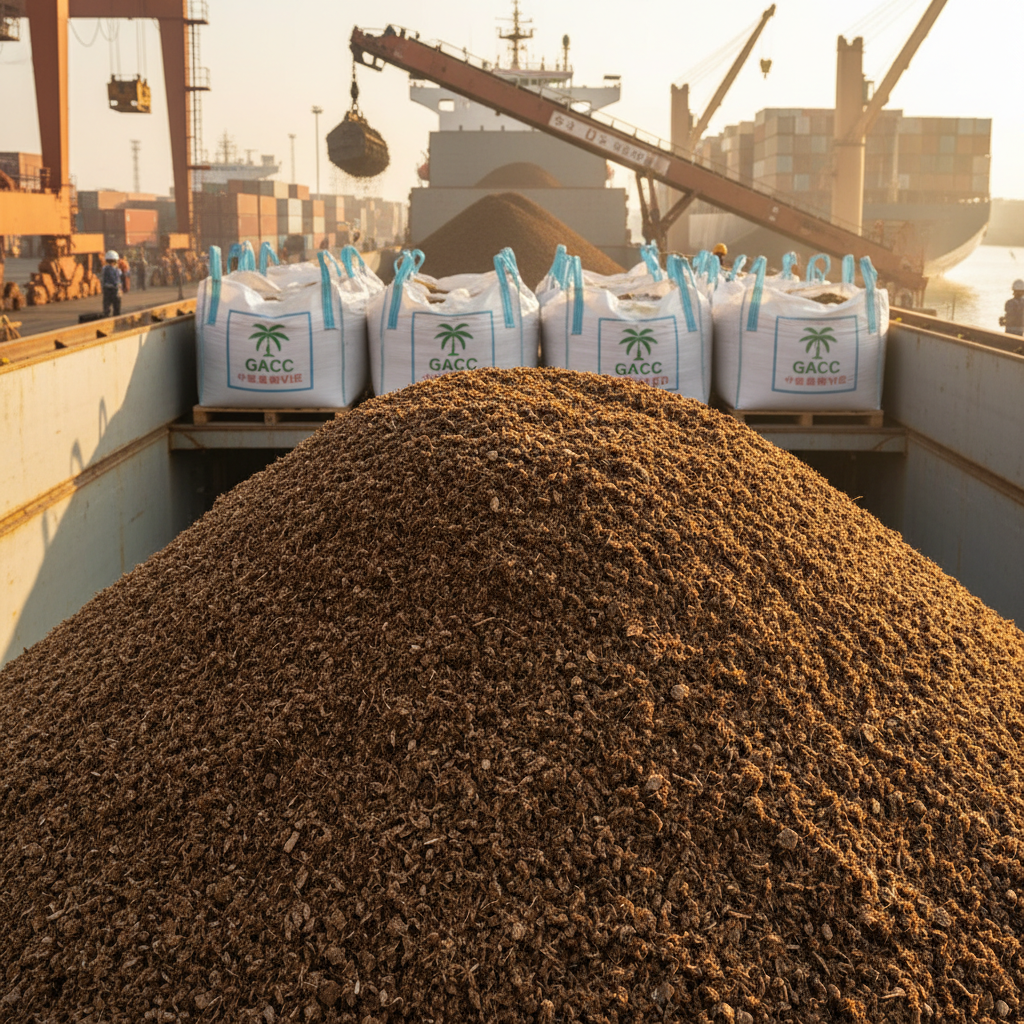
GACC Approved Palm Kernel Expeller: The Ultimate 2026 Guide to Avoiding Import Mistakes
Pengadaan GACC approved palm kernel expeller for the Chinese market is a critical task where mistakes are not an option. For importers, navigating the complex regulations of the General Administration of Customs of China (GACC) can feel like a high-stakes puzzle with severe consequences.
One wrong move or one unverified supplier can delay, reject, or even destroy an entire shipment, leading to catastrophic financial losses. This guide is your definitive roadmap for 2026. We engineered it to demystify the process and ensure every PKE shipment you import meets China’s stringent standards for GACC approved palm kernel expeller.
This comprehensive article provides the clarity and confidence you need to secure your supply chain and capitalize on one of the world’s most lucrative markets. We will cover everything from GACC registration to supplier verification and common pitfalls to avoid.
Why GACC Approval is Non-Negotiable for PKE Imports
China’s demand for high-quality animal feed ingredients is insatiable. Its domestic feed production exceeds 300 million metric tons annually, according to industry reports. Palm Kernel Expeller (PKE) is a vital, protein-rich component in this massive supply chain.
However, not just any PKE will do. The ingredient must come from a facility that the GACC has registered and approved. This isn’t just paperwork; it’s a non-negotiable ticket to entry. It is a guarantee of safety, quality, and compliance that protects China’s agricultural sector and your business’s reputation. A reliable supply of GACC approved palm kernel expeller is the foundation of a successful import business.
Furthermore, GACC designed this system to control biosecurity risks, as outlined in international agreements like the WTO’s SPS Agreement. It ensures that all imported feed materials meet the same high standards as domestic products. For an importer, compliance is the foundation of a sustainable and profitable business relationship with China.
[Image: High-quality, close-up shot of golden-brown palm kernel expeller, showcasing its texture. | alt=”A detailed view of GACC Approved Palm Kernel Expeller, a key animal feed ingredient. | title=”Palm Kernel Expeller for Import to China”]
Apa Sebenarnya yang Dimaksud dengan Mesin Pengekstrak Inti Sawit yang Disetujui GACC?
To master the import process, you must first understand the product and the gravity of its “approved” status. Chinese customs officials scrutinize this precise terminology, and each part carries significant weight.
Defining Palm Kernel Expeller (PKE)
Palm Kernel Expeller, often called Palm Kernel Cake (PKC), is a by-product of the palm oil extraction process. After extracting oil from the palm kernel, processors turn the remaining fibrous material into PKE. This makes it a valuable ingredient for animal feed, particularly for ruminants like cattle.
Its high protein and moderate energy content make it an economical choice for feed formulators. However, its quality can vary, which is why regulatory bodies like GACC impose strict controls on all GACC approved palm kernel expeller entering the country.
The Significance of the “GACC Approved Palm Kernel Expeller” Status
The term “GACC Approved” signifies that the overseas production facility of the PKE has undergone a rigorous registration and auditing process by the General Administration of Customs of China. This is not a one-time certification for the product itself, but an ongoing approval of the manufacturing plant that produces the GACC approved palm kernel expeller.
This approval confirms the facility meets China’s standards for:
- Hygiene and sanitation
- Pest control measures
- Raw material sourcing
- Production process control
- Traceability and record-keeping
From AQSIQ to GACC: A Critical Update for Importers
Veteran importers will remember the AQSIQ (General Administration of Quality Supervision, Inspection and Quarantine). In 2018, the Chinese government merged AQSIQ’s responsibilities for import/export food safety and inspection into the newly formed GACC.
This consolidation created a single, powerful entity that now oversees all customs and quarantine activities. Any documentation or registration mentioning AQSIQ is obsolete. As of 2026, all dealings must be with GACC, and all registrations must be managed through their updated systems.
The 2026 GACC Registration Process for Palm Kernel Expeller
For an overseas PKE producer to become a supplier of GACC approved palm kernel expeller, they must complete a multi-stage process. As an importer, understanding these steps is crucial for vetting potential partners.
- Competent Authority Recommendation: The food safety authority in the exporting country (e.g., the Ministry of Agriculture) must first recommend the facility to GACC.
- CIFER System Registration: The producer must create an account and submit an extensive application through the China Import Food Enterprise Registration (CIFER) system.
- Dossier Submission: This includes detailed information about the facility, production flowcharts, HACCP plans, and quality control measures.
- Tinjauan dan Audit GACC: GACC experts review the submitted documents. They may conduct a remote video audit or an in-person physical inspection of the facility.
- Persetujuan dan Pencatatan: Once approved, GACC grants a unique registration number in China and lists the facility in its official public database of approved exporters. This registration is typically valid for 5 years.
This entire process can take anywhere from 12 to 24 months. This timeline highlights the importance of partnering with suppliers who already possess valid and current GACC registration for their GACC approved palm kernel expeller.
Cara Memverifikasi Registrasi GACC Pemasok
Trust, but verify. Never take a supplier’s word for their GACC status. Verifying their registration is a simple but non-negotiable step in your due diligence process. The only reliable source is the official GACC database.
You can verify a supplier by:
- Requesting their GACC registration number and a copy of the certificate.
- Using the GACC’s official online query system to search for the company. You can search by registration number, company name, or country.
- Cross-referencing the product category to ensure their approval specifically covers Palm Kernel Expeller (Product Code: 090202). A supplier of GACC approved palm kernel expeller must have this specific approval.
An external link to the official query portal can be found on the GACC official website. Navigating it can be complex, but it is the ultimate source of truth.
Red Flags: Spotting Fake or Expired Certifications
Be wary of doctored PDF certificates or excuses for not being in the public database. A common red flag is a supplier who claims they are “in the process” of registration. Until they appear on the official GACC list, their product is not legally importable into China as GACC approved palm kernel expeller.
[Image: Infographic concept: “The 5-Step GACC Approval Process for PKE”. It shows icons for Recommendation -> CIFER System -> Dossier -> Audit -> Approval, with a short description for each. | alt=”Infographic showing the 5 steps to get GACC approval for palm kernel expeller. | title=”GACC Approval Process for Palm Kernel Expeller”]
Critical Specifications for GACC Approved Palm Kernel Expeller
Beyond the facility’s registration, the product itself must meet specific quality and safety parameters. While GACC can update these, the 2026 standards focus heavily on preventing contamination and ensuring nutritional value. When importing GACC approved palm kernel expeller, your Certificate of Analysis (CoA) must align with these requirements.
Here is a comparison of typical specifications:
| Parameter | Typical PKE Standard | GACC Guideline Level |
|---|---|---|
| Protein Kasar | 14-16% | Min 14% |
| Serat Kasar | 16-18% | Max 21% |
| Kelembapan | Max 12% | Max 12% |
| Aflatoxin B1 | Bervariasi | Max 20 µg/kg |
| Melamine | Not Tested | Max 2.5 mg/kg |
Contaminant levels, particularly mycotoxins like Aflatoxin, are a major focus for GACC. Scientific studies, such as those published in journals like Toxicology Reports, have repeatedly shown the dangers of mycotoxins in animal feed. Global bodies like the UN’s Organisasi Pangan dan Pertanian (FAO) also publish extensive guidelines on feed safety. Therefore, you must insist on a recent and credible CoA from your supplier for every batch.
For a reliable supply of PKE that meets these standards, consider sourcing from established providers. You can explore options for high-quality GACC approved palm kernel expeller to ensure your imports are compliant.
Common Mistakes to Avoid When Importing PKE to China
Even seasoned importers can make costly errors. In 2026, with heightened scrutiny from GACC, there is no room for oversight. Here are the most common mistakes to avoid when sourcing GACC approved palm kernel expeller.
- Using an Unlisted Supplier: This is the cardinal sin. If the facility is not in the GACC database, customs will reject the shipment. There are no exceptions.
- Incorrect HS Code: Using the wrong Harmonized System code on customs declarations can lead to delays and fines. The correct code for PKE is typically 2306.60.00.
- Mismatched Documentation: You must ensure the company name and address on the Bill of Lading, Certificate of Origin, and GACC registration are identical. Any discrepancy is a major red flag for customs.
- Improper Labeling: You must label bags or containers according to GACC standards. This includes the product name, GACC registration number, weight, and production date in both English and Chinese.
A case study highlighted by industry publications like FeedNavigator involved a shipment being held for weeks due to a simple labeling error. This mistake cost the importer thousands in demurrage fees and lost sales.
[Video: Embed a short video from a feed industry expert explaining the importance of GACC compliance for supply chain stability. The video should cover key verification steps and the financial risks of non-compliance.]
Makmur Amanah Sejahtera Menyediakan produk-produk kelapa sawit berkualitas tinggi seperti bungkil inti kelapa sawit, cangkang inti kelapa sawit, minyak kelapa sawit mentah, minyak inti kelapa sawit, dll. Silakan hubungi kami di WhatsApp +6282140002198 atau kirim email kepada kami di admin@makmuramanah.co.id.
Pertanyaan yang Sering Diajukan (FAQ)
Apa perbedaan antara Palm Kernel Expeller dan Copra Meal?
Both are valuable feed ingredients, but they come from different plants. Palm Kernel Expeller is a by-product of the palm oil fruit kernel. In contrast, Tepung Kopra is a by-product of coconut oil extraction. They have different nutritional profiles and are not interchangeable in GACC regulations.
How long does the GACC facility registration process take?
The entire process, from application to final approval and listing, typically takes 12 to 24 months, and sometimes longer. This long lead time is why importers should only work with suppliers who have already completed their registration and are officially listed on the GACC website for GACC approved palm kernel expeller.
Can I import PKE from a country not on the approved list?
No. GACC first establishes protocols with the competent authority of a specific country before it allows any facilities from that country to apply. If the country itself is not approved for PKE export to China, then no facility within that nation can be registered to supply GACC approved palm kernel expeller.
What happens if a shipment of non-GACC approved PKE arrives in China?
If a shipment arrives from a non-registered facility, customs officials will refuse its entry. The importer will then face two choices: either return the shipment to its origin or have it destroyed. Both options come at a significant, and entirely avoidable, cost to the importer.
Is GACC Approved Palm Kernel Expeller more expensive?
Initially, the cost may be slightly higher. This is due to the significant investment producers make in compliance, quality control, and the rigorous GACC registration process itself. However, this premium guarantees market access and eliminates the immense financial risk of customs rejection, making it far more cost-effective in the long run.
What other palm products require GACC registration for feed use?
Besides PKE, other palm-based ingredients intended for animal feed, such as Garam Kalsium dari Asam Lemak Minyak Sawit, also require GACC facility registration. Even by-products like Cangkang Inti Sawit when used in certain applications may fall under scrutiny. It’s vital to verify the specific product category approval for any ingredient you plan to import.
[Image: A large cargo ship docked at a modern Chinese port, with cranes moving containers in the background. | alt=”A container ship at a Chinese port importing GACC Approved Palm Kernel Expeller. | title=”Shipping GACC Approved Palm Products to China”]
Conclusion: Securing Your Supply Chain with Compliant PKE
In 2026, the mantra for importing animal feed ingredients into China is “compliance is king.” The GACC framework is not a barrier but a structured pathway that ensures safety and quality. By understanding the regulations, diligently verifying suppliers, and paying close attention to documentation, you can mitigate risks and build a resilient supply chain.
Success in this market is not about finding the cheapest product, but about securing the most reliable and compliant one. Partnering with experienced, fully-vetted producers of GACC approved palm kernel expeller is the key to unlocking the vast potential of the Chinese market.
Ultimately, a deep understanding of the requirements for GACC approved palm kernel expeller is the most powerful tool an importer can possess. It transforms a complex regulatory challenge into a significant competitive advantage, ensuring smooth, profitable, and long-term trade.
 Indonesian
  English
  Chinese
  Arabic