

Introduction to Cocopeat vs Peat Moss
Cocopeat vs peat moss is the ultimate debate among modern gardeners seeking the ideal organic growing medium for their container plants and seedlings. Choosing the right soil amendment directly impacts plant vitality, water retention, and root health across your entire garden setup.
Menurut Masyarakat Hortikultura Kerajaan, selecting appropriate soil conditioners improves crop yield by up to 30 percent. However, balancing moisture retention, pH levels, and environmental sustainability remains a complex challenge for both novice growers and commercial horticulturists.
[Image: Side-by-side visual comparison of dark, fibrous cocopeat and light brown textured sphagnum peat moss in garden pots]
What is Cocopeat? Origins and Properties
Cocopeat, widely known as coconut coir, represents a natural byproduct of the coconut harvesting industry. Processed from the fibrous husks of coconuts, this sustainable growing medium offers exceptional aeration and water-holding capacity for diverse plant species.
Furthermore, cocopeat is naturally sterile and resists fungal growth, making it an extraordinary choice for delicate root systems. Growers seeking premium organic amendments frequently incorporate pure cocopeat to enhance soil structure without depleting natural ecosystems.
Key Physical Characteristics of Coconut Coir in Cocopeat vs Peat Moss Comparisons
Coconut coir features a neutral pH ranging generally between 5.5 and 6.8. This optimal chemical balance allows plants to absorb essential macro and micronutrients with maximum efficiency.
- Exceptional water retention holding up to 8-9 times its dry weight
- Superior air-filled porosity preventing compacted root zones
- Naturally rich in lignin, promoting slow and steady microbial breakdown
- Easy re-hydration properties even after complete drying out
What is Peat Moss? Origins and Properties
Peat moss primarily consists of decomposed organic material harvested from ancient wetland bogs, predominantly composed of Sphagnum moss species. Horticultural peat has served as a foundational potting soil ingredient for decades due to its unique acidic profile.
Itu International Peatland Society notes that peat bogs accumulate carbon over millennia. Consequently, ecological concerns regarding bog preservation have prompted many modern gardeners to explore sustainable alternatives.
Key Physical Characteristics of Horticultural Peat
Unlike coconut coir, sphagnum peat possesses a strongly acidic pH between 3.5 and 4.5. This distinct acidity makes it uniquely suited for acid-loving plants such as blueberries, azaleas, and rhododendrons.
- High nutrient retention capacity via a robust cation exchange mechanism
- Natural resistance to bacterial and fungal pathogens
- Strong initial water absorption before experiencing hydrophobic dry spells
- Dense structural integrity that slowly compresses over extended growing seasons
Detailed Comparison: Cocopeat vs Peat Moss
Evaluating cocopeat vs peat moss requires a meticulous examination of performance metrics, environmental impact, and cost-effectiveness. The comprehensive table below highlights key performance differences to guide your gardening decisions.
| Fitur | Cocopeat | Gambut |
|---|---|---|
| Tingkat pH | Neutral (5.5 – 6.8) | Acidic (3.5 – 4.5) |
| Keberlanjutan | High (renewable waste product) | Low (non-renewable bog extraction) |
| Retensi Air | Excellent, re-wets easily | High, but repels water when dry |
| Nutrient Holding | Moderate (requires flushing) | High cation exchange capacity |
[Image: Detailed macro infographic chart comparing water retention and pH levels of coco coir versus sphagnum peat]
Environmental Sustainability and Ecological Impact
Environmental consciousness heavily influences modern agricultural practices across the globe. Peat bogs act as vital carbon sinks, absorbing massive quantities of atmospheric carbon dioxide. Harvesting peat releases these stored greenhouse gases, accelerating global climate change.
Conversely, cocopeat utilizes agricultural waste husks that would otherwise undergo incineration or local dumping. By integrating eco-friendly soil conditioners, gardeners actively support sustainable circular economies.
Plant Health, Nutrition, and Root Development
Healthy root systems depend heavily on adequate oxygenation and stable moisture distribution. Coconut coir maintains structural integrity longer than peat, preventing premature soil compaction in containers and raised garden beds.
Additionally, growers frequently balance soil nutrition using complementary organic byproducts such as nutritious copra meal Dan high-protein palm kernel expeller to enrich growing substrates naturally. For long-term soil enhancement, integrating durable palm kernel shells in garden pathways helps manage moisture and weed suppression effectively.
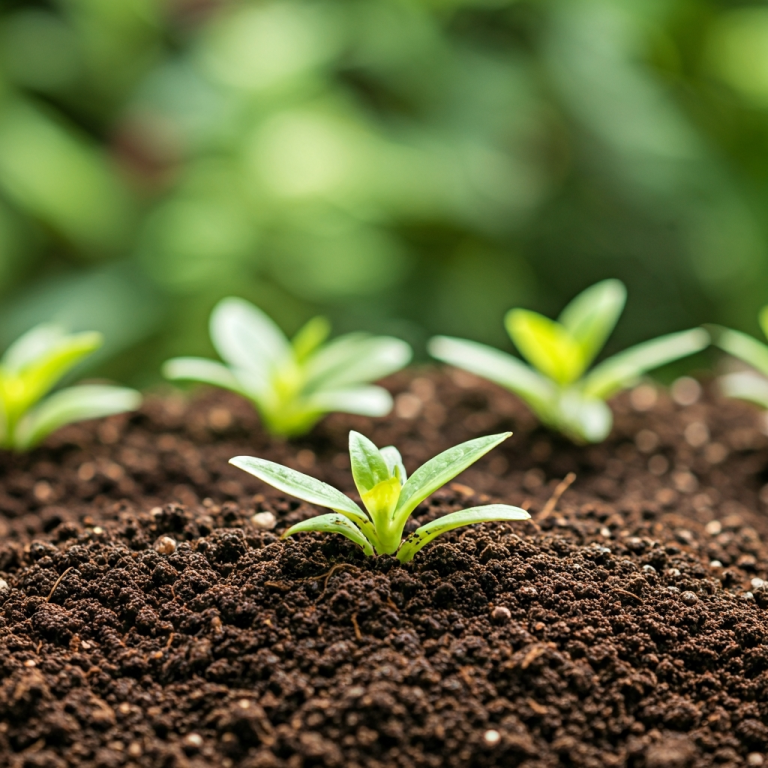
[Image: Close-up photograph of lush green tomato seedlings thriving in a rich organic potting mix]
Makmur Amanah Sejahtera Menyediakan produk-produk kelapa sawit berkualitas tinggi seperti bungkil inti kelapa sawit, cangkang inti kelapa sawit, minyak kelapa sawit mentah, minyak inti kelapa sawit, dll. Silakan hubungi kami melalui WhatsApp. +6282140002198 atau kirim email kepada kami di admin@makmuramanah.co.id.
Pertanyaan yang Sering Diajukan
Can I mix cocopeat and peat moss together?
Yes, combining both mediums creates a balanced potting mix that leverages the neutral pH and easy re-wetting of coconut coir alongside the exceptional nutrient-holding capacity of horticultural peat.
Which option is better for starting seeds?
Cocopeat is generally superior for seed starting because it is naturally pathogen-free, neutral in pH, and provides consistent moisture without risking dampening-off disease in young seedlings.
Does cocopeat require washing before use?
Compressed coconut blocks often contain residual sodium and potassium salts. Rinsing or leaching the material thoroughly before mixing ensures a safe environment for salt-sensitive plants.
How long does cocopeat last in garden pots?
Cocopeat resists rapid microbial breakdown, maintaining its physical structure and aeration properties for up to four years in standard container gardening conditions.
How do I choose between cocopeat vs peat moss for container gardening?
Choose cocopeat for general container gardening due to its superior re-wetting ability and neutral pH, whereas peat moss is ideal if you are growing acid-loving plants in controlled environments.
[Image: Gardener hands gently fluffing and preparing a fresh batch of dark brown organic planting soil]
Kesimpulan
Ultimately, analyzing cocopeat vs peat moss reveals distinct advantages depending on your specific horticultural goals. While peat moss offers unmatched acidity for ericaceous plants, coconut coir delivers superior sustainability, neutral pH, and long-term durability. By selecting the right growing medium, you ensure vibrant plant growth and robust root systems. Embrace sustainable gardening today and evaluate how cocopeat vs peat moss transforms your plants.
 Indonesian
  English
  Chinese
  Arabic