
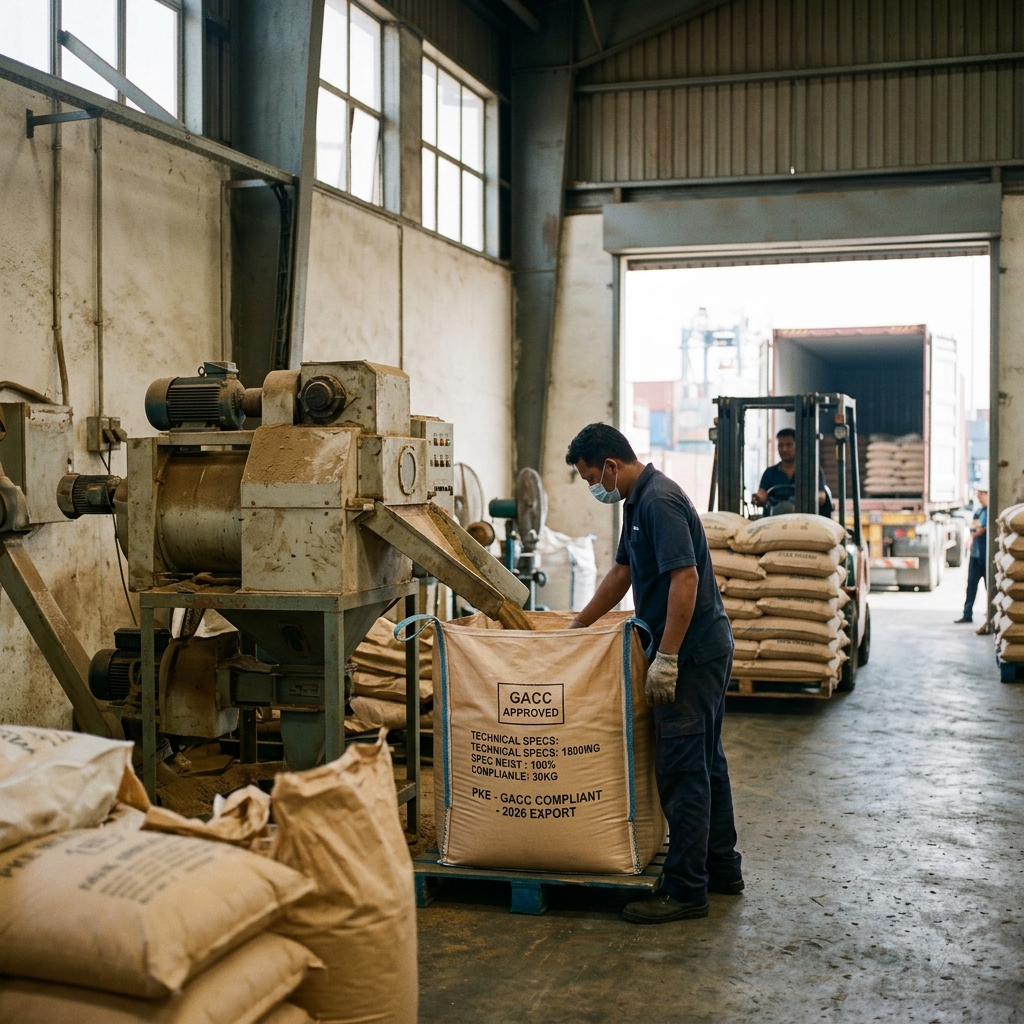
Securing a Mesin Pengekstrak Inti Sawit yang Disetujui GACC certificate is the ultimate game-changer for agricultural exporters looking to dominate the lucrative Chinese animal feed market. Without proper General Administration of Customs of China (GACC) registration, shipments face immediate rejection, heavy demurrage fees, and devastating supply chain delays. Fortunately, mastering the rigorous compliance landscape is entirely possible when you apply the right strategic framework.
As global demand for sustainable, high-protein livestock nutrition accelerates, exporting agricultural commodities requires precision, absolute regulatory transparency, and uncompromised quality control. According to recent trade data published by the Food and Agriculture Organization, international feed trade relies heavily on strict phytosanitary measures to prevent cross-border contamination. This comprehensive 2026 guide reveals 7 proven export secrets to streamline your approval process, eliminate costly customs bottlenecks, and secure long-term buyer trust.
1. Understanding GACC Decree 248 and 249 Mandates for China Customs Compliance
Navigating modern Chinese import regulations begins with complete mastery of GACC Decrees 248 and 249. These sweeping regulatory frameworks govern the registration of overseas production enterprises and general food safety management across all imported agricultural goods.
Every facility processing livestock feed must be officially registered in the single-window system before dispatching any commercial cargo. Failure to align facility blueprints, processing sanitation logs, and traceability records with these mandates results in automatic port-of-entry blockades.
The Role of Local Competent Authorities in GACC Registration
Your journey toward obtaining a Mesin Pengekstrak Inti Sawit yang Disetujui GACC status starts domestically with your national agricultural ministry or quarantine agency. This local competent authority must endorse your facility audit before submitting documents to Beijing. Establishing a transparent, cooperative relationship with local inspectors ensures your dossier meets international diplomatic and sanitary standards.
Facility Hazard Analysis and Critical Control Points (HACCP)
GACC auditors demand rigorous documentation regarding biological, chemical, and physical hazard controls during mechanical oil extraction. Implementing an audited HACCP system proves that your processing plant actively mitigates salmonella, mycotoxins, and foreign matter contamination throughout production.
[Image: Close-up of golden brown palm kernel expeller flakes ready for quality inspection. alt=”GACC Approved Palm Kernel Expeller” title=”GACC Approved Palm Kernel Expeller Inspection”]
2. Optimizing Mechanical Extraction and Quality Specifications
The physical and chemical composition of your product dictates its market value and regulatory acceptance. Premium Mesin Pengekstrak Inti Sawit must maintain strict nutritional thresholds to satisfy discerning buyers in the ruminant and poultry feed sectors.
Mechanical screw-press extraction ensures residual oil levels remain optimal while preserving vital crude protein content. Overheating during processing can degrade amino acid profiles, rendering the batch unsuitable for high-performance dairy rations.
Key Nutritional Parameters for Export Grade PKE
- Protein Kasar: Minimum 14% to 16% dry matter basis
- Serat Kasar: Maximum 18% to 22% for optimal digestibility
- Kandungan Air: Strictly controlled below 11.5% to prevent mold growth
- Residual Oil: Typically ranging between 6% and 9% for balanced energy
Laboratory Testing and Certificate of Analysis (COA)
Before any vessel charter is finalized, comprehensive laboratory testing must be conducted by internationally recognized inspection bodies such as SGS or Sucden. A pristine Certificate of Analysis matching GACC import tolerances protects your brand reputation and accelerates customs clearance upon arrival.
3. Overcoming Traceability and Supply Chain Bottlenecks
Traceability is no longer an optional luxury in global agro-commodity trade; it is a strict legal requirement enforced by modern customs authorities. You must be able to track every metric ton of expeller from the initial palm oil mill processing the fruit bunches down to the final export warehouse.
Implementing digital ledger systems or barcode tracking helps verify that raw kernels are sourced exclusively from plantations complying with zero-deforestation and sustainable agriculture benchmarks.
Batch Segregation Protocols for palm kernel cake export
Mixing certified inventory with unverified stock during warehousing is a catastrophic error that triggers immediate GACC license suspension. Establishing physical barriers, dedicated silos, and clear color-coded labeling systems guarantees complete batch segregation throughout storage and handling.
Complementary Byproduct Management
Efficient processing facilities often manage a diversified portfolio of palm derivatives, ensuring zero agricultural waste. Many exporters optimize their logistics by simultaneously shipping high-demand commodities like Cangkang Inti Sawit for industrial biomass energy, nutrient-rich Tepung Kopra for alternative ruminant feed formulations, or organic Cocopeat for agricultural applications.
[Image: Modern bulk cargo vessel loading agricultural commodities at port. alt=”Exporting GACC Approved Palm Kernel Expeller” title=”Bulk Cargo Vessel Loading PKE”]
4. Navigating Phytosanitary Certification and Quarantine Protocols
Phytosanitary clearance represents the final regulatory hurdle before cargo release. Chinese customs quarantine officers conduct rigorous laboratory assays screening for quarantine pests, weed seeds, and heavy metal residues.
According to research highlighted in global agricultural journals like Sains Langsung, dry bulk storage environments are highly susceptible to insect infestation if ventilation and fumigation protocols are neglected during transit.
Pre-Shipment Fumigation Best Practices
- Conduct mandatory phosphine gas fumigation inside sealed vessel holds or containerized bags.
- Obtain official gas-free and treatment certificates issued by certified pest control operators.
- Ensure cargo hold inspection reports confirm absence of moisture condensation and mold risk.
5. Mastering Packaging, Staging, and Logistics Integrity
Maintaining cargo integrity across thousands of nautical miles demands resilient packaging and meticulous stowage planning. Whether you export in bulk carriers or Jumbo container bags (1-metric-ton polypropylene supersacks), moisture mitigation is your highest priority.
Ocean humidity fluctuations cause cargo sweat, which rapidly promotes fungal proliferation and aflatoxin development. Installing high-grade desiccants inside containerized shipments absorbs excess ambient vapor and protects nutritional value.
Comparison of Export Logistics Methods
| Logistics Mode | Typical Volume | Moisture Risk | Best Suited For |
|---|---|---|---|
| Breakbulk Vessel | 10,000 – 30,000 MT | Sedang-Tinggi | Large-scale industrial feed mills |
| Containerized Supersacks | 20 – 25 MT per 20ft box | Low (with desiccants) | Regional distributors & traders |
| Flexibag Integration | Bervariasi | Minimal | Combined liquid-solid logistics (e.g., RBD CP8 and specialized fatty acid supplements like Garam Kalsium dari Asam Lemak Minyak Sawit) |
[Image: Warehouse worker stacking bagged agricultural feed products securely. alt=”Bagged GACC Approved Palm Kernel Expeller” title=”Bagged PKE Storage Facility”]
6. Building Strategic Relationships with Licensed Chinese Importers
Even with a flawless GACC registration and premium product specifications, bureaucratic success in China depends heavily on your local import partner. Direct trade laws require that your Chinese buyer holds proper feed ingredient import licenses and quota allocations.
Collaborating with established, tier-one trading houses eliminates payment default risks, simplifies Renminbi (RMB) or Letter of Credit (LC) financial settlements, and ensures fast-track customs clearance at major entry ports such as Qingdao, Tianjin, or Guangzhou.
Transparent Communication and Audit Readiness
Maintain open digital communication channels with your Chinese importers, sharing real-time vessel tracking coordinates, pre-shipment inspection footage, and digital document drafts. When GACC inspectors request spot-audit documentation, rapid turnaround times reinforce your reputation as a premier, trustworthy international supplier.
7. Embracing Sustainability and Environmental Compliance in 2026
The global agricultural trade landscape in 2026 places unprecedented emphasis on ESG (Environmental, Social, and Governance) compliance. Importers and regulatory bodies increasingly favor suppliers who demonstrate active carbon footprint reduction and ethical labor practices.
Obtaining international sustainability certifications, such as ISPO (Indonesian Sustainable Palm Oil) or RSPO, dramatically elevates your brand appeal. It proves that your palm kernel expeller production does not contribute to deforestation or social displacement, securing preferred supplier status with multinational feed conglomerates.
[Image: Infographic outlining the 7-step GACC export compliance workflow for palm kernel expeller. alt=”Infographic GACC Approved Palm Kernel Expeller” title=”GACC Export Compliance Infographic”]
Makmur Amanah Sejahtera Menyediakan produk-produk kelapa sawit berkualitas tinggi seperti bungkil inti kelapa sawit, cangkang inti kelapa sawit, minyak kelapa sawit mentah, minyak inti kelapa sawit, dll. Silakan hubungi kami melalui WhatsApp. +6282140002198 atau kirim email kepada kami di admin@makmuramanah.co.id.
Pertanyaan yang Sering Diajukan
What is a GACC Approved Palm Kernel Expeller?
A GACC Approved Palm Kernel Expeller is palm kernel cake processed by a production facility officially registered and vetted by the General Administration of Customs of China. This approval guarantees that the feed product meets all national safety, phytosanitary, and quality standards required for legal import into China.
How long does it take to obtain GACC registration for feed exports?
The registration timeline typically ranges from 3 to 6 months. This duration depends on the completeness of your facility dossier, local competent authority audits, and the responsiveness of Beijing customs reviewers during the evaluation process.
What are the standard moisture and protein limits for export PKE?
Export-grade palm kernel expeller generally requires a crude protein content between 14% and 16% and strict moisture control below 11.5%. These parameters prevent spoilage and ensure balanced nutritional value for livestock feed rations.
Can uncertified mills export palm kernel expeller to China?
No. Under current Chinese trade regulations (Decrees 248 and 249), any agricultural feed processing facility lacking active GACC registration is legally prohibited from exporting goods into the Chinese market.
What shipping methods are best for bulk PKE shipments?
Bulk breakbulk vessels are ideal for high-volume industrial shipments exceeding 10,000 metric tons, whereas containerized supersacks are better suited for regional buyers requiring superior moisture protection and flexible logistics handling.
Kesimpulan
Exporting agricultural commodities successfully into competitive international markets requires unwavering attention to regulatory detail, superior nutritional quality, and proactive supply chain management. By securing your official Mesin Pengekstrak Inti Sawit yang Disetujui GACC credentials and implementing these seven proven 2026 export strategies, your enterprise can eliminate costly border rejections and capture long-term market share. Take action today, optimize your facility compliance, and partner with industry leaders to elevate your global trade operations to unprecedented heights.

 Indonesian
  English
  Chinese
  Arabic