
Daftar isi
- Apa Sebenarnya Tandan Buah Sawit Kosong Itu?
- 10 Powerful Uses and Benefits of EFB
- 1. A Superior Soil Conditioner and Mulch
- 2. The Foundation for Rich Organic Compost
- 3. A Key Player in Biofuel and Renewable Energy
- 4. A Sustainable Source for Pulp and Paper
- 5. An Ideal Medium for Mushroom Cultivation
- 6. Raw Material for Bio-Based Chemicals
- 7. Building Blocks for Fiberboard and Composites
- 8. An Eco-Friendly Solution for Animal Bedding
- 9. A Natural Tool for Erosion Control
- 10. Producing Biochar for Carbon Sequestration
- The Positive Environmental Impact of EFB
- Kesimpulan: Lebih dari Sekadar Sampah
- Sumber Anda untuk Produk Sawit Berkelanjutan
In the vast world of agriculture, what was once considered waste is now being recognized as a valuable resource. A perfect example of this transformation is the Tandan Buah Sawit Kosong (EFB). This byproduct of the palm oil industry is stepping out of the shadows and into the spotlight as a sustainable solution for everything from farming to renewable energy.
So, what makes this humble fibrous material so special? This guide delves into the powerful uses and benefits of EFB, showcasing how it contributes to a more circular and sustainable economy. Let’s explore how this resource is making a significant impact across multiple industries.
Apa Sebenarnya Tandan Buah Sawit Kosong Itu?
Sebuah Tandan Buah Sawit Kosong adalah biomassa berserat yang tersisa setelah buah-buahan segar dipisahkan dari tangkainya Tandan Buah Kelapa Sawit in the mill. This process separates the valuable parts, such as the palm fruit used to produce Minyak Sawit Mentah, dan Inti Sawit, which is later processed into Minyak Inti Sawit.
For decades, these bunches were often discarded or burned, leading to environmental concerns. Today, however, innovative technologies and a growing awareness of sustainability have unlocked the immense potential hidden within every single EFB.

10 Powerful Uses and Benefits of EFB
The applications for EFB are diverse and incredibly beneficial. From enriching the soil to powering homes, here are 10 proven ways this agricultural residue is being used today.
1. A Superior Soil Conditioner and Mulch
One of the most common and effective uses of EFB is in agriculture. When shredded and applied to land, it acts as an excellent organic mulch. This practice helps conserve soil moisture, suppress weed growth, and regulate soil temperature.
Furthermore, as the EFB decomposes, it improves the soil structure, enhancing aeration and water retention. This creates a healthier environment for plant roots to thrive, reducing the need for chemical fertilizers and irrigation. Its high potassium content makes it particularly valuable for nutrient-depleted soils.
2. The Foundation for Rich Organic Compost
Composting is another powerful application. The high organic matter content of this fibrous byproduct makes it an ideal raw material for creating nutrient-rich compost. When mixed with other organic materials, the composting process transforms it into a valuable soil amendment.
This compost enhances soil fertility, boosts microbial activity, and provides a slow-release source of essential nutrients for crops. It is a cornerstone of sustainable farming, helping to close the nutrient loop in palm plantations.
3. A Key Player in Biofuel and Renewable Energy
The world is shifting towards renewable energy, and EFB is a significant contributor. This biomass can be used as a solid biofuel, burned directly in boilers to generate steam and electricity for palm oil mills and nearby communities. This practice is common for other palm byproducts as well, such as the dense Cangkang Inti Sawit, which is another excellent source of bioenergy.
Beyond direct combustion, EFB can be converted into advanced biofuels like bio-pellets, bio-ethanol, and syngas through processes like gasification. As detailed in a study by the Jurnal Produksi Bersih, this turns agricultural residue into a reliable source of green energy, reducing dependence on fossil fuels.

4. A Sustainable Source for Pulp and Paper
The long fibers found in EFB are suitable for producing pulp and paper products. This offers a sustainable alternative to traditional wood-based sources, helping to reduce deforestation.
Research from organizations like the Asosiasi Teknis Industri Pulp dan Kertas (TAPPI) has shown that EFB fiber can be processed to create various paper grades, from packaging materials to writing paper, further diversifying its industrial applications.
5. An Ideal Medium for Mushroom Cultivation
The nutrient profile and texture of a decomposing EFB create the perfect substrate for growing edible mushrooms, such as oyster mushrooms. The byproduct is first composted and sterilized, then inoculated with mushroom spawn.
This not only provides an additional revenue stream for farmers but also transforms the biomass into a food source, demonstrating a highly efficient use of resources.
6. Raw Material for Bio-Based Chemicals
The cellulose and hemicellulose in EFB can be broken down to produce valuable bio-based chemicals. Through fermentation and other biochemical processes, this agricultural residue can be converted into products like lactic acid, which is used to make biodegradable plastics (PLA).
7. Building Blocks for Fiberboard and Composites
The strong fibers of EFB can be blended with binders to manufacture medium-density fiberboard (MDF), particleboard, and other composite materials. These boards are used in furniture making, construction, and even in the automotive industry for interior panels.
This application provides a sustainable and cost-effective alternative to wood, adding value to a byproduct that would otherwise be discarded.
8. An Eco-Friendly Solution for Animal Bedding
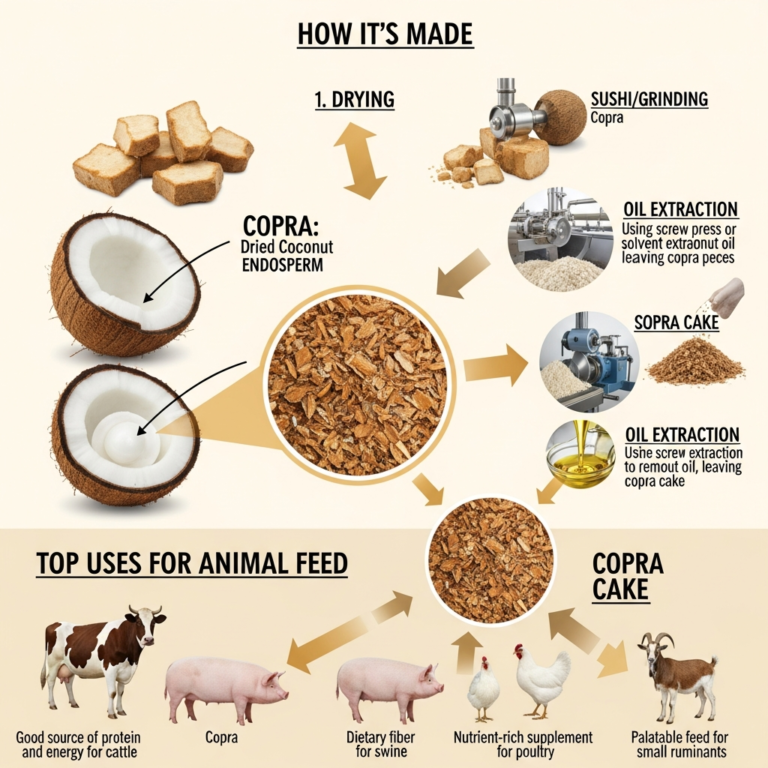
Shredded and dried EFB serves as excellent bedding material for livestock. Its high absorbency helps keep animal enclosures clean and dry, reducing odor and improving hygiene. This complements other palm-based agricultural products, like Mesin Pengekstrak Inti Sawit, which is widely used as a high-protein animal feed. Once used, the bedding can be composted to create an even more potent fertilizer.
9. A Natural Tool for Erosion Control
On hilly plantations or exposed landscapes, soil erosion is a major concern. Mats or logs made from the fibers of EFB can be placed on slopes to slow down water runoff and hold the soil in place. This is a natural and biodegradable method for land conservation, as explored by the Organisasi Pangan dan Pertanian (FAO) on soil management.
10. Producing Biochar for Carbon Sequestration
When EFB is heated in a low-oxygen environment (pyrolysis), it produces biochar. Biochar is a stable, carbon-rich form of charcoal that can be added to soil.
Menurut Inisiatif Biochar Internasional, this process does two amazing things: it dramatically improves soil health and fertility, and it locks carbon in the soil for centuries, effectively removing CO₂ from the atmosphere. This makes EFB a powerful tool in combating climate change.
The Positive Environmental Impact of EFB
Memanfaatkan Tandan Buah Sawit Kosong is a clear win for the environment. By turning a waste product into a valuable resource, we reduce landfill use, decrease the open burning that causes air pollution, and create sustainable products.
This approach is a perfect example of a circular economy, where resources are kept in use for as long as possible. It showcases a commitment to sustainable agriculture practices that benefit both the industry and the planet.
Kesimpulan: Lebih dari Sekadar Sampah
Itu Tandan Buah Sawit Kosong has successfully transitioned from a problematic waste product to a celebrated resource. Its 10 powerful benefits—spanning agriculture, energy, manufacturing, and environmental protection—highlight its incredible versatility.
As industries worldwide continue to seek sustainable and eco-friendly solutions, the humble EFB stands out as a prime example of innovation and resourcefulness. It’s a testament to the idea that with the right approach, we can find value and opportunity in the most unexpected places.
Sumber Anda untuk Produk Sawit Berkelanjutan
Mencari Produk Sawit Berkualitas Tinggi?
Makmur Amanah Sejahtera menyediakan produk-produk sawit berkualitas tinggi seperti bungkil inti sawit, cangkang inti sawit, minyak sawit mentah, minyak inti sawit, dll. Silakan hubungi kami melalui WhatsApp +6282140002198 atau email kami di admin@makmuramanah.co.id.

 Indonesian
  English
  Chinese
  Arabic