
Daftar isi
- Apa Sebenarnya yang Dimaksud dengan Palm Kernel Expeller (PKE)?
- Bagaimana Palm Kernel Expeller (PKE) Diproduksi?
- The Complete Nutritional Profile of PKE
- Penggunaan Utama PKE dalam Pakan Ternak
- Key Technical Specifications for Quality PKE
- Weighing the Benefits and Drawbacks of PKE
- The Global Market and Sustainability of PKE
- Your Partner in Quality Animal Nutrition
- Pertanyaan yang Sering Diajukan (FAQ)
Dalam dunia nutrisi hewan, menemukan bahan pakan yang hemat biaya dan berenergi tinggi merupakan upaya yang terus-menerus. Maka hadirlah... Mesin Pengekstrak Inti Sawit (PKE), a significant by-product of the palm oil industry that has become a cornerstone in livestock diets worldwide. This guide explores everything you need to know about this valuable feed component, from its production to its precise applications.
Whether you’re a farmer, nutritionist, or trader, understanding the nuances of Palm Kernel Expeller (PKE) is crucial for optimizing animal health and farm profitability. Let’s dive into the details.
Apa Sebenarnya yang Dimaksud dengan Palm Kernel Expeller (PKE)?
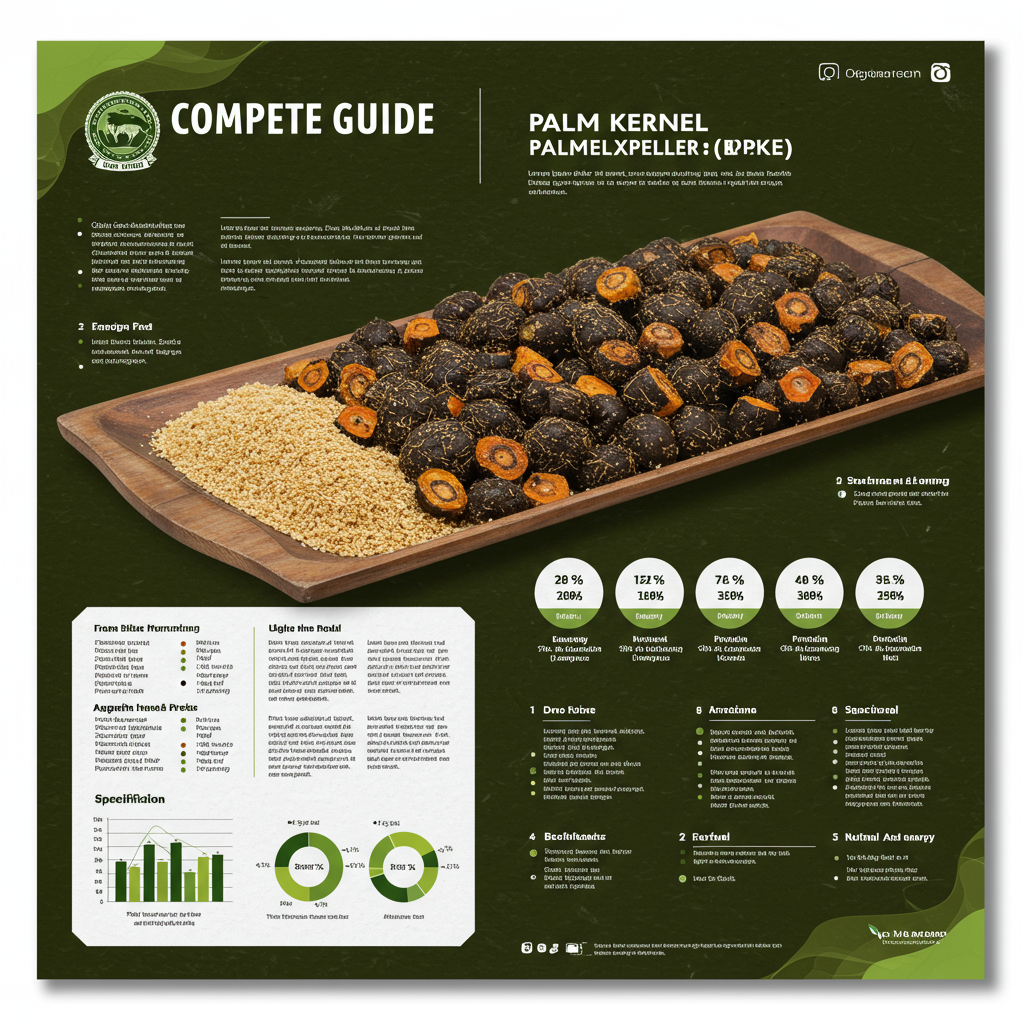
Palm Kernel Expeller (PKE) adalah residu padat yang tertinggal setelah ekstraksi minyak secara mekanis dari inti sawit. Inti Sawit of the palm fruit. It is a coarse, brownish material rich in protein, fiber, and energy, making it a popular ingredient in compound feeds, particularly for ruminant animals like cattle.
Often referred to as Palm Kernel Cake (PKC), it’s important to distinguish it from Palm Kernel Meal (PKM), which typically undergoes a solvent extraction process. The mechanical “expeller” process used for PKE generally leaves a higher residual oil content, which translates to a higher energy value.

Bagaimana Palm Kernel Expeller (PKE) Diproduksi?
The journey of PKE begins with the Tandan Buah Kelapa Sawit. After the fleshy part is processed to extract Minyak Sawit Mentah, the nut remains. This nut is cracked, separating the valuable Cangkang Inti Sawit (often used for biofuel) from the kernel itself. This kernel is the primary source of Minyak Inti Sawit.
- Penumpasan: The palm kernels are crushed to break them down.
- Pemanas: The crushed kernels are heated to facilitate oil extraction.
- Ekstraksi: The heated material is fed into a mechanical screw press (an expeller) that applies immense pressure to squeeze out the oil.
- Produk Sampingan: The solid, cake-like material that remains is the Mesin Pengekstrak Inti Sawit (PKE).
- Hemat Biaya: PKE is often more affordable than other protein sources like soybean meal.
- Ketersediaan Tinggi: Sebagai produk sampingan dari industri minyak sawit yang besar, makanan ini tersedia secara luas sepanjang tahun.
- Keberlanjutan: Menggunakan Mesin Pengekstrak Inti Sawit (PKE) adds value to a by-product, reducing waste and promoting a circular economy.
- Variabilitas Kualitas: Kandungan nutrisi dapat bervariasi antar pemasok.
- Rasa: Some animals may find its gritty texture less palatable, requiring gradual introduction.
- High Copper: Unsuitable for sheep in high concentrations.
The Complete Nutritional Profile of PKE
The value of this feed ingredient lies in its dense nutritional makeup. While quality can vary based on the extraction process and shell content, a typical analysis provides a good overview of what makes PKE so useful.
Macronutrients: Protein, Fiber, and Energy
PKE is considered a balanced source of protein and energy. It typically contains 14-18% crude protein, which is vital for animal growth and milk production. Its high crude fiber content (15-22%) is particularly beneficial for ruminants, as it supports healthy rumen function. The residual oil (5-10%) provides a concentrated source of energy.
Minerals and Other Components
PKE is a good source of essential minerals like phosphorus, magnesium, iron, and manganese. However, it’s notably high in copper, which makes it an excellent supplement for cattle but requires careful formulation for sheep, which are sensitive to copper toxicity. For more on ruminant mineral requirements, you can refer to resources from the Buku Panduan Kedokteran Hewan MSD.
Penggunaan Utama PKE dalam Pakan Ternak
The unique nutritional specs of Palm Kernel Expeller (PKE) make it suitable for a variety of livestock, though it excels in certain applications.
A Staple for Ruminant Nutrition (Cattle, Goats)
PKE is most widely used in the diets of dairy and beef cattle. Its high fiber content and moderate protein level make it an ideal complement to pasture-based systems. It serves as a cost-effective bulk feed that promotes satiety and supports milk fat production. Research published in journals like the Jurnal Ilmu Hewan frequently confirms its efficacy in cattle rations when balanced correctly.
Use in Monogastric Diets (Poultry and Swine)
The use of PKE in poultry and swine diets is more limited due to its high fiber content, which these animals cannot digest as efficiently as ruminants. However, it can be included at lower levels (typically 5-10%) to reduce feed costs without significantly impacting performance. Enzyme supplementation can help improve its digestibility for these animals.

Key Technical Specifications for Quality PKE
When purchasing Palm Kernel Expeller (PKE), buyers rely on a set of technical specifications to ensure quality and consistency. These parameters determine its nutritional value and shelf life.
| Parameter | Kisaran Khas | Pentingnya |
|---|---|---|
| Kelembapan | < 12% | Prevents mold growth and ensures stability |
| Protein Kasar (CP) | 14 – 18% | Essential for growth and production |
| Lemak Kasar (Minyak) | 5 – 10% | Provides concentrated energy |
| Serat Kasar (CF) | 15 – 22% | Aids digestion in ruminants |
| Abu | 3 – 6% | Indicates mineral content |
| Isi Cangkang | < 5% | Low shell content means higher digestibility |
For official standards, organizations like the Kodeks Alimentarius provide international food standards, guidelines, and codes of practice.
Weighing the Benefits and Drawbacks of PKE
The Advantages of Using PKE
Keterbatasan dan Pertimbangan Potensial
The Global Market and Sustainability of Palm Kernel Expeller (PKE)
Indonesia and Malaysia are the world’s largest producers of Mesin Pengekstrak Inti Sawit (PKE). Major importing regions include the European Union, New Zealand, China, and South Korea, where it supports large-scale dairy and livestock industries. The global trade is robust, driven by the demand for affordable animal feed.
Sustainability is a critical aspect of the palm industry. Reputable suppliers often provide certification from organizations like the Roundtable on Sustainable Palm Oil (RSPO), ensuring the PKE comes from environmentally and socially responsible sources. A report from the RSPO can offer insights into the certification process and its importance.
Your Partner in Quality Animal Nutrition
Palm Kernel Expeller (PKE) stands out as a versatile, cost-effective, and sustainable feed ingredient that can significantly benefit livestock operations. By understanding its nutritional profile, production process, and best practices for use, you can optimize your feed formulations for healthier animals and a stronger bottom line.
Makmur Amanah Sejahtera menyediakan produk-produk sawit berkualitas tinggi seperti bungkil inti sawit, cangkang inti sawit, minyak sawit mentah, minyak inti sawit, dll. Silakan hubungi kami melalui WhatsApp +6282140002198 atau email kami di admin@makmuramanah.co.id. Yes, PKE is an excellent feed for dairy cows. Its high fiber supports rumen health, and its protein and energy content contribute to milk production and quality. PKE generally has lower protein (14-18%) and higher fiber compared to soybean meal (44-48% protein). It is valued as a balanced energy and fiber source, while soybean meal is primarily a protein supplement. PKE should be stored in a cool, dry place away from direct sunlight to prevent mold growth. Keeping moisture content below 12% is the key to long-term storage and quality preservation.Mencari Produk Sawit Berkualitas Tinggi?
Pertanyaan yang Sering Diajukan (FAQ)
Apakah PKE baik untuk sapi perah?
What is the difference between Palm Kernel Expeller (PKE) and soybean meal?
Bagaimana cara menyimpan PKE?

 Indonesian
  English
  Chinese
  Arabic