
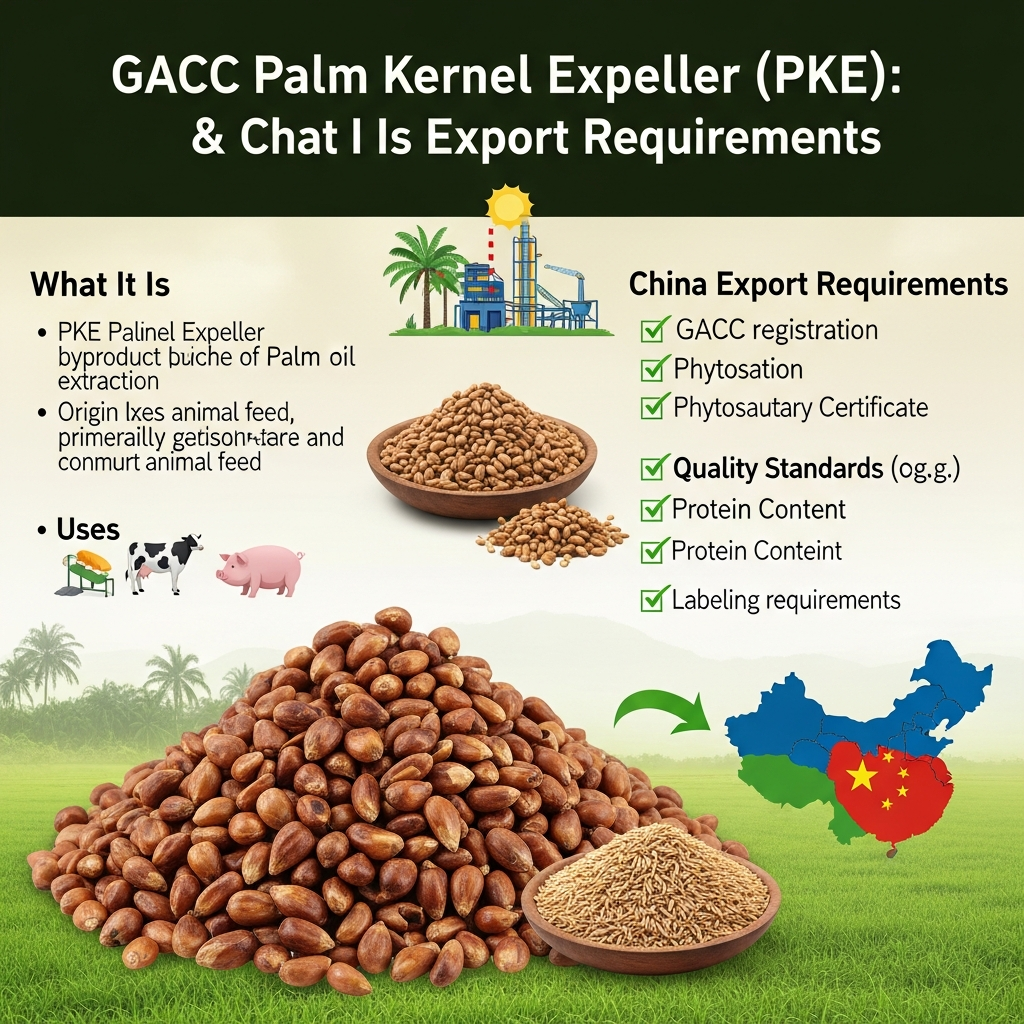
GACC Palm Kernel Expeller: 7 Proven Success Tips (2026)
Securing your Mesin Pengekstrak Inti Sawit GACC license is the most critical hurdle for animal feed exporters targeting the Chinese market today. Navigating the stringent customs protocols can be overwhelming, and a single documentation mistake often leads to costly cargo rejections at the port.
In this comprehensive guide, we reveal seven proven strategies to guarantee compliance and streamline your export operations in 2026. Furthermore, the demand for sustainable and highly nutritious animal feed ingredients is skyrocketing globally across modern agricultural sectors.
Recent market analyses indicate that China imports millions of tons of biomass feed annually to sustain its massive livestock industry. By following the actionable frameworks detailed below, you will fortify your supply chain, satisfy every bureaucratic requirement, and confidently expand your global footprint.
What Exactly is GACC Palm Kernel Expeller?
GACC Palm Kernel Expeller is the protein-rich, high-fiber by-product of palm oil extraction officially certified for Chinese import. This premium agricultural commodity must strictly meet the phytosanitary, safety, and traceability standards established by the General Administration of Customs of China before crossing the border.
Extracted mechanically via a screw press, it retains a favorable balance of residual oil and crude protein. When an exporter achieves full regulatory compliance, their product gains elite status in the international commodity market, unlocking immense revenue potential.
Moreover, processing facilities must undergo rigorous inspections to ensure no heavy metal contamination, aflatoxins, or unauthorized chemical residues exist. Earning this official designation means your production line adheres to the highest echelon of global food safety standards.
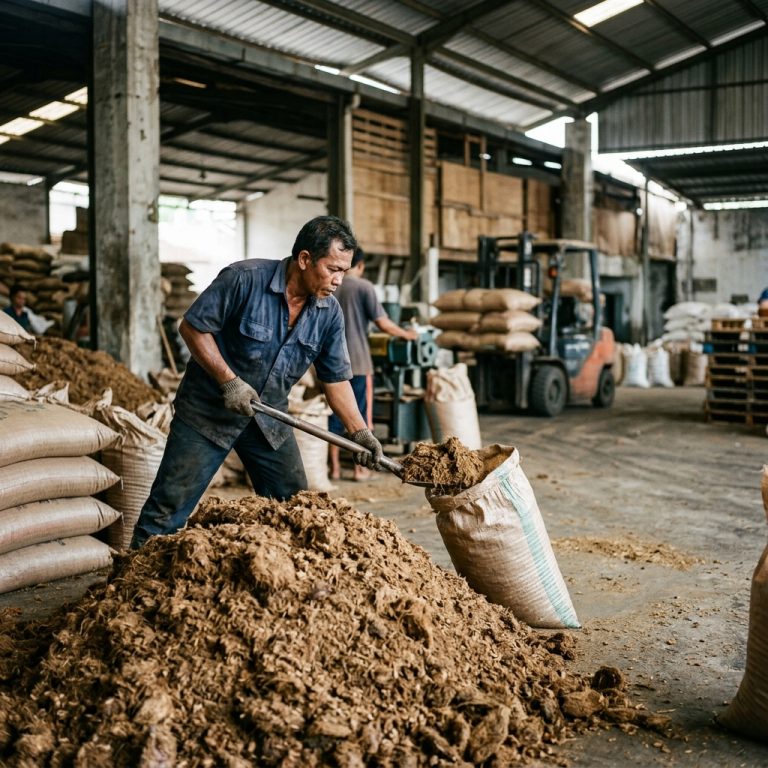
[Image: High-quality palm kernel expeller ready for export inspection]

Why GACC Palm Kernel Expeller Certification is Mandatory in 2026
The global agricultural trade environment is shifting rapidly toward total traceability and enhanced biosecurity. Consequently, the Chinese government implemented zero-tolerance policies for unregistered feed imports to protect domestic livestock from foreign pathogens.
Strict Biosecurity and Feed Safety Protocols
In recent years, outbreaks of transboundary animal diseases have devastated regional economies. As a defensive measure, registering as an authorized GACC Palm Kernel Expeller supplier ensures every batch entering Chinese ports is fully vetted and pathogen-free.
The customs authority mandates comprehensive risk assessments for all foreign feed production sites. Facilities must prove their Hazard Analysis and Critical Control Points (HACCP) systems are actively mitigating biological, chemical, and physical hazards. Mandatory protocols include:
- Implementing robust, documented pest control programs across all storage silos.
- Maintaining daily sanitation, temperature, and moisture-control logs.
- Enforcing strict employee hygiene protocols throughout the manufacturing floor.
Menurut Organisasi Pangan dan Pertanian (FAO), international trade standards prioritize source verification more than ever. Their latest biosecurity guidelines closely mirror the tightened protocols enforced by Chinese authorities at all major entry ports.
Traceability From Mill to Port
Modern commodity trading demands absolute transparency. Authorities require an unbroken chain of custody, detailing exactly where the raw palm kernels were harvested, how they were crushed, and how the resulting meal was stored.
To meet these demands, facilities must deploy advanced tracking software. Every shipping container must possess a unique identifier linked directly to its specific production batch, instantly preventing the fraudulent mixing of inferior ingredients.
Many high-level producers also diversify their portfolios with related commodities. For instance, obtaining clearance often paves the way for exporting other sustainable by-products, such as premium Tepung Kopra, which undergoes a similarly stringent vetting procedure.
Additionally, maximizing the utility of agricultural by-products helps minimize waste. Innovative exporters frequently convert remaining biomass into versatile horticultural mediums, producing high-grade Cocopeat for global greenhouse operations.
7 Proven Steps to Secure Your GACC Palm Kernel Expeller License
Entering the Chinese market requires patience, precision, and a proactive compliance strategy. Here are the seven critical steps to ensure your operations achieve and maintain full certification status in 2026.
- Initial Facility Audit and Gap Analysis: Before applying, conduct an exhaustive internal audit. Compare your current sanitation, pest control, and storage protocols against the latest Chinese customs regulations to identify critical non-conformities.
- Implement Comprehensive HACCP Systems: Upgrade your quality assurance frameworks. Your processing plant must operate under internationally recognized food safety management systems, complete with detailed hazard control documentation.
- Submit Manufacturer Registration via CIFER: The digital gateway for all applicants is highly strict. Ensure every translated document is flawlessly accurate to prevent algorithmic rejections from the customs database.
- Secure Local Ministry Recommendations: Most bilateral trade agreements require your home country’s Ministry of Agriculture to physically inspect your plant. They must officially recommend your facility to Chinese customs authorities.
- Pass the GACC Inspection: Be prepared for a meticulous virtual or on-site examination. Inspectors will scrutinize your production lines, verifying that you meet the exacting standards of a GACC Palm Kernel Expeller supplier.
- Establish Advanced Traceability Protocols: Deploy a robust lot-tracking system. You must prove the ability to trace every metric ton of feed back to its originating plantation within hours of a regulatory request.
- Partner with Licensed Importers: Finally, align yourself with experienced Chinese import agents. They will navigate the complex port-of-entry logistics, handle local tariff clearances, and ensure your cargo moves swiftly.
[Image: Infographic detailing the 7 steps to secure export licensing]

Nutritional Value and Product Comparisons
Beyond bureaucratic compliance, the actual nutritional density of your feed ingredient determines its market value. Nutritionists formulate dairy and swine rations based on precise protein, fiber, and fat ratios to maximize animal yield safely.
When compared to alternative feedstocks, this specific palm by-product offers a unique, highly sought-after nutritional profile. It boasts excellent dry matter content and serves as a highly cost-effective energy source for ruminants.
| Feature / Specification | Mesin Pengekstrak Inti Sawit GACC | Tepung Kedelai | Tepung Kopra |
|---|---|---|---|
| Protein Kasar | 14% – 18% | 44% – 48% | 20% – 22% |
| Serat Kasar | High (approx. 15-20%) | Low (approx. 3-5%) | Moderate (approx. 10-15%) |
| Kasus Penggunaan Utama | Ruminant Energy Source | Poultry/Swine Protein | Dairy Cattle Fat Supplement |
| Efisiensi Biaya | Highly Economical | Premium Priced | Moderate Cost |
Optimizing Ruminant Diets
Modern dairy operations require calorie-dense formulations to maintain high milk yields. Incorporating certified palm by-products stabilizes rumen fermentation, mitigating the risk of acidosis commonly associated with heavy grain diets.
For elite dairy performance, nutritionists often combine this base feed with advanced energy supplements. Formulating rations with Garam Kalsium dari Asam Lemak Minyak Sawit bypasses rumen degradation, delivering concentrated energy directly to the small intestine.
Simultaneously, agricultural waste optimization represents a massive secondary revenue stream. Facilities processing feed often utilize the remaining hard casing by exporting Cangkang Inti Sawit as a sustainable, high-calorific biofuel to power industrial boilers.
The Role of the CIFER System in Modern Customs
The China Import Food Enterprise Registration (CIFER) system represents a monumental shift in how global trade is governed. Designed to centralize and digitize the approval process, this platform is the mandatory gateway for anyone exporting agricultural commodities.
Consequently, mastering the CIFER interface is just as important as maintaining physical plant hygiene. The system requires extensive uploads of operational licenses, facility blueprints, and detailed flowcharts of the entire manufacturing lifecycle.
According to recent guidance published by the General Administration of Customs of China (GACC), the CIFER platform utilizes advanced algorithms to cross-reference application data. Any discrepancy between your local business license and your submission triggers immediate rejection.
Every single document must be meticulously translated into Mandarin by certified professionals. A minor mistranslation in your pest control logs can delay your export approval by several crucial months.
Overcoming Common Customs Roadblocks
Even with exceptional preparation, exporters frequently encounter unexpected hurdles at the port of entry. The path to maintaining your export license is fraught with strict bureaucratic checkpoints that require proactive management.
Administrative Errors in GACC Palm Kernel Expeller Shipments
The most frequent cause of cargo detainment is simple administrative oversight. A mismatched seal number, an expired phytosanitary certificate, or a slight variation in the company name on the bill of lading will halt customs clearance.
Chinese port authorities exercise zero flexibility regarding paperwork anomalies. To combat this, elite exporting operations employ dedicated compliance officers whose sole responsibility is rigorous document verification.
Every piece of paperwork accompanying a GACC Palm Kernel Expeller shipment must undergo a triple-check process. This intensive verification must be completed long before the vessel ever departs the origin port.
Mitigating Contamination Risks During Transit
Upon arrival, random spot checks are standard procedure. Customs officials will draw physical samples from multiple shipping containers to test for biological hazards, unauthorized pesticides, or potential pest infestations.
Exporters must ensure their warehousing and transport partners maintain pristine conditions. Using specialized packaging, utilizing double-lined bulk bags, and ensuring shipping container integrity are proven methods to protect your cargo.
According to studies published in the Jurnal Ilmu Hewan, stringent moisture control during transit significantly reduces aflatoxin development. Proper ventilation prevents condensation, universally known as container rain.
Maintaining pristine shipping conditions is a universal requirement across the palm industry. Whether shipping solid feed biomass or refined liquid commodities like RBD CP8, rigorous pre-shipment vessel inspections remain absolutely non-negotiable.
Leveraging Professional Consultation and Expertise
Do not attempt to navigate the intricate labyrinth of Chinese customs alone. Partnering with elite consultants who specialize in Sino-international trade dramatically increases your chances of first-time application approval.
These professionals maintain direct lines of communication with regulatory bodies. Their expertise transforms an overwhelming bureaucratic nightmare into a streamlined, highly predictable, and profitable business process.
In a recent advisory update by the Organisasi Perdagangan Dunia (WTO), member nations emphasized that professional capacity building is the primary driver of successful cross-border agricultural compliance.
[Video Concept: A 5-minute embedded YouTube video explaining the CIFER registration portal step-by-step for feed exporters]
Future Outlook for Agricultural Feed Exports in 2026
The geopolitical landscape heavily influences agricultural commodity flows. As bilateral trade agreements evolve, digital integrations between national customs databases will become entirely automated, leaving absolutely no room for human error.
Consequently, early adopters who modernize their compliance frameworks today will dominate the market tomorrow. The integration of blockchain technology for supply chain transparency is rapidly moving from an experimental concept to a regulatory mandate.
It is vital to partner with an established industry leader who has mastered these complexities. For guaranteed compliance and premium product sourcing, rely on our officially certified Mesin Pengekstrak Inti Sawit GACC supply chain to meet your specifications.
Makmur Amanah Sejahtera Menyediakan produk-produk kelapa sawit berkualitas tinggi seperti bungkil inti kelapa sawit, cangkang inti kelapa sawit, minyak kelapa sawit mentah, minyak inti kelapa sawit, dll. Silakan hubungi kami di WhatsApp +6282140002198 atau kirim email kepada kami di admin@makmuramanah.co.id.
Pertanyaan yang Sering Diajukan
How long does the registration process typically take?
The entire registration process generally takes between 6 to 12 months, depending on administrative efficiency and customs backlogs. Proper document preparation significantly accelerates this GACC Palm Kernel Expeller registration timeline.
What is the main difference between standard PKE and a GACC approved variant?
The primary difference lies purely in regulatory compliance. The approved variant has successfully passed rigorous facility audits, enhanced traceability verifications, and strict laboratory testing mandated by Chinese import authorities.
Can a trading company apply for the GACC Palm Kernel Expeller license?
No, trading companies cannot apply independently. The manufacturer or actual processing facility must hold the primary registration. Trading companies must act as authorized agents sourcing exclusively from these listed plants.
What happens if a shipment is rejected at a Chinese port?
If a shipment fails inspection due to contamination or documentation errors, it will be quarantined, destroyed, or returned at the exporter’s expense. The exporting facility may face immediate suspension.
Are there specific moisture content limits for shipping PKE to China?
Yes, moisture content must generally be kept below 10% to 12%. Exceeding these limits drastically increases the risk of mold formation and spontaneous combustion during transit, triggering port inspection failures.
[Image: Professional business handshake representing successful international trade]

Conclusion: Securing Your Global Export Dominance
Mastering the intricate regulations of international agricultural trade is no longer optional; it is the absolute baseline for survival in 2026. By diligently implementing the seven proven strategies outlined in this guide, you can eliminate compliance risks seamlessly.
Furthermore, maintaining impeccable facility standards, enforcing rigorous traceability, and leveraging professional compliance expertise will safeguard your profit margins. Establishing your facility as an elite, compliant supplier guarantees sustained demand from top-tier international buyers.
Take immediate action today to audit your production lines and initiate your CIFER application. With unwavering dedication to quality, becoming a highly profitable, fully certified Mesin Pengekstrak Inti Sawit GACC exporter is an entirely achievable reality.
 Indonesian
  English
  Chinese
  Arabic